
It can sometimes be difficult to stick with the curriculum until the end of June. The sun is shining, you hear kids outside your window playing soccer-baseball during gym class, the room is sweaty, it is just time to be done! Resist the urge to abandon the curriculum for recreation, unless you can combine the two!
There are lots of fun ways to keep kids engaged until the very end of the school year. In my experience, the last month of school is the best time to do a big, whole class project.
One year, when studying Ancient Civilizations, we wrote a poem about some of the major battles in Ancient Greece. Then we drew on the Arts curriculum and made a set, props, and developed acting cues for the poem. We worked with the Media Literacy curriculum and marketed our production to the rest of the school and families. We did some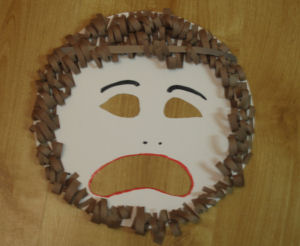 math around how many showings of the play we would need to do if we had room for 35 seats in the classroom. We talked about what it would be like if we charged money for the show, what would we use the money for, how much would we get if we charged $0.25 per seat, $1.50 per seat, etc. What if your ticket included popcorn, how much would it cost? We purchased popcorn, popped it and measured how many servings we could get out of it. Then we did the math on how many bags we would need and how much we would need to charge for it. They worked out the math on how long the show was, how much time would be required between showings to get organized again, and then looked at the school schedule to see how many showings they could fit in during the day. They wrote reviews of the play for the newspaper, they wrote ads to go on the announcements, they even filmed commercials! They made a program to hand out, worked out how many copies they would need, they did it all.
The learning in this project was incredibly rich, and it was all culminating in the final 3 days of school when they presented their play multiple times throughout the day. This kept them busy, engaged, and connected to the curriculum for the last month of school. The last few days which can be chaotic, were a breeze. They ran the whole day, bringing classes to and from their play, presenting, and keeping the set organized and ready to go.
There are so many different ways you can plan for this last month to ensure the learning is rich, the students are engaged, and the days fly by! Inquiry Based learning is the perfect way to finish out the year. I had a grade 2 class  that was very interested in restaurants. So we incorporated the social studies of food from around the world, and we turned out whole class into a restaurant that served dishes from different places around the world. Again, we did advertising, signage, lots of math around how much we would need of different supplies, etc.
Pick a topic that you know will hook your class. Then turn it into something big and run with it. You will be surprised at how much learning they get out of it and how quickly it takes over!


 can be accessed to ensure no child is left out. You should not be taking trips that include required content for essential learning and exclude students if they cannot pay. This is a huge equity issue.
 Make sure you bring all epi-pens, medications, therapy devices, and a first aid kit. I always bring my cell phone as well to call for help should I need to. You will want emergency contact info for all students on the trip as well to ensure you can contact parents if there is an emergency.