
Maintaining learning momentum in June can be challenging as students are distracted by summer weather and social activities. Here are some resources and suggestions that might help deepen learning in these high interest topics.
FIFA World Cup
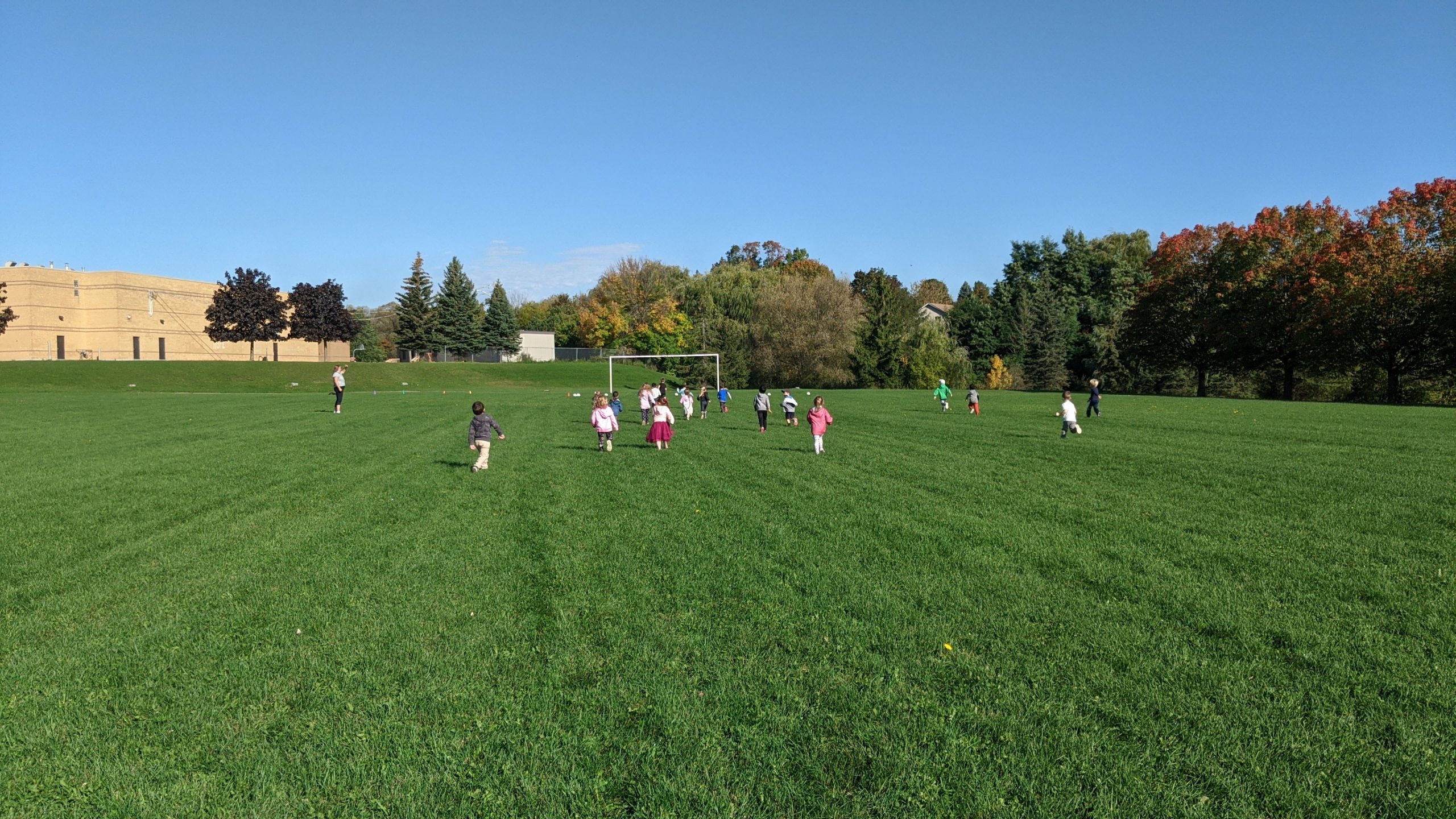
2026 is unique for Canada as a it’s our first time as a host nation for the world’s most popular game: football/soccer. Toronto hosts team Canada playing Bosnia and Herzegovina on June 12. This tournament turns billions of eyes to Ontario’s capital city. We can use that momentum as a learning opportunity. We can research the teams, players, stadiums, mascots, and rules of the game. We can create art, host our own tournaments and use some of the resources online including free booklets created by Soccer Canada and/or the City of Toronto. To deepen student learning look into the impacts the FIFA World Cup has on the economy, the environment and our society. Older students can hold a debate and practice speaking and presentation skills. Younger students will be curious about the mascots and what they represent. This is an ideal time to review world geography and get to know more about other parts of the world. Soccer is a beautiful game because it is so accessible world wide. Introducing key players and learning how they got to this level of play can be inspiring to our students as they learn that hard work and practice can bring success. These qualities apply in all types of jobs and athletes can give students a boost to set goals for the future.
Outdoor Education
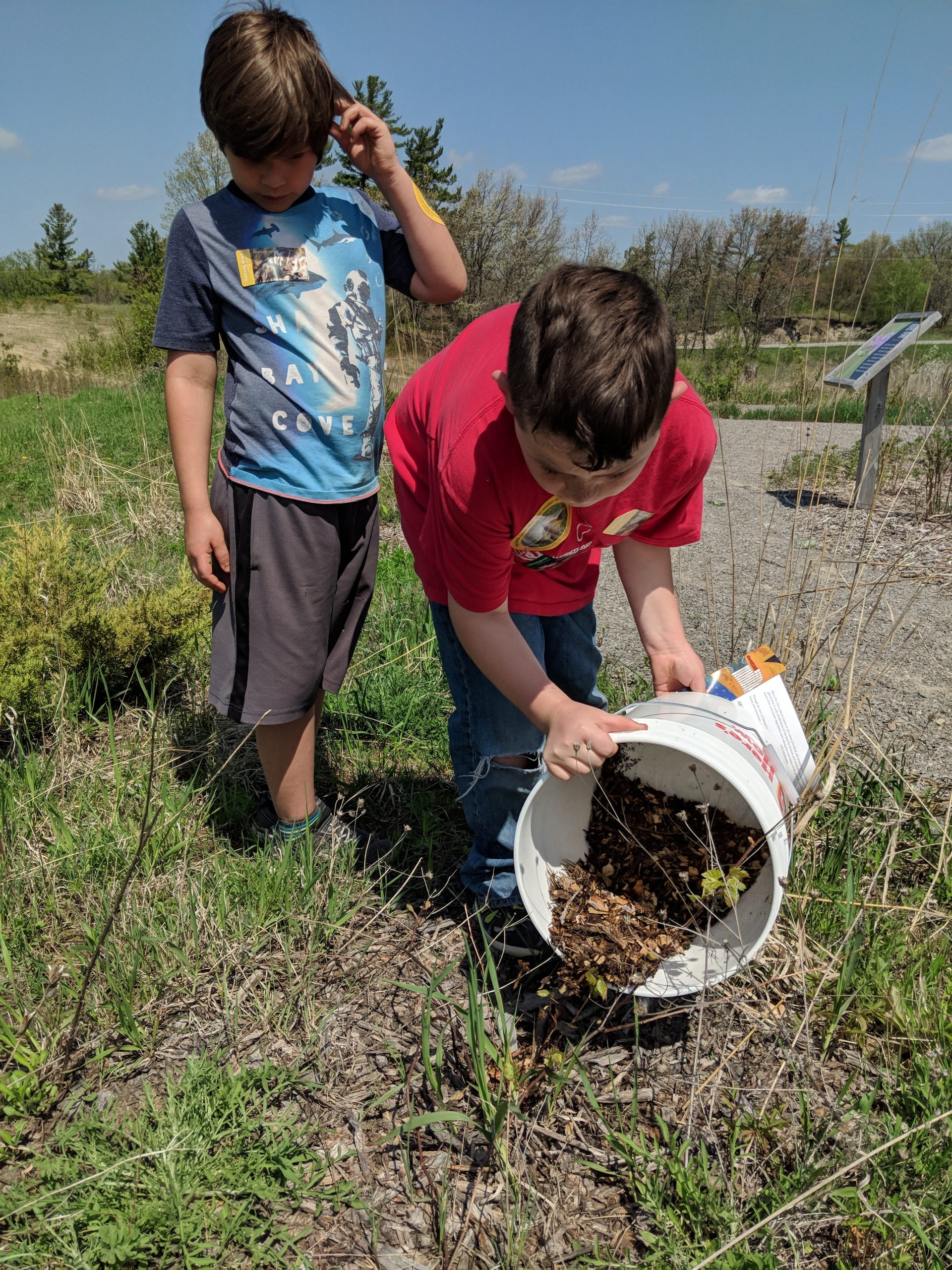
As the natural world bursts into bloom, the month of June is an excellent time to get outside and observe all kinds of plants and critters. Asking key questions to get students thinking can help direct or outdoor education experiences in your area. For example:
*what is happening in your local streams, rivers and lakes?
*when you observe insects or other animals, what stage of their life cycle are they in?
*what interconnections can be observed between plants and animals?
*how are humans impacting habitats in your area?
*what actions are needed to support ecological diversity?
These types of observations can be made in our schoolyards or neighbourhoods. No need to travel far. We get our clip boards and/or cameras and document our thoughts.
Safety Outdoors: Water, Camping, Trampolines and Bicycles
The summer gives us incredible opportunities in Ontario for all kinds of fun outdoor activities. Unfortunately every year there are accidents. Preparing students with lessons about safety is a direct link to the Health curriculum and students will enjoy sharing their safety knowledge. I like to divide students into groups and assign each group a topic. They prepare a skit or presentation to teach safety lessons on these topics. Some of the obvious topics are water, campfires, trampolines and bicycles but you may have other risks in your area. For example some students may navigate public transit independently while others may ride a dirt bike. These are high interest topics with deep thinking and minimal resources required. Stay safe everyone!
Supporting Public Library Programs
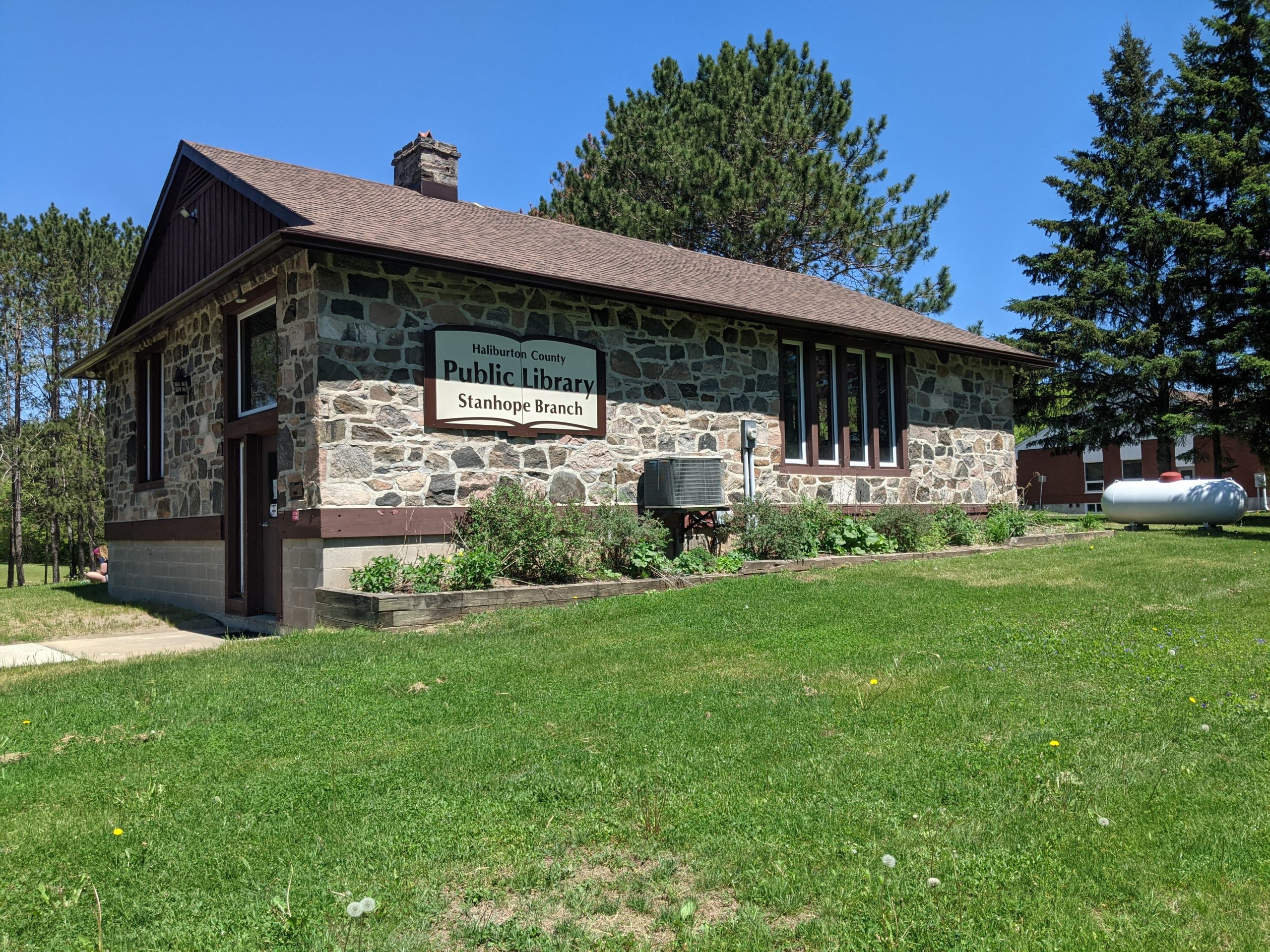
We can reach out to our local public library for a free visit. In my case we’ve had visits from the library to promote summer programs and encourage reading. Students have been given the opportunity to sign up for a library card which gives access to online resources as well as the library collection. We have also taken a walk or bus ride to the library for programming at the nearest branch. Either way this is an excellent time to connect students to this valuable resource in our communities.
I wish you a beautiful month of June full of wonderful learning opportunities.
Brenda