Resumes – Writing the Narrative of Your Practice

Next to journaling and writing for the Heart and Art blog, resume writing is one of my favourite ways to reflect on my practice. The process of communicating my philosophy of education and demonstrating how this plays out in the day-to-day ignites my passion for teaching and learning and reminds me of why I do what I do as a teacher.

Shifting one’s role, whether it be changing schools or position or seeking new experiences, is one of many ways that educators can embrace new learning opportunities and refuel their energy for the journey ahead. Embracing the stance of reflection when composing one’s resume is essential in this regard as it distinguishes candidates amongst a large pool of applicants. The following suggestion are some of the tricks I’ve hid up my sleeves in order to present myself as a strong candidate for the mirage of opportunities within the education sector. Why am I telling you this? I don’t know. But perhaps after many years of my unofficial resumes consulting, these tricks will prove useful in your journey.

1. Use a relevant framework. The Ontario College of Teachers (OCT) governs the teaching profession in Ontario and as such, using the OCT Standard of Practice as a framework for designing your resume structures the narrative of your practice in ways that align with the directives and outcome of best practice. Using the standard heading, Education, Experiences, Interests, etc., may serve useful in less specialized sectors, but as a profession, teacher resumes should mimic the framework that serves to structure our professionalism.

2. Show, don’t tell. I have read countless teacher resumes that indicate that applicants planned and taught lesson. But starting this task that on a resume is not distinguishing at all. Every teacher seeking an opportunity in education must have planned and taught lessons. A more effective way of demonstrating the scope of your practice is to paint the picture of your practice in action. This is where reflection is essential. Rather than telling what you did, show it using an affect-oriented narrative. “Embraced proactive approaches to classroom management in order to nurture a positive learning environment and foster a sense of community” paints a more intentional picture of teacher practice than “Created a positive learning environment.” The latter tells what was done while the former shows how it was done and explains why. What sets the two statements apart? Reflection that articulates the desired outcome of the action being described.

3. Treat the page like limited re-estate. Though not every posting for teachers may stipulate a maximum page number for the resume, I tend to stick to the standard 2 pages rule when applying for teaching positions. With over 7 years of experiences that seems like an impossible endeavor but by being strategic in my articulation I can demonstrate the breadth and width of my practice while maximizing the limited space of 2 pages. Being intentional about what to say, how to say it and where to say it can be fruitful in staying within the page limit. The key is to avoid repetition. Though you may have many teaching experiences that you want to display, be sure to be succinct about only demonstrating a particular aspect of your practice no more than once, regardless if it was something that you employed in other experiences. There are better ways to demonstrate your strength as an educator other than repeating yourself multiple times. Likewise, many resumes are accompanied by a covering letter which structure is very different than that of a resume. It is in your covering letter that your prose can come out in ways that will allow you to delve deeper into your practice. But remember, if you said it in your resume, use the covering letter to say something else.

So there you have it. My 3 easy steps for educators to engage in reflective resume writing. However you decide to engage in it, your resume speaks first, often before you are invited to articulate your vision and passion in person. Write it well. Write it with intention. Write is as a way to stay reflective. In the process you may be reminded, again and again, of just why you truly are an educator.
Music Monday

Today is Music Monday. It is a nation wide celebration of music and music education, always on the first Monday in May.

Schools celebrate Music Monday in a variety of ways. Some schools go outside and have a sing along in the great outdoors. Others have a sing along over the announcements. Some go to a special celebration in a city park designed to bring schools together.

Our Music Monday celebration today was a mini concert with a variety of students speaking, performing and singing. Below is what we did and hopefully it will give you some ideas for a Music Monday celebration at your school next year.

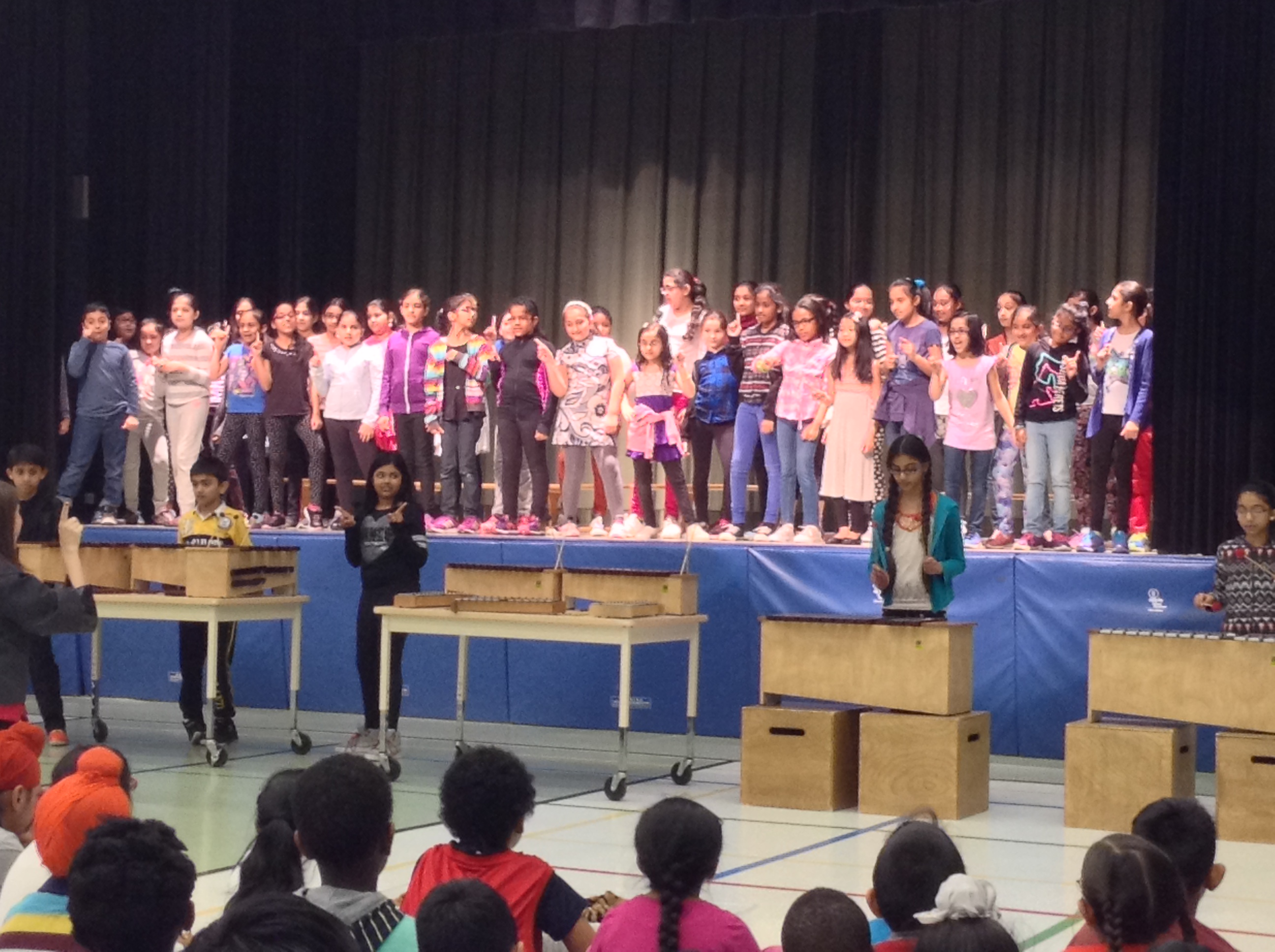
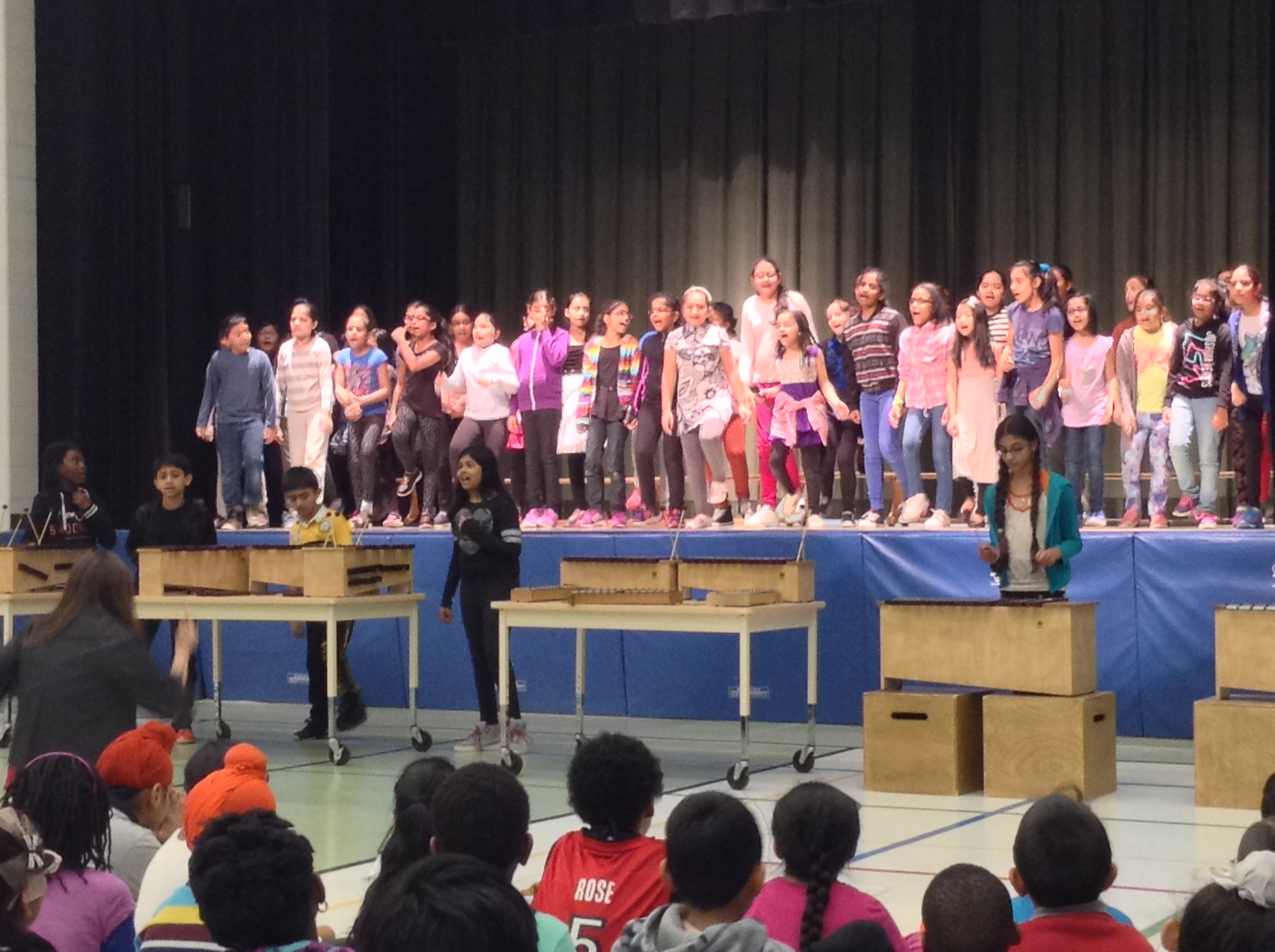
First up, we had our choir present two songs that they have learned in April. One was a Tamil Lullaby and the other was a great jazz piece from Doug Goodkin called “Step Back Baby”.

IMG_0386IMG_0392

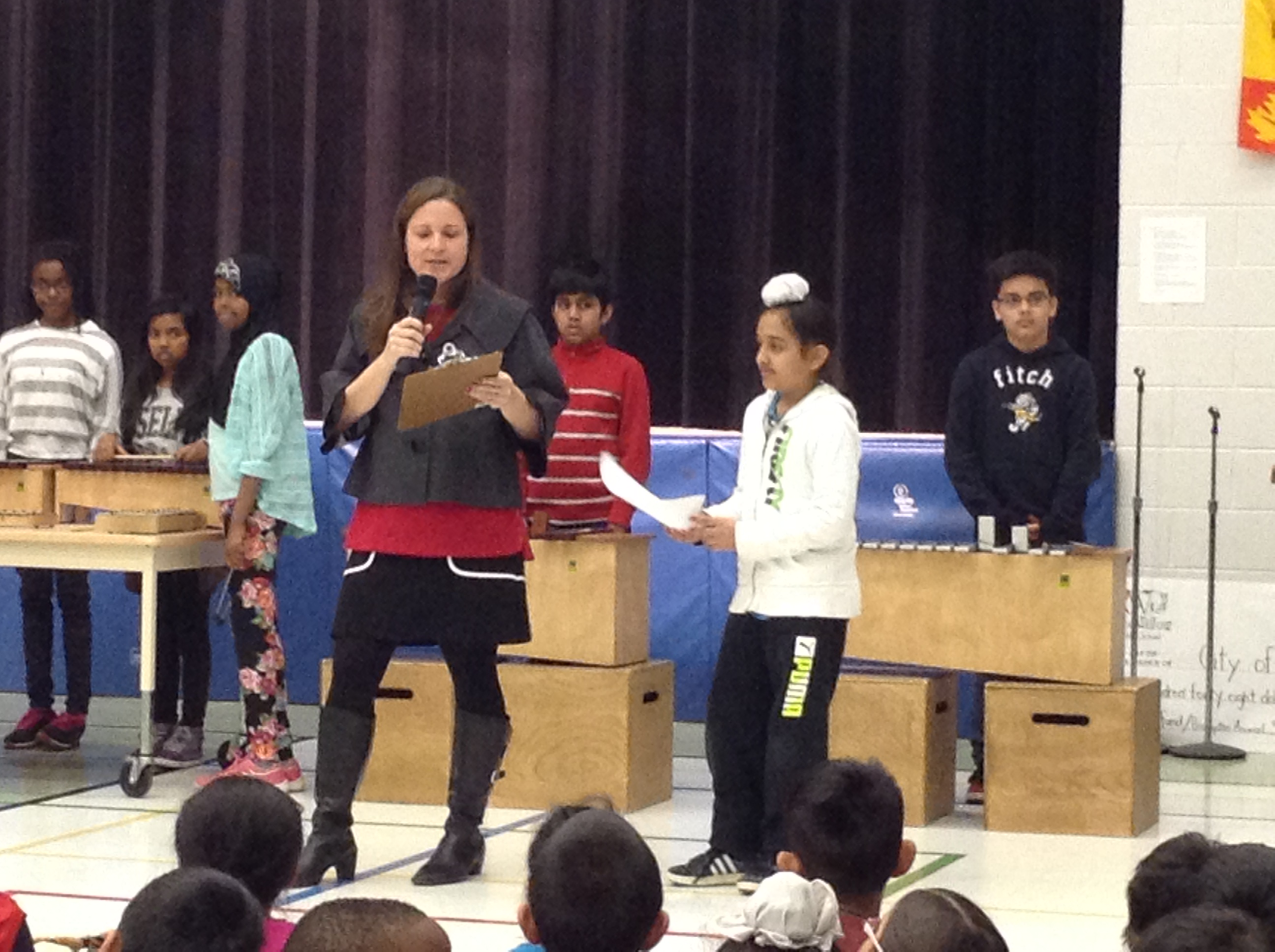
Next, I introduced my student who spoke about my teaching partner and the impact that her teaching has had on him.

IMG_0355

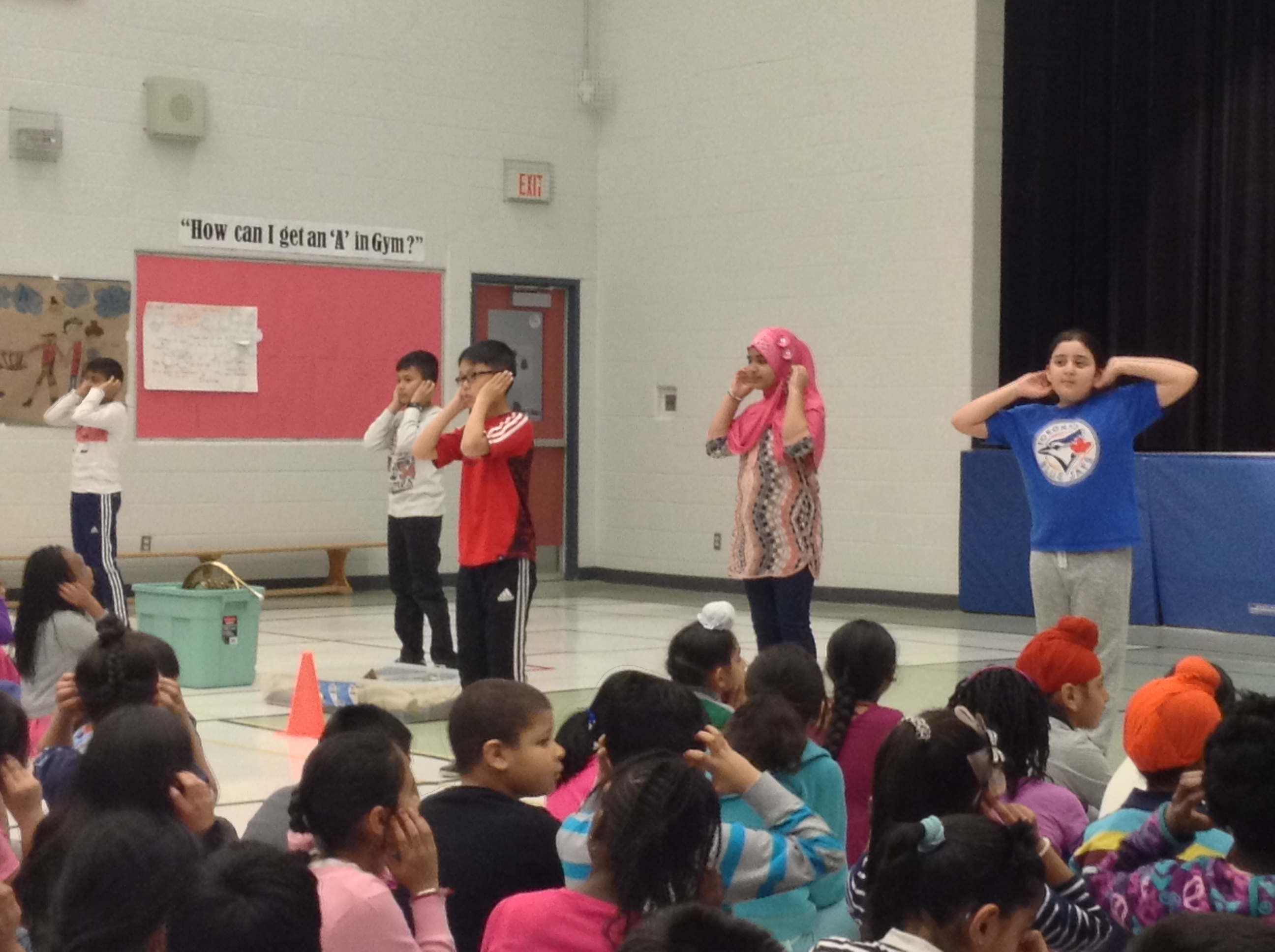
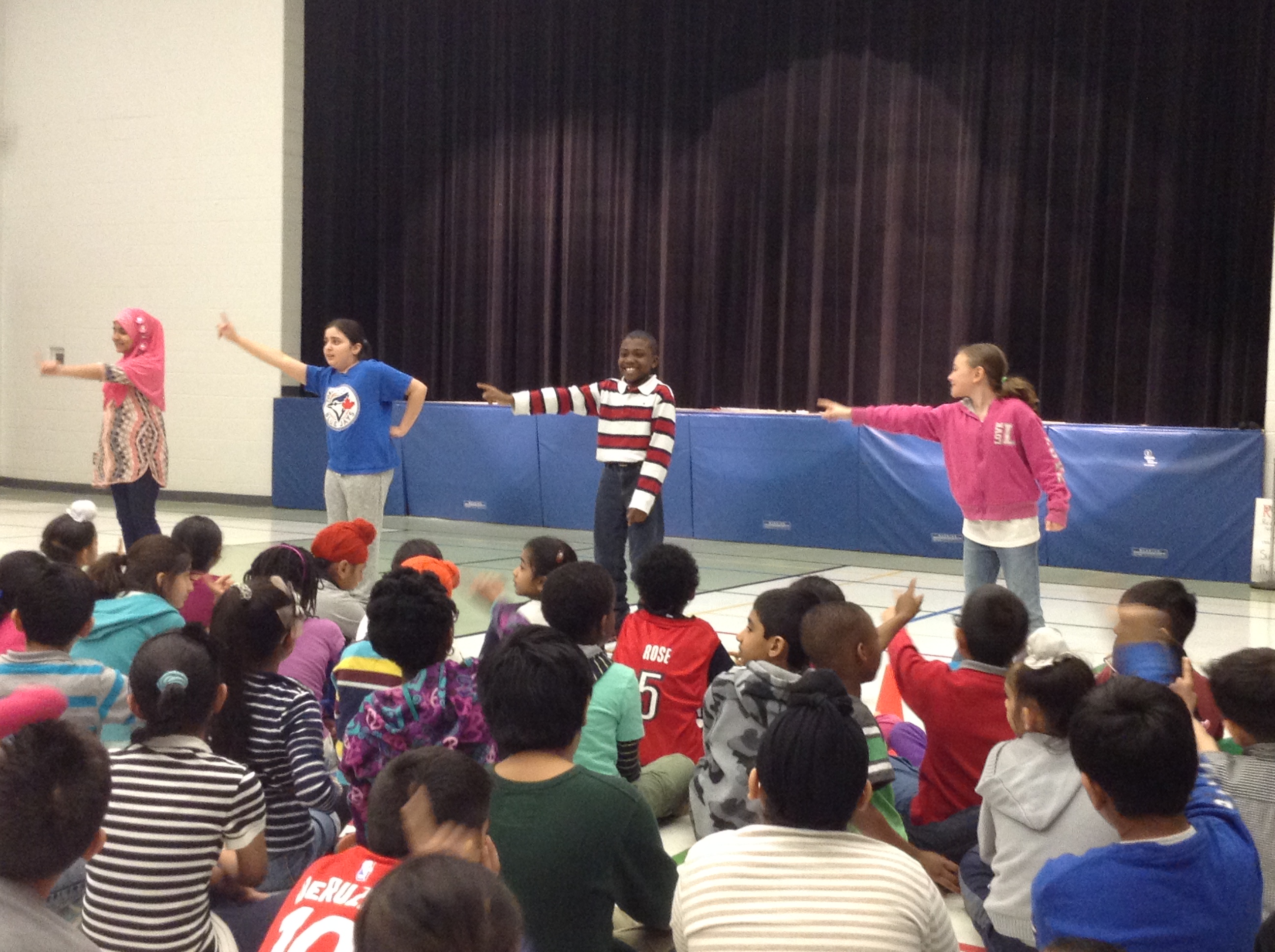
Some grade four and five students then led the school in some actions to go along with the Music Monday song “We Are One”

IMG_0396IMG_0401

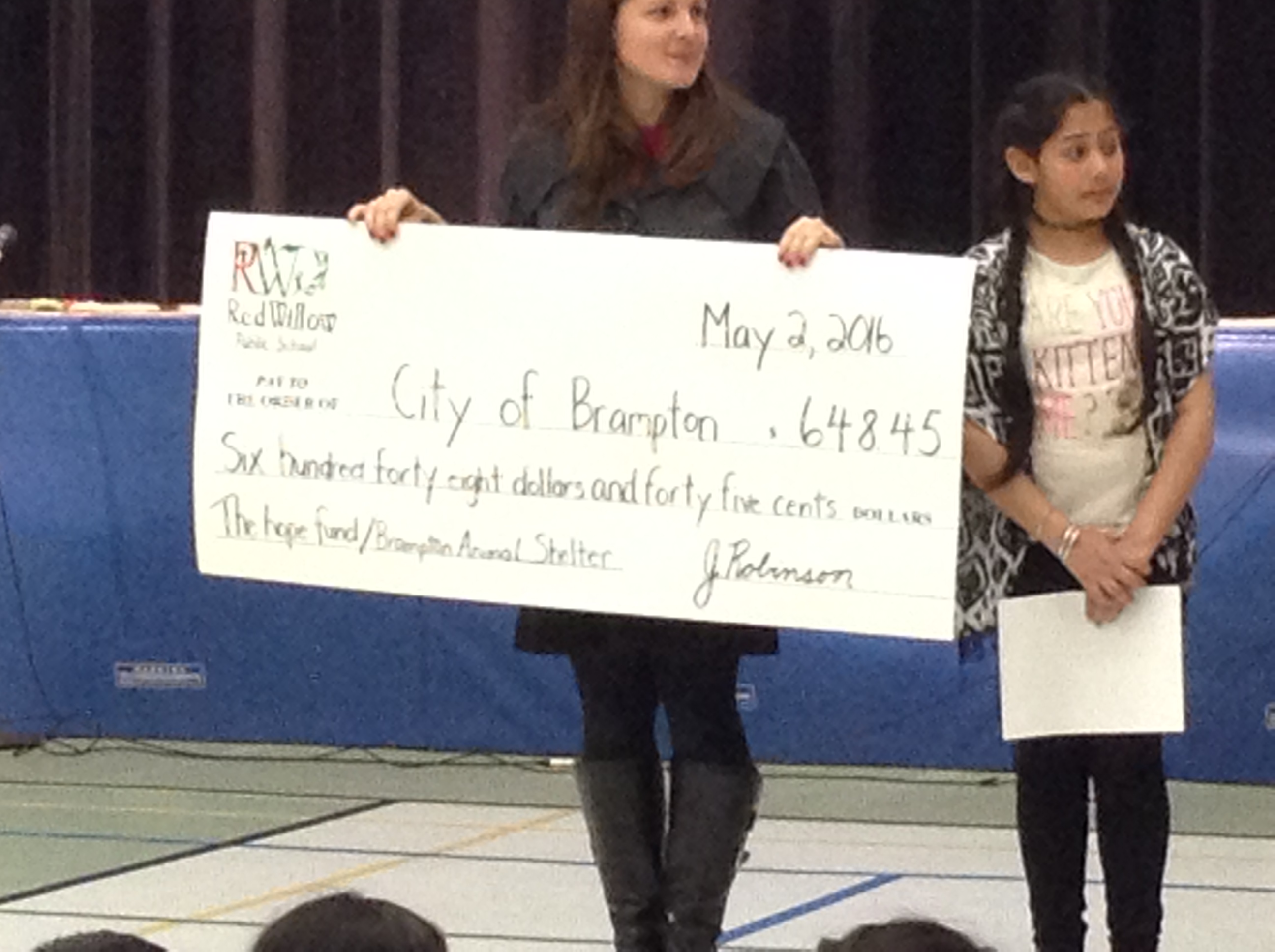
Our school had raised some money in honour of my music teaching partner, Ms. Lynda Wulkan, and we had a presentation to Brampton Animal Services.  (Some of our grade 2 teachers made the cheque. They used bristol board and markers and it looked fantastic.)

IMG_0435

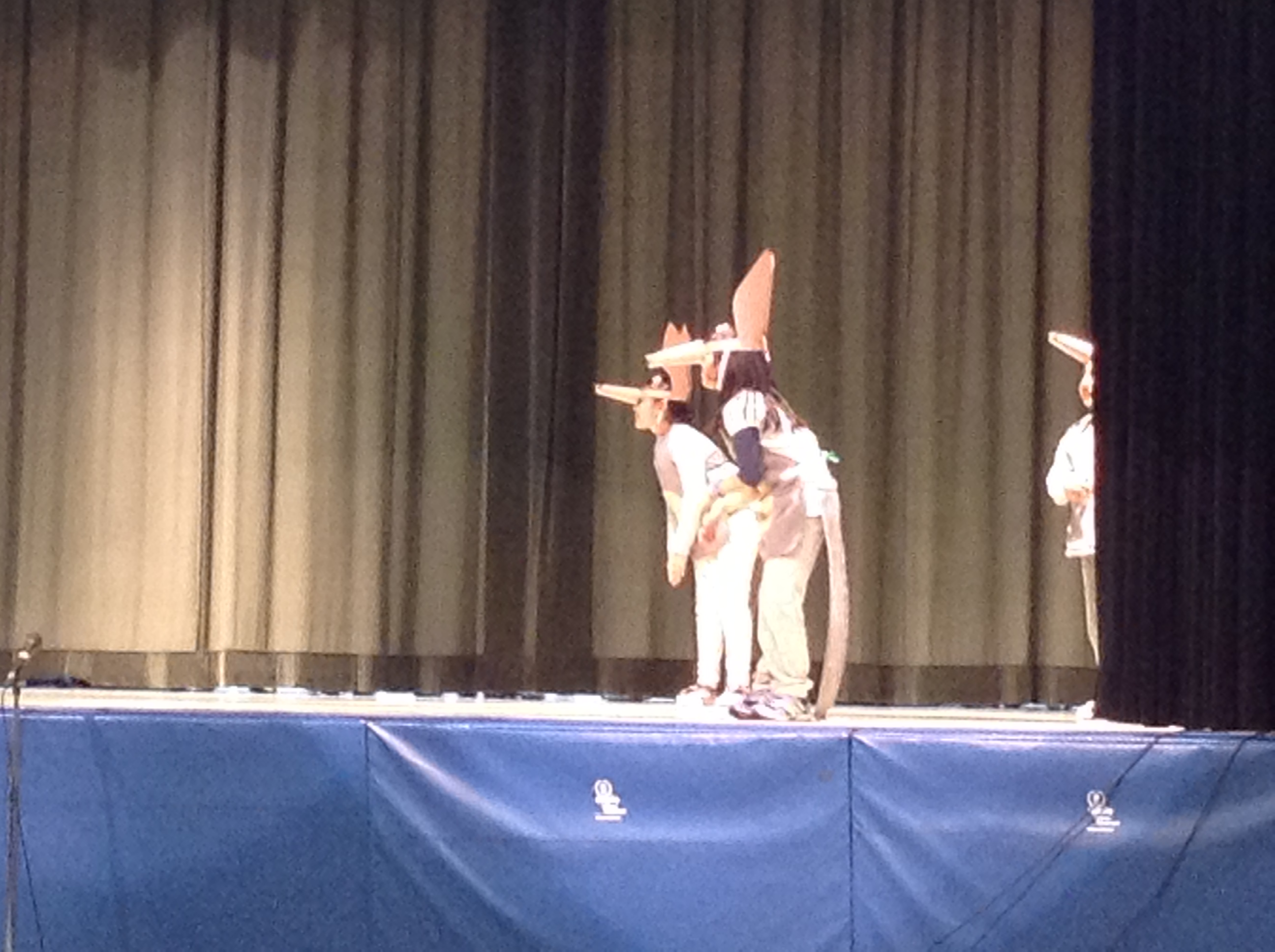
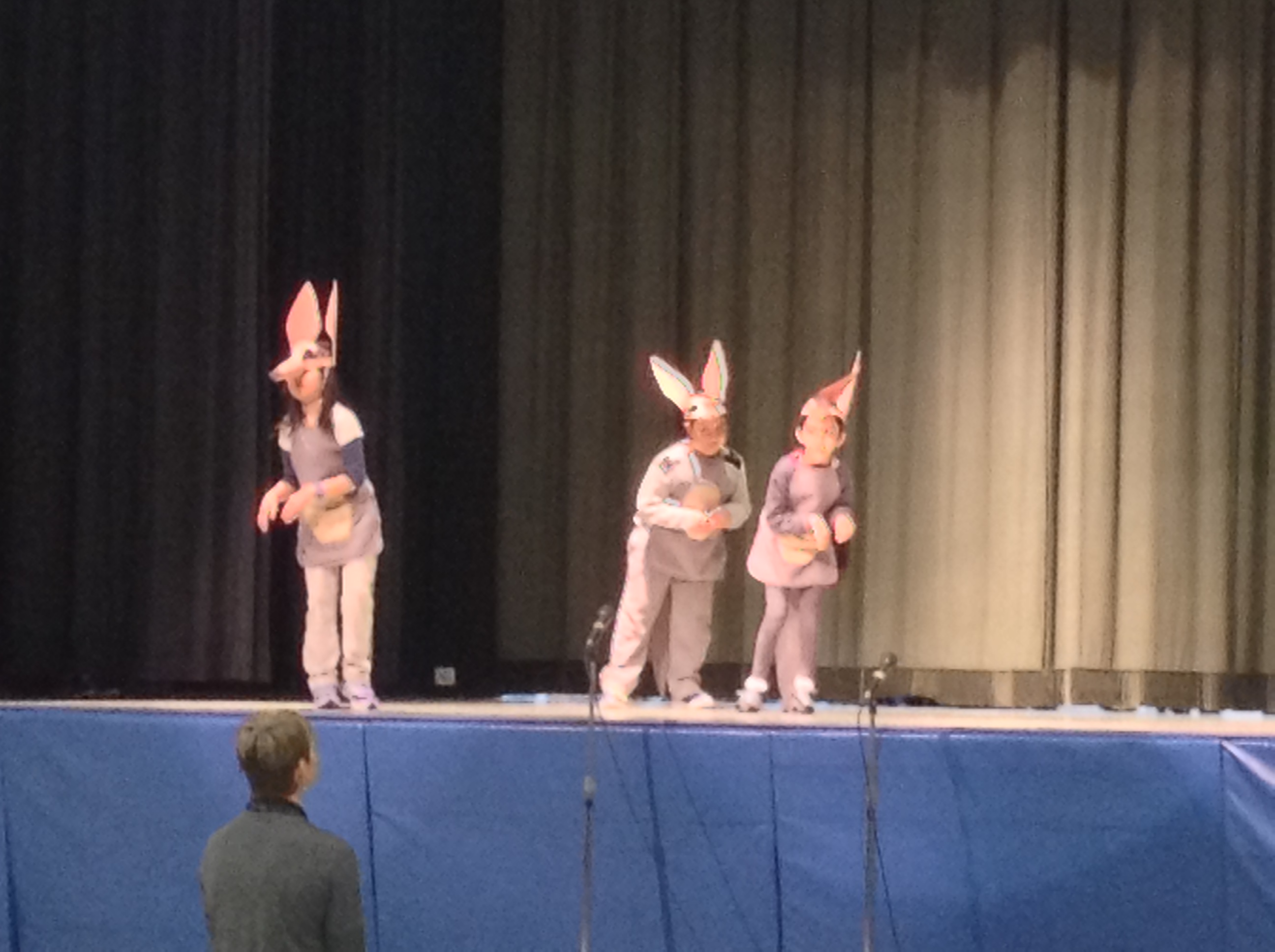
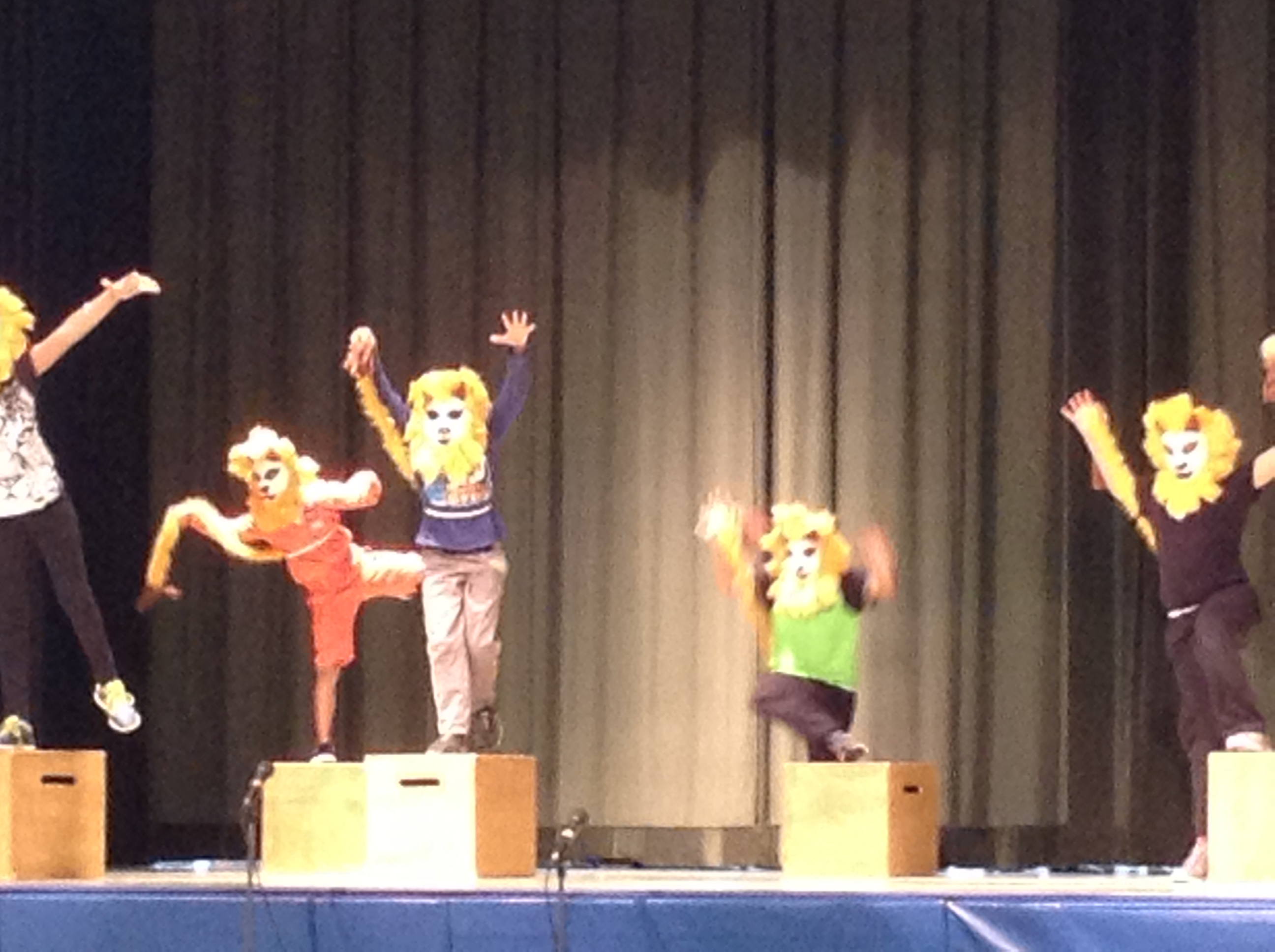
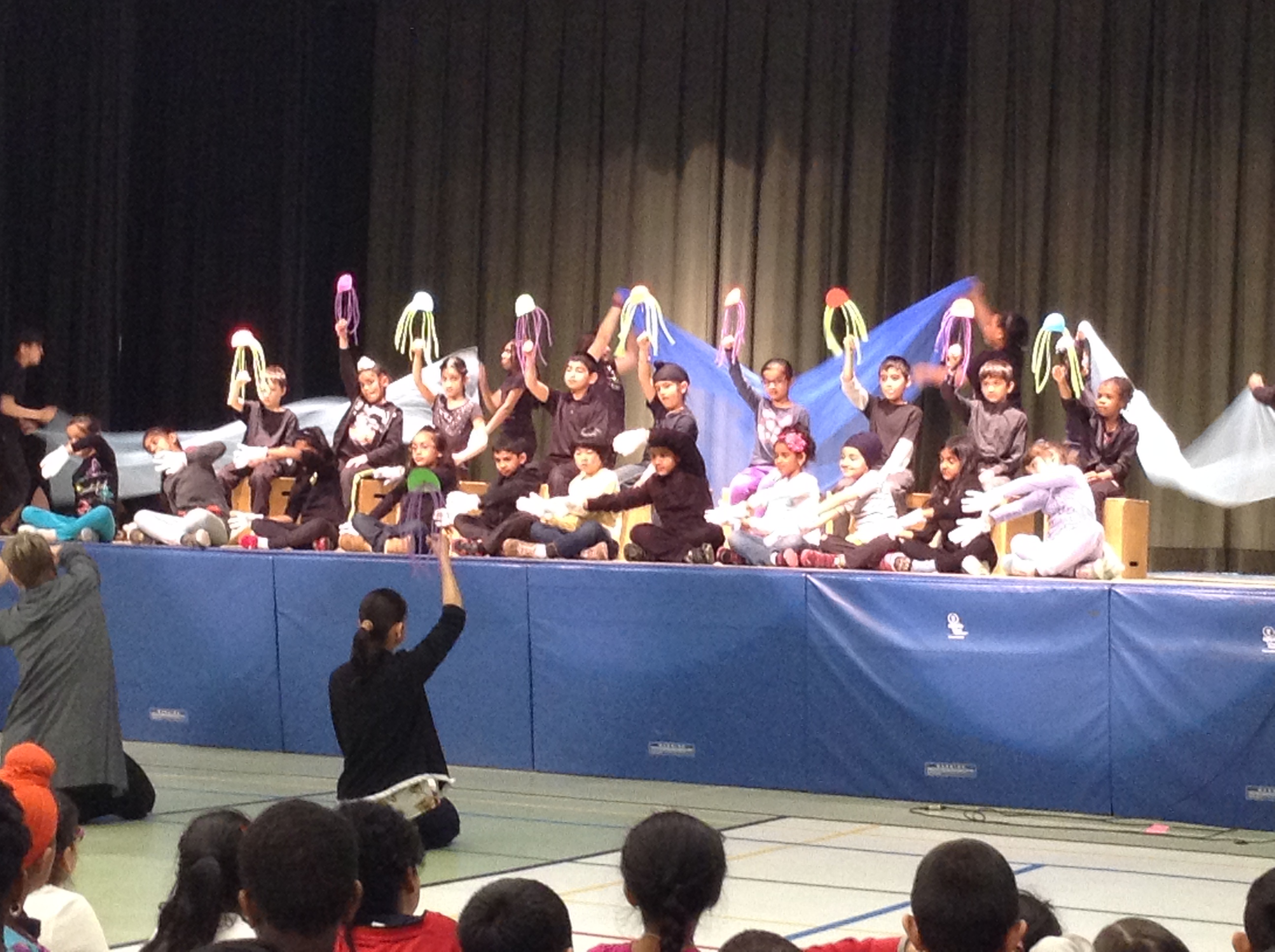
Next in our presentation we had groups of grade two students do movement pieces to go along with the Carnival of The Animals. There were…

Kangaroos

IMG_0445 IMG_0448

Lions

IMG_0462IMG_0469

and the Aquarium

IMG_0485

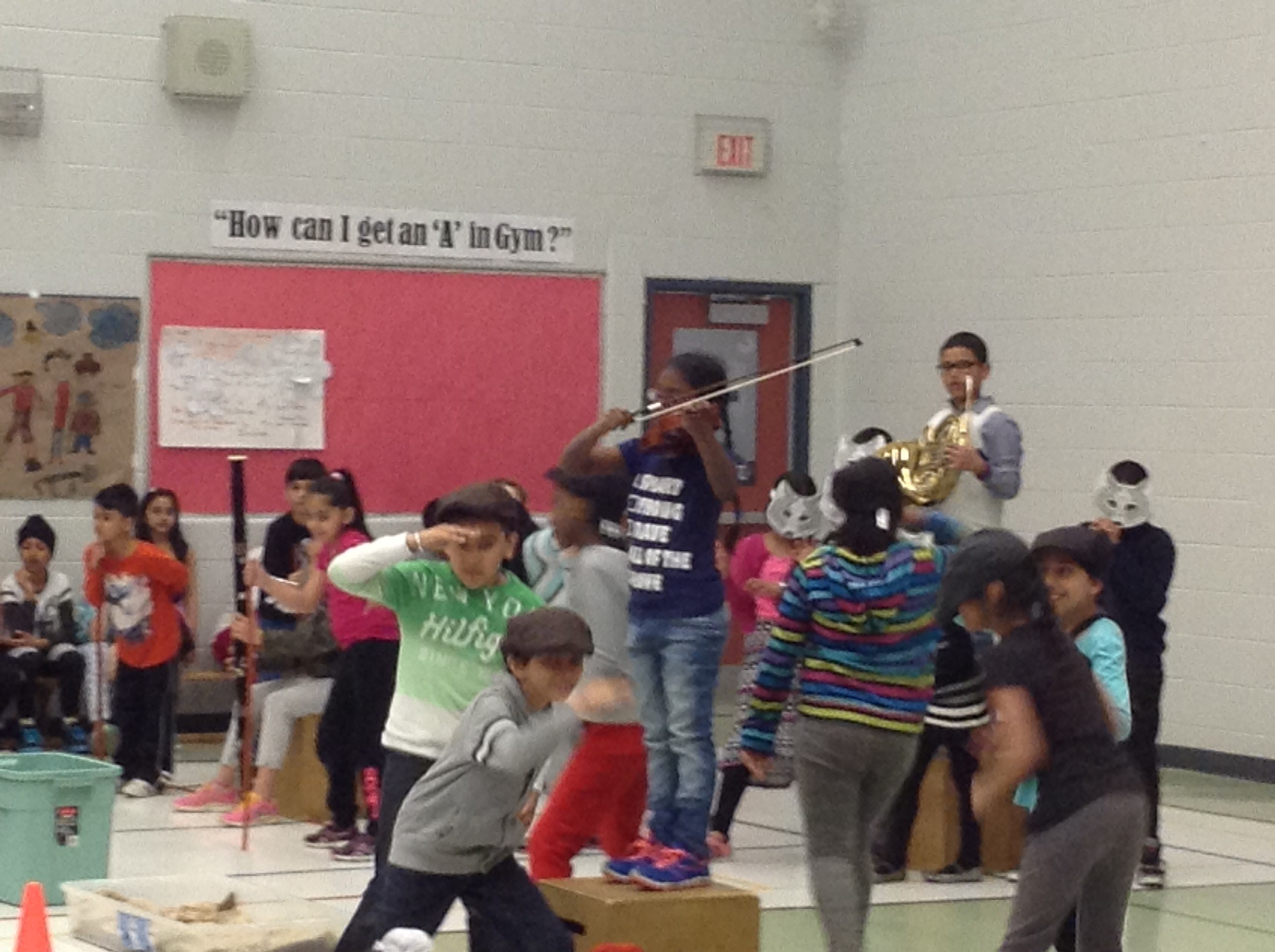
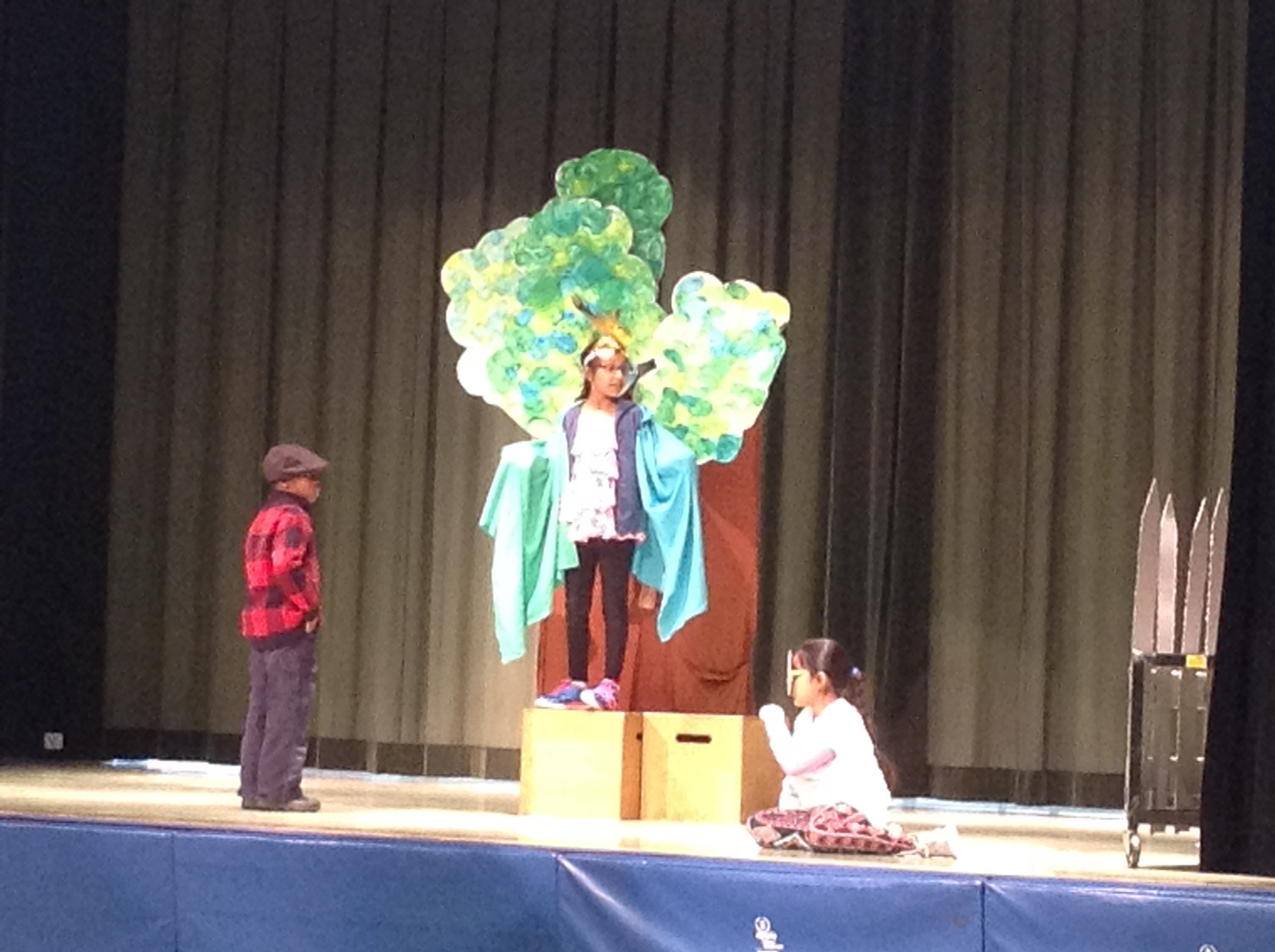
We finished up our presentation today with an excerpt from Peter and The Wolf.  The students acted out a part of the story and showed the instruments that are used in the story.

IMG_0495IMG_0503

I hope you had a great Music Monday! It is a great way to bring community and school together to focus on the importance of Music Education. Music programs are vital to creating vibrant, creative and successful communities.

My Experience With a Lesson Study

Last month, my Principal put out a call to the staff at my school: if anyone was interested in participating in a lesson study, she would make it happen. She had briefly filled us in on what a lesson study was at staff meetings, so this was not out of the blue. After debating for a few days, I submitted my name.

A lesson study, for those who aren’t familiar with the term, is a collaborative exercise in professional development and reflective practice. The team creates a lesson together, one teacher delivers the lesson while the others observe the students being taught, and afterward the team discusses their observations. The idea, at least in the case of my school, is to gain insight into how students engage in the lesson and which strategies yield the greatest results for our students. This allows us to reflect on our own practice and see where we can change some things to better help our students succeed.

The response at my school was great. We had enough teachers to run two separate lesson studies, one in Primary and one in Junior. I volunteered my class – a busy, but lovely, group of thirty Grade 4 students – to be taught by another teacher. We planned a lesson related to our School Learning Plan, an annual goal set each year to target our students’ areas of greatest need. Our lesson would teach students about word choice and words with “swagger” (also known as juicy words, to some). We spent half a day setting up the lesson, talking about the students, and deciding which strategies the teacher would focus on using in the classroom.

Two days later, I gave my students a little pep talk, explaining that there would be a teacher delivering a lesson to them while other teachers watched from the sidelines. They thought it was a little weird, but I’m a pretty weird teacher already, so they were ready to roll with it. When the lesson study team arrived, my students got a little weirded out; suddenly there were six adults in the room, including the Principal and their homeroom teacher, and they were clearly feeling like they were under a microscope.

As soon as their teacher – we’ll call her Ms. J – arrived, though, they forgot all about the rest of us. She walked in with spaghetti in her hair (an activation moment for them, as the poem she was reading to kick off the lesson was all about spaghetti) and they immediately needed to know what was happening. She jumped right into the lesson, keeping my students’ attention the entire time. I still don’t know how she did it, but I’m so glad she volunteered to teach the lesson.

While Ms. J was teaching, the rest of us on the team were watching the students, not her. We kept notes on what we noticed – who was fidgeting, who was responding to the strategies Ms. J was using, how the students interpreted the questions being asked, how they interacted with the teacher and each other during the lesson. While the students worked in small groups later in the lesson, we flitted about the room eavesdropping on their conversations, listening to how they interacted with one another. It’s rare that I get to see my students being taught by another teacher, so this opportunity to really focus on them was great.

After the lesson, we had a few hours to chat with each other about our observations. It was interesting to see how we all took notes on very different things, but the take-away from our observations was always the same. That conversation after the teaching was finished was arguably the most beneficial PD that I have had in years. The conclusions we came to, which I’ll mention soon, have had a significant impact on my teaching since participating in this exercise – because we saw just how well the students engaged with and understood the lesson.

So what did we learn?

Our biggest take-away was the idea of intentionality. Everything the teacher did in that lesson was intentional, from walking in with spaghetti in her hair, to the poems we chose for group work, to how we built the groups. We had discussed the class beforehand, so she knew which students might have difficulty focusing and she was able to work things into her lesson to grab and keep their attention. Because of the work we put in during the planning phase, there was no wasted time in-class. Everything in the lesson was there for a reason. Being that well-prepared for the lesson meant that during the teaching part, Ms. J was able to adapt on the fly while still sticking to the learning goal.

Another thing we felt was really beneficial was having the learning goal stated explicitly for students at the outset of the lesson. During the lesson, Ms. J would frequently refer back to the stated learning goal any time it seemed like students were drifting off-course. When it came time for them to work in groups, every group knew exactly what to do because they were so in-tune with their goal.

The last thing I want to mention is the idea of letting students engage in the lesson without “judgment”. In order to explain what I mean, I have to give a brief example of what happened in the classroom.

The class had read a poem together as a shared reading exercise. Ms. J then asked them to work with their neighbour and highlight four words in the poem which really stood out – words with “swagger” – and explain why they chose those words. She asked students to come up and highlight the words they had chosen directly on the poem. The first pair of students went fine; they circled a few words, explained their thinking, and returned to their seats. The second pair of students, however, started underlining entire lines of the poem. Ms. J looked for just one brief moment like she was going to stop them, but ultimately she let them finish without comment. In the end, this pair of students underlined four full lines of text, explaining that these four lines summed up the entire poem. As they explained their thinking, it became clear that for them, underlining four words wouldn’t really make the point they wanted to make. They needed all four lines, even though that wasn’t what they were asked to do.

If Ms. J had stopped them and insisted they choose only four words, their entire line of thought would have fallen apart. Instead, she let them do what they had to do without “judging” their response as wrong/a misinterpretation of the task. Because of that, these students were able to demonstrate their learning in a very clear, very comprehensive way. It was a really cool moment, and I suspect it doesn’t come across as well in text. You had to be there.


We learned a lot more than just those three things, of course. We still find ourselves talking about the experience weeks later, finding new things to get excited about and implement in our classrooms. If I get the chance to do another lesson study, I’ll jump on it – and I hope you will, too. It’s a great chance to collaborate with your colleagues and reflect on your practice.