
Celebrate Earth Day with joy and laughter about the natural world!
Here are two books that will make children laugh while they learn. I have had them in my possession for a few months now and I keep rereading and sharing them with different classes. Both books can integrate learning in language, science, and the arts. Content warning: both of these books use either the word poop or poo. When a silly word like this is in a book, I usually have a conversation with the class before reading. I do not tell them the exact word but do let them know that there is a silly word that we don’t usually use in class. This actually causes them to hone in and really focus on the story as they anticipate the silly word coming up. Once they hear the word and the initial roar of laughter happens, I remind them that we still find that word too silly for use in the classroom. Some words cause a lot of distraction, and this is one of them!
Both of these books can be used around Earth Day with the purpose of encouraging students’ curiosity about the creatures on planet Earth. When we help students realize that everywhere on Earth is a habitat for some creatures, they will be motivated to help with action projects. A favourite project is a community clean-up but there are other possibilities listed at EarthDay.org
10 Shocking Facts About Capybaras by Melanie Watt
Melanie Watt, Canadian award-winning author of both Chester and Scaredy Squirrel, is back with the adorable capybara as her main character. She lists off 10 truthful facts about capybaras but as she writes the tenth fact the capybara begins to interrupt. The critter is embarrassed about what she wants to tell the world. Similar to Chester and Scaredy Squirrel, the capybara speaks up for himself and makes us all laugh. What a wonderful author study topic! Melanie Watt’s books have a strong element of humour but they also demonstrate empathy and perseverance.
I would also use this book to:
* introduce a study on animal characteristics;
*examine point of view as the story switches from third to first person;
*use this example to have students create their own research about an animal;
*go beyond the story and learn about the capybara habitat;
*use this as an example for students to create cartoon style animal drawings;
*encourage critical thinking to decipher fact versus fiction;
*encourage acceptance;
*develop a love of reading, especially books that use humour to engage readers;
*begin an author study on Melanie Watt.
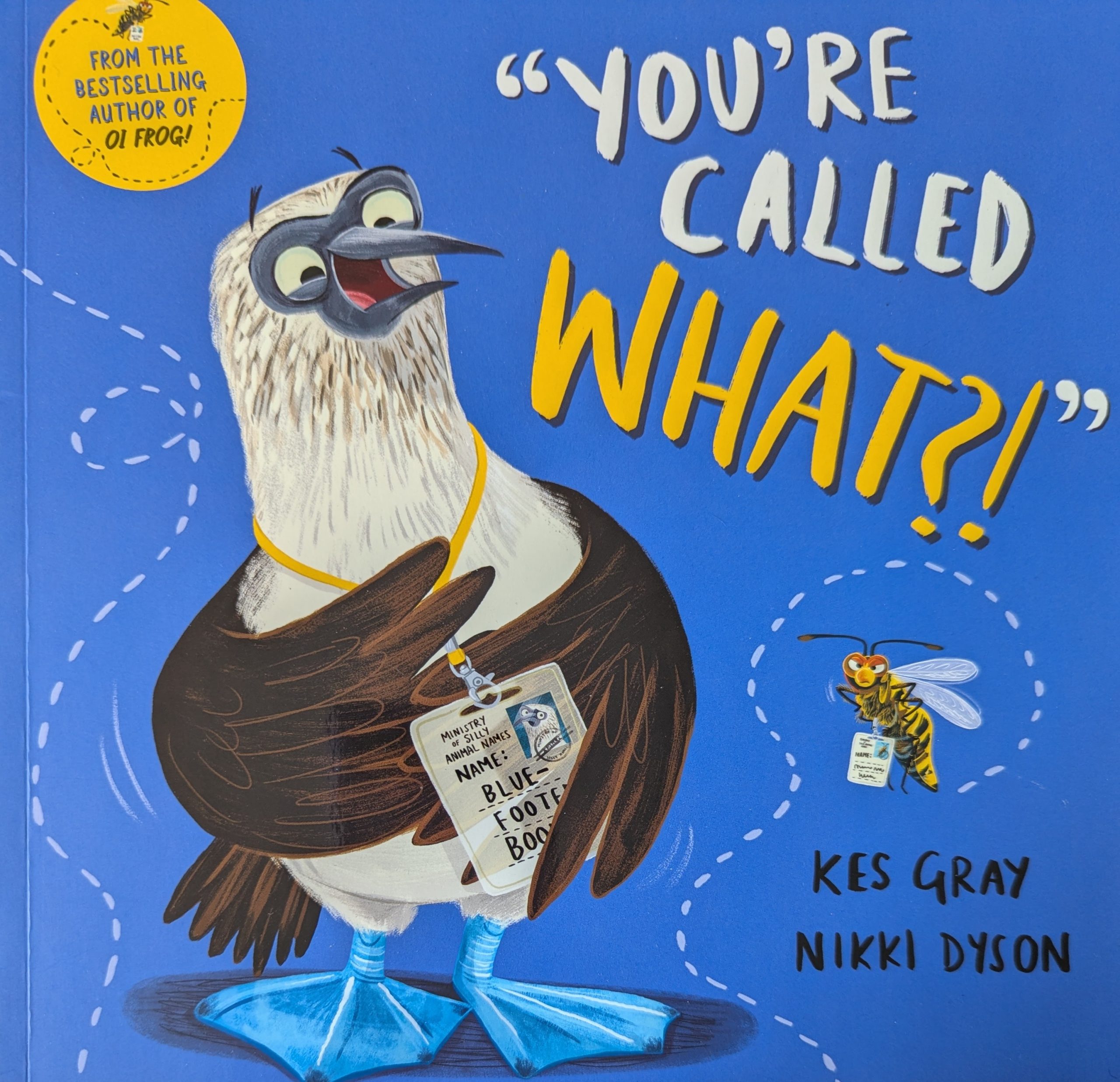
“You’re Called What?!” written by Kes Gray and illustrated by Nikki Dyson
This book can be an excellent follow-up to the capybara book because it offers 13 animals with silly names that will definitely grab your attention. Another content warning: this book uses the words snot and booby in the animal names. As I already mentioned, prepare the class for some silly words to come up in the story and them when they have a good chuckle you can remind them that we don’t want to have these words being overused in the classroom because it can be disruptive. When students stop laughing this book can be used to:
*continue a study on animal characteristics and the descriptive names they have;
*encourage students to find facts such as size, food, habitat, number of young;
*dramatize the story with students performing the roles of the animals;
*map the locations of the various animals around the world;
*write a fictional tale about the lives of these animals in first person “My Life as a ___”;
*draw a self-portrait and re-name themselves with a funny name;
*paint or draw one of the animals in the book;
*take students outside and have them create names for the natural things they see: birds, trees, smaller plants, waterways, or even rocks;
*discuss fact vs fiction in this book;
*develop a love of reading, especially books that use humour to engage readers;
*have a discussion or debate about changing animal names.
On April 22nd read these books and kick off some fun ways to learn about animals.
Happy Earth Day!
Brenda
