love(s)

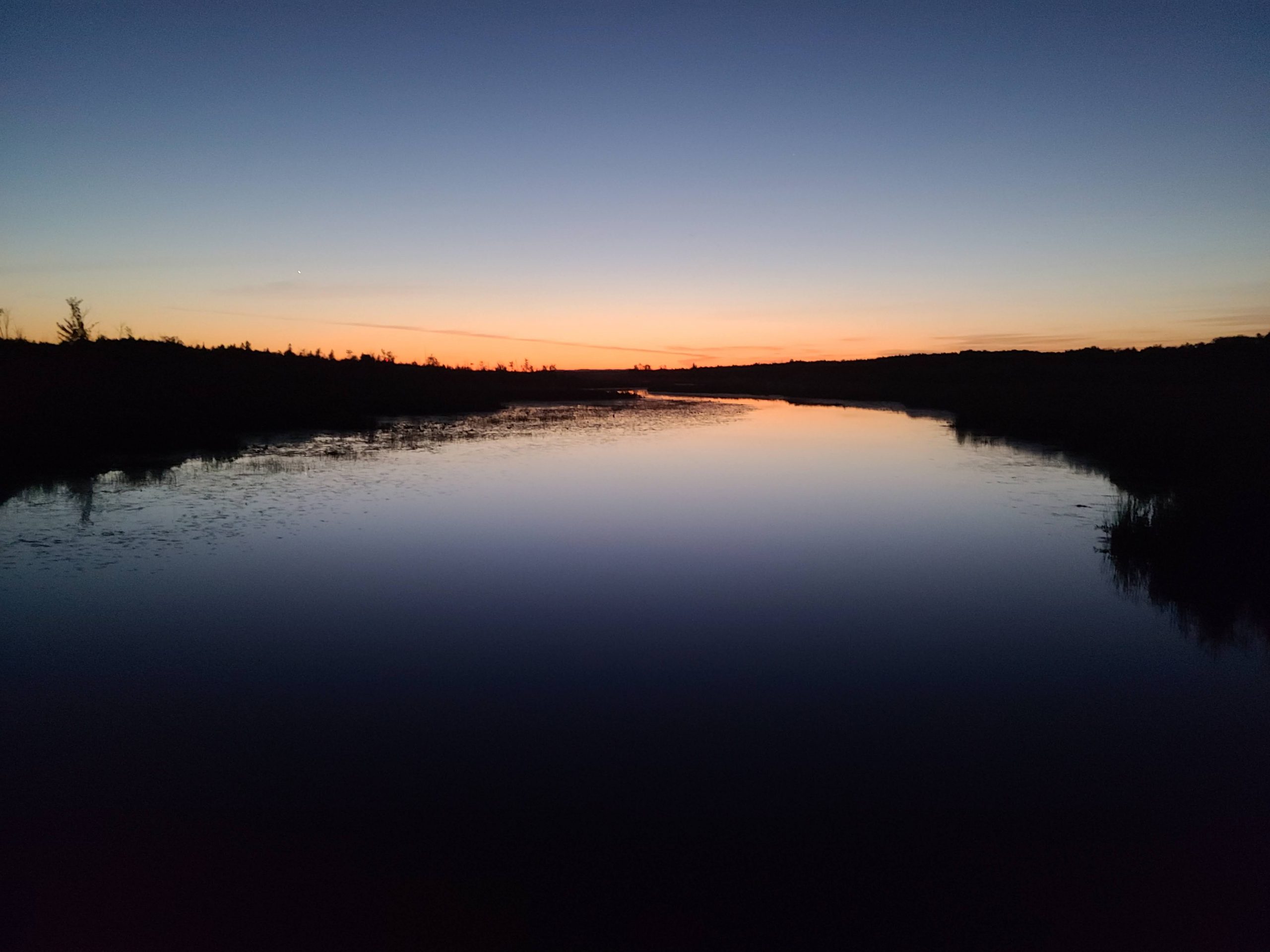
Image generated by DALL-E 2 with prompts from author

love…”what is it good for?”
love…”exciting and new.”
love…means nothing to a tennis player

L O V E is an often overused word

Keep reading if you used the word ‘love’ somewhere in a conversation today.
Here are some examples: “I love this song.” “Do you love this sweater?” “Wow, do I love this book.” “Bye mom. I love you.” I could go on because the very air around us abounds in love throughout the day at school, but so often it seems that we miss the opportunities to them all in, let alone enjoy them.

Where are you going here Gourley?

Last week the first talk from TED 2023 was shared by Angus Hervey (click link) and it serves as the inspiration for this post.* As you know I can dig into some uncomfortable spaces here and felt the need to spread a little sunshine after hearing the ideas worth spreading from this year’s TED.

It’s April, late April to be precise. Spring is somewhere in the air. I know because I felt it at the beginning of the month with a week of unseasonally warm days. I loved how some were complaining that it was too hot. I also loved not having to scrape frost off of my windshield or see remnants of blizzards past on my lawn as well. I even put away my super warm toque until next year. I loved seeing the first flowers poking through the brown matted grass. I love how nature keeps its own time. With a spring in my steps I have found it really easy to get up before the alarm clock as light and warmth pour into my room to start the day.

I love knowing that the we will keep getting closer to the sun for a couple more months. I love feeling the change of seasons and the decisions being made to remove layers of sweaters, winter boots, hats and gloves. I love the fresh and hearing the birds sharing their songs with me each morning. I love how having windows open allows for nature to visit the classroom. I love how learning spaces can be expanded exponentially when more time outdoors is included. Math, Phys Ed, Social Studies, Science, and every other subject just got a lot more fresh.

I love how students get so excited to be taking the learning outdoors. I love how much planning goes into preparing for these memorable moments and the amount of faith it takes to pull them off with so many variables at throughout the day. I love how students can still be goofy at heart – staff too for that matter.

I love how this year has flown past without a single moment of hybrid teaching. I love how OT positions have been filled more frequently. I love how well schools run when there are no outside forces undermining and gaslighting the incredible work done each day on behalf of students, their families, and the community. I love that students know we are working hard for them.

I love being an educator.

* The actual talk has not been posted however the article above captures the goodness contained therein.

Let that be a lesson for everyone (Part 2)

I have always loved drama. And not just the flashy productions that come to mind when we think of school theatre — although those were fun too. No, I liked the smaller stuff.  

When I was a teenager, our drama classroom was tucked away in the basement of the school. In my opinion, though, it was the brightest spot in the building. If memory serves, we usually had about 15 or so students in our class. I think one year it got down to twelve — which as I write this seems an impossibly, wonderfully low number.  The room was carpeted, grey and worn from years of stocking feet running over it in fast-paced chase games, scene studies, and interpretive movement. The walls were painted black, and they faded to an inky void when the fluorescent school lights were switched off and theatre lights shone, illuminating our tiny performance space in little gold pools. Each day, we entered this open space, free of desks and chalkboards and every other thing usually found in classrooms. It was gloriously empty, waiting to be filled with creation.

We were a mixed bag of students, different backgrounds and friend groups. And yet through drama, a new community seemed to spring to life effortlessly.  Even teenage cool could not repress delighted squeals during fox-and-rabbit tag, could not stifle laughter at mishaps and happy accidents as we desperately tried to guide each other out of tangle games, could not shatter the silent connection that can happen during performance, when a classmate conveys something new and beautiful in a bit of script or line of music, bringing it to life with body and voice. That was the good stuff. Essays and exams did not convey our insights and perspectives — movement, expression, and even simple tone of voice did.  And when so much else in our academic lives seemed grounded in sitting still and using comparatively few ways to communicate learning, the multimodal physicality of the drama room offered a freeing alternative.

But what I loved most about drama class was the way in which it allowed us to see one another, in ways I almost never did in other classes. There was something so immediate and personal about drama. Our ideas were alive in the performance space, communicated to one another in fundamentally human ways. It didn’t feel so much like sharing answers as sharing a part of ourselves.

I have often thought back to those classes in my own career as a teacher, and tried to create similar learning experiences for my students. Before my current role, I often used drama to teach elements of the Language curriculum — and one unit was particularly memorable. I used a simple picture book which contained, as so many of them do, rich themes and complex issues to engage readers of all ages. Specifically, this text featured themes of difference and environmental degradation. But when I considered asking the class to show what they had learned in our unit, I knew some of my students would not be able to fully express their thoughts if my tasks were pencil and paper-based: multilingual language learners in the early stages of English acquisition, students with learning disabilities, dyslexia, dysgraphia … there were a number of intelligent and insightful students whose contributions would be cut short or stopped altogether by verbal-linguistic barriers.

So instead, I had students explore the text through tableaux. For those new to drama, tableaux are images students create with their bodies, a series of still-frames that represent a particular scene or moment in a narrative, as if someone snapped a photograph of the characters in action. Tableaux can offer an interactive, multimodal, and accessible way to explore texts: it can be used to re-tell the sequence of a story, to highlight critical plot points, to express character motivation and feelings, to predict storyline, to illustrate possible solutions to problems presented in the story, and to make connections to similar issues in our world and lives. It’s just that instead of doing all of these curriculum-based tasks on paper, students use physical and emotional expression to communicate their thinking. 

One tableau my students created was particularly beautiful. There were about 6 students in the group, all with unique learning needs. As I watched the group plan, one student placed herself in the middle of the scene, sadness in her face as she gazed at the ruined land surrounding her, but making hope visible in her outstretched arms, still attempting persuade people to help her. Some students in the tableau were turned away defiantly; some were looking back, considering; others walking to join her, uncertainty but also bravery in their strides. The group’s creation encapsulated the character conflict in devastating stillness. 

All groups presented at the same time, one after the other, creating live fade-ins around the classroom. And in the three seconds it took this group to freeze in tableau, I knew instantly that the students had understood subtext, made emotional connections to characters, and accurately conveyed motivation. You could see it all in a heart beat.

As always, drama techniques such as tableaux are just one possible tool to engage all students and enable diverse learners to fully participate. It is one of many tasks and activities that allow multiple entry points. In my experience, tableaux is an exercise pretty much everyone in the class can do — and the learning is no less rich for it. In fact, sometimes, it is even more so.

In my previous blog I spoke about the joy of not being able to “find” multilingual language learners (and other diverse students) as we look across classrooms, because the tasks and learning spaces are designed for everyone to have an entry point, for everyone to have a voice and meaningfully participate. This drama activity is always one in which I am willing to wager, if someone walked in during the lesson, they would find themselves stymied by that most wonderful challenge.

Our Beloved Earth

O Earth!
A marvel of nature’s wonders.
A cradle of life, a treasure so rare,
Teeming with beauty beyond compare.

From verdant forests to deserts so dry,
Mountains majestic that reach the sky,
Rivers that meander in a graceful flow,
Oceans vast, where mysteries lay below.

Home to creatures, both great and small,
From soaring eagles to creatures that crawl,
From buzzing bees to the mighty blue whale,
Each part of a delicate, interconnected tale.

The seasons dance in perfect rhythm,
With nature’s cycles, a thrilling symphony.
A symphony of colours, a sensory delight,
Nature’s artwork a captivating sight.

Spring’s blossoms burst with vibrant hues,
Summer’s warmth brings adventure anew.
Autumn’s leaves paint a fiery scene,
Winter’s frost creates a wonderland as you’ve never seen.

O Earth!

So pure and true,
Threatened by our actions, it’s sadly true.
Pollution, deforestation, and climate change,
A legacy, so harsh, so strange.

Let’s heal the wounds we’ve caused thus far,
Embrace restorative ways and let them grow.
Reduce, reuse, recycle with care,
And show our Earth the love we swear.

For here is our only home in the vast expanse,
A treasure to treasure, a gift so divine,
To live in harmony with nature’s grace,
And ensure a sustainable, thriving place.


Photos by Iyanuoluwa Akinrinola

The Streets Belong to Us: Seeing One’s self in their Environment.


Teaching kids to see themselves in their environment is crucial for holistic development. Author, Karleen Pendleton-Jimenez takes readers on a journey of the importance of this (the environment, self-awareness, and community) in her book, ‘The Streets Belongs to Us.’

“I don’t recognize our street anymore. It’s turned into a big mess of piles of brown dirt and deep holes. It’s like a garden right before you plant the seeds. Everything is torn up and ready for new life to grow. It’s the summer of 1984 in Los Angeles. Twelve-year-old Alex Richardson-Salazar is a mixed-race, Mexican American tomboy who would rather wear her hair short and her older brother’s hand-me-downs. And Wolf is a troubled kid who’s been wearing the same soldier’s uniform since his mom died. But when the city’s digging machines tear up their street to build sidewalks, the best friends seize the opportunity to turn Muscatel Avenue into a muddy wonderland” (Pendleton-Jimenez, 2021).

Navigating difficult and exciting changes is essential to a child’s growth and development. These experiences help children develop important life skills, build resilience, and learn how to adapt to new situations. As educators, we have unique gifts, tools, and resources to guide and encourage students in this meaningful development.

When kids are able to see themselves in their environment, it helps them develop a sense of self-identity and self-awareness. They begin to understand who they are, what makes them unique, and how they fit into the world around them. This self-identity and self-awareness are fundamental aspects of healthy psychological development and can contribute to positive self-esteem and confidence.

How is this evident in this book? Encouraging kids to see themselves in their environment promotes cultural and social awareness. It helps them understand their culture, heritage, and background and appreciate and respect the diversity of cultures and communities around them. This can foster empathy, tolerance, and inclusivity and contribute to the development of socially responsible individuals who can thrive in a multicultural world.

By seeing themselves in their environment (being a part of their environment), kids can develop a connection and appreciation for the natural world. They can learn to value and respect nature, understand their role in protecting the environment, and develop a sense of environmental consciousness. This can foster a sense of stewardship towards the planet, leading to responsible environmental behaviours and actions.

When kids learn to see themselves in their environment, they develop critical thinking and problem-solving skills. They learn to observe, analyze, and interpret their surroundings, which promotes cognitive development and nurtures their ability to think critically and solve problems. This skill can benefit them in various aspects of life, from academics to personal and professional relationships.

Emotional and Mental Well-Being is developed richly and deeply rooted when children see themselves and can be themselves in their environment. It helps them develop a sense of belonging and connectedness, which is crucial for healthy emotional development. When kids feel like they belong in their environment, they are more likely to have positive emotional experiences, develop resilience, and have better mental health outcomes.

Teaching kids to see themselves in their environment is vital for their overall development, including self-identity, cultural and social awareness, environmental consciousness, critical thinking and problem-solving skills, and emotional and mental well-being. It nurtures their sense of self and connection with the world around them, preparing them to thrive as responsible and engaged individuals in their communities and beyond.

Karleen invites us as educators to explore what our classrooms and communities could sound like, look like, and feel like when we foster spaces for students to see (inquire) and to be seen (explore). Or, as she said in her own words, “Bursting with life and feeling, both the people and the land come alive… The Street Belongs to Us is a story of family, friendship, and unconditional acceptance, even when it breaks your heart.” (Pendleton-Jimenez, 2021).


References:

Pendleton-Jimenez, K. (2021). The Streets Belong to Us. Vancouver, BC: Arsenal Pulp Press.

The Beauty in the Tangles

As we head into the last few months of the school year, I am reflecting on how messy education can be. From staff changes throughout the year, families moving in (or out); holidays or assemblies interrupting the flow of a unit, I’m often feeling as though things are messy, and a little chaotic. 

I’m reminded of the fairy lights: 

I had this really long string of fairy lights at my trailer that I took down and brought home to repurpose. As careful as I was removing them and transporting them, they inevitably, quickly became a big tangled mess. As I turned them on to ensure they still worked, I contemplated throwing the tangled bunch into a vase or clear glass bowl. 

Tangled Beauty

But I could use a lesson in patience and untangling them certainly provided an opportunity for me to practice patience. So I set to work on them one Friday evening and over the course of five hours, these lights, once tangled, yet bright, were quite the opposite ~ untangled but dull. The pulling and hours of manipulating damaged the delicate wires and they no longer worked.  As I chuckled at the irony, I thought to myself, “I guess that’s the lesson here”. I saw the learning was maybe not in patience after all, but in the beauty of a tangled mess.

 Sometimes we are in a rush to get it all untangled and figured out or maybe we only see the chaos and messiness of the situations we are in – personally and professionally. I’m sharing this story because it serves as a reminder for me that sometimes I’m not where I want to be, maybe I feel a little tangled; and maybe you feel that way sometimes too. And it’s that’s ok. Learning to let some things untangle on their own or maybe just appreciate them as they are is ok too.  

As we head into the final two months of our school year, remember that everything won’t be untangled and neat in education or in life. I hope you see and appreciate the beauty in the tangles.

Let that be a lesson for everyone (Part 1)

There are countless reasons I love my job.  I get to work with teachers across our board, to collaborate and co-plan for multilingual language learners. I get to exchange ideas with them, diverse teachers in diverse classrooms, adding new knowledge and strategies to my pedagogical arsenal every day. But there is one thing I cherish more than anything else in my role …

The sight of it makes me gleefully giddy. 

The mere thought of it makes my spirits soar. 

And the memory of it puts a little spring in my step as I jaunt down the hall to the next classroom …

(It happens quite a lot in our schools, I’m happy to say.)

Are you ready? Set? Here it is: I absolutely, positively, and unreservedly love it when I walk into a classroom and can’t find any multilingual language learners. 

Let me explain.

It is not that I do not wish to see or welcome or teach MLLs — on the contrary! It is a joy and privilege unlike many others. What I mean is this: when I walk into a learning space where everyone has a way to access the lesson, where everyone is included in the learning, where there is a way for everyone to communicate and share their knowledge … well that’s just it, isn’t it? No one sticks out. Yes, I adore that moment when I knock on the door and enter, when I scan the room and see groups of busy students, or bustling conversations, or engaged expressions, or hands raised mid-lesson to offer ideas … and I see no one off to side or separate. No one relegated to an ESL workbook or learn-a-language app.  No one staring uncomprehendingly.  Instead, everyone is learning. Everyone is contributing. Everyone is a part of the classroom community. 

Happily and joyfully, from my vantage spot at the door, I just cannot seem to find any MLLs.

Of course I am being a little tongue-in-cheek here but the issue is a critical one. Multilingual language learners spend most (if not all) of their time in the mainstream classroom. This is where the bulk of English acquisition takes place. This is where curriculum is learned. This is where community is. So how do we create lessons and learning environments that are accessible and inclusive to all students? How do classroom teachers ensure that MLLs are valued, contributing members of the class? 

I have seen countless examples of this kind of inclusion over the years. Students writing proud autobiographies or sweeping tales, some in first language (L1), some in English, some in both; some with sentence starters and frames, some with assistive tech, some with pencil and paper. But everyone is writing their autobiography. Everyone is writing their fable.   I have seen skilled teachers’ whole-class lessons on everything from fractions to water conservation to community helpers … with every student in the class attending to and accessing the main points of the lesson. Some by listening to the teacher speak, some by attending to the visuals the teacher points to, some by using strategic translation, some by using a combination of many different strategies. But everyone is learning. Everyone is included in the lesson.

When I was just starting out as a classroom teacher, I remember being overwhelmed at the prospect of creating this type of environment for multilingual language learners in my class. Where do I start? How can I possibly make my lessons accessible and understood by all, especially the students who are just beginning to acquire English? One resource I wish I’d had back then is Carol Salva’s strategies for classroom teachers with MLLs in their class. It is a short list of key ways facilitate the teaching of English and curriculum simultaneously.  I have adapted this list a little bit to include first language and building schema, as well as a adding a few examples, but this is Salva’s list nearly verbatim:

  1. Activate / build prior knowledge before lessons (brainstorm with an L1 buddy, create a dual language dictionary of key terms, preview curriculum content in L1 before the lesson, participate in a real-life experience on the lesson topic, build schema from videos, etc).
  2. Chorally read something as a class every day (such as lesson goals, key vocabulary, sentence frames, etc). 
  3. Have visuals you strategically point to throughout the lesson. The walls should be your co-teacher. Multilingual language learners will have a chance to learn that vocabulary at the same time as you are teaching your lesson.
  4. Have kids verbalize to internalize content every day. Sentence starters and a chance to practice privately go a long way. This way, MLLs can participate and contribute ideas in group work with their peers and practice English.
  5. Have students write at least one academic sentence in English per day. Writing in first language is beneficial as well — it helps maintain first language and clarify thoughts and plans before writing them in English. 

As I read through the above, I am reminded that the strategies are good for everyone in the class, not just MLLs. Who does not benefit from choral reading and clarifying goals? From using sentence stems and starters to speak succinctly and clearly? From pointing to visuals during lessons for emphasis, interest, and attention? 

For multilingual language learners, and others, creating inclusive lessons is a matter of social justice. MLLs need to learn curriculum as soon as they enter school, and build English through their curriculum explorations and tasks. While Salva’s list is by no means exhaustive, it is useful as a starting point in creating the kind of learning environment that everyone can access, regardless of their level of English proficiency.

And while the search to create inclusive classrooms is a never-ending journey of reflection and action, it is the best kind of quest: to ensure that we teach in a way that all students learn, and that all students have a place in the learning community. 

Source cited:

Boosting Achievement by Carol Salva, 2017. 


Why Teacher Networking is So Important

Business is a concept that probably comes to mind more often than teaching when we think of networking. I remember being in grade 11 business administration class and hearing about it from a guest speaker who worked in finance: “networking is one of the most important things you can do in your career.” I understood that it broadly meant meeting the right people and making connections. Once you built that network, opportunities would magically appear.

What confused me was how. How do you even get into a room with people that can help you advance your career? What do you even say to build a relationship? Aren’t such relationships inauthentic?

As I entered my career in education, it occurred to me that networking might not even be relevant to my career choice. I got my first job as a supply teacher by submitting a resume and interviewing, and a permanent job through the same process. I figured, this is it! I’m done! No need to worry about networking!

I Was Wrong About Networking

Becoming a more experienced teacher helped me to realize how I wrong I was. In fact, the network that I ended up building throughout my career ended up becoming a critical part of my professional growth.

Networking isn’t just about finding people who will be “useful” or who have influence that can work in your favour. It’s also about locating expertise, building professional relationships, finding career mentors, and getting your own name out there. While being an educator would seem to be a fairly straightforward profession, there are actually lots of different career pathways you can choose, even within your own board.

Which brings us to the next question: how do build your network, especially as a new teacher?

The first and easiest way is to join events with other schools. Professional learning sessions, for example, are great ways to broaden your professional network. While it can be tempting to stay with the people you already know during a table activity, step out of your comfort zone and meet teachers from other schools. The same goes for social events at your ETFO local, or conferences. ETFO also hosts excellent professional learning sessions and conferences, where you can connect with teachers at other boards.

In my own experience, I have found that some of the best networking opportunities come from joining initiatives like writing teams or workshops. At one STEAM based workshop, I met another teacher in my board and we planned a joint event between classes at our school. It was exciting, and experience we could reference in job interviews and on our resumes.

Why Is Networking Important as a Teacher?

Over time, networking can lead to so many new experiences, opportunities and relationships. I love that I have colleagues that have moved to other positions in and outside the board, and that I can turn to them to ask questions about how they navigated their careers, what challenges they encountered, and the successes they found in new contexts. I enjoy the fact that I can find familiar faces and names at the events I go to.

Conversely, I also enjoy being part of other people’s networks. It makes me happy that I can share my own insights and experiences with others, and be a resource in areas that I have built capacity.

So the big takeaway here? Make time to network. You will see the results pay off in dividends throughout your career!

Arts-Based Learning: Part 2

In my previous article I mentioned that the use of arts in non-artistic disciplines are accessible and adaptable; thus can be used for different purposes and throughout the curriculum. Therefore, I will be providing you with three examples, each from different content areas and different grades/divisions which can also be used at different points in learning. I will also include some considerations when employing these methods. 


Example 1: 

Students use found and recycled materials and drawing materials to create 2-Dimensional and/or 3-Dimensional art pieces to demonstrate their understanding of 2-Dimensional shapes and 3-Dimensional solids. An activity such as this will yield vastly differing results while allowing students with varying levels of understanding to engage in the activity. By examining the art pieces produced teachers would gain insight into students’ understanding of two- and three-dimensional geometry. The use of vocabulary during discussions with students would provide teachers with further information about the entry points for students. 


Example 2: 

Students utilize various art materials such as paint, plaster, newspaper plastercine, glue, to create 3-Dimensional components of the solar system.  Exploring with and utilizing texture, colour, shape and size would allow students to demonstrate their knowledge of physical characteristics and differences between space objects. Perhaps an art gallery could conclude the unit allowing students to share their new knowledge and justifications for utilizing various materials.


Example 3:

Students will paint, draw or sketch an image of a significant historical event in Canada. In this final example, students would create their art piece throughout a unit of study. This would allow them to add details as they learn more about significant elements and people involved in the historical event. By fostering discussions throughout the creation of the art piece, teachers could gain insight into student understanding of significant people, events and developments in Canada and address misconceptions and/or omissions in student learning. 


When utilizing arts in non-artistic disciplines, it is important to focus on the learning and expression of their understanding rather than the outcome or the esthetics of the art product. Avoiding language that places judgement on the art (or artist) will create a sense of safety, fostering trust between educators and students. Remember to use open-ended questions to foster follow-up discussions. Here are some sample conversation starters for your consideration: 

Tell us about your art piece.

Tell us about the content area.

I noticed you used clay and sand, can you tell me why you chose those materials for this project?

How did your understanding change throughout the project?

How might you use this new knowledge in the future?


Of course there are unlimited ways of including arts in non-artistic disciplines, I hope these posts help you consider some of the ways you may include these methods in your own classroom and teaching practice. 

Arts-based Learning in Education: Part 1

Moving, creating, responding, expressing… not just for Arts classes. 

In this post I will be explaining the benefits of arts in education and why you should consider utilizing arts-based learning in your teaching across all content areas. 

Because arts-based methods and learning can be interpreted in different ways, I will begin by defining arts-based learning for the purpose of this article. In this post I refer to arts-based methods or learning when referring to the approach used in which students demonstrate their thinking using art (e.g., visual, music, movement). By demonstrating and expressing their thinking before, during and after a lesson or unit of study utilizing various forms of art, students are engaging in arts-based learning. This may include a drawing or painting, a sculpture, an expressive dance, or even a song. I’m also referring to the use of arts as a way to learn and share thinking with others. For clarity, arts-based learning is distinct from instruction and assessment of the Ontario Curriculum – The Arts. 

In our classrooms we can use arts-based methods as a means to motivate and engage students. Painting, drawing, sculpting, dancing, singing and any type of creative activity allows students to talk, listen, create and learn together. Let’s face it, after the primary grades, the academic pressures our students face increase and the time and space given for arts-based and creative activities lessens. We can make use of the playful and fun nature of arts-based activities to authentically engage learners. 

Because art can be a medium for bringing people together, the arts naturally create opportunities for community building within our classrooms. Additionally, specific arts-based activities can be utilized to capitalize on community building opportunities by encouraging and supporting students to work collaboratively on art pieces. 

Furthermore, utilizing the arts in non-artistic disciplines reduces barriers for diverse learners to engage with the curriculum. For example, English Language Learners may appreciate the opportunity to express their thoughts creatively through drawing, singing, movement, and other forms of art rather than through text based activities. Arts-based activities are also flexible in that students can experiment using various materials including free or low-cost, found and reuseable/recyclable, and natural materials such as rocks, sticks, or empty food containers. 

Finally, arts-based learning is inherently strengths-based focusing on what students can do. Students can express their understanding of complex concepts before, during and after units of study in unique and creative ways. This builds confidence amongst learners, especially those who typically struggle with other forms of expression. 

By understanding the benefits of utilizing arts-based approaches in the classroom, it is my hope that you will consider exploring this approach across various content areas. In my next article I will be providing some practical ways of doing so – Stay tuned!

Coping With Eco Anxiety Part 2: Taking Action and Advocating for the Future

With Earth Day, World Environment Day, and World Ocean Day approaching, your students will likely hear about complex and devastating ecological issues. In the second part of this blog on eco-anxiety, we look at how you can help students cope by taking action to solve local environmental problems and teaching advocacy skills. 

Go Outside and Take Action

Local environmental problems need leadership to be solved. You and your students can take steps to show your community how it’s done!

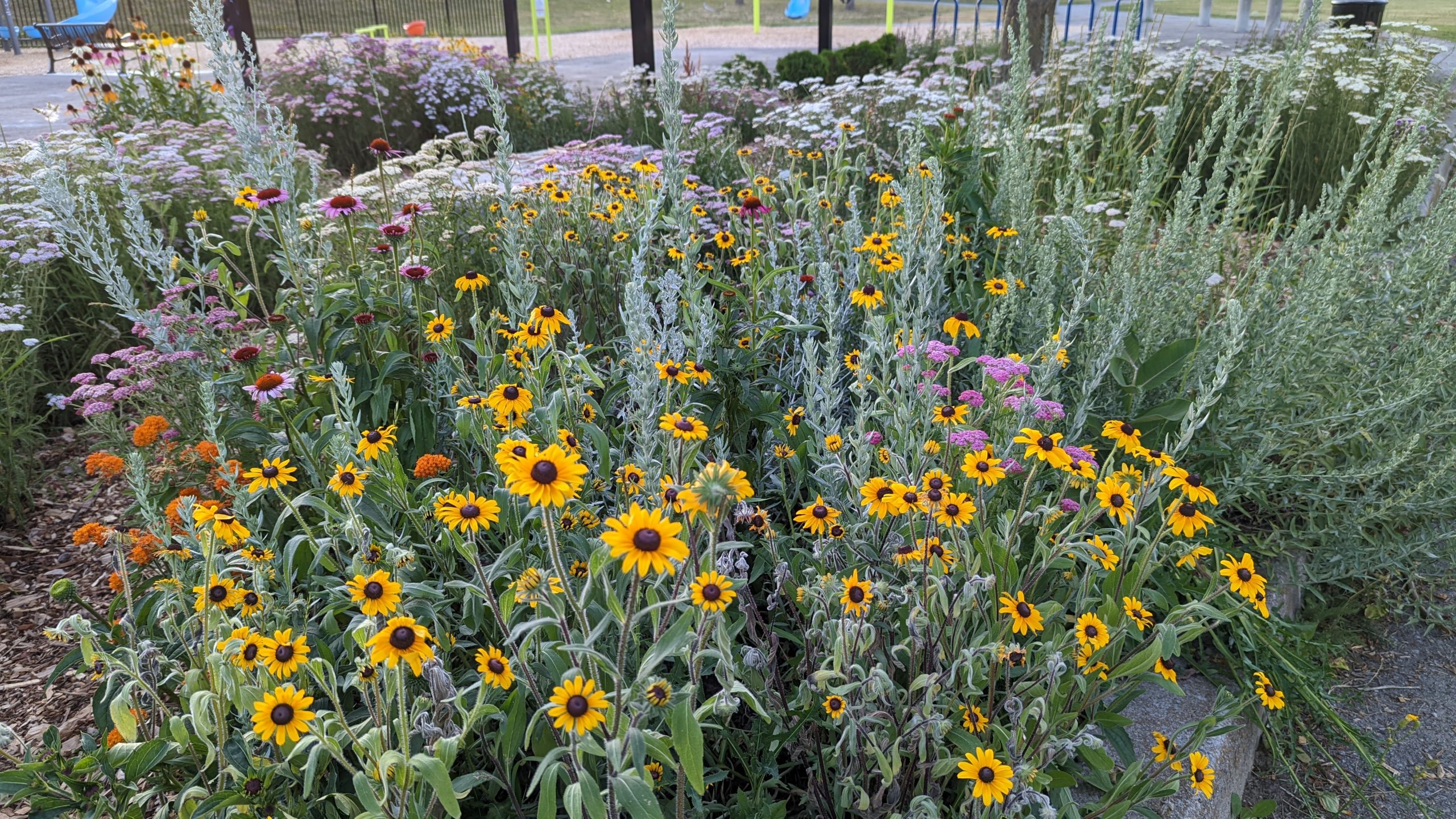
Partner with Local Indigenous Communities:  Your school board has an Indigenous Education Consultant who can help you connect with Indigenous speakers and organizations. As educators respond to the Truth and Reconciliation Calls to Action, it is important to build relationships with local Indigenous Peoples who can offer authentic teachings.  They can help you with projects like ours, pictured above, choosing plants that have significance for the schoolyard. Learn about Indigenous perspectives and teachings to improve our relationship with nature and the need for wise use of the planet’s gifts. 

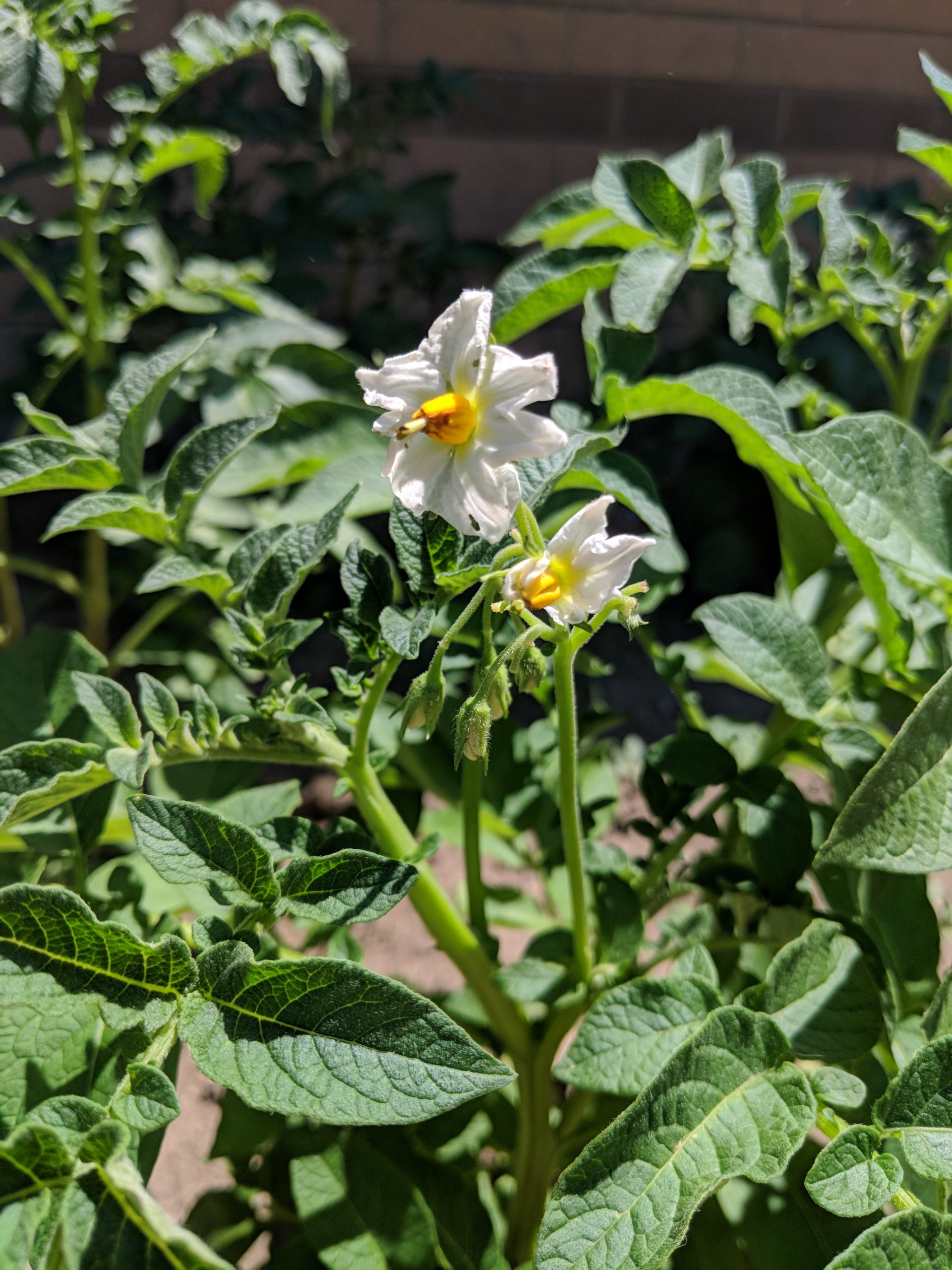
Grow Food:   I find potatoes the most straightforward food to grow in a schoolyard (pictured below). They require little attention; just loosen the soil, dig a hole, and plant a seed potato. You may add mulch or be prepared to pull a few weeds over the summer. Dig up your potato crop a few months later. This is a rewarding and delicious project!

Prevent Plastic Pollution: To stop plastic from ending up in waterways, I encourage you and your students to pick up litter around your school and recycle everything you can. 

Guerrilla Gardening: Plant wildflowers wherever you can. Pick plants that suit your area. We’ve had success with brown-eyed Susan, yarrow, and even trilliums. 

Raise and Release Butterflies: Painted Lady Caterpillars can be raised in spring, and monarchs in September. Release them near the wildflowers you planted. This project is not difficult and is very memorable for students. We rely on the generosity of the school council to support this project.

Learn about Advocacy and Do It

Students will be inspired by studying successful environmental advocates. Autumn Peltier is an excellent example, and she said these inspiring words:

“I feel like not only adults, but teachers and the education system have to empower [youth speaking up] and mentor that. Speaking up and using your voice is very important, something I feel like should be taught.” Source

Students will learn essential life skills like letter-writing, public speaking, and critical thinking when advocating for solutions to environmental issues.

Your school could challenge another school to work on a local environmental issue like composting lunch waste or a community litter clean-up. You could evaluate ecological problems in your school and advocate for better use of resources, energy saving, and walk-to-school campaigns.

Access Environmental Education Resources For example, the ETFO Climate Change Primer 

“As part of ETFO’s ongoing efforts towards equity and social justice, this new resource was developed to inform the membership about how the themes such as environmental racism, colonisation, and migration merge with climate change. This resource includes terminology, case studies, acknowledgement of change-makers, and resources for members to build their knowledge and understanding to inform their instructional practices. ETFO Members play an important and crucial role in raising awareness and creating learning environments for students that promote dialogue using a social justice and equity lens.”

Watch Canadian Films like the 5-minute animated short “What Rhymes with Toxic” by the National Film Board (grades 6 and up). The turtle in this film argues with a town council member who denies the health impacts of a chemical spill. Your students could write to your local or provincial government about environmental issues in your area.

Check out Ocean School. It is a free teaching resource with lesson plans to accompany videos. Included in this resource are Indigenous and scientific worldviews of ocean issues.

I hope you got some inspiration and will get your class outside for some environmental education this spring. Please let me know if you have other favourite resources for this topic, as I am always looking for ways to engage students in environmental education. Have fun learning outside and reducing eco-anxiety!