Although sometimes I would rather have a balanced-calendar school year, where summers were shortened and more frequent breaks are embedded throughout the academic year, the two months off that a 10-month school year calendar is still a welcomed experience. The structured close of what often is an intense year of teaching and learning, affords us the opportunity to touch the reset button, as it were, and engage in some meaningful reflection about how to continue the journey forward.
For me, this is one of the most difficult times of the year where my focus is consistently being challenged. Engaging in year-end activities (i.e. report writing, school celebrations, etc. ) while at the same time anticipating the year to come (i.e. new teaching-assignments, classroom moves, etc.) pulls my attention is so many directions that I find it hard to stay present and in the moment. My mind is constantly racing ahead as I would honestly rather engage in the year-end clean-up of my classroom as the thrill of reorganizing my “stuff” seems all too inviting. (Sidenote: teacher hoard WAY too many things…sigh…)
Reflecting on the year that was, however, is the best way to prepare for the year ahead. Intentionally thinking about the things that went well and the challenges that were grappled with can prepare you for a more focused year. The following is a framework for reflection that some colleagues and I have explored as we sought to address areas where we can improve in the work we do:
Revise: What were the things that didn’t work out the way it was intended to this year? Why was that so? How might you revise the experience so that it achieves the purpose and function that you had originally envisioned?
Refine: What went well this year that, with a few additional tweaks, could go even better the next time around? How might you refine your practice in ways that allows you to work smarter and not necessarily harder? What might be some efficiencies that you could employ that will allow your efforts to be stretched far and wide?
Reimagine: What possibilities might there be for aspects of your practice that you find stuck in your comfort zone? How might you embrace the spirit of innovation to reimagine possibilities that were once never an option? With the prevalence of technology and resources that support integrative thinking, what aspects of your practice might be opened to your imagination for radical shifts?
After engaging in thoughtful reflection the year forward can look so bright. With the natural starts and stops, we are compelled to be progressive as teachers. Here’s to closing the school year with a boom and beginning the new one with a bang.




![4gzuYzgeDK2uv1DA[1]](https://heartandart.ca/wp-content/uploads/2015/06/4gzuYzgeDK2uv1DA1.jpg)

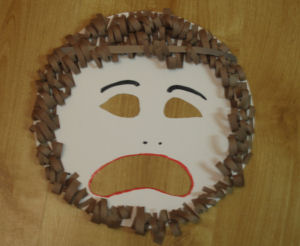 math around how many showings of the play we would need to do if we had room for 35 seats in the classroom. We talked about what it would be like if we charged money for the show, what would we use the money for, how much would we get if we charged $0.25 per seat, $1.50 per seat, etc. What if your ticket included popcorn, how much would it cost? We purchased popcorn, popped it and measured how many servings we could get out of it. Then we did the math on how many bags we would need and how much we would need to charge for it. They worked out the math on how long the show was, how much time would be required between showings to get organized again, and then looked at the school schedule to see how many showings they could fit in during the day. They wrote reviews of the play for the newspaper, they wrote ads to go on the announcements, they even filmed commercials! They made a program to hand out, worked out how many copies they would need, they did it all.
 that was very interested in restaurants. So we incorporated the social studies of food from around the world, and we turned out whole class into a restaurant that served dishes from different places around the world. Again, we did advertising, signage, lots of math around how much we would need of different supplies, etc.