Blog

Art in a Contained ASD class

This year as part of my teaching package, I was asked to teach art one period a week in a contained ASD class. Surprisingly, it has become one of my favourite periods of the week and something I look forward to. There are 6 students in the classroom with a variety of needs and challenges but we have somehow managed to create some really cute art during the first four months of school.

Let me be upfront and honest. I have very few artistic skills. Therefore, the thought of leading anyone in art was a little nerve racking. To combat this problem I relied on the knowledge of my student’s interests, Pintrest and amazingly supportive colleagues to come up with some fun projects.

Before we began every project, I showed them all the finished product and had step by step verbal instructions to complete the task. This highly structured environment enabled all of them to be successful and lowered stress levels for some of the students. art making (2)
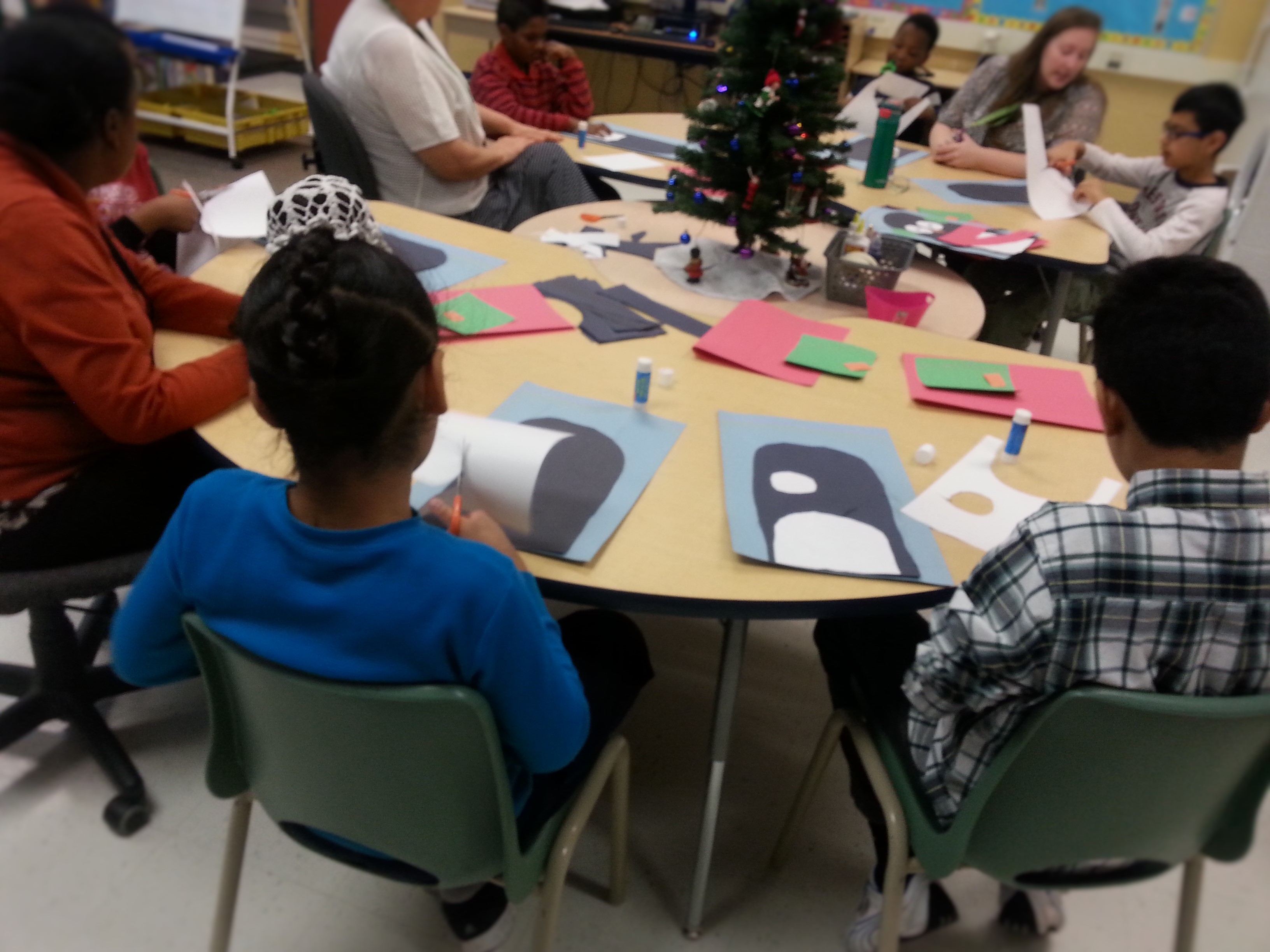
We all sat at the table together and the materials were placed in front of every students work station.


Some of the art we created was inspired by the students’ interests.

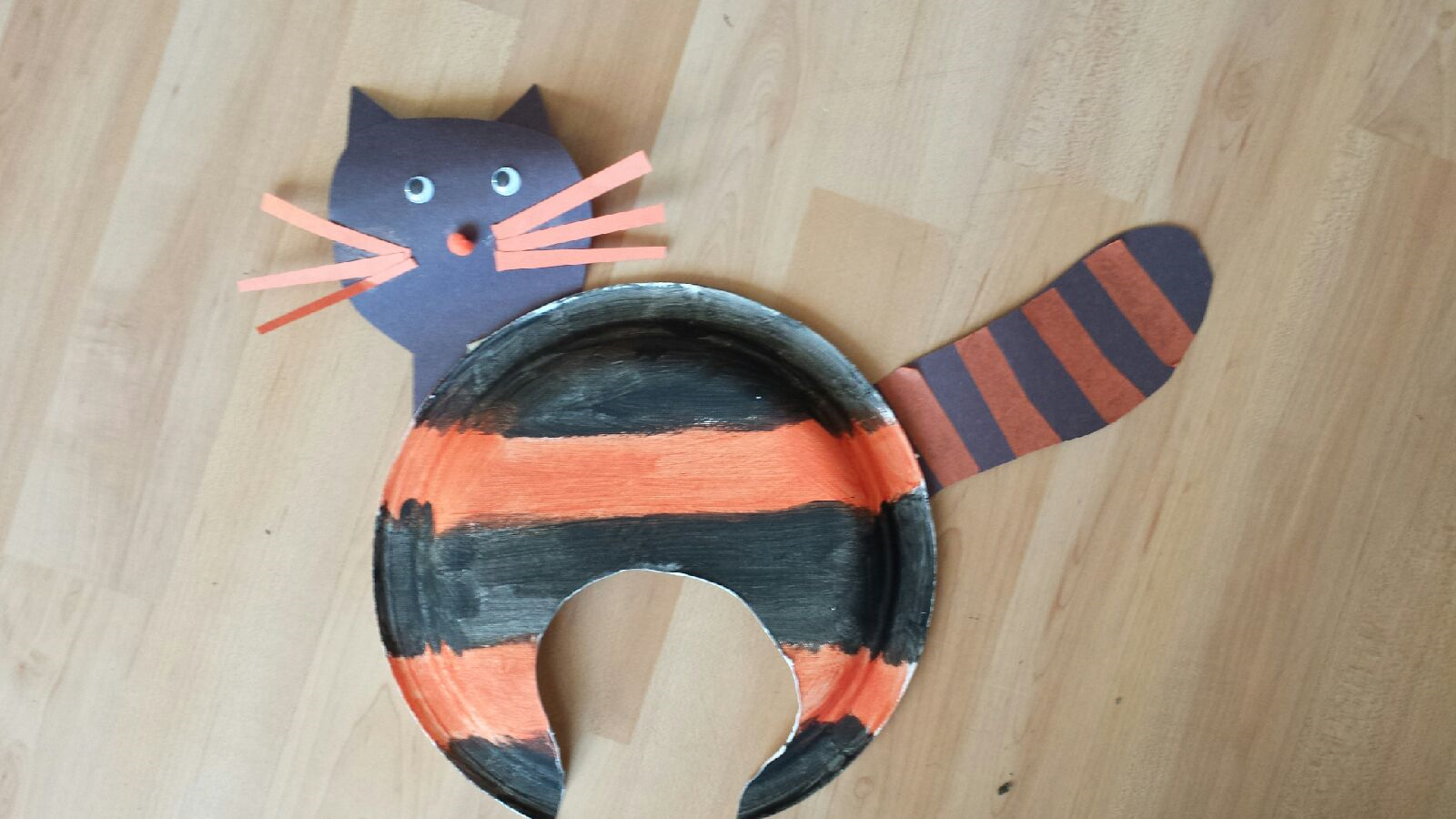
One of the students in the class loves animals. To inspire our art lesson,  I made a prezi about my cat Harley https://prezi.com/vquishjdeok3/my-cat-harley/. We then made our own Harley kittens out of paper plates, paint and construction paper.
cat art

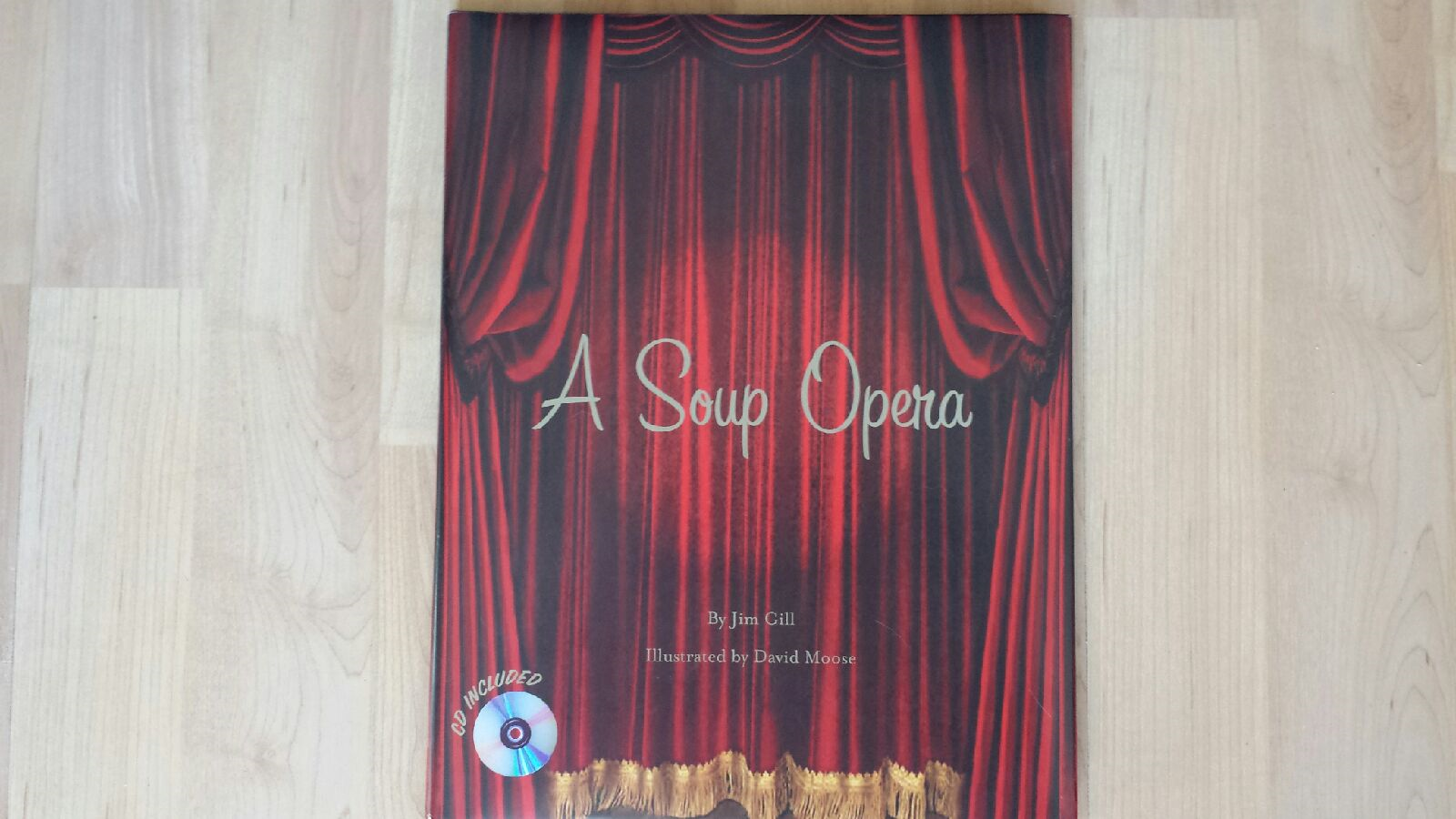
Another student in the class loved the book “A Soup Opera” that we read last year in music. I took one of the images from the book and we recreated it in another art lesson.
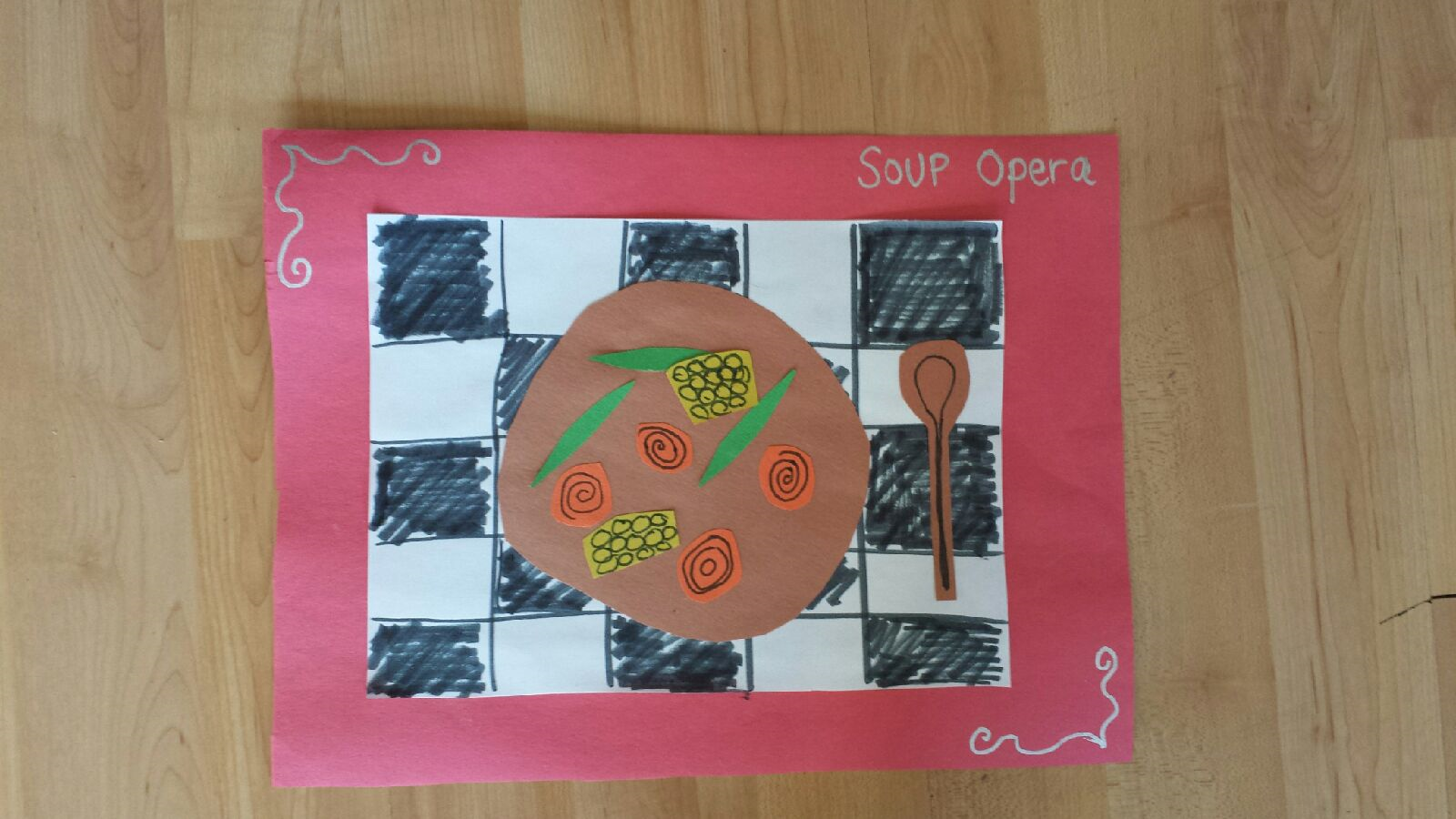
soup booksoup art


A song called “5 Little Pumpkins” was the inspiration for another art piece. After we learned the song, we made our own 5 little Pumpkins.
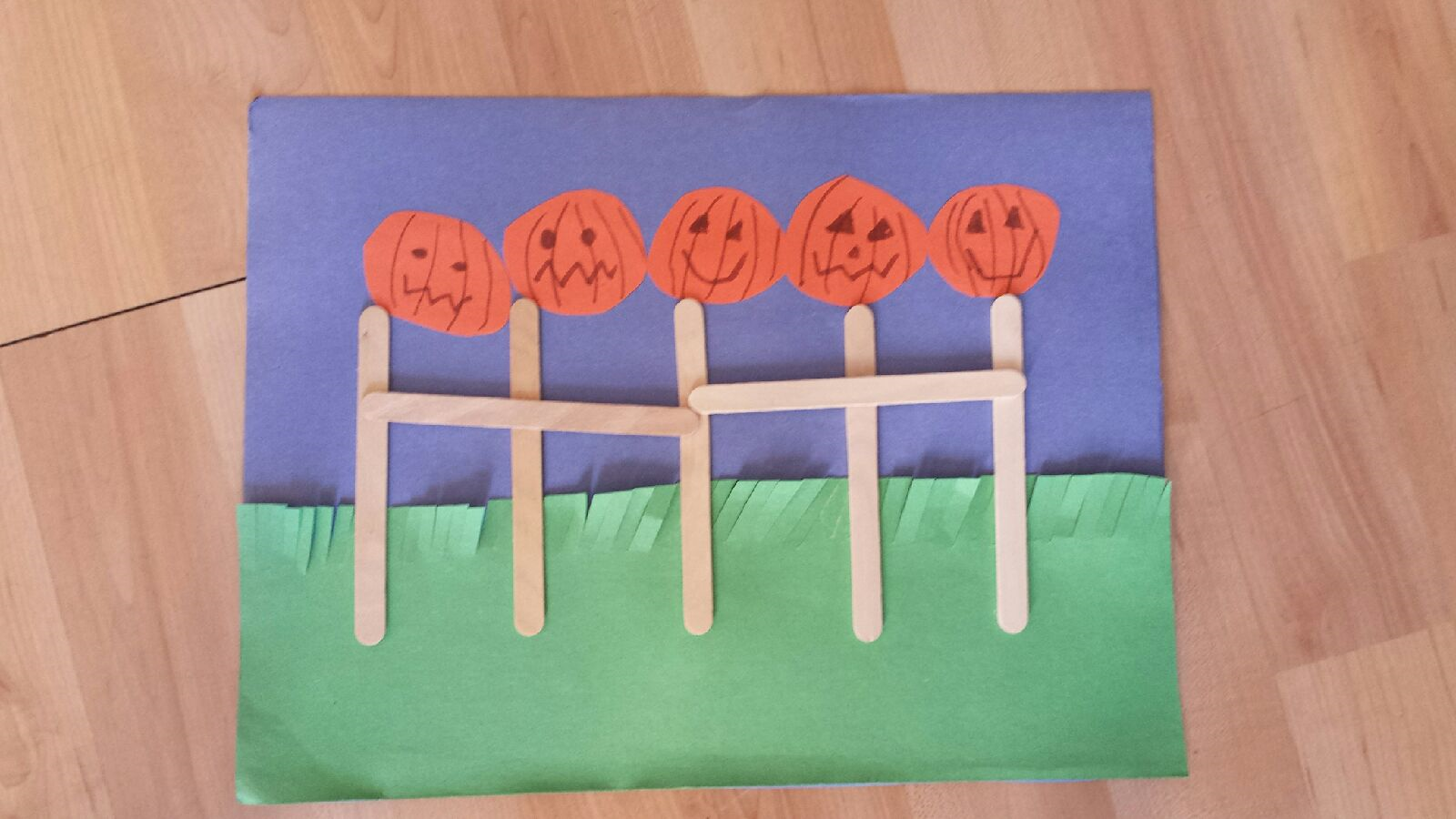
pumpkinart


A colleague of mine lent me a book with a variety of art activities in it. We made teeth puppets out of paper plates and gloves. We then created tooth brushes out of recorder cleaners and tissues and sang the song “You brush your teeth”
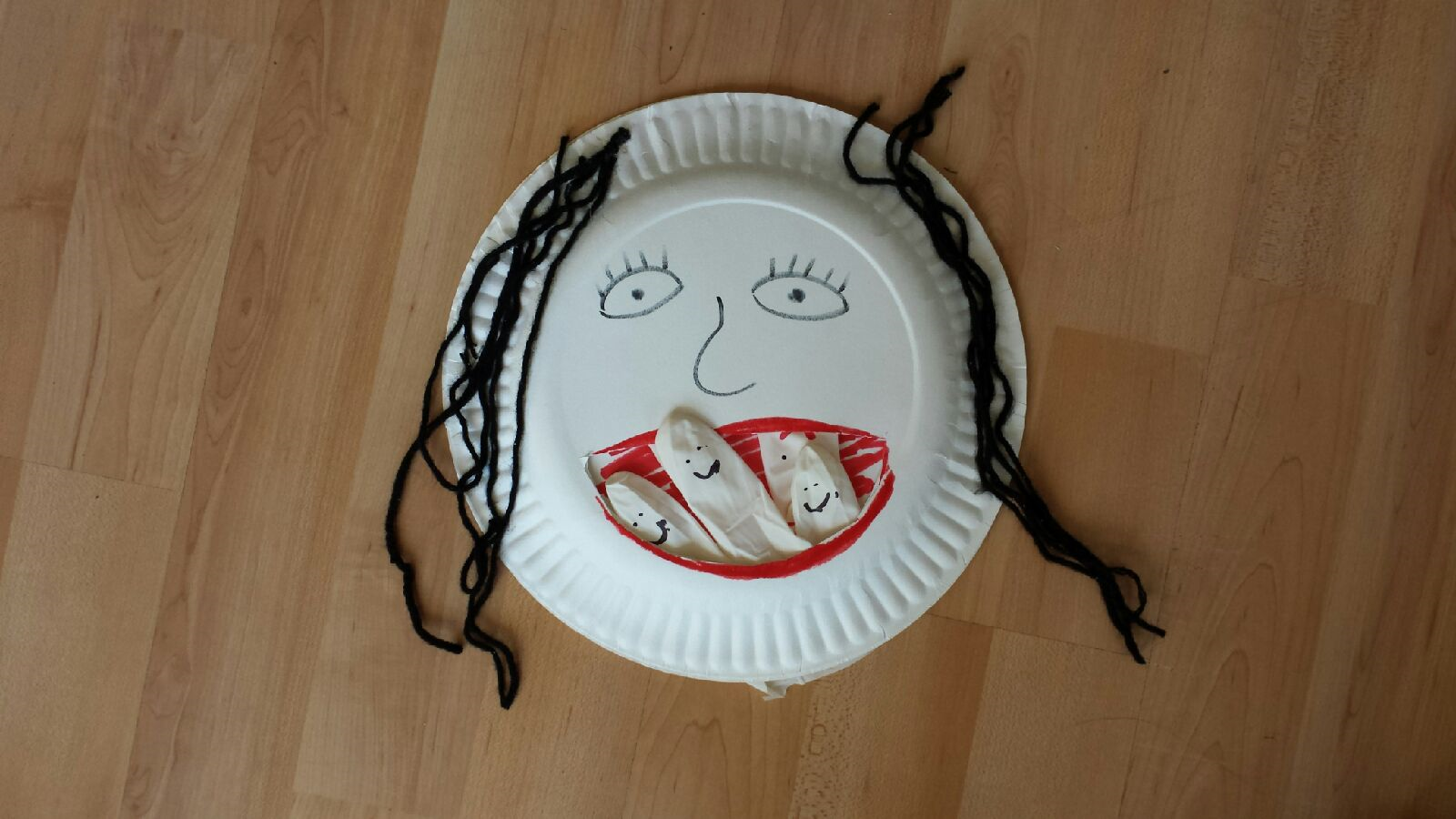
tooth art


Another helpful tool this term was Pintrest. I sure I am the last person in the teaching profession to find out about this great tool and the next two winter art pieces were inspired from art on Pintrest.
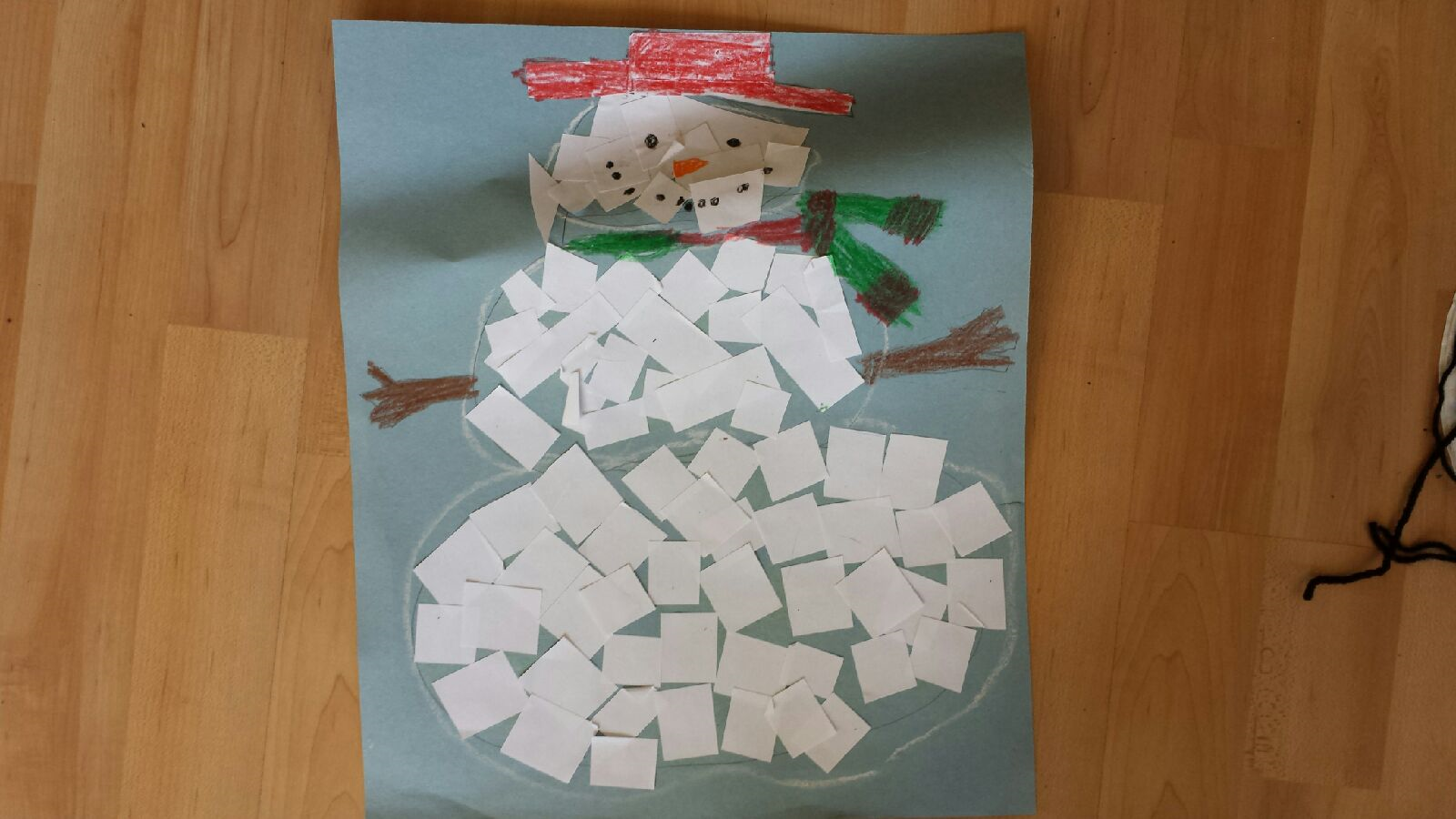
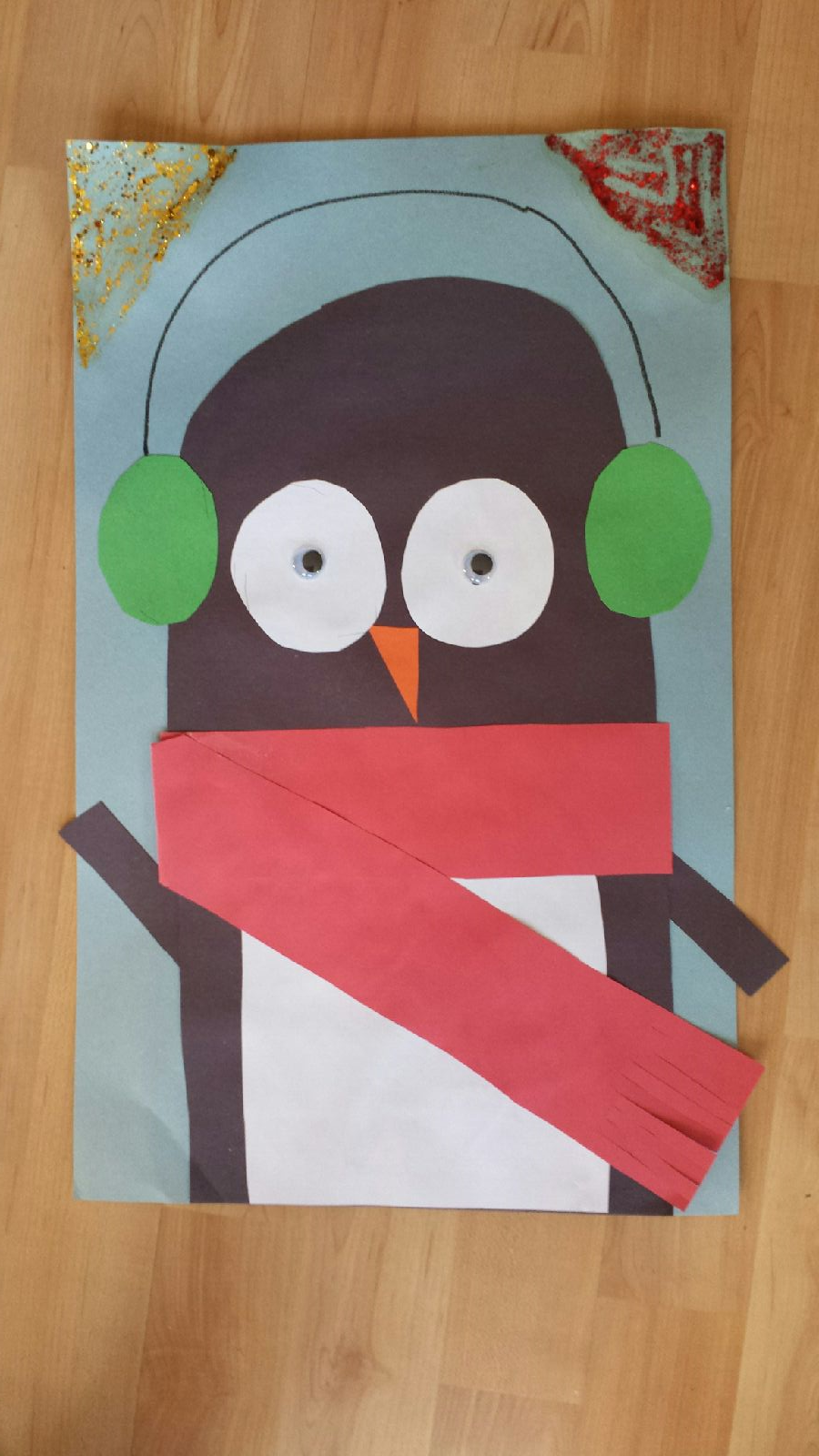
snowman art

penguin art


I have taught other contained classes the arts in the past and some further considerations to keep in mind before starting are:

  1. In some classes scissors could be very dangerous if not probably monitored.
  2. Oral fixations that result in consumption of glue, clay or art materials is a possibility for some students. Make sure to read the student’s IEP and speak with their classroom teacher before bringing these materials
  3. Knowing your students’ triggers are important. I had a student in the past where holding a pencil caused them a lot of anxiety so I planned accordingly.
  4. Have a very clear plan about the pairing of student with staff to create the best scenario for success.
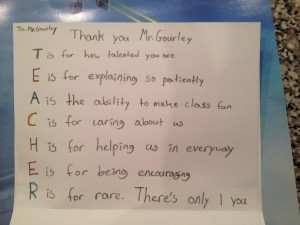


The gift

It’s Monday.
I should be in the classroom right?
Nope, not this week, or the next one either (insert thoughts of appreciation here).

It’s the Winter break and millions of students and teachers are waking up to the first of 10 vacation days. WooHOO! My internal clock did not get that message. Neither did my clock radio alarm as it went off at 5:55 am as always. So as the chorus of Pat Benatar’s Love is a Battlefield blared, I pressed snooze for the first time since September.
15 minutes later I’m up, dressed, and drinking the first of the day’s many coffees. That’s enough sleeping in for one day.

It has been a hectic 4 months in the classroom.
The months have flown by at the speed of learning(my term).
Not that it’s a bad thing, but frenetic might be an apt single word descriptor.
With reports going home late this year, ongoing committees, teams and extra-curricular activities in full swing to accompany day to day instruction my schedule is full. Needless to say, free time is in short supply.

As the Christmas/Winter Holidays approached, students started hinting about gifts, our school concert, and ideas for class parties. Soon we were discussing clothing and toy drives and plans for the break.

1. “Mr G., I noticed you drink a lot of coffee. Would you like coffee for Christmas?”
2. “Can I volunteer to be an ambassador for the school concert?”
3. “Mr G., here are some toys I brought in for our toy drive. Can I bake some cookies for the class?”
4. “I don’t have a gift for you. I’m sorry.”

Here are my answers in order;

1. Yes please and that’s very thoughtful of you to ask.
2. Yes, you’d be a great ambassador. Thank you for stepping up.
3. What a kind gesture. Some cookies would be awesome as long as they are peanut free.
4. You do not need to apologize or give me a gift. Coming to class, everyday, willing to learn has been the best gift a teacher could receive, and you have been giving it since September. I should be giving you a present.

On the last day before the break we tidied the class, stacked desks, and arranged chairs in a circle for a social activity. Cookies, candy canes, and cheer were shared – along with fun draw prizes for every student. I was blessed with a number of thoughtfully worded cards and generous gifts including coffee(I can quit anytime).

While were all sitting in our social circle I began reflecting more on the conversation with the student who said he had no gift to give.  As I shared with him then, his gift to me arrived everyday in his hard work and positive attitude. I realized he had offered me another amazing gift – a chance to encourage my class; to let all of the students know how their hard work and desire to learn were the best gifts a teacher could ever receive.  So before the bells rang and the best wishes wished that gift was shared with the class.

As I look back on the first four months it is clear to see that the holidays in our class started in September because we gathered, we shared, and gifts were given.

Christmas Card 2015Merry Christmas   Joyeux Noel
Happy Holidays   Season’s Greetings
Happy Gregorian Calendar New Year


Resolutions for the Year to Come

As elementary school teachers, we have the opportunity to celebrate the new year at least twice a year. The first happens in September with the start of a new school year and the second, in January, with the mark of the beginning of a new solar calendar year. As we approach the latter event, I take this moment to reflect on some of the things that I wish to continue to embrace as I move forward – some renewed new year’s resolutions of sorts.

1. Have fun. Don’t take yourself too seriously. Teaching is the best job on earth. Enjoy the opportunity to the fullest.

2. Make time to connect with your colleagues. Whether it be in the staff room at lunch or in the hall as you pass by, invests in professional relationships with your colleagues. You are on the same team and teamwork doesn’t simply happen by working in the same building.

3. Be okay with not knowing. In the spirit of inquiry, be willing to embrace the learning in the process as well as the learning at the end of it.

4. Focus on 1-2 professional learning goals at a time. There will always be new initiatives and ideas to grapple with. Be sure to feel comfortable with one new thing a year and you will not feel overwhelmed by trying to grapple with them all.

5. Enjoy recess duty. While ensuring the safety of your scholars, it is also a great opportunity to connect with them as well.

6. Know that things will get done. Every school night doesn’t have to be a late one.

7. Work smarter (not harder). You do not have to reinvent the wheel. Make effective use of the resources around you in order to accomplish what you are set out to do.

8. Be good to you. Find the time to engage in the things that (re)energize you.

9. Give yourself permission to not be the perfect teacher. The perfect teacher doesn’t exist. And if he/she did, who would want to walk around with all that pressure? Be the best version of yourself where you are at, while embracing opportunities to grow.

10. Be. Just be. Be grateful, loving, respectful, courageous…

Kindergarten at a Thousand Miles an Hour

As I slump in a chair at the end of a day teaching kindergarten, I remind myself that, although I feel overwhelmed at times and unsure at others, I am learning each day. I was placed in this position without having any previous training or experience as a kindergarten teacher. I remember feeling very intrigued at the time my principal and VP suggested the switch from grade 3. I could have refused but instead I accepted the challenge. Now I cannot imagine teaching anything else. I’ve been a teacher for over 25 years, but not a kindergarten teacher. Kindergarten is a whole new ball game. Did I mention that it is a fast game, too? It feels as if the school year has slammed into the Christmas holidays and will continue to gather speed in January.

 
After four months, I am beginning to feel a teensy weensy bit more confident with the planning and activities in the classroom. Although we share and co-plan, I like to ask my ECE counterparts for their opinions about something I have planned because they are the ones with the years of training and experience at this age level. I may have a general theoretical notion of how and what may work, combined with my personal experience as a mother of two boys, now grown up, but really, that does not amount to much compared to what the ECEs bring to the planning table and to the classroom. It takes a team that respects and effectively collaborates to make a kindergarten class run well, and I feel privileged to be part of such a team.

 
And the kinder classroom is so very different from the grade 3 classroom where movement and noise could regularly be brought to a minimum during a learning period. My English counterpart often uses the term, “Birthday party behaviour” to describe behaviour we seek to curb in the kindergarten classroom – the kind of free-for-all party atmosphere usually experienced at the end of a birthday party.

It is an apt description. All the more so since the set up for a well-run kinder classroom feels rather like hosting a birthday party as you plan and prepare enough activities to keep the attendees interested, focussed, and engaged, and you circulate to make sure everyone is happy. Imagine hosting a birthday party for 27 five year olds every day… no other grade quite fits that description.

 
As we gallop along, trying to tie up loose ends, follow through on planning, assessment, evaluation, meeting the curriculum, and contacting parents about behaviour, speech issues, and hearing problems, the only thing that remains constant is each young student – little beings who need to play and explore, and whose emotions are so immediate. They are going at their normal, five year old speed when they come to school each day and we are trying to keep up with them. No wonder I am exhausted at the end of the day.

The holiday assembly is this week. Help, I need an idea!

I got an e-mail last night from a friend of mine last which had the subject line “The holiday assembly is this week. Help, I need an idea!” As progress reports were just handed out in the last week or two, preparing for assemblies in December have been put on the back burner for many people. In case you need an idea for this coming week as well, below are some of the songs and features of our December assembly.

The goal of our December assembly is to promote community and have a great celebration before the break. Every student will be involved some way in the assembly either as a member of the whole group sing along or performing with their class.

I have been spending a small part of my music classes over the past couple of weeks getting the students ready for a sing along. Instead of Rudolph or Jingle Bells, I have decided to teach the students two new holiday songs both of which they are loving!! Both of the songs are from a resource produced by Music K-8 which can be downloaded from the internet. The resource is called “All Time Christmas Favorites“ and the two songs which have been very popular are “We Will Jingle” and “Have a Happy, Happy Holiday”. “We will Jingle” plays on the riff made famous by Queen and is going to sound just awesome when a gym load of students are all rocking out together next week! “Have a Happy, Happy Holiday” is a great song if you are trying to be sensitive to all cultural backgrounds and beliefs as it makes no references to any specific holiday. It is light and upbeat and energetic which is perfect for December.

Our holiday assembly is also going to include a great presentation by our Autism Spectrum Disorder Class. They have been practicing the song S A N T A. This song imitates the song B I N G O which removes a letter at a time and replaces them with a clap. Each student in the class is holding one of the letters in Santa and as the letter is replaced with the clap the sign that they are holding is placed on the ground in front of them. Of course, they have Santa hats to wear and believe it or not their therapy dog is going to make an appearance in the performance. Acer, the therapy dog, has a full Santa outfit that he has been waiting to show off.

Another easy to prepare idea is to have a Santa costume relay race. We have rounded up two Santa costumes and we will be inviting some teachers to the front to participate in the race. One teacher for each team will be at the front of the gym and each team will race to get their costume pieces on their person first! We will have each side of the gym cheering for the team on their side. You could easily have some members of your class lead this activity.

Is there anything simple and easy that you are doing with your students this week in an assembly?

Number Lines: A Game Changer in Math Class

This year, as in times past, planning my math program was filled with the usual excitement of clustering expectations and imagining ways in which I could creatively address the curriculum. Teaching a grade 3/4 combined grade for the first time, I was eager to be on top of my planning and ensure that I was creating parallel learning experiences by simultaneously addressing the curriculum expectations for both grades.

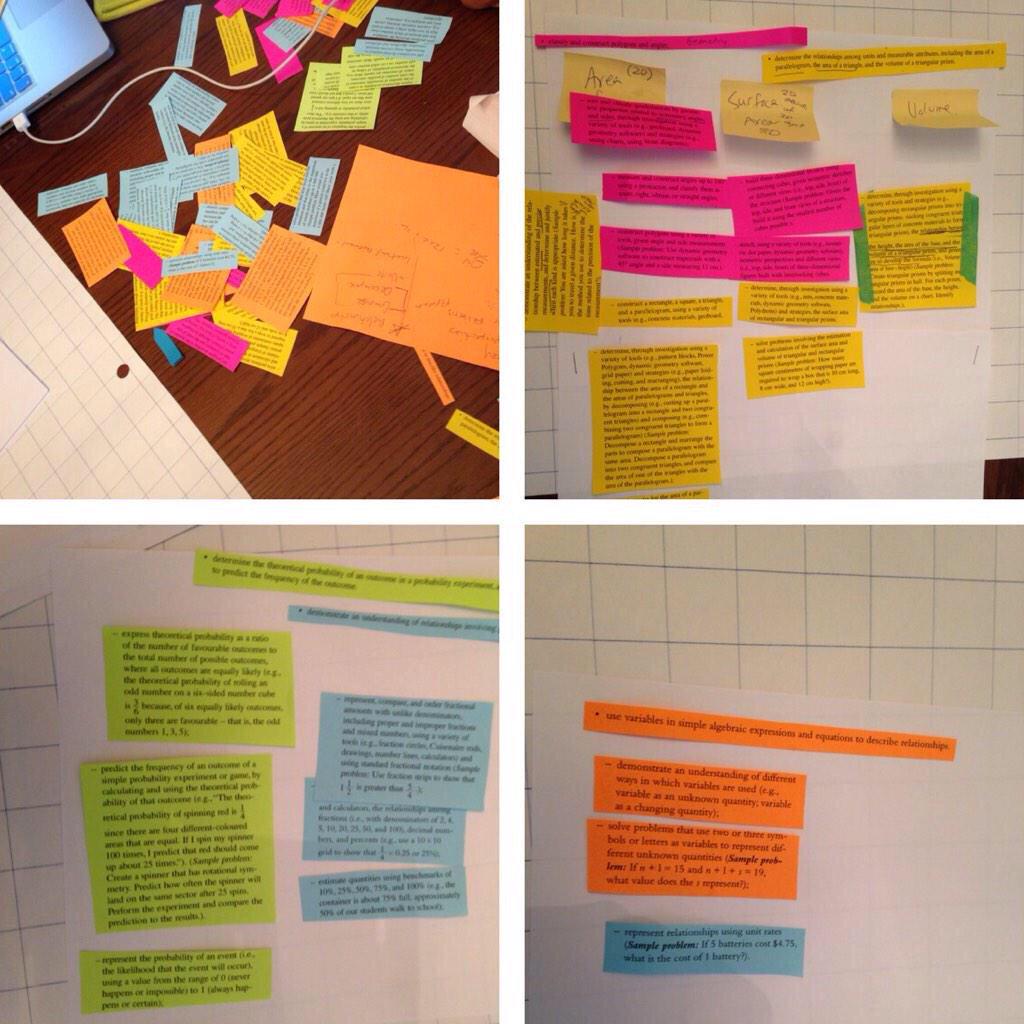
When planning the learning experiences, I colour code the strands, cut out each expectation and cluster them according to big ideas. This results in cross-strand learning experiences.

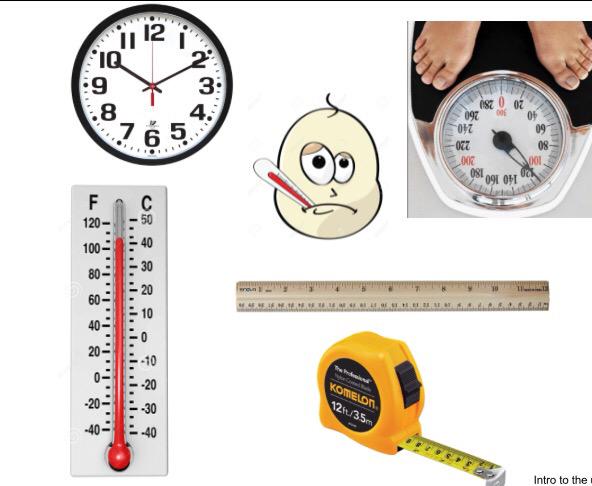
For my first series of learning experiences, I really wanted to invite my scholars to engage with number lines as a model that would help to make their thinking visible, but also as a tool for exploring many math concepts such as quantity and measurement. A number line is a line segment that can either be vertical or horizontal that represent a series of numbers that are marked at intervals. Re(introducing) number lines to my scholars early on in the year was important for me because I view number lines as an invaluable math model. Every day numbers lines are used to measure time – a clock; distance – a ruler; capacity – a measuring cup; temperature – a thermometer and mass – a scale. Number lines also allow students to model the strategies they use when adding and subtracting, as well as composing and decomposing numbers. Starting with the exploration of number lines proved to be an important first learning for my grade 3/4 math class.

Students were able to identify a variety of tools that have number lines embedded in their function.

Beginning the year this way was exciting but it was even more invigorating when I realized how many authentic, cross-strand connections that actually took place by centring the learning around investigating the use of a simple tool. The following are a few reflections from the journey:

1. Once the orientation of a number line was solidified, scholars were able to make connections between the number line drawn on the board with the number lines embedded in everyday objects.
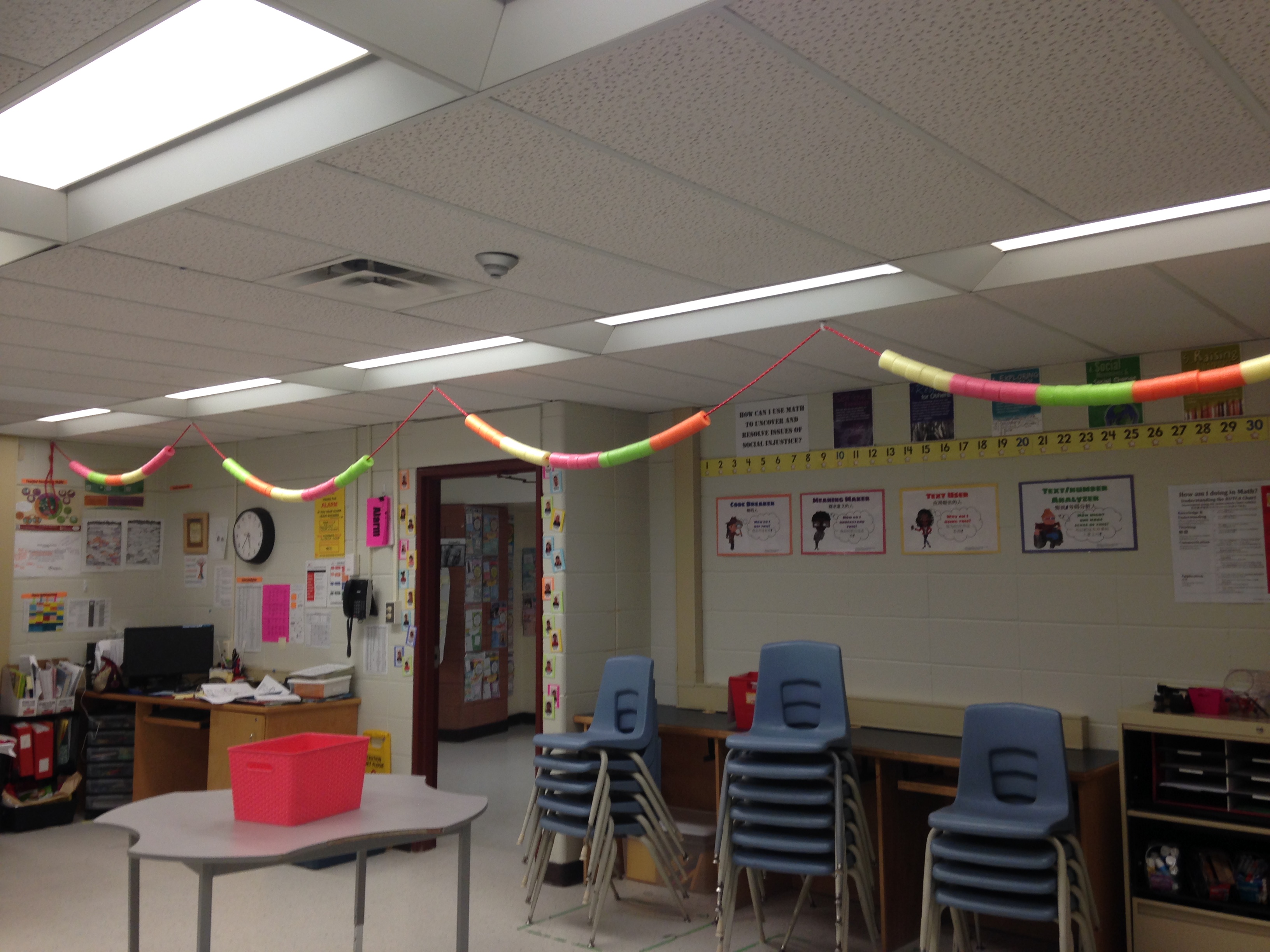
The most prominent feature in my class at the start of the school year were the quantity number lines hanging from my classroom ceiling. These were made by cutting pool noodles into two-inch disk and placing them on rope. One was counting by twos (two-coloured pool noodles) and grouped by twenties to hang on the ceiling. The other was counting by fives with alternating colours and grouped by 25s. Students were invited to inquire about the quantity of pool noodles, the groupings, the skip counting, etc. and this became the introduction to number lines for the year. Using the quantity number line along with an actual number line that marked the perimeter of the front of my class, we explored the nuances of number lines by describing their directionality of increasing and decreasing quantity. We also explore the ways in which intervals could be marked on an open number line so that users didn’t necessarily have to always count by ones, but skip counting was made possible by using appropriate quantity intervals. We then named all the number lines that were present in the classroom. They noticed the clock on the wall to be a circular number line and the “How Much are Your Growing” height chart as a vertical number line. Excitement bubbled as scholars scrutinized the number lines we named by the elements of number lines that we had previously defined. They were set and ready to continue their investigation of how number lines could truly enhance their learning experiences as young mathematicians.

File_000 File_001

Quantity number lines hanging from the ceiling of my classroom.

2. Counting on a number line allowed number patterns and relationships to jump out at scholars.
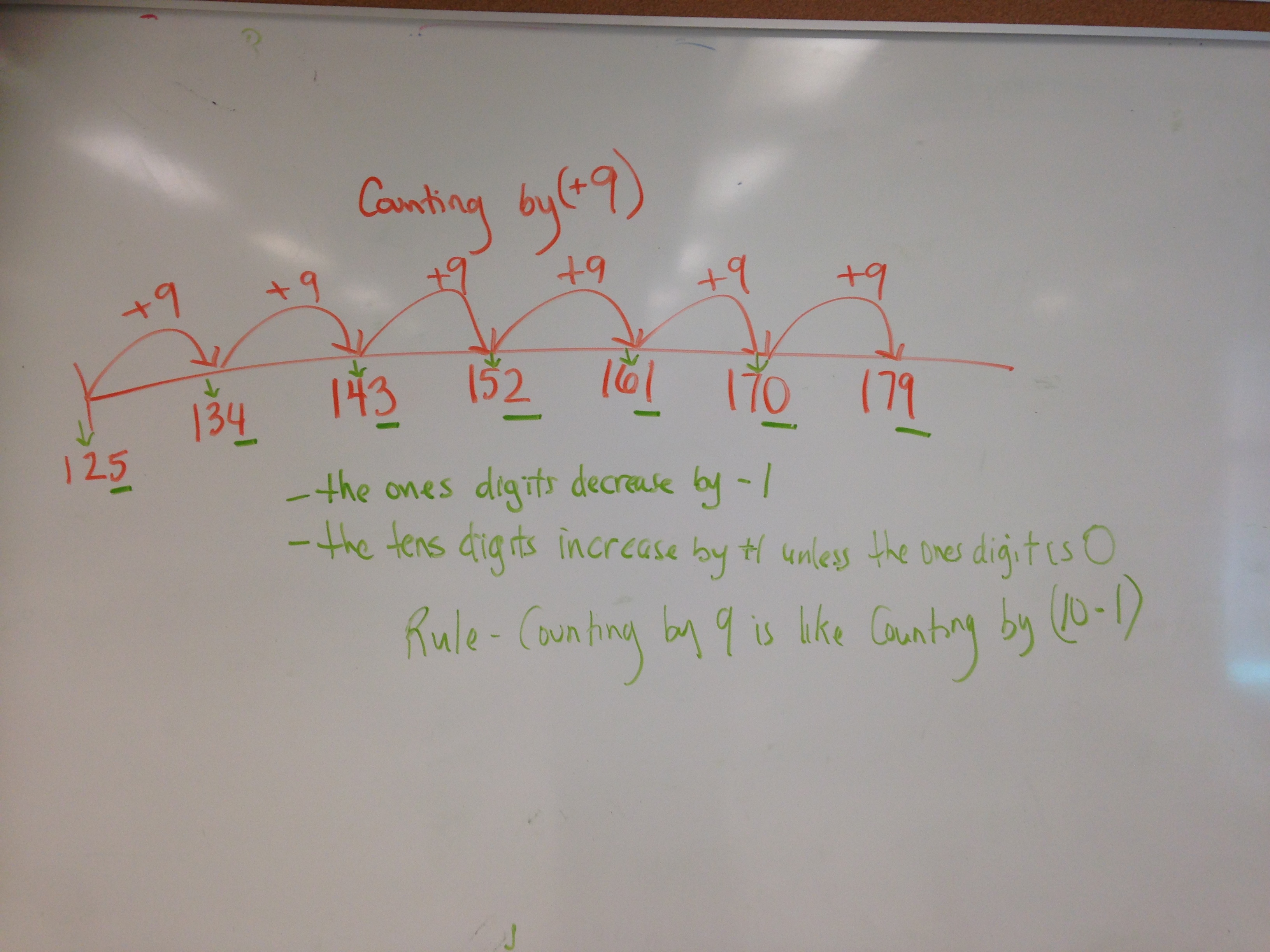
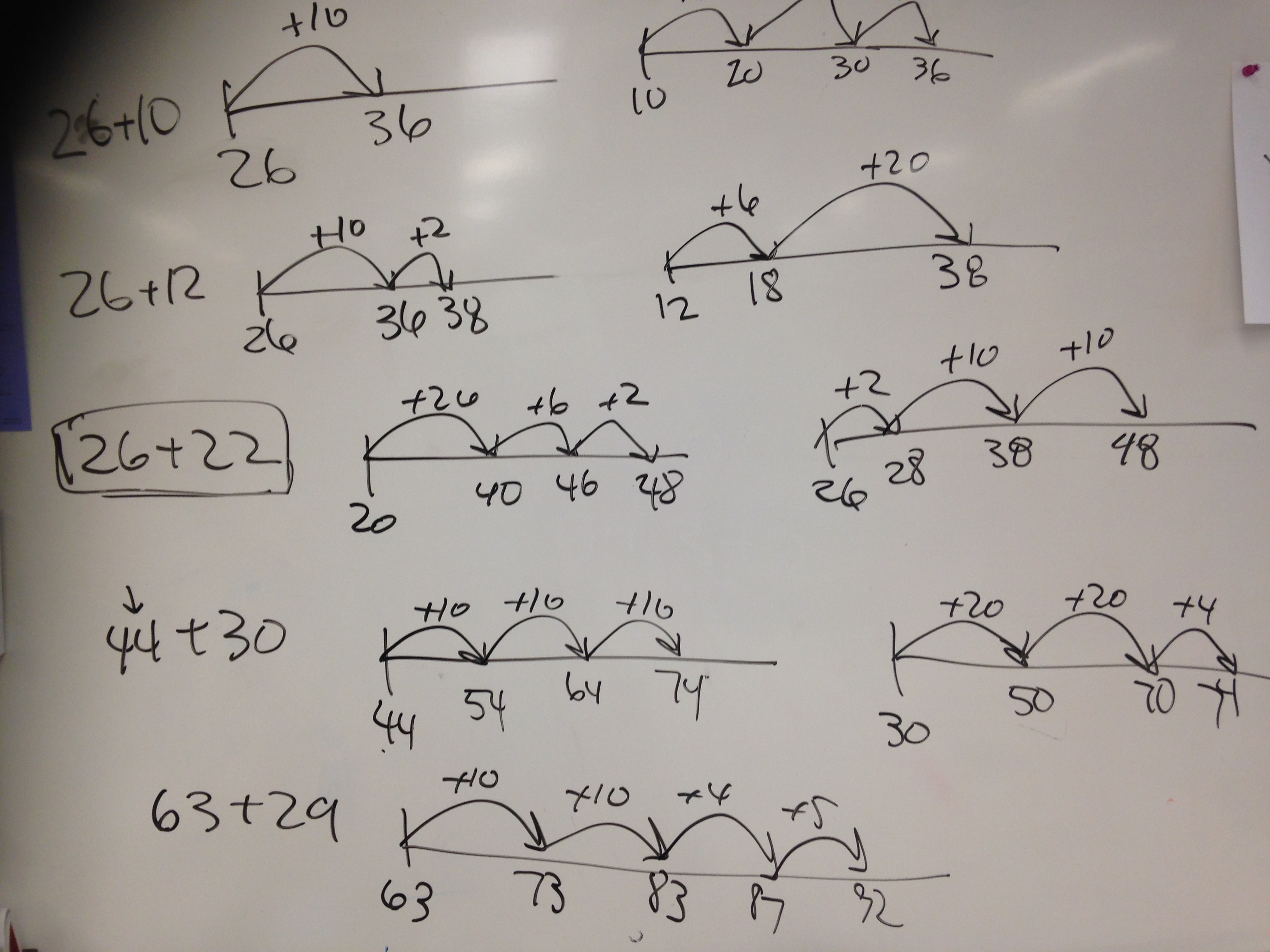
Once scholars were comfortable describing the orientation and use of number lines, we began exploring quantity by representing skip counting on an open number line. We counted forward by tens by modeling jumps of +10 on an open number line and then later by nines. Scholars were able to name the relationships between counting by tens and nines by creating expressions that named the pattern (i.e. 10-1). We then explored counting forward by 100s, 50s, 20, and 11 to explore the other number patterns and relationships. Once scholars we comfortable counting forwards, we then counted backwards. They noticed relationships around place value, odd, and even numbers, what happens when counting by numbers with specific digits, and the nuances of increasing and decreasing values. The grade 4 scholars were then invited to apply their understanding of skip counting by whole numbers and moved deeper into counting by fractional amounts and decimal numbers up to tenths. Students were taught to use the number line to keep track of their thinking by using it as a thinking tool and not a picture. Hence, numbers and jumps were added in sequence as the counting progressed and not merely by drawing the elements of the number line and labelling them afterwards.

File_000 (2)

Counting forward by 9 using a quantity number line. Student notice and described patterns.

3. Using number lines as a tool for measurement invited scholars to apply their understanding of number concepts.
Measuring mass using a triple balance scale, capacity with graduated cylinders and time with a clock were all the more meaningful when scholars were able to apply their understandings of using number lines as a tool for mathematical thinking. This is how our Number Sense learning experiences married Measurement. When scholars measured mass using the triple balance scales, they applied their understanding of decomposing numbers into place value (including tenths for grade 4s) in order to calculate the mass of the item they were measuring. Similarly, when measuring capacity using a graduated cylinder, scholars needed to apply their understanding of skip counting in order to accurately represent the capacity using a variety of differently shaped and sized graduated cylinders that each increased by differently valued intervals. Given their prior knowledge of skip counting, and composing and decomposing numbers using number line, measurement became a context to continue to expand their understanding of quantity.

4. Counting on a number line open up the way to modelling mental math strategies for addition and subtraction.
Once scholars were comfortable skip counting, composing numbers and measuring different units of measure using number lines, adding and subtracting was a natural next step and application of their previous understanding. Using addition and subtraction strings (intentionally crafted equations to be solved using mental math strategies), I modelled scholars’ mental math strategies visibly on a number line. Scholars articulated strategies such as adding on, counting, back, compensation and even decomposing numbers in order to add and subtract. The application went through the roof when grade 4 scholars were able to demonstrate their understanding of elapsed time using these same strategies. This was especially helpful because scholars could be fluid with the units of time they were adding or subtracting (i.e. hours and minutes) and could avoid the complexities of the base-60 system of time (i.e. 60 seconds in 1 minute, 60 minutes in 1 hour) when it came to calculating time that involved “regrouping” which uses a base-10 number system.

File_000 (1)

Students articulated mental strategies while I modelled them on an open number line.


File_000 (3)

Student calculating elapsed time using strategies for addition and subtraction.  

During these first months of school,not only was I able to introduce scholars to an invaluable learning tool, the number line, but I was also able to seamlessly integrate two strands of math and a multiplicity of essential number concepts. The number line has truly been a game changer in my class. I am already seeing the connections for moving forward with experiences that explore data management (scales on a graph) and geometry (side length attributes of polygons). …the journey continues…

Tortoise Brained Learning and Students

In my last post I focussed on the philosophical belief that quality vs quantity of professional learning is a more effective way of enhancing pedagogical practice. What does that mean for my classroom instruction? As I grow to understand the presence of different learning styles in my class, the presence of multiple intelligences and the wide variety of learning rates it forces me to re-examine both the long term and short term planning that I set up.

In the earlier part of my career my long-range plans were reflective of an efficient way to ensure that all of the curricula was covered. This I now refer to as curriculum planning and not student centred planning. As my understanding of differentiated learning and assessment grew, so did the need to adjust the way my planning unfolded. What I had experienced was a short-term understanding of content and when that topic was revisited months later there seemed to be a regression in the level of understanding of my students. That forced me to ask myself as to how well they had really learned the content in the first place.

Through years of experimenting with both my long range planning and unit design there arose two aha moments for me. The first was the need to revisit big ideas (overall expectations) through a spiralling curriculum. This means that I would chunk the content into more manageable pieces and revisit the content several times over the course of the year (quality vs quantity).

The second profound understanding was in time management and how do I accomplish the ability to revisit overall expectations with so many demands on the school day. Thus came the desire to increase my skill set in integrating learning across a variety of curricula. The following is a direct reference from the 2006 Ontario Language Curriculum:

In cross-curricular learning, students are provided with opportunities to learn and use related content and/or skills in two or more subjects. For example, teachers can use social studies reading material in their language lessons, and incorporate instruction in how to read non-fiction materials into their social studies lessons. In mathematics, students learn to identify the relevant information in a word problem in order to clarify what is being asked. In science and technology, they build subject-specific vocabulary, interpret diagrams and charts, and read instructions relating to investigations and procedures. All subjects require that students communicate what they have learned, orally and in writing. Their studies in the different subject areas help students develop their language skills, providing them with authentic purposes for reading, writing, listening, speaking, viewing, and representing.

Needless to say, this is a spiralling learning experience for me as I continue to help my students consolidate the learning that they are a part of each and every day.

Tortoise Brained Learning

“ Do the best you can until you know better. Then when you know better, do better”. This quote from Maya Angelou holds true no matter what stage of  teaching  you are at. Too often teachers feel pressured to constantly be moving their best practice forward before the last component has been consolidated into their everyday practice.

Over the course of my career I have evolved from a Hare Brained Learner to a Tortoise Brained Learner. A Hare Brained Learner is one who is constantly delving into new areas without going through the process needed to implement theory into best practice. I attended multiple workshops, almost everyone our board offered. I would see so many good ideas in practice, take notes on them, put them in a file, give them a try for a week or two and then most often let them fizzle out in that file. I was off to the next workshop, new idea or teaching practice.

My life as a Tortoise Brained Learner is much more manageable and is producing a far greater change in my day-to-day pedagogical practice. I have learned that my personal learning cycle is about two years. From the initial exposure to a new idea (e.g. mind mapping) through further research, personal experimentation, classroom experimentation and finally a part of my practice where I no longer even think about it as a new idea it takes me about two years. Thus my shift from quantity to quality professional learning has resulted in me being a much more pedagogically sound teacher.

It is not possible, nor reasonable for teachers to be constantly in a state of change. My advice is to develop an Annual Learning Plan that focuses in on one or two key areas that you are both interested in and know will enhance your journey toward best practice.

You Don’t Give Homework?!

I think I might be the queen of unpopular opinions when it comes to my teaching philosophy. If you were feeling scandalized by my refusal to acknowledge holidays in my classroom, this post might not be for you. If you think spelling tests and math practice sheets are awesome, this post is definitely not for you. That’s okay! You don’t have to agree with me. This post is all about what works for me and why I do it. It is in no way meant to imply that you should be doing the same.

– – – – –

I don’t give homework to my students.

Every year, I make sure to tell my students’ families about my homework philosophy (in that there isn’t any) right at the beginning of the year so that they are prepared. My students, of course, are quite excited to learn that I don’t “do” homework. Their families’ reactions, on the other hand, range from “oh thank you, we were so glad to hear you don’t have homework in your class!” to “I don’t think you’re preparing them for the real world by not providing them with homework.”

People feel strongly about homework. Who knew?

Before I get into my reasons for not giving homework out, let me talk about what I consider to be homework in the first place. When I talk about “homework,” I’m talking about Math practice sheets, language work, spelling tests, finishing projects at home, etc. I do NOT consider reading to be homework and absolutely think that all students should be reading at home.

So, why don’t I give my students homework? Here are my top five reasons. I could go on for hours about homework and how I don’t give any, but I’ll save you all from that and limit myself to just these five.

1) You can’t assess anything done outside of school. Without the student completing the work at school, you can’t be certain that the work wasn’t in part done by someone else, meaning it isn’t an accurate reflection of what the child can do independently. Many boards have policies against using homework for assessment.

2) It’s a lot of busywork for the teacher. Preparing homework for students, checking for completion, and marking (if you mark it) all take a lot of time. It’s a lot of work for very little gain, in my opinion.

3) Families are busy. Some of my students have a different extra-curricular activity every night of the week. Many of them are gone on the weekends to sports tournaments, family get-togethers, religious services, etc. Some of my students just have very busy homes where finding time to sit down and work on homework is difficult. I don’t feel right asking all families to somehow make the time to sit down and work on homework when I can’t really do very much with that information anyway.

4) You aren’t there to help the child with the work. In the classroom, you can check in with a student regularly to make sure he or she is headed in the right direction. You can do a lot of course correcting as students work, meaning they don’t have the chance to do too much work the wrong way before you redirect them. At home, you don’t have that benefit; a student could think they understand the directions and spend hours working on something only to find out they did something wrong right from the beginning.

5) Not all families are able to help the child with the work. Language barriers, for one, are huge problems when it comes to some students getting help at home, and it’s unfair to assign work to all students when they don’t all have access to help. There are a lot of reasons why children don’t all have equal access to help at home – language is just one of the most prevalent.


In my opinion (which I keep writing because then I feel like I’m making myself painfully clear that it’s really, honestly, completely okay if you don’t feel the same way), there isn’t anything you can teach a student through homework that you can’t teach at school just as effectively. Many of my colleagues assign homework as a way to help their students develop good work habits or responsibility; that’s great, I’m not denying those are useful things to learn, I just think I can teach them other ways.

I could write about this topic all day, but I’m sitting in a villa in Costa Rica enjoying a much-needed vacation with my whole family (which is a little crazy) before going back to work in January. A glass of wine is calling to me.

Try not to hate me too much when you read that, okay?

I’m curious, though… how do you feel about homework? Do you assign daily practice for your students? How do you mitigate the problems I mentioned above?

Coping With Students on Vacation

At least once a year, I am asked by families to provide work for a student who will be missing several days while on vacation. When I first started teaching, I found myself spending hours preparing heaps of work to cover every single subject the child would miss, preparing packets of math work, French language work, social studies and science readings…

…none of which I could assess, as it wasn’t done at school, and most of which went untouched or unfinished.

It didn’t take me long to realize that doing that was a monumental waste of time. A few years ago, I changed the way I looked at providing work for absent students – primarily thanks to discussions with colleagues about what they do in their classrooms. It’s important to note that you are not required to give students make-up work in any way, even if a parent asks you to do so. Many teachers do, but it isn’t an obligation. Also note that when a child is missing school for a more sombre reason, like family illness or bereavement, I don’t ask them to do anything.

When students are away from school for a week or more in my classroom and their parents ask for work, I ask them to keep a journal of what they do and see. They don’t have to write every day, but they are asked to write in French (as I’m a French Immersion teacher). When they return to school, they have a few days to turn their journal entries into an oral presentation. The presentation provides the student with the opportunity to share their experiences with little stress (because they know the topic of their presentation very well, being something they experienced first-hand) and high interest.

The oral presentation provides me with the opportunity to get a bit of assessment in to make up for the child being away from school for a few days. I do look at the journal entries, but never assess them since they weren’t done at school; the journal entries are primarily a way for the child to remember more of what they did on the trip, serving as notes they can use when preparing their presentation.

It doesn’t sound like much. It isn’t, really, and that’s the key for me; I don’t want to ask my students to do anything which requires them to stop enjoying their family vacation and sit down to do schoolwork. Any work I ask them to do, in my opinion, should be something which doesn’t break them out of the reverie of vacation. It addresses only one strand of one subject area (unless their trip happens to complement another subject area like Social Studies or Science), but I find that Oral Communication, particularly in French, is one of the most difficult strands to make up for.

Everything else, I find, can be made up quickly and easily once the student is back from vacation. With respect to Mathematics, while I can understand the idea behind sending along practice sheets for skills being learned in class while the student is absent, I don’t like to do that. I will often give the student a diagnostic assessment for the lessons they will miss, using that assessment and other observations to inform me on which topics the student will need to review with me upon their return.

Not every parent likes this approach. Some were hoping for more busywork to keep their child busy during downtime. Others feel that their child is missing too much and will be behind upon returning to school. Others still think I’m just being lazy by not preparing more for their child. Quite honestly, I’m not being lazy; I’m just someone who believes that a child on vacation shouldn’t be taking time away from their family to do schoolwork that can be done when they get back to school.

What are your thoughts on providing work for students on vacation? Do you send busywork? Do you do journals? Do you send nothing? Tell me what you do!