Learning Academic Vocabulary

It is the time of year to start reflecting on what went right and what you would like to improve on for next year. As teachers, it is important to say “I did a good job this year on helping Paramjot learn his timetables or Kayla adjust to a new school and make friends.” However, in more cases than not, we spend time looking at what we can improve on as that is what makes us good teachers.

If I had to choose one area that I would really like to improve in the next couple of years is helping my students acquire academic language in music. This has been an area of my program that has challenged me over the past five years as I feel that the vocabulary is not ‘sinking in’. I feel like we use it to describe the music we are listening to, but when we try to use it again a couple of weeks later, the students have forgotten it. I feel like I am constantly re-teaching the vocabulary.

I teach at a school where there are many English Language Learners, so vocabulary in general is a challenge for them. After doing some reading about vocabulary acquisition for ELLs (there is a great monograph from the Literacy and Numeracy Secretariat called “World of Words”) I learned that many of my students come to school about 1000 words behind their peers. This means, as teachers, that we are constantly in a catch up game for our students.

After thinking about why the vocabulary acquisition part of my program is not working, I think one problem is that I do not place enough emphasis on it. We play, compose and rock out all day in music class, but we don’t spend as much time talking about the music. I feel the other problem that could be plaguing that part of my program is that I try to introduce too many words at once, which overwhelms the students.

The other issues are that most of the approaches that are suggested for direct vocabulary instruction don’t really happen in music class. We rarely, if ever, do shared reading, and making inferences from context can be more challenging when the new words are used orally instead of in a reading passage. I also see how word analysis can be really challenging, as a lot of the academic vocabulary that we use is in Italian. Students are therefore unable to look for clues in prefixes and suffixes that they might know from other subject areas.  

The one suggestion that I have read about that I am going to try for next year is called 30 on the wall. The goal is to target 30 subject specific words that students become “intimately familiar” with by the end of each year in every subject. 30 words seems really manageable and by the end of their five years with me they would know 150 words very well-related to music. It would take some forethought and planning to target a specific set of words, but that is going to be my goal for the coming year. I will spend some time this June looking at a natural progression of vocabulary words, which ones will work best with the curriculum expectations for each grade, and which words are most useful and transferable in my students’ academic career.

But at the end of the day, as we work towards our goal, I will still take time to raise a glass and proclaim….


vocabulary


Overcoming Math Phobia

A phobia is defined as an extreme fear or aversion to something. This can often be associated with mathematics both by students and teachers alike. Human nature is such that when we feel we are not good at something, we therefore can’t be successful at it and we tend to avoid that what we will fail at. This self-fulfilling prophecy is often alive and well in a teacher’s or student’s thoughts.

I will be the first to say that at an earlier stage of my career I was very uncomfortable and unsure of myself when teaching mathematics. Sure I knew how to do math, but did I know how to teach something I was not very comfortable with. I had to do something to ensure that my skills and pedagogy were improving. Thus began a voyage of self-learning or self-guided professional development. Now, twenty-five years later I am still on that journey of learning about how to best teach mathematics so that my students learn and are engaged in their world that is so filled with math.

As with anything else you must find the right tool or vehicle for learning. I attended as many workshops as I could on mathematics. The Waterloo Region District School Board offers a wealth of learning opportunities for their teachers as does ETFO and the Ontario Association for Mathematics Education (OAME) (http://www.oame.on.ca/main/index1.phplang=en&code=home).

These are several key areas where you can start your journey of learning. I would like to share three key resources that have helped me become a more efficient and knowledgeable mathematics teachers. The first is the work of Dr. Catherine Twomey Fosnot. Her work and approach to the instruction of mathematics is the number one influence I attribute to my growth in mathematical instruction. I attended several of her sessions as well as visiting her site in Harlem. I would highly recommend her series ‘Young Mathematicians at Work’ as a classroom resource.

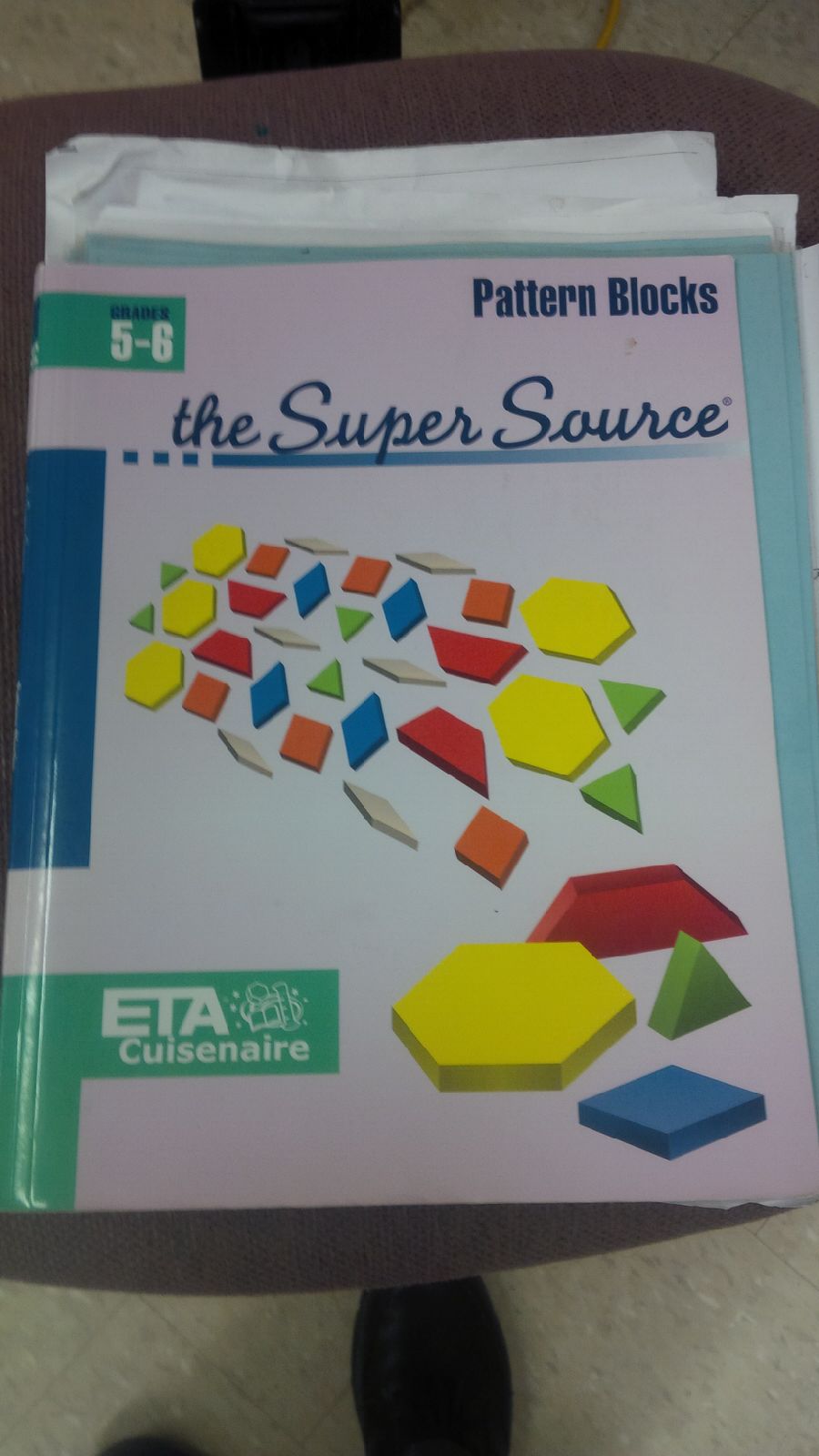
The second most useful tool I have come upon is the series entitled Super Source. There are many reasons why I like this resource. The first is the rich problem solving tasks that are in each book. There are a variety of tasks and each task is connected to an area of mathematics where it can be used like number sense or patterning. There is a book written for each type of manipulative (Base 10, Pattern Blocks, Tangrams etc…). The most valuable asset of this resource is that there is a section where the mathematics behind each task is explained to the educator (the big ideas) as well as suggestions on how to bring out the math in your students. As with any resource this provides a jumping on point where a teacher can then adapt the task to meet their needs.

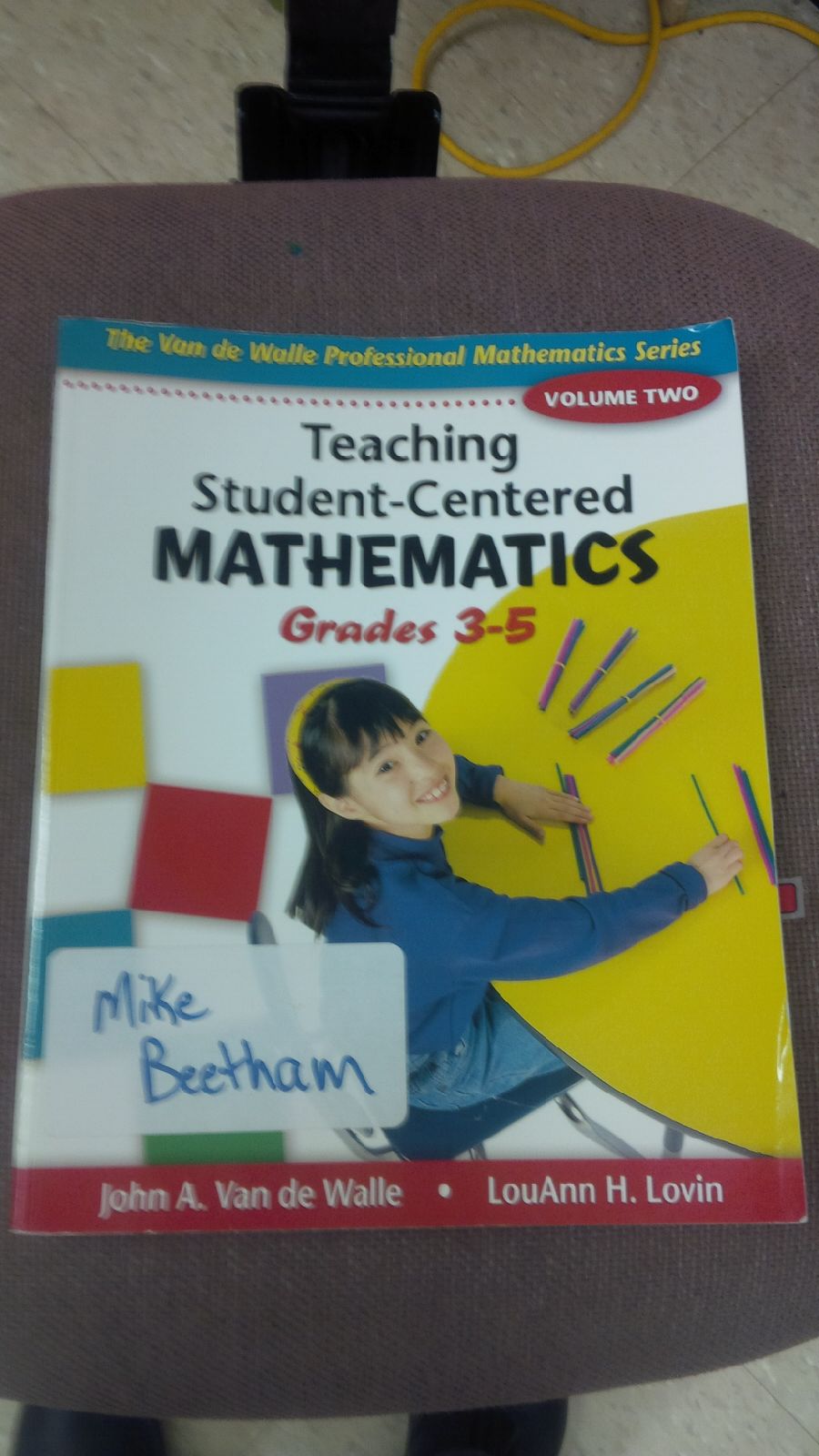
The final resource I would like to share with you is one of the many works of Van de Walle. I used this resource as a teaching tool for myself. It helped me understand the concepts I was teaching and how to bring out both a level of engagement as well as a deeper understanding of mathematics in my students. I hope these resources prove to be as valuable a tool to you as they are for me in my teaching of mathematics.

132

Emotions, Context and the Reluctant Writer

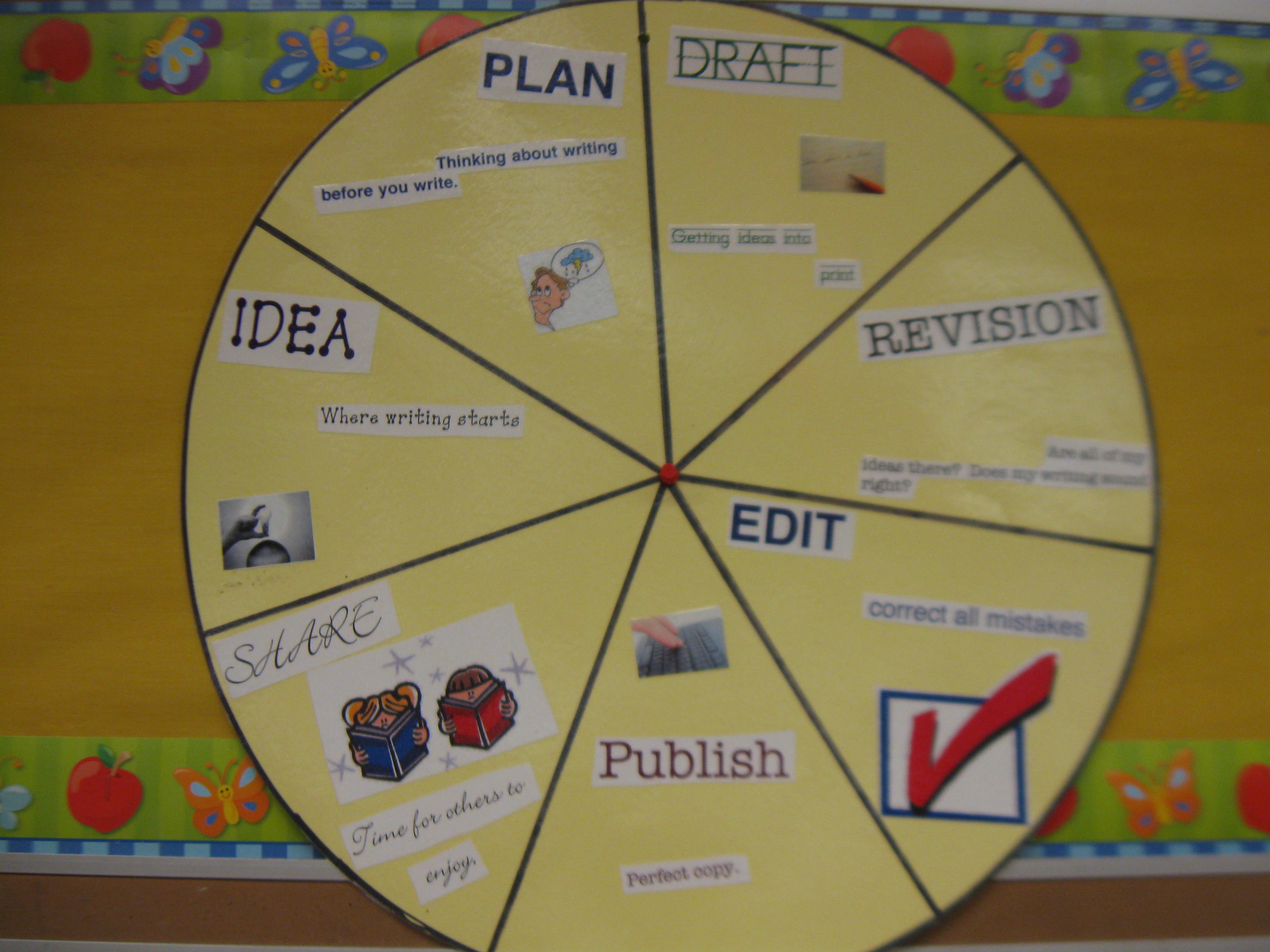
One of the biggest challenges I face is getting my students to enjoy and take risks with writing. Too often they get bogged down with the fear of not knowing what to write or nervous about experimenting with vocabulary they do not know how to spell. There are two critical approaches I take in helping my very reluctant writers to engage in the writing process. The first is to help them understand the stages of writing (Idea, Plan, Draft, Edit/Revise, Publish and Share). Each stage is explored and its purpose discussed and demonstrated in multiple ways. Once a student understands that the edit/revise stage occurs after you are able to get your ideas, thoughts and/or feelings into print form they become more likely to take risks in getting their ideas out. When they give themselves permission to let their ideas free flow without word-by-word critiquing, the quantity and quality of their work improves. A completed draft version allows them to separate I have good ideas and can write from I need help in making sure my writing is correct and ready to share with others. I also experience a huge drop off in the question “How do you spell _____________”.  That focus typically grinds the creative process to a complete halt.

The second element that greatly assists me in helping my reluctant writers is to as often as possible design a writing focus around an event relevant to their life. This may be something going on in their school community like writing a persuasive writing piece on allowing students to wear hats in school. It may be a news event from their community or a global situation that will help connect my students to a bigger audience.

Several years ago when the Chilean mining catastrophe occurred we had taken time to have it as a part of our morning circle conversation. That lead to a brainstorming session on what might we do to help out. The final decision was that we could write letters of support to them.  I found the address to the Chilean Embassy in Ottawa and we mailed our letters to them. The power of the contextual relevance automatically tapped into their emotions. When emotions are involved in the learning process the lesson, the message, the focus becomes more consolidated in their cognitive realm. A magical bonus on this project was that my class received a letter from the Chilean Embassy acknowledging our letters and honouring the efforts of my students. Our next writing unit was accepted with little or no resistance.

Helping Children with FASD in Your Classroom

Many years ago, when I was in Teacher’s College, I did my practicum in what we could call today a ‘systems’ class. I worked with several students with Down’s Syndrome, a few with non-specific developmental challenges as well as some students who were identified as having Fetal Alcohol Syndrome (now called Fetal Alcohol Spectrum Disorder). This was the first time I learned about FASD. What we learned was very basic. We were told that there were certain facial features which might help to identify a child with FASD and some unpredictability in behaviour, but other than that, I do not recall learning, in practical terms, how to meet the needs of such a child.

Fast forward to today, and I am far more familiar with ADHD (Attention Deficit Hyperactivity Disorder) and ASD (Autism Spectrum Disorder) in the classroom than I ever was with FASD – for some reason, it seems it’s just not something we talk about or receive in-service training for. Then last week, I became enlightened by a workshop which helped explain how damaged a developing brain of a fetus that is exposed to alcohol in the womb can become, and what we as educators and caregivers can do to help children affected with FASD. As I heard more about the characteristics and strategies associated with children with FASD (Important to note: the majority of individuals with FASD do not have facial features associated with the disease, hence it is considered an “Invisible Disability”), I became excited about the possibility of fresh interventions that I could use to help some of my students, who, although do not have definitive diagnoses of FASD, still present with key behaviours such as memory deficits or impulsivity.

Some of the key points which have helped me readjust my perspective as I “put on an FASD lens”, I have taken from an information package provided by the Fetal Alcohol Resource Program (Citizen Advocacy of Ottawa). I highly recommend becoming more familiar with the condition because the strategies are relatively simple to employ and can be supportive not only to students with FASD but to any student struggling with behaviours in your classroom. A video entitled, Dear Teacher is also included in the package and serves as a gentle reminder of how we need to treat those of our students who face challenges which may be difficult to understand. I have found these useful reminders at a quick glance, but there is so much more that can be learned about FASD.

The chart below is called, “What FASD is NOT.” I find it particularly useful as it clarifies the ways certain behaviours may initially be perceived, and how, through a different lens, they should be understood.

                                    We NEED to shift our thinking

From Seen As….. …To Understand As
Won’t Can’t
Bad Frustrated, Challenged
Lazy Tried Hard
Lies Confabulates/Fills in
Doesn’t try Exhausted/Can’t start
Mean Defensive/Hurt
Doesn’t care Cannot show feelings
Is a problem Has a problem

With a few upgrades in our approach with one of our students who has had particularly challenging behaviours, my teaching partner and I have already noticed an improvement in the child’s independent learning, interactions with peers, and response to direction. Some phrases we have found useful reflect the intent of some of the examples provided in the information package; “I can see this is tricky for you. We are going to solve this later. Let’s get a drink of water.” (patience and redirection) ; “Let’s figure out a better way for next time,” (support rather than punishment); and, “Come here. It’s OK.” (no matter what you do, I am here for you).

At this point, we are by no means specialists in FASD, but we are willing to learn as much as we can as we continue to see positive results. As educators, we all use patience, consistency, support and understanding, but with some of our students, we may need to use a little (or a lot) more.

Options

My grade five class is almost done their perimeter and area unit. At the close of this unit, I was having trouble deciding what the best option would be, a project or a test. I decided to present both options to the class and then let them select which one they should do.

I then had an issue with letting students who had received an “A” on their reports not do both. I wanted them to challenge themselves by trying both since they had achieved such a high mark on their report card.

Some students reacted very negatively to this thinking they wish they had received a lower mark. I on the other hand, tried to explain to them that since they had such a high mark on their report, they have proven that this unit is not a challenge to them so they should challenge themselves by trying to take on two activities.

It was interesting how many students chose to take the test over the project. I for one, HATE tests and as a child never enjoyed spending time after school studying for them. As a teacher, I dislike giving them as well because they do not offer any creative elements for the child who is writing it. So when some of my students chose the test over the project, I was rather shocked.

I am happy I gave my students the option because I loved seeing students debate over both and then finally arrive on their final choice. I think that when I was in university learning about choices for students, I never really understood the feeling over power it would give my future students. It was amazing seeing them weighing their options and I am happy I was able to give them that feeling.

Anchoring Learning

Anchor charts have long been identified as a high-yield learning tool. What exactly is an anchor chart? Why use them? How do you determine what should be on an anchor chart? These are common questions faced by teachers as they try to establish optimum learning environments for their students.

I have heard anchor charts best described as the ‘third teacher’. The following is a quote from Scholastic’s Literacy Place – For The Early Years, 2010. “ To promote literacy skills and encourage independence, you will want to make strategic and purposeful use of print resources such as posters, signs, lists, charts, and student/teacher writing samples in your classroom. One tool in particular, the anchor chart, is very effective in promoting student success. An anchor chart outlines or describes procedures, processes, and strategies on a particular theme or topic and is posted in the classroom for reference by students. Examples of anchor charts include: what to do in an interview, tips on using commas, what readers need to do when they infer, how to choose just right’ books, or how to write a literature response.”

This of course aligns perfectly with the visual learner. Visual learners learn through seeing, observing and anchor charts allow them perpetual access to critical information and not just when instruction by a teacher is occurring. They can return to the key ideas or concepts when they need to and as often as they need to.

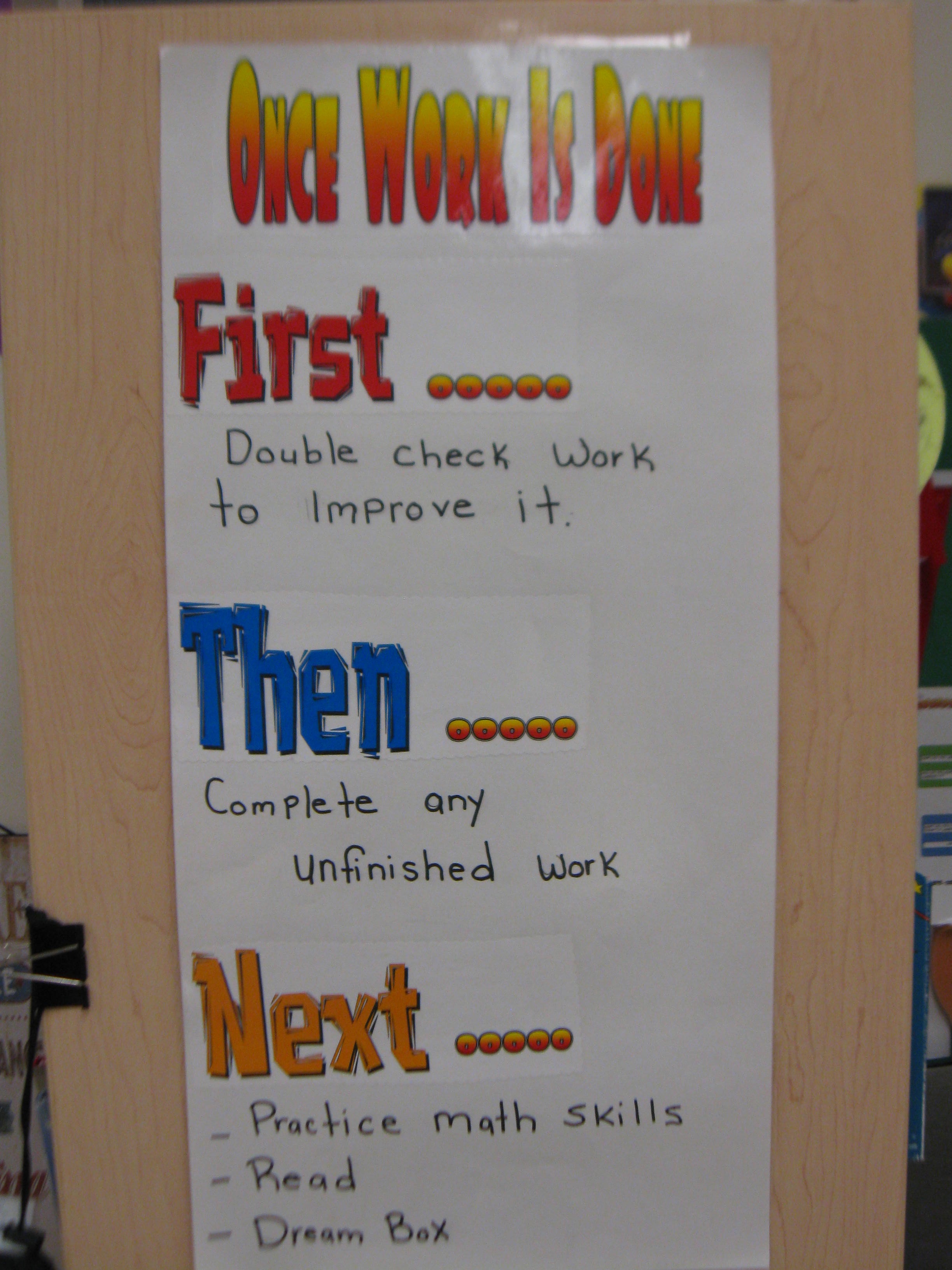
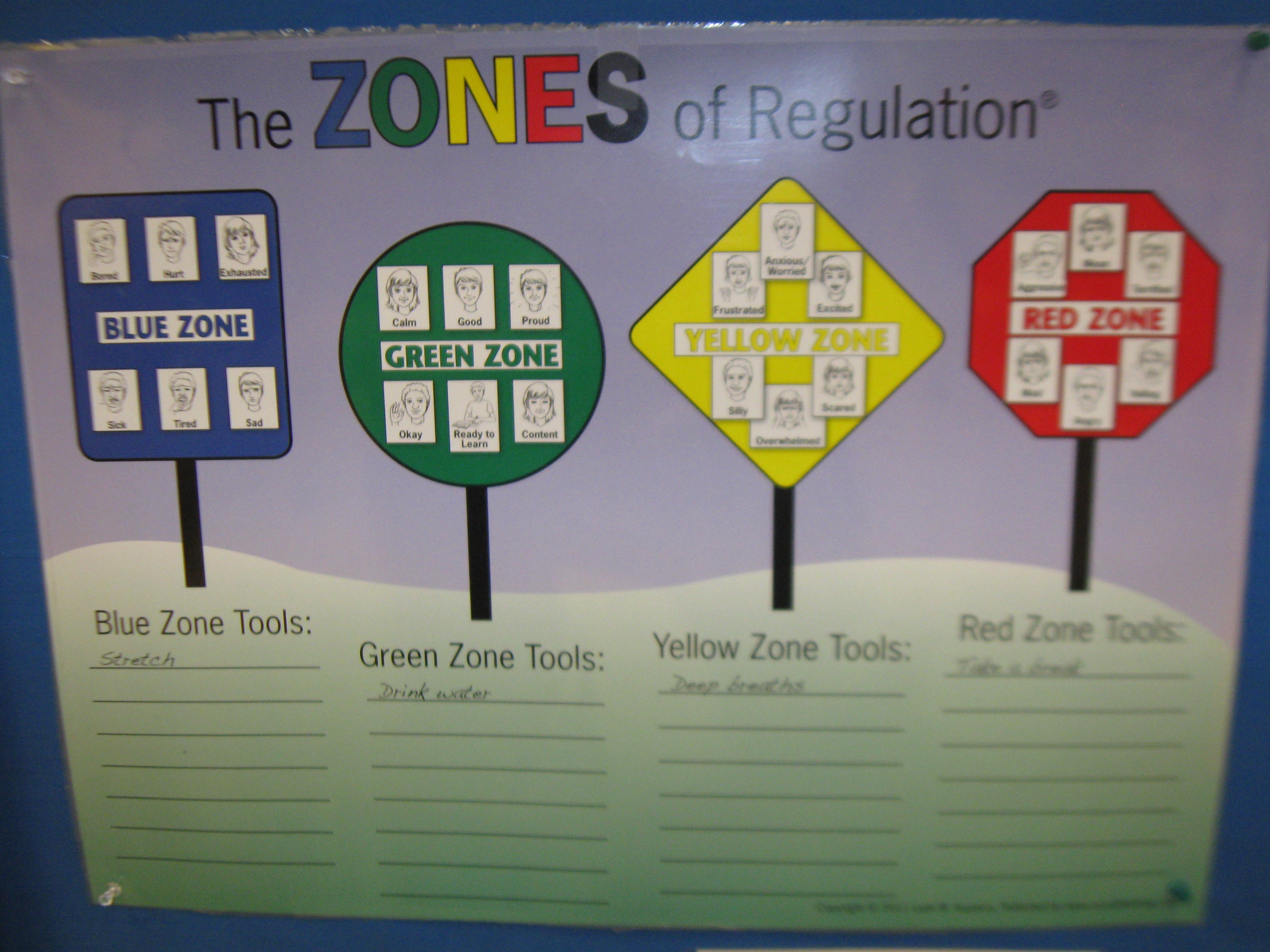
One lesson that I have learned is that not everything can be an anchor chart even though it is all so valuable. If the visual scene in your classroom becomes cluttered the benefits of this tool diminish as they just become part of the scenery and no longer a tool for the students. In my class we have a large variety of anchor charts positioned around the classroom with different colours, fonts, sizes, shapes and almost any other way I can make them unique and stick out. I did an experiment with my students one day where I gave them post it notes and asked them to go around and put them on the anchor charts they used most often and felt were most helpful to them. Prior to that I had made my prediction of what might occur. Needless to say, what I thought was most important did not align with their view. Sooooo from that point on, my anchor charts became a mutual task created by my students and myself. I still do all of the finish work, but the content and positioning in the room is a shared decision. One final change in my practice as a result of that data collection was that I am constantly changing the visual cues so that they stay fresh as learning tools and not just become a regular site in the room.

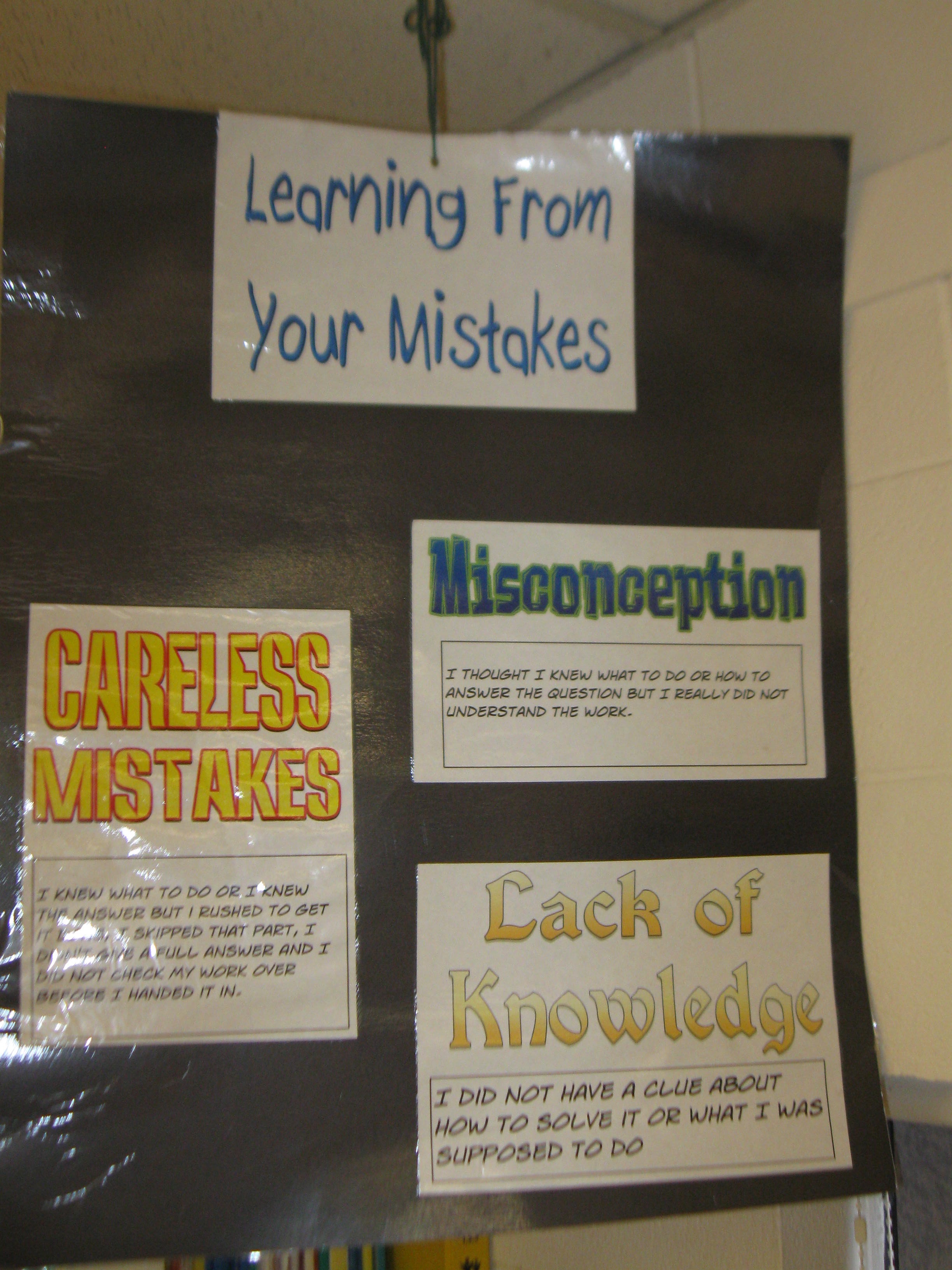
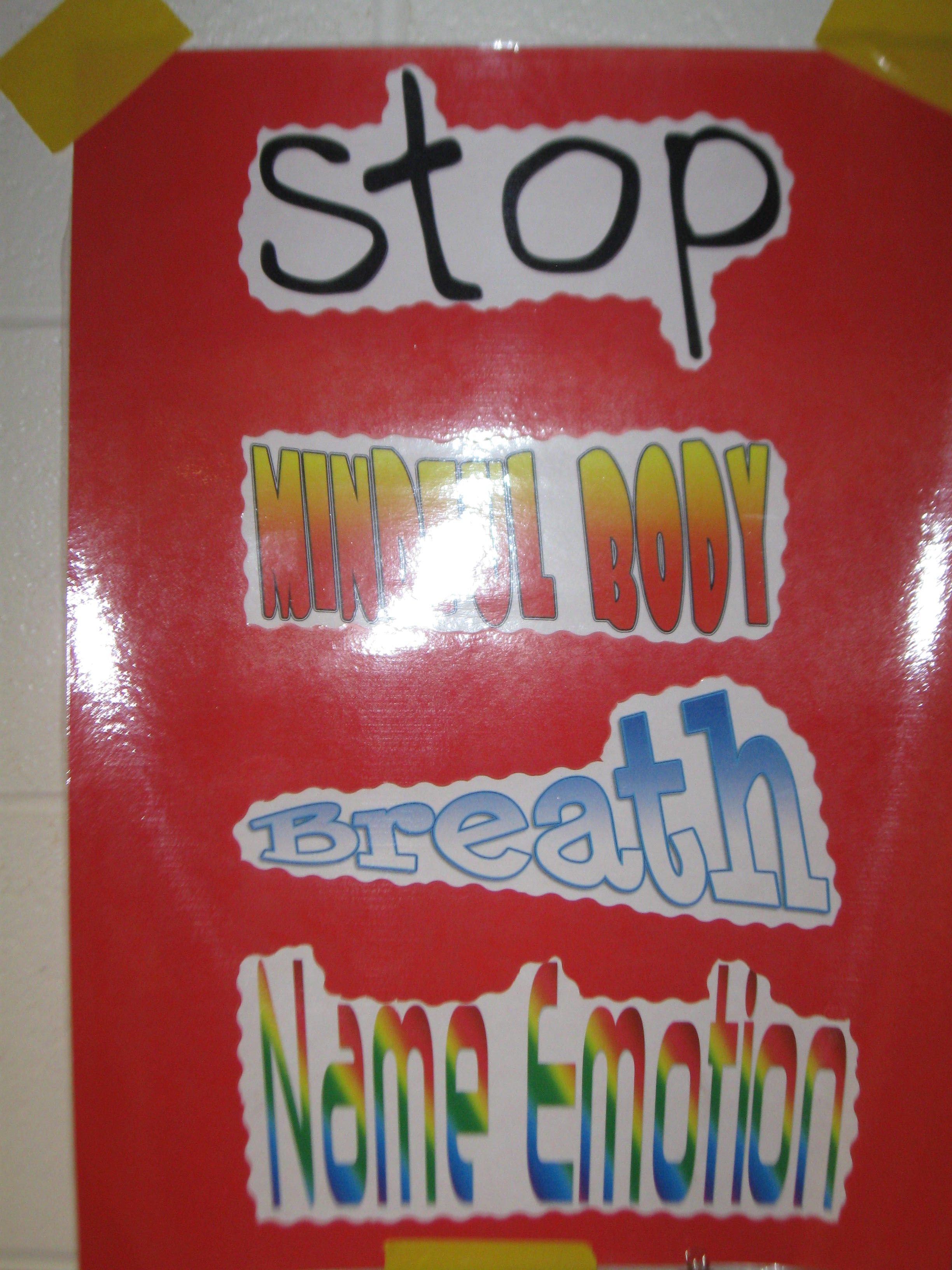
Another feature of this great tool is that I also have personal anchor charts around my desk that help me as I learn new pedagogy to add to my practice. I am able to return to them throughout the day to evaluate my growth and development progress. IMG_1799 IMG_1803 IMG_1804 IMG_1797 IMG_1806 IMG_1798 IMG_1800 IMG_1801

Student surveys

If you haven’t had your students use google forms, the survey creator on google drive, then you must! Students will have the chance to create online surveys and administer them to anyone they want.

We took our data management project to whole new heights when they created a survey for a certain grade to answer. We were looking at student satisfaction in regards to clubs and teams available at school. The answers were shocking as sometimes 75% of  students in the grade were unhappy with the clubs and teams available to them. My 28 students were divided up among all the grades at school and each group surveyed the grade they chose to survey. We will now look at the results and try to accommodate to add the new teams and clubs to our school.

I also was able to survey my students using the same program, google forms. I asked them about the way I ran the math program, language program and drama program. They were able to check mark all that they enjoyed about each program. Here are the results for the math section:

  1. 11 students enjoy projects
  2. 9 students enjoy group work
  3. 8 enjoy math around the class
  4. 6 enjoy tests
  5. 5 enjoy lessons on the board
  6. 2 enjoy quizzes
  7. 1 student wants to learn taxes

This way, when I do my next math unit, I can plan for maximum student enjoyment. It is important to know how your students want to learn so that you can have the best learning environment possible.

Ontario Student Record Search

Wow, we are already into the second month of this school year and I am not sure I really know my students very well yet. I have a working idea of who they are as students and as people but need to gather more information to help me with my programming. That is where using their Ontario Student Record (OSR) can help you gather further data to assist me  in this process.

I typically do not complete my OSR searches until after the first month of school so that I can establish my own opinion about them as learners. The OSR is a cumulative record of them as a student since their entry into the Ontario education system. It is a legal document that travels with them from community to community and school to school in Ontario. It is a valuable tool for any educator who is working with a student.

There is a wide variety of information that exists in a student’s Ontario Student Record. First and foremost are the provincial report cards from their time at school. It is here that a teacher can gauge where a student has typically performed in the various curriculae. In addition there is often a wide variety of other sources of information specific to that student. For example, there could be documentation around outside supports such as occupational therapy, early intervention, psychological assessments, legal documentation around custody, Family & Children Services involvement, suspensions, Individual Education Plans and Safety Plans. When you look at the back of the OSR you can see a history of whether a student has had a stable education in one school or whether their circumstances show multiple schools with little or no stability. I have had one student who was entering into his 8th school and he was only in Grade 4.

There is a combination of hard data as well as data that has a subjective component and is based on the interaction and opinions of adults. It is important to differentiate between the two. I am not saying you should discount in any way or ignore that data, but rather understand that the circumstances in which that data was obtained may have been affected by many outside factors. For the student who was entering into his 8th school, his OSR showed that he had difficulty making friends. That data was accurate but was also impacted by his inability to be in a single place long enough to establish friendships or the fact he knew if he did make friends, he would probably be moving soon.

The OSR search is most valuable to me for my at risk students. Students who I know come with challenges either from an academic or behavioural standpoint are the first ones I search, as they demand my attention immediately. When I have a firm understanding of what level of achievement my students are displaying I then look at previous report cards to help me. If for example a student is obtaining a lower mark in mathematics then what has been previously reported it prompts me to further examine my assessment data to ensure my determinations are aligned with my criteria.

It is important to familiarize yourself with the proper protocol of what goes in an OSR, who can access an OSR, where that OSR can be viewed and the responsibilities a teacher has in regards to filing information in a student’s Ontario Student Record. A really rewarding aspect of doing my OSR searches is that I get to see how they have changed over the years with their annual photo. I have attached a template that I use when completing an OSR search.


scan

scan-1


Meet the teacher night

Tonight was open house at my school and as usual parents wanted to know how their son or daughter were performing. This is always an interesting question to answer because parents want to know about math and language and I want to tell about how they are getting along with others and how polite and helpful they are.

It’s interesting to see that what a teacher values teaching the most is not always what would come up at a meet the teacher night. I hope that in my program I can help children with their math and language as well as help them treat others with respect as well as help them make our class a friendly place.

As a young teacher, I am always hoping that parents will be on board with the new shift in education, away from tests and onto rich learning experiences. Sometimes I wonder if after my students leave me, that I have failed them if they start to take tests and have no idea what they are doing. I do see the value in showing how much they know on a piece of paper as many high schools still work with this model, but I am always wondering how that will help them in their future. I understand that test writing is an important skill, so I need to think of ways to include this in my program in the future.

I am working on making our class a very open and comfortable space for learning right now and I am hoping in my next post to share about how the alternative seating is making the student space an amazing place to work. I hope to see the benefits of the seating and I am excited to take pictures of student learning experiences and share the stories.


How to Get Outside

I know I have probably spoken about the wonderful connection my school has with a nearby bird sanctuary, but I thought it might be of use to other educators to know some of the administrative requirements that are in place that make it happen. Depending on the location of your school in relation to that of a nearby green space, it may be possible to establish the opportunity for your students to access a natural setting (a park, a watershed, a field) on a regular basis – without extra costs or volunteers to organize. This is how teachers and students at my school have managed to be able to do just that.

Every Wednesday and Thursday, I take a groups of 5 kindergarten students out of the school yard, across a soccer field, over a bike path, and through a turnstile into a forest located at a large pond formed beside some rapids on the Ottawa River, not far from downtown Ottawa. It is called Mud Lake, and it is considered a “Provincially Significant Wetland and an Area of Natural and Scientific Interest by the government of Ontario.”

It is a very important destination for birders carrying all variety of cameras, and it boasts meandering walking paths in the summer and fall, and snowshoeing and cross-country skiing trails in the winter. Some winters have even seen a rink being flooded and cleared at one end. It is well used, but not overused or abused. The trails are clean and it is rare to find any garbage on a walk through the forest.

The kindergarten students are not the only lucky ones to be able to regularly go for a trek in the forest for an art lesson, some math, or science inquiry, this is what the entire school does each week. While having such a rich and diverse natural environment to explore may sound too good to be true, it is counterbalanced by the fact that the outdoor area on the school property is less than to be desired. In particular, the kinder yard is an inhospitable square of pavement surrounded by a chain-link fence, and offering absolutely no shade. The children wilt at their outdoor play on warm, sunny afternoons, so having the respite of a cool, verdant forest is extremely welcome.

To be able to take a small group of kindergarten students each time we visit, there are 2 important criteria that need to be fulfilled: firstly, the parents receive a year-long field trip permission form to sign on the first day of school. Secondly, the kinder educators maintain the student-to-adult ratio of 5:1, thus avoiding the necessity of requiring parent volunteers. This way, if we need to change the time of our visit for some reason, we can still go later on in the day because there is no one else to organize except ourselves.

On Wednesdays and Thursdays, while the rest of the class is engaged in outdoor learning, I go to the forest with a group of 5 kinders. I have 20 students who are divided into 4 groups and I take 2 groups each week. It would be great if we could manage more visits any time we wanted, but it is not entirely feasible within the framework of the kindergarten day or week to go more often. With the way we have it set up, each child gets to go every 2 weeks. They still always get their outdoor learning time each day, which may or may not be limited to the kinder yard, so the wait is not so long that they feel hard done by. After school hours, many of the students have started to visit the forest with their families, too, which may account for the clean and healthy condition of the trails and surrounding area.

Every school culture and location is different, of course. You may not have access to a large, safe, natural area to adopt as an extension of your class or your school’s learning environment, but if you do find somewhere to explore, hopefully 2 legal hurdles – the year-long field trip permission form and the student-to-adult ratio requirement – won’t prevent you from making it happen.