Blog

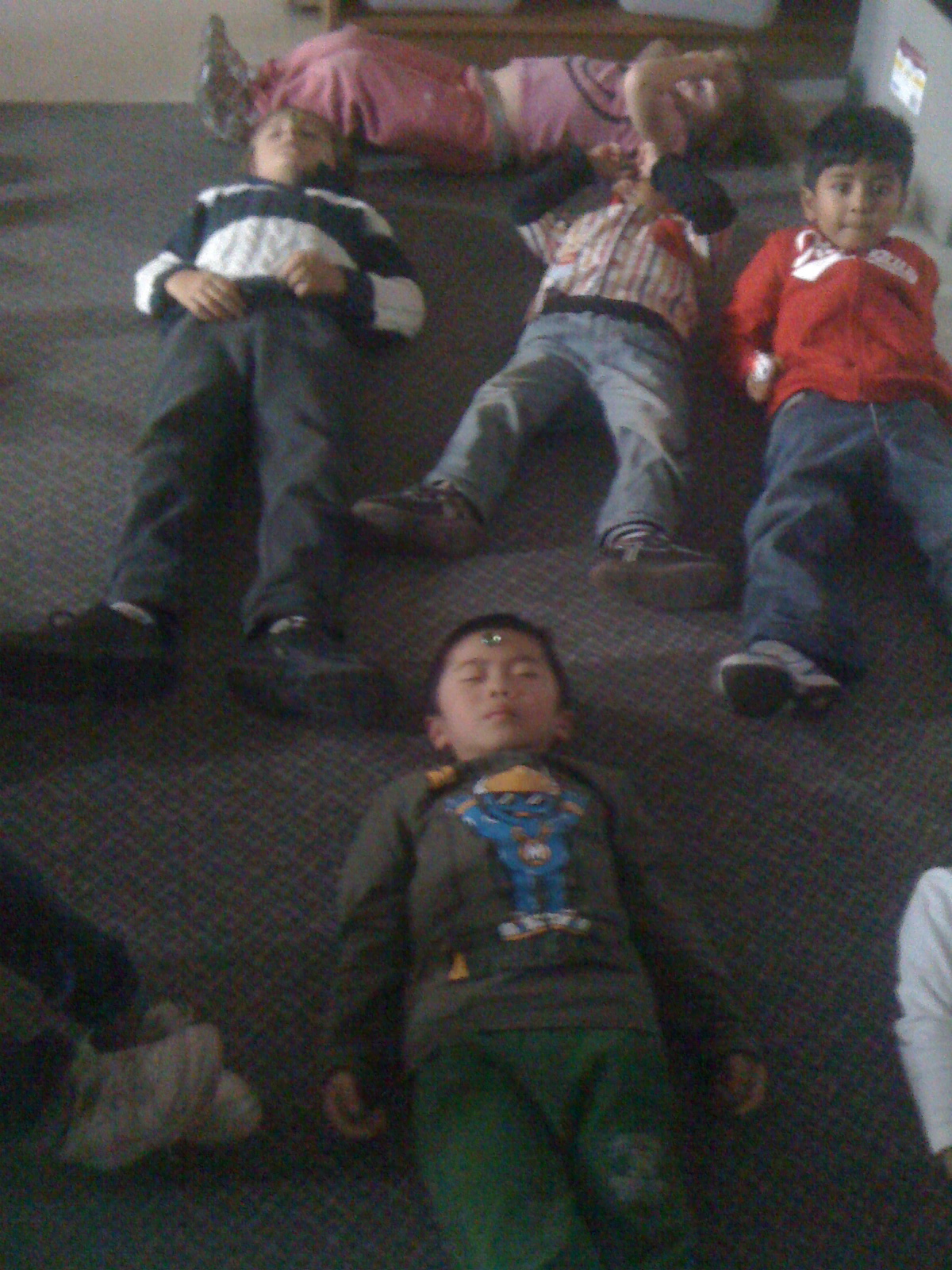
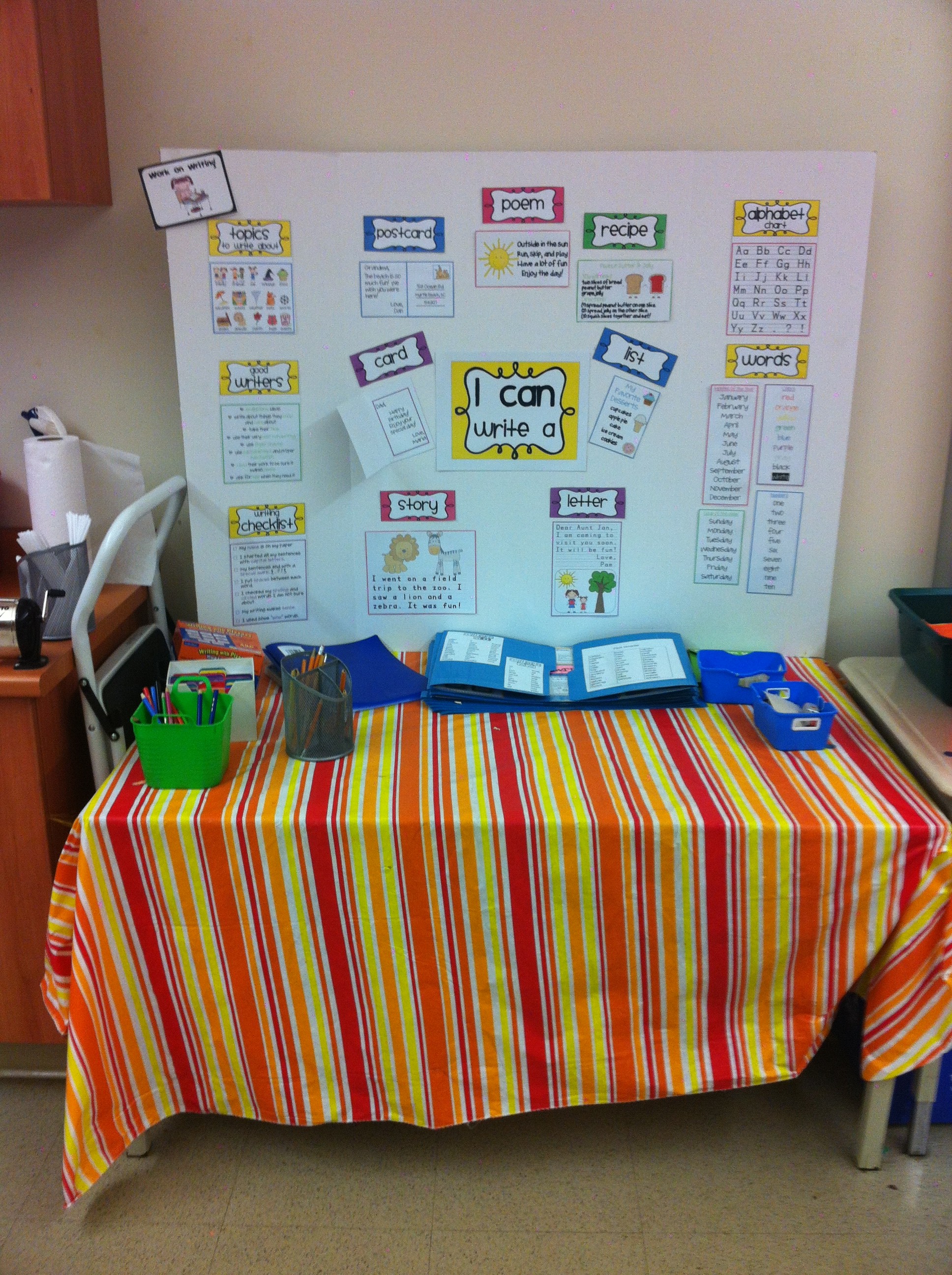
Mix of a few photos of inside of a classroom with students

A Little Perspective

This past summer, my family and I spent 6 weeks in India. Apart from the wonderful moments we enjoyed with family and the extraordinary travels we embarked on, there was one experience that helped us all gain a little perspective.


Our son, Sunjay, turned 12 in June and decided that in lieu of gifts, he wanted to collect money to donate in India when we would be there. Once we arrived, we discovered that one of my cousins had volunteered in a school that needed help and it seemed like the right “cause” for Sunjay’s donation money.

The school was in Dharavi, one of the biggest slum areas in Mumbai. Families live in shacks one on top of the other, with an “outhouse” that drains into a creek. Due to the location and inadequate drainage systems, there are often floods during the monsoon season. It is estimated that anywhere from 600,000 to 1 million live in this one area of the city, so few children get the opportunity to attend school.

My cousin explained to us that the school she volunteered in was running solely on donations from charitable organizations and they offer free education until grade 7, but only for three kids per family. If you have a fourth child, you have to pay for their education.

When we discussed making a donation, it didn’t feel like enough. We wanted to visit the school ourselves and meet the children. Sunjay and our daughter, Maneesha, had also brought stuffed animals from home that they wanted to give the students. Communication between my cousin and the classroom teacher led us a small store in the local market, where Sunjay used his money to buy blank notebooks for the students so they could have something to write in.

That day at the school was one we shall never forget. The students were curious to see 4 foreigners walking in the hallways and while some were friendly, most were shy and hesitant. They were wearing school uniforms, yet some did not have shoes.

The classroom looked so different from what we are all used to…there were 3 kids to one desk, paint peeling off the walls, and no visible school supplies. The noise level when we entered was very high, and the teacher was trying to control the class by pulling some kids apart who were fighting. We learned that parents have very little time to supervise their children because they are often out working when the kids come home from school. It can then fall upon the teacher, to create a community of learners that not only trust her, but each other and the world around them.

Once we handed out the notebooks and the stuffed animals, the teacher asked if the students had any questions and one student said, “Why did you give us these things?” It was a hard question to answer, but we tried to explain how special the school was and how we just wanted to help. Really as I look back on the experience, they gave us so much more than we gave them.

Each day when I walk in my classroom this year, I am grateful. Grateful to have pencils, paper, chairs and an area where I can keep my own belongings. Grateful to have colleagues to talk to and learn from. Grateful that parents are able to send their children to school and they do so with hope, appreciation and respect for what we do every day. But most of all, I’m grateful for the 26 faces I see at the door in the mornings. They remind me why I’m a teacher.

Photo of Roz Geridis

Flexibility

I have part of a new assignment this year. In the morning I am covering prep. Due to re-organization, my schedule is changing again for Monday. I have completed many get to know activities, learned students’ names and just found out some classes I still have and others are new for me. That being said, it will all work out! Everything does. The students get attached very quickly and now I will get to know even more students.

My afternoon, I teach English, Math, Health and Pool to a grade 6 extended French class. The grade 6 curriculum is the same for me but now I teach a smaller portion of it. I will be busy sharing my plans with the other teacher who now has my class for Science.

That is teaching; change and flexibility. My morning will work out and I have worked out my plans to have the next days covered. I just needed to adjust a few items and have been able to use my current plans. As a school, you may have to go through re-organization. It is difficult. Deciding which students will excel in which environment, which students need to be separated from each other, balancing the girls and boys, special education and ELL needs. It is a very difficult task which also needs to be completed after a long day of teaching a class of 52 kids.

As I need to get teaching (with the new classes) in order to have enough assessment for the Progress Report card, I have decided to incorporate my get to know activities with the curriculum. I am planning to find ways to incorporate these activities as much as possible with my new classes. I plan to start with appreciation fans to help build the community within the classroom. The students all know each other and many know who I am but I need to get to know their names (better).

Photo of Roz Geridis

Getting to Know your Students

At the beginning of the year I complete some activities about the classroom environment. I look to build a community environment highlighting the classroom is as much theirs as it is mine. We completed a few activities but I wanted to share this particular one because the student responses really helped me understand and get to know them.

One of the activities we did this year was we talked about keeping the good in and the bad out of us in order to do well at school. We had a conversation about what helps us do well at school and what keeps us from doing well. Some responses about what helps us do well at school were: healthy eating, sleeping, completing homework, asking for help. Some of the responses about what bad things can keep us from doing well at school were: being late, not completing homework, eating bad, not getting enough sleep, bullying, people being mean, depression, anxiety.

The last two responses were comments which really made me pay attention to who said them. I immediately contacted the guidance counselor, informed the administration, and spoke to last year’s teachers. These two comments (from two different students) have helped me with my approach to the students. It made me remember, no matter what community you are in students could have a hard life and have a variety of family/life situations to handle. It reminded me of the need to make that connection as a person with the students.

Getting back to the activity; after our lesson, the students got into groups and traced one student in the group. Then as a group, they wrote what helps them to do well at school on the inside of the body and what keeps them from doing well on the outside of the body. The students really enjoyed the activity and every class (from grade 5 to grade 8) has asked to complete the activity. We have the final products hanging in the class as an everyday reminder. This year, I decided to not complete the activity with my prep classes but I will consider it for next year.

Photo of Carmen Oliveira

Lifeclass Begins

“The difference between school and life is that in school you learn the lessons and then get a test, but in life you get a test and then learn the lessons.”

This year I have decided to dedicate a substantial amount of time and effort to learning about and teaching life lessons that can be  integrated into my program.  Having spent the last few weeks really getting to know my students, I feel that they are a group of kids that can benefit from deep and meaningful lessons because they are both ready to explore them and in need of that support in their life.  I looked into integrating each lesson into our Literacy, Social Justice, Financial Literacy, and Healthy Living aspects of the curriculum.  So far, the students have really enjoyed their experience so I thought I’d share what we’ve done.

At the start of each week, I post a quote (linked to a life lesson I believe they need to explore) with questions to guide the students’ thinking.  They glue the prompt into their Journals and then have a week to complete the Journal entry.  The entries have written components and can also be expressed in artwork and various media (cartoons, posters, etc.).  The prompt is also posted on our website so students can share it with their families and hopefully discuss it together.

The responses I have received have been such a pleasure to read and I find that the students are working to try and incorporate the lesson into their way of thinking and acting.  They understand life so much more than we sometimes give them credit for!  At the end of the week, we share our thoughts, how we will use the lesson in our lives, and how some of us have already tried.  This week, the first thing out of their mouths as they walked in on Monday was, “Mrs. Oliveira, what’s the life lesson quote this week?”

If you’d like to take a look at some examples, you can find them in our classroom website.  Click “More” and scroll down to “Lifeclass”- it’s a simple idea that has my students learning about life in a way they’re ready to explore.

www.oliveiraclassroom.webs.com


Classroom Set-Up

Setting Up My Grade 3 Classroom

A week and a half before school started, I accepted a Grade 3 LTO position at Joshua Creek Public School in the  Halton District School Board. As this was my very first experience having to set up my classroom and start the  school year off with my own class, I was a bit nervous yet very excited. I spent numerous days setting up  classroom, from bulletin boards, to desk groupings to our classroom library. I never knew how much time this  can take, but I feel it is key to have a welcoming class for student arrival.


How did I create a welcoming classroom?
* Posting a “Welcome” sign on my door with my name (Ms.  Pryde), room number (RM 25) and class designation  (3-1).  My welcome sign had frogs on it,  so I also wrote a catch  phrase of “Leap Into Learning”, and had small  frogs posted  on the door with each students name written on them
* Having students names posted on their locker and desks,  so they knew where to put their belongings
* Having colourful colours on my bulletin boards
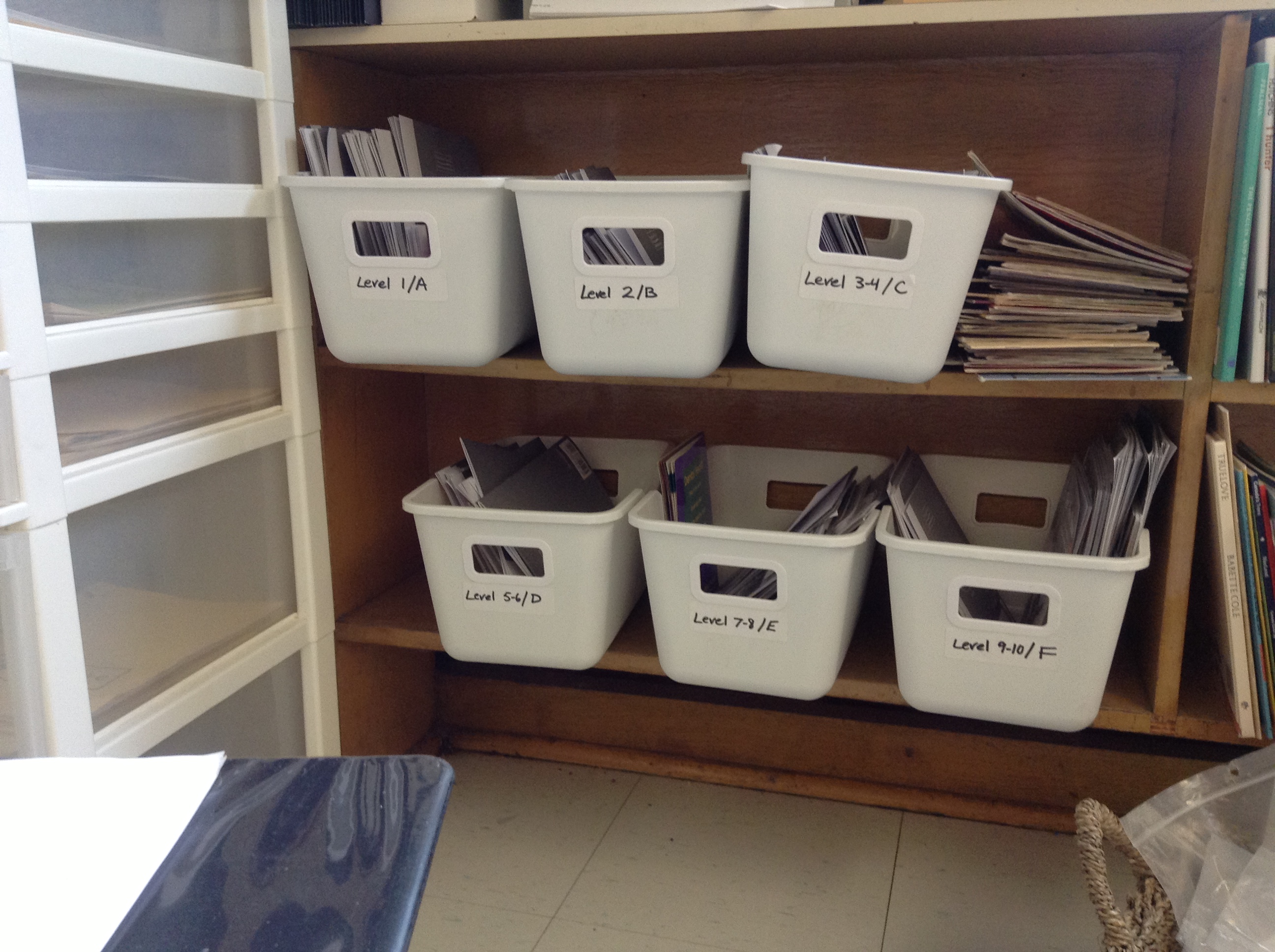
* Labeling the classroom with pictures and words, so all students know a) where they can find things and b)  where things go (i.e. pencils, markers,         rulers, dictionaries, pencil crayons, erasers and I also labeled the  book bins in our classroom library)
* Created a central meeting place, which includes a carpet for students to be seated at

 As my school is a TRIBES school, I put my students in groups- 4 groups of 5 students. I also tried to ensure that  each group had roughly the same number of boys and girls (luckily, I was quite successful at this as I have very  close numbers of boys and girls). 

While setting up my classroom, I envisioned the different uses of my  classroom. So, I included a central meeting carpeted area with an easel  for modelled and shared instruction, as well as a comfortable place for  community circle or reading independently (or with a partner). I also set  up my guided reading table with chairs for my students. Textbooks,  dictionaries, classroom library books, clipboards, math manipulatives  and indoor recess games are placed on the shelves which are at student  level. I set up our listening area, with a stereo, audio books and  headphones, as well as a place for our classroom computer.

Overall, I was very pleased with my classroom setup, although it was a lot  of hard work! Luckily, my students really enjoy our classroom and I know  that all my time and effort was well worth it!


Photo of Alison Board

Getting Started In A New Grade and School

As I return to blog about my experiences this year, I have a different perspective of some of the challenges that September brings. In addition to a new program (Full-Day Kindergarten), I am also at a new school. The change is exciting, but learning the culture and practices of a new school takes time, as occasional teachers know all too well.

During the first week I was focused on creating an inviting and supportive environment for all the new students, and with staggered entry the number of students grew each day from 17 to 26. However, I was also getting accustomed to the many bells (bells for students and bells to remind teachers of duty), locating printers that were close to my classroom for print jobs, and learning school protocols for various incidents.

In addition to Carmen’s good advice in the previous post, I would like to add:

  • Be flexible. We love to plan, however flexibility is needed throughout the day dependent on the needs of the students, your colleagues, and your administration.
  • Be innovative. You may not have the materials or resources that you want for your ideal program, so draw on your own creativity and innovation.
  • Have a sense of humour. When things go array, see the humour and enjoy the laugh.
With Phase III of the Full-Day Kindergarten program being launched at my new school, we are all adapting to the unexpected. It helps that we communicate daily on what is working to establish consistent routines for entry, lunch hour, and dismissal in all the FDK classrooms. My classroom was previously a Special Education classroom. I set up the room with limited resources and furniture, though it is expected to arrive soon. We are waiting for a carpet, chairs, easels, and kitchen units for the drama centre. However, some creative borrowing has provided the necessities for the first few weeks of school.
I am attaching a photo of my room (15) before the make-over to a Full-Day Kindergarten room. Then I will post photos as the room evolves with materials, resources, and the children’s work. If anyone is interested in ideas for centres, let me know and I can also add a specific post in response to a question.
Room 15 (Before becoming a FDK room)
Learning Goals: Today we are learning...This will help me...Question of the day,.. Reflection Question

Getting Ready for the Art of Teaching and Learning

If you would thoroughly know anything, teach it to others. –Tryon Edwards

As I headed into my classroom today to set up our learning environment for this year, I stood in the middle and looked around at the space which, in a few days, will be filled with curious faces wondering what this year will be like.  A teacher candidate who was helping me mentioned that any advice I could give her would be appreciated because right now, it all seemed a bit overwhelming.  I told her that there are a few things I have come to know for sure about teaching and learning and proceeded to share them with her.  At the end of our conversation she had a big smile on her face and looked so much more at ease!  The truth is, my advice was simple.  Everyone knows it, but it’s sometimes forgotten as we go through our busy teacher lives!  Here are a few things I shared with her:

1. Connect!  Life and learning are about connections, to each other and to the world around us.  If you put in the effort to really connect with your students and create learning opportunities where they explore the connections within the world around them through cross-curricular activities, the learning environment will be charged with an energy that keeps students engaged and willing to take risks as their learning progresses.

2. Start small.  The journey to becoming a great teacher begins with mastering one aspect, topic, or subject at a time.  Choose one (or if you’re very courageous, two) areas to focus on this year to really explore, practice, and begin to master.  Become the best possible teacher in your chosen area of focus.  Celebrate your learning and success!

3. Become resourceful.  No one who has become great at what they do reached their peak without some guidance and support from mentors.  Network and reach out to teachers, administrators, support staff and anyone else who may help you on your path of professional development.  Contact the bloggers on our site!  A useful resource is the “Heart and Art of Teaching and Learning” to get you started this year.

Teaching isn’t always easy.  That’s a fact.  But the journey is well worth it when you realize the potential you have to inspire students, parents, staff, and the community around you.

Below you will find a few items that may be useful for the start of the year (some of which appear in the “Heart and Art of Teaching and Learning” resource.

BT Building effective Classrooms

curriculum night information newsletter

september wanted poster

my t-shirt and summer shorts

In a Million Words or Less…

if math were

grade 6 student intro letter

grade 6 math introductory letter

grade 6 homework newsletter

grade 6 first week newsletter

Photo of Roz Geridis

End of the Year is Near!

Summer is almost here and the kids know it. Their lack of attention and wanting to be outside in the beautiful weather is hard to compete with. What do I do to keep the boys attention? How or what do I keep teaching when my reports are completed and in? No air conditioning or fan – my room is known as one of the hottest in the school. Why fight it – I take their learning outside and still teach curriculum.


I try to keep them inside as long as we can handle it; which means sometime between morning recess and lunch. At this point of the year, I am changing my day plan slightly. It is based on which lessons do I need the whiteboard or computer connection for? I teach those lessons first. For language, I take a book and read it to them while the boys are lying down under a tree. I ask questions about inferring, point of view, comprehension and relating the reading to their own life experiences. However, this is all completed orally, some questions are discussed in partners (while I go to every group and engage the students) and some are large group discussions.


For Math, I may take them on a walk looking for 3D shapes or angles in nature. This can also be done in your playground. I also may play a game with them related to probability or multiplication baseball. I look for ways to connect Math to their real world experiences. Having the students show me and themselves why we need Math in our everyday lives.


For Art, we have gone out into the community and sketched trees and flowers; items in our environment. We also have used digital cameras to take pictures of structures in our environment and used photoshop to add to their pictures.


I also am finding ways to take the kids on affordable field trips. While planning field trips, the boys have an input and have often asked for the trip to be just our class. We have one planned for the division to go to a Park, and my class want to go to a different area of the park. We are taking the TTC and exploring our city. Doing a walking tour of the city (while taking pictures) was one of the boys’ most favourite trips this year.


At this point of the year, I am finding ways to have fun with the class and also relate it to the curriculum. They seem to be enjoying it and even understand why we are learning certain aspects of the curriculum. The community environment we have developed is one I hope the boys will always remember.

Teacher Report Card

My Report Card

As I mentioned in my last post, I feel that not only is it important for our students to receive feedback on their progress but I too like to get a sense of how my year went in terms of what I feel are the essential foundations to a successful classroom: lesson delivery, classroom culture, assessment and evaluation, and communication.  My students get extremely excited to write my report card and after all the jokes about what my mom and dad will do if I end up receiving less than favourable results, they always share very meaningful feedback about what I did well and what I can improve on.  I read my report cards carefully, reflect on the ideas and suggestions, and just before the end of the year I sit with the class and go over my results as well as my plan to address the areas I need to improve on.

I honestly feel this is a powerful exercise in modelling what I expect from my students.  I like to walk the walk and this is a great way to demonstrate to them that I am a lifelong learner and continuously use feedback to reflect on my practice in order to make the necessary adjustments so I can reach the goal of becoming not only a great teacher but hopefully one of the inspirations in their lives.

For next year I need to work on providing descriptive feedback that is more specific and provides a clearer focus with respect to how the students can improve.  I also have to be more mindful of bullying behaviour that may be occurring outside my classroom but can impact students’ learning inside the class.  I plan to work on how we co-construct success criteria in order to simplify it while at the same time making it effective.  Just a few things to keep in mind…

I’m quite satisfied with my progress and look forward to continuing on my path to living the art of teaching and learning!

Below I share with you a few report card comments.  I’d like to note that I did receive a few Level 3 marks but they were difficult to read and spoke to the same topics mentioned below.


Mrs. Oliveira was able to create entertaining lessons that had
an effective impact on my learning. She was able to effectively
communicate to me in many different ways. Mrs. Oliveira has
also provided many opportunities for me to show information
(eg. poster, Prezi, essay, etc.)


Mrs. Oliveira is encouraged to continue doing whatever she's doing that teaches kids effectively. She may want to observe kids more carefully as kids tend to still get bullied. She is also encouraged to try and write more descriptive feedback on students' work.


Mrs. Oliveira, you are very supportive, you accepted everyone for who they are. You try to push us to our limits. I loved the Smartboard lessons (even though the "smart" board ain't that smart), they were very engaging. I had a lot of fun during your interactive lessons and activities. Wonderful job!


Whenever we do a writing unit (opinion piece, explanatory, etc.) we always have success criteria. I find it takes a lot of time filling in the comment boxes. We should try to use the time for publishing or conferences with you.


I think for next year we could do success criteria only sometimes. I find that it takes up time filling it in.


The email was a fantastic way to communicate. When we have trouble we just email you the question.


I like how you give everyone a chance to show their learning the way that they want to.


The learning environment was comfortable and everyone's ideas were valued by classmates.


Photo of Roz Geridis

Planning for Next Year


As the school year is coming to an end I use this time to reflect upon my lessons and look forward to next year’s planning. What will I keep, what didn’t work, what needs to be tweaked for next year’s students? Some of this planning will be based on my next year’s students needs and learning styles. Where do I go for new ideas, support for planning and resources?


1)       I sit down with the previous teacher.

Most schools will have sheets or some sort of meeting to share information and build the new classes. Looking to evenly distribute the boys and girls, ESL, Special Education, HSP and which kids should be or not be placed together. The sheets are usually given to next year’s teacher to help understand the student. I find the information on the sheets give limited information and don’t always share who the student is as a learner. I listen to the information being given, take notes on every student and review all this information later. At some point, I go back to the previous teacher and ask for further information.  If the previous teacher is an LTO, I need to connect with the teacher before s/he leaves for a new school. If you are a new teacher to the school in the Fall, ask for the sheets and try to connect with previous teachers as soon as possible.


2)      If you are lucky to get the same grade, I look at my previous year’s planning.

Now I know a little more about my new students. What are they going to be interested in? What do I need to change? Everything should be tweaked for my new class.

If I am teaching a new grade, I still look at my previous year’s planning and build the new year from that starting point. I have learned more about my personal teaching strengths and areas of professional development which I will look into.


3)       Where do I get new ideas?

  • Most boards have teachers who specialize in curriculum areas and provide that support with ideas and resources. Some can even give field trip ideas, support with combined grade planning, will come to your class and teach a model lesson. If you are finding it difficult to locate a name, ask your librarian or administration.
  • Your board website should have some resources available to the teachers. Many board website resources are open to the public and are available for all to find information. There are Science and Social Studies units available for combined grades. I usually don’t use all the information available on the websites but it helps me gather ideas and lessons for my unit.
  • Sitting down with my colleagues to team plan. New people have new ideas. This year, I was the only grade 6 English teacher and my Extended French colleague had already developed his program and found it difficult to devote the time needed to team plan. But we still found smaller opportunities to team plan. I also found support on line, a volunteer who went to different classes throughout the board, student teacher and colleagues who were in the same board but in different areas of the board. Many people have ideas, I find ideas help get me thinking. Whether I take the idea as is or tweak it to suit my student needs, I find all ideas are helpful.


4)       Next year’s class – the students.

As we all know, students achieve more when their interest is in the lesson. At the beginning of the school year, I ask my students what you would like to do, what would you like me to teach you in language. This year, my students wanted to write a graphic novel using bit strips. I took their lead and used graphic novels to teach them about narrative writing and to help develop their plans for writing. I also share the Science and Social Studies units and give them an idea of when we are covering certain units.


At this point of the year, you are looking at finishing things off and planning for your next year. I personally prefer to reflect and think about my next year’s planning now. For some people, they need that down time before they reflect and plan for the following year. It is up to you and what suits your lifestyle best.