Games As An Assessment Tool

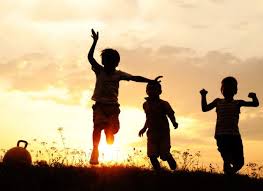
Children love to play, adults love to play and I love to play. Play is a natural social scenario that starts from the time infants are able to take control of their own body and interact with other humans. Play provides real life learning opportunities that help teach and develop socially appropriate ways of interacting with each other, how to follow an agreed upon set of norms as well as creating a healthy body.

The way a child plays independently (or is not able to), the way a child engages with a group of peers in play and the way a child is able to communicate, problem solve and compromise in these settings serve as an extremely valuable source of information about my students. As teachers we strive to provide lessons that help teach responsible citizenship in our classrooms and schools (character education). We need to look no farther than our playgrounds to find contextually relevant opportunities to focus on character education.

I start my year by watching my students play. I look for patterns they display in how they communicate, how well they listen, do they compromise, can they problem solve or do they argue, become frustrated easily if the game is not going their way. Are they passive or competitive? I use the data I obtain to drive my social skills program. I am able to complete a gap analysis and begiimagesn to plan out the sequence of skill introduction. This years’ initial class needs have me focussing in on developing the ability to handle scenarios that do not go their way and result in them becoming argumentative about winning and losing.

Digging the new digs.

IMG_5143
Before

Colleague: SO…how did you end up out in a portable?

Me: I volunteered.

Colleague: Really? (making a face of disbelief) You volunteered?

Me: Yup! I call it the learning bunker or my tarmac chalet.  Did I mention it is air-conditioned and has a dedicated WiFi signal? (trying not to smile too much)

During
During


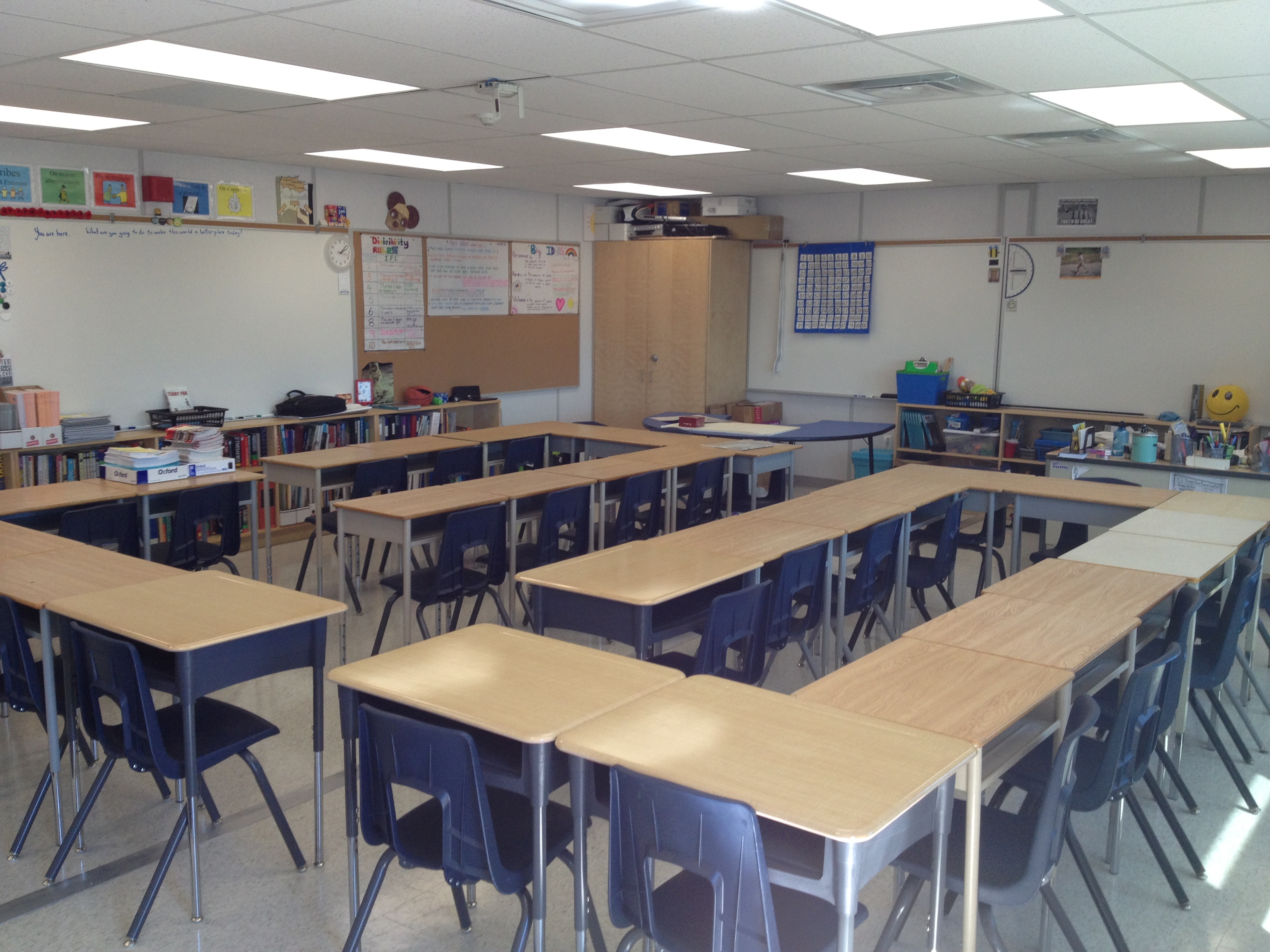
This year’s students will occupy, to the max, every square inch of this indoor space. And they will be allowed to shape it to suit their needs as learners for this year, and not mine. This will be, after all, a democratized classroom intended to engage student voice and choice from the get-go. However small, our instructional space will not be limited to these steel clad walls. Instead we will pursue a more ubiquitous approach. In fact a world of outdoor learning is mere metres out the single entrance/exit door, just as much as it is at the tips of fingers online.

Starting with this configuration on Day 1

So how will it be in your class? Will you allow students to shape it to make it their own? Are the walls waiting to be the gallery space for their work? How will you step aside for your learners to thrive?

Whenever reflecting on this, I always find motivation from the Twitter motto of Christina Milos. It says,  “Making myself progressively unnecessary. Therefore, a teacher.” That simple axiom frames what I want to do for my students year after year, and challenges me to do better when I catch myself falling back to old habits.

Every time I want to make it my class and about me it’s simple wisdom from teachers like Milos that keep me humble and focused on my role as educator, equipper, and encourager with a job to do.

It now becomes the homeroom to 30 new Grade 6 learners with hopes, dreams and limitless talents. I can’t wait to see what they will do and will enjoy becoming progressively unnecessary to them as the year goes on.


Dear Teacher

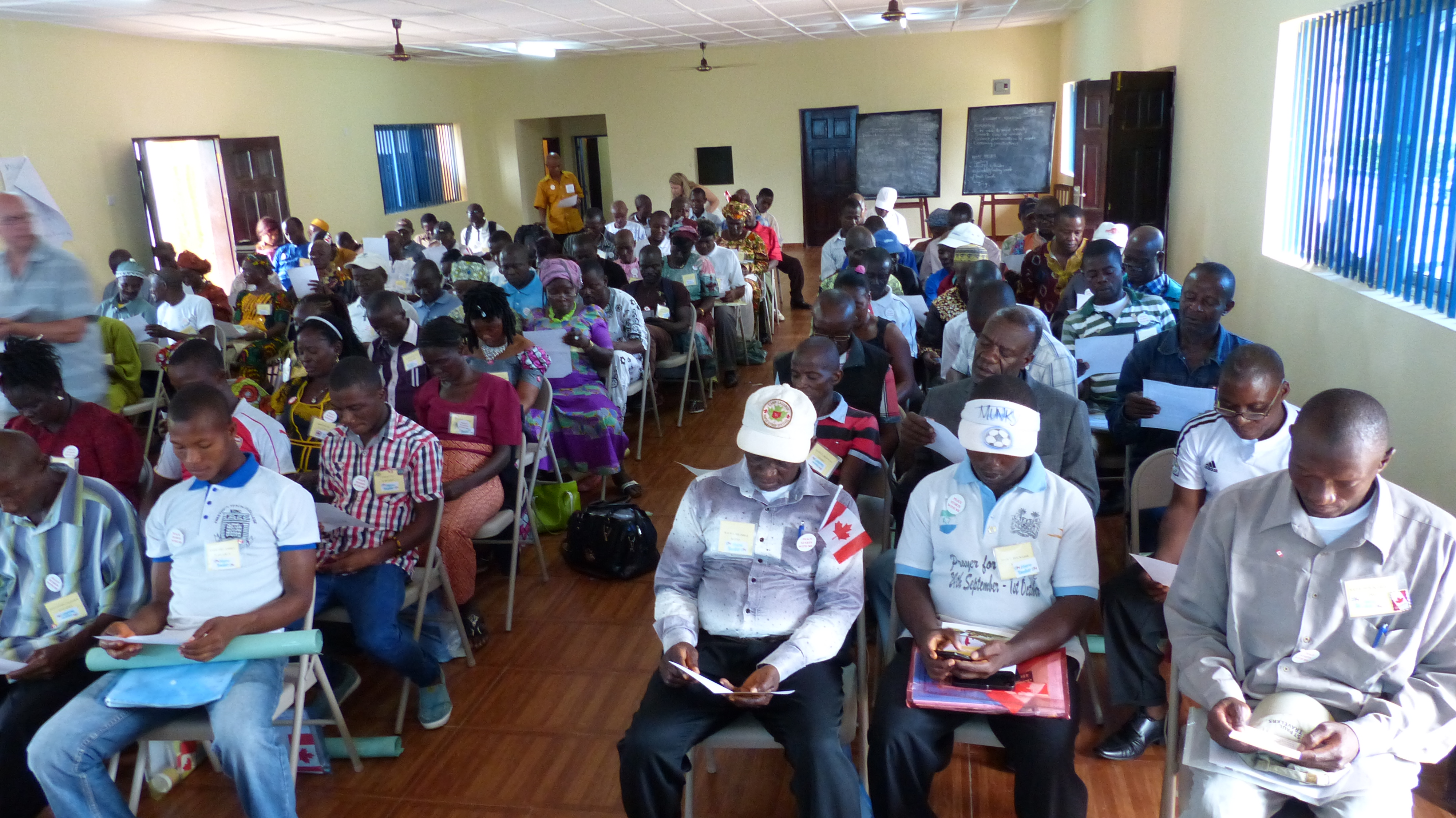
This is an open letter to all teachers across the world no matter what your role. This past summer I was part of a campaign entitled ‘Project Hero’. Teachers and students from across Canada wrote to teachers in Sierra Leone celebrating the extraordinary courage and resiliency they demonstrated during the Ebola crisis in their country. My team and I were able to hand deliver over 300 letters to teachers from all regions of that country. In continuing with this campaign, I am sharing a letter from me to teachers around the world.

Dear Teacher,

What words describe a hero? One might say kind, super hero strong, courageous, resilient, compassionate, generous, self-sacrificing, trustworthy, gracious, fearless and loyal (only to name a few). Each and every day you demonstrate these altruistic characteristics in so many ways that make a difference for the students you are entrusted with.

Yet, your tireless efforts are not celebrated in books, movies or on the television. Your efforts are not worthy enough to make the evening news or local headline. There are precious few times when even a thank you is shared. That is what makes you a hero. You are not seeking public fame. You are not trying to get unlimited likes on social media and you do not seek out recognition of any kind. You simply do what you do because it makes a difference in the life of a child and ultimately the world in which we live in.

I have had the honour of being a teacher for thirty-one years and am ready to start another voyage in the life of a group of children. I am honoured and humbled to be in such a noble profession working with heroes like you each and every day. I wish you the best in this school year and will say thank you in advance for the many, many heroic acts you will carry out on behalf of children around the world.

Humbly yours,

Michael Beetham

https://www.youtube.com/watch?v=QDVECWcYtjc

P1060687   PS – please share this video with a hero you know

– this is the moment some of the Sierra Leone teachers

received their letters

All gone

Rm 103 photo by author

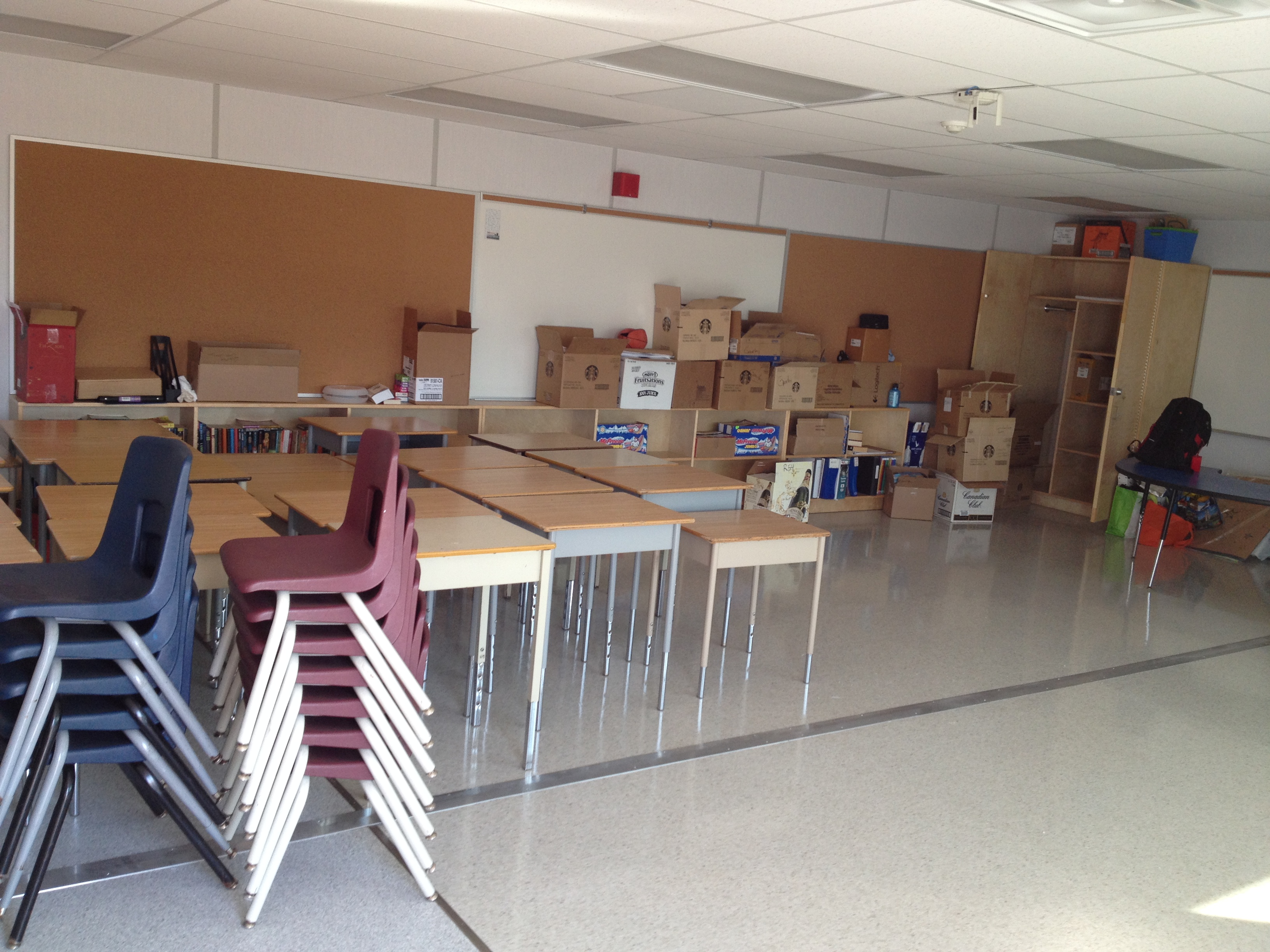
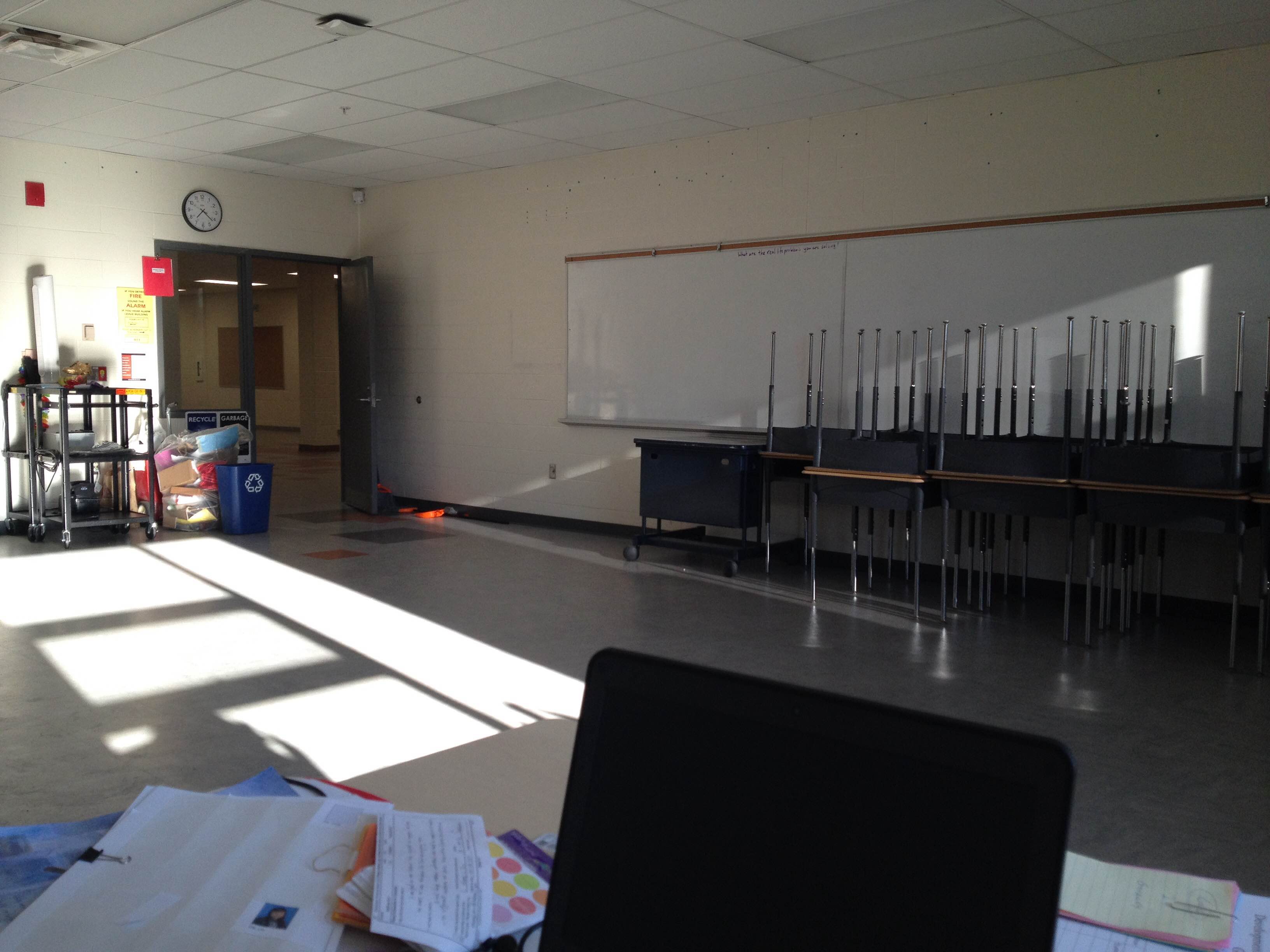
Desks emptied, stacked and put aside. Check. Dormant superfluous paper recycled with extreme prejudice. Check. Walls filled with student work, learning goals, art, and inspirational messages now returned to vanilla coloured vacant voids in waiting. Check. Boxes packed and piled in preparation for transport to my new pending portable location (second in 4 years). Cool.

As you’ve observed from the picture on the left, Room 103 is on vacation along with my students. Until the middle of this week it has been a 10 month hive of activity home to 31 + 1 learners all buzzing at their own frequency. Our class was a hub of inquiry, personal growth, and constant learning. And now it’s all gone.

With 9 weeks of summer ahead, I wonder how much of what has been taught over this past year will come back with students when they return in September? Have you ever thought about why we the school year is paused in the modern learning era? Have you ever wondered what it might be like to embrace a balanced teaching year?

I am not advocating additional teaching days beyond the 190+/-, but am asking if we could consider alternatives to a schedule that seems more suited as a throwback to our hunter gatherer ancestors. This got me asking how the schedule we work around really came to be used? Other than the fact that our elementary schools are not equipped with any climate control in the classrooms I am not sure what else it might be from balancing the instructional year? A post from Learning Lab Why Does School Start in September? Hint: It’s not the crops provides some context to this issue.

Now before the hate mail about how important the summer break is for teachers and students, let’s consider the positives. Balanced school schedules allow for greater retention of instructional concepts. That means less knowledge hemorrhage from year to year. Imagine students having the same amount of instruction time, but spread out more evenly, but they retain more of what they’ve learned? Secondly, with a balanced year, there will be weeks off at different times for families to enjoy time together around already existing holidays. Think of the travel savings? Imagine if March Break was 2 weeks? We could all drive to Florida and back relaxed and ready for Spring.

Okay, I’ve shared the sunny side of this, but here’s the shady side. Balanced school years impede students’ ability to make money from summer jobs which may be crucial to helping them attend school, or helping their families. Balanced school years may not provide enough recovery/down time for students or educators to relax and recharge. This might lead to mental health issues such as stress and anxiety. Not good.

Weighing both sides of the conversation is healthy. There are schools already operating on a more balanced schedule with positive results. So where do stand with the classroom empty and the students/staff all gone. Where would you want education to go with this one? Holler when you get a chance. After some down time.
Happy summer. Thanks for reading, responding, and sharing. See you in September. Will

Start strong. Finish stronger

I write this post as a tribute and thank you to all educators who breathe inspiration into the lives of their students and into one another from September’s strong start to June’s stronger finish.

This post is the completion of a promise after a response reminiscent of a rant  written to address comments in the media about educators. In the spirit of warmth and fuzziness I’ll keep my word(s) positive.

You did it!
10 months in the books, out of the books, torn away from the books, and complete with several second looks. From field trip bookings and to figurative (text)book burnings the school year sparked a 5/6s of a year long fire of growth. And now, as the embers cool, the ash settles, and the warmth fades another year of memories will linger as ember in the mind to be stoked again soon.

Does anyone else feel the same way? I do and know that I’m not alone on this one.

This year, my seventh, which I am privileged to witness many intellectual and life fires lit, fanned, spread wildly, and occasionally control burned. A feat, I am sure, that was accomplished throughout millions of classrooms around the world thanks to incredibly caring educators like you.

Imagine that you were part of the transformation, edification, and education of a student. You helped someone, or several someones, be a part of something, achieve something or realize something they’d never known before? Could there be a more noble calling?

When students arrived in your classroom last September, they were rough around the edges, unsure of what was to come, carrying some of the baggage from the previous year, and full of energy (nervous and otherwise). And from that you set out rough around the edges, unsure of what was to come, carrying some of the baggage from the previous year, and full of energy (nervous and otherwise).

There were times, too many to mention (reports, parent meetings, phone calls, bombed lessons, planning lapses, sick days, and life in general) that required us to dig deep into our vaults to rise above, resolve, and retain our raison d’etre.

And now?

Rest, raise a toast to one another, as I do to you because you started strong and you finished stronger.

Cheers! Santé! Gom bui! Kampai! Prosit! Djam! Mabuhay!
Thank you for the inspiration.

Will

Saying goodbye

This time of year can be tough with all the goodbyes. This year, I am saying goodbye to the wonderful teacher who filled in for my teaching partner who lost her battle with cancer this year, my incredibly talented principal, my friendly and bubbly vice principal and my go-to person Behavioural Teaching Assistant. I know that honouring our time together and saying goodbye in a special way was really important to all of us.

The Arts and French department went off and brainstormed some ideas of how to honour our colleagues. Some ideas came really quickly and others took a bit more inspiration.

My hope with today’s blog is that if you are stuck for an idea on how to honour a colleague in the future, maybe some of our ceremonies and events from this week can act as an inspiration to you.

Saying goodbye to our staff:

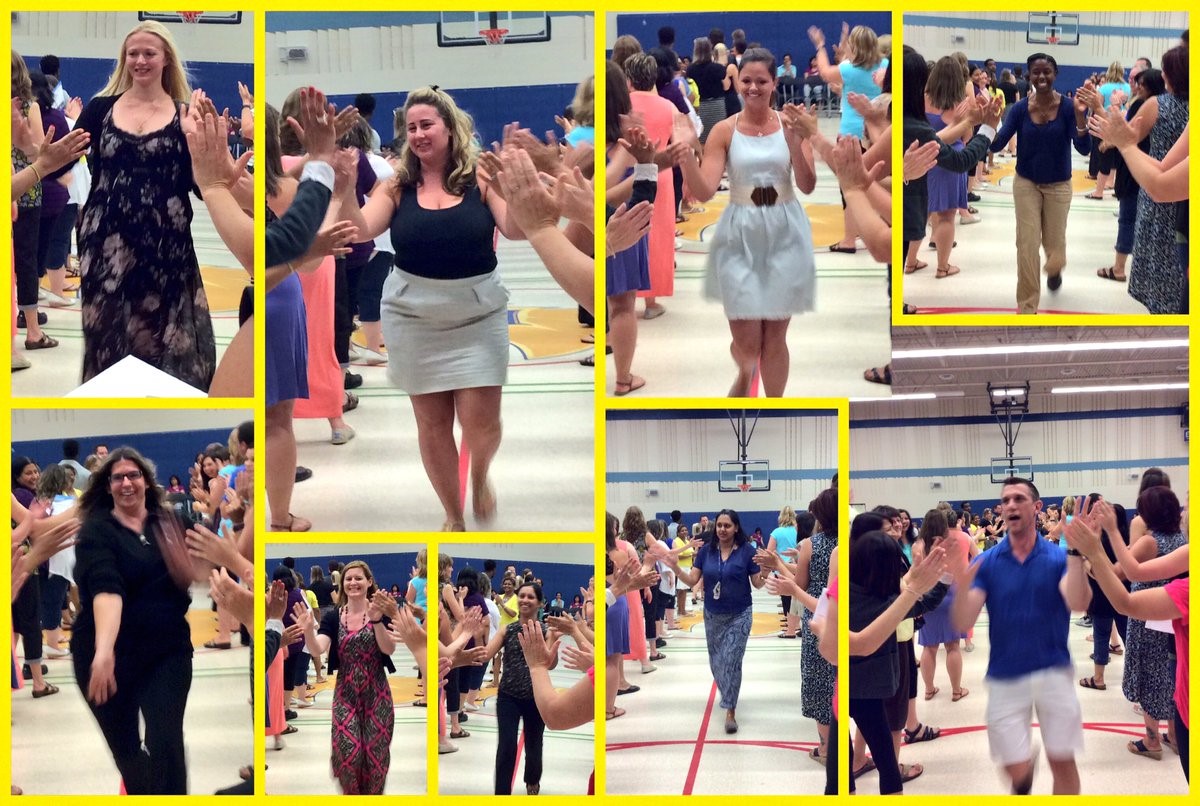
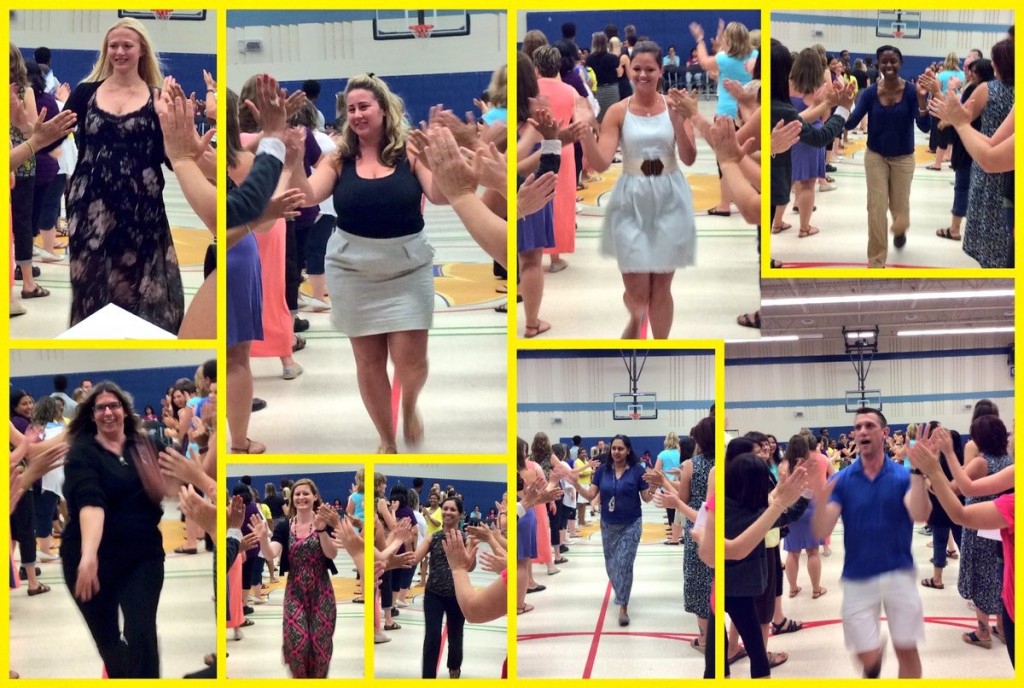
This idea was really simple and was inspired by Eldorado Public School. At our final assembly this week, we had all of our staff lined up and had our leaving staff go through a high five train. We had music playing and the students cheering for everyone. It had such a great feeling of “Thank you!”.

Here is a picture of Eldorado Public School’s goodbye to staff.
eldorado

Honouring our principal and vice principal:

To honour our principal and vice principal leaving, we had the students and staff both prepare something. The grade four students took time to write a rap song for our vice principal. I walked them through the brainstorming of ideas and then let them create and write their own raps in groups. I took the best ideas from a variety of groups and melded them together into one performance piece. This is the piece we came up with:

Yo Vice, we miss you already, we m-m-m-m-m-m miss you.

You’re the best vice principal in the world and your leaving us behind noooo.

When students need ice,

You make them feel nice,

You’re very kind

you have a great mind

When we shout a yelp

you’ll be there to help.

You help us on the phone

When we call home.

Yo Vice, we miss you already, we m-m-m-m-m-m miss you.

You’re the best vice principal in the world and your leaving us behind noooo.

You wear fancy shoes

and believe we can’t lose.

You work with the staff

and give them a good laugh

When we start to cry,

you’ll always stand by

You’ll be in our hearts,

even when we’re apart.

Yo Vice, we miss you already, we m-m-m-m-m-m miss you.

You’re the best vice principal in the world and your leaving us behind noooo.

Yo vice, hope you have fun at your new school.

Yo vice, hope you have fun at your new school.

My students then began working on ideas for our principal and wrote a short story about all of her amazing qualities. They added all sorts of sound effects and ended the story with the song “Count on Me” by Bruno Mars. This is the story that they came up with:

“Once upon a time there was a wonderful, amazing, extraordinary principal named Miss. Robinson. ( do do do doooo) She brightened the days of every man, woman and child at her school Red Willow. (oooohhhh) She went far and wide (within the school) solving problems and making the school a better place. (ta da) She came to the rescue faster than the speed of light. (whoosh) Just like any other superhero she had awesome superpowers!!! She was organized…. caring…..
Helpful…… responsible… and positive. Red Willow knew that they could always “Count On” Miss. Robinson no matter what. “

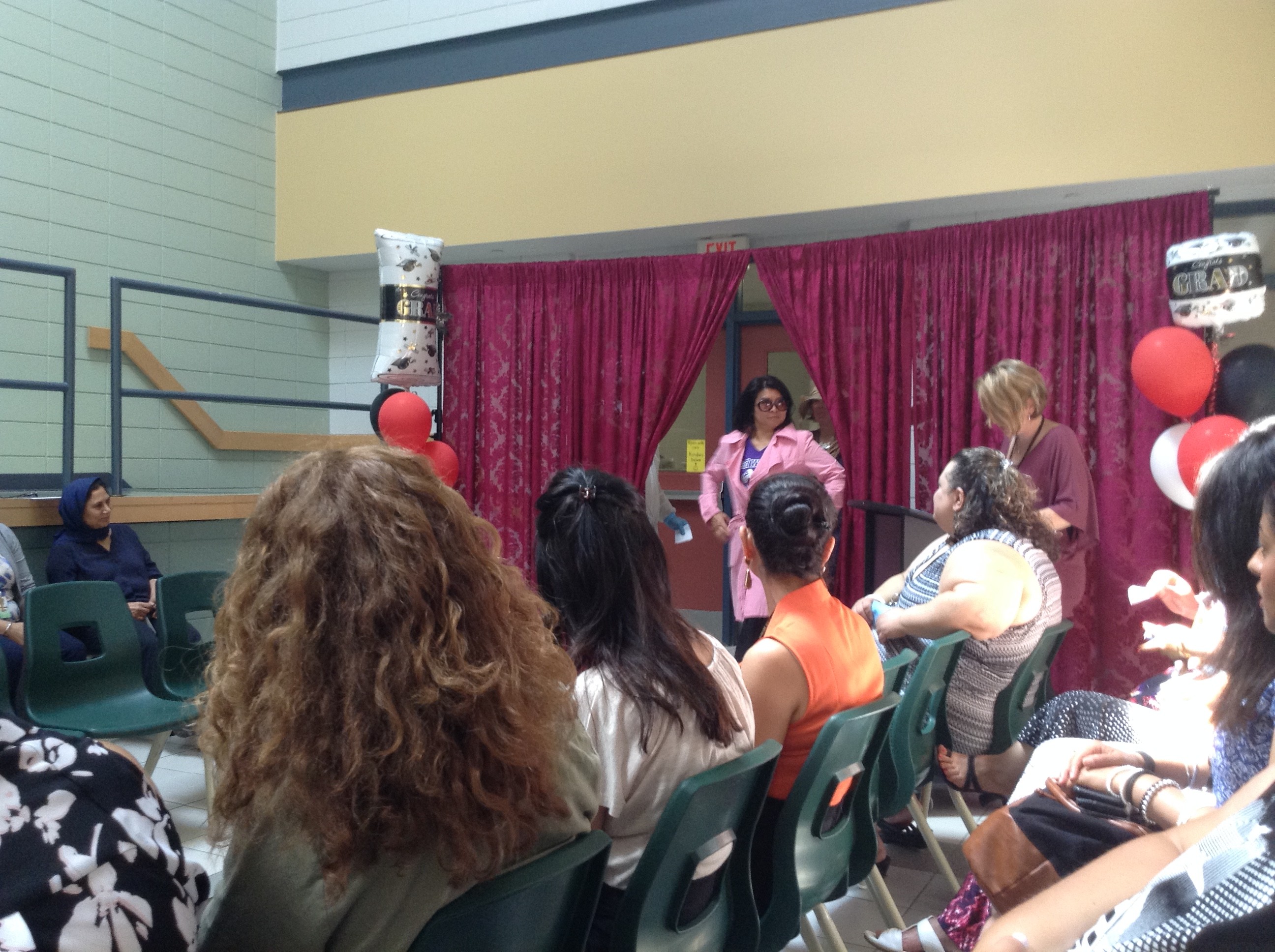
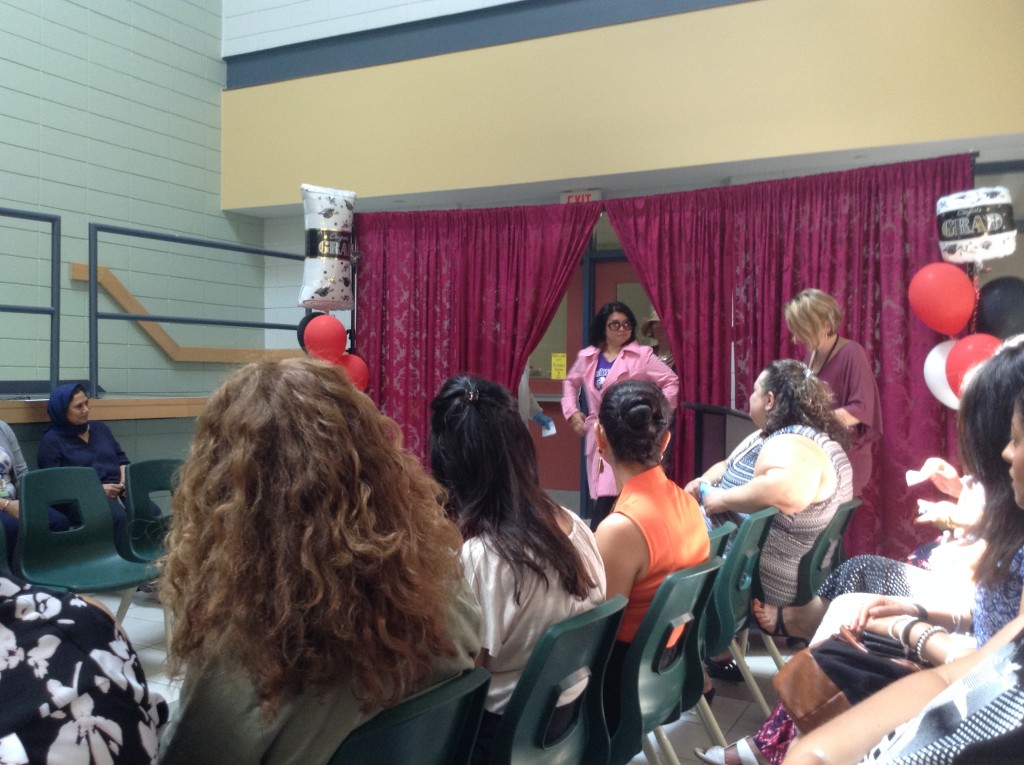
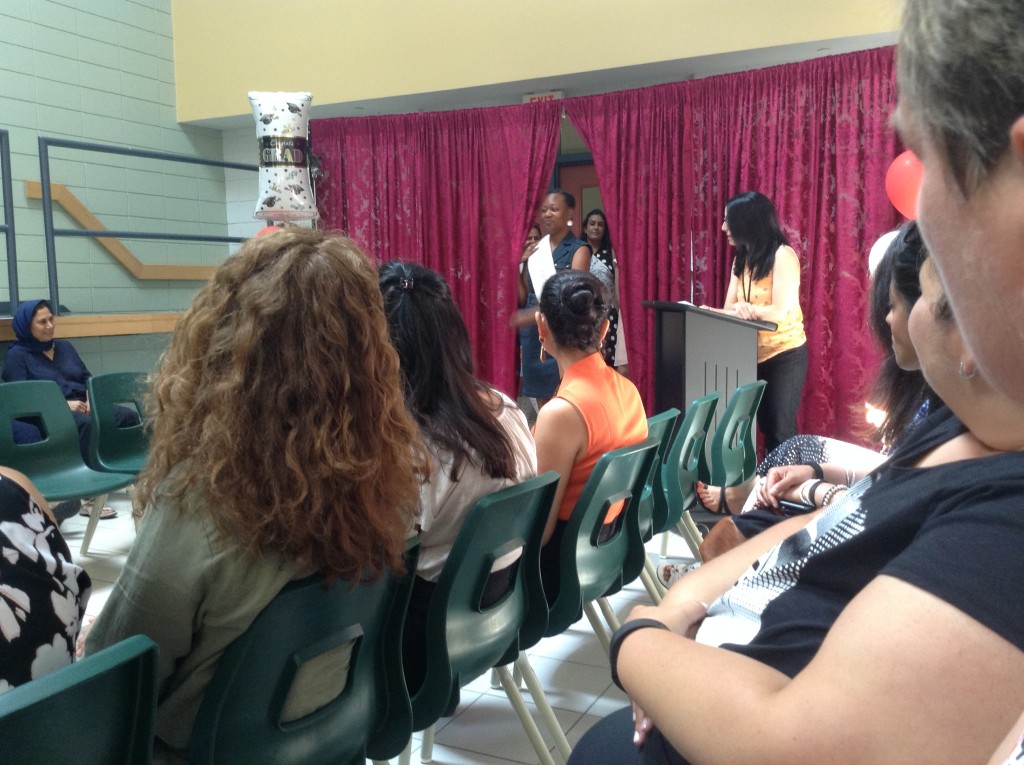
Our staff, created a full fashion show for our fashionista vice principal. Our staff members wore sashes with her qualities on them and had a prepared script that described their outfits. It was an upbeat, fun and celebratory event.
fashion show 2


fashion show


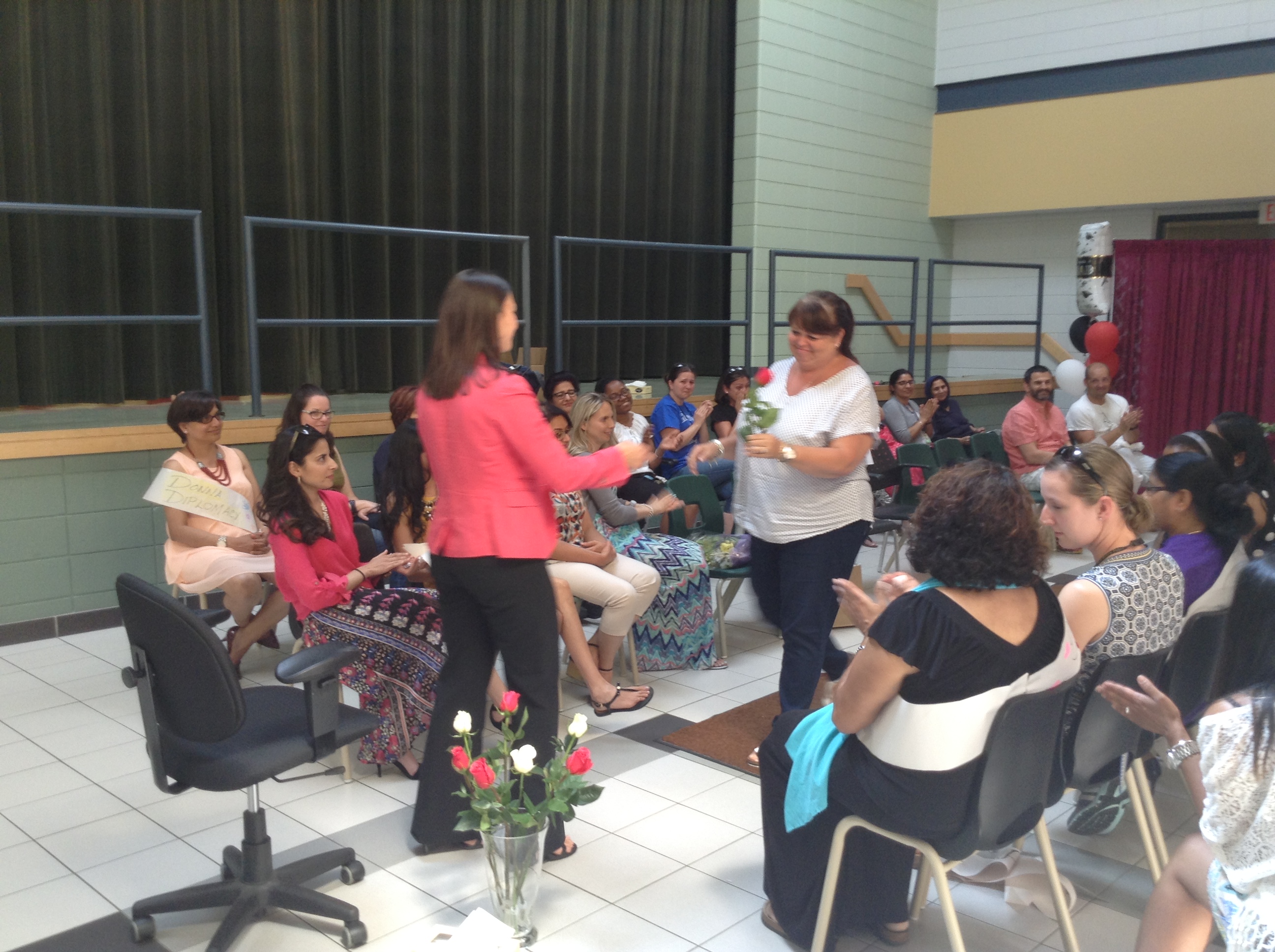
Our principal was honoured through the presentation of a bouquet of flowers presented one flower at a time by the staff. About fifteen staff members spoke and either read a quote, sang a song or just spoke from the heart about the impact that our amazing principal had on our lives. It was a really simple and beautiful event.
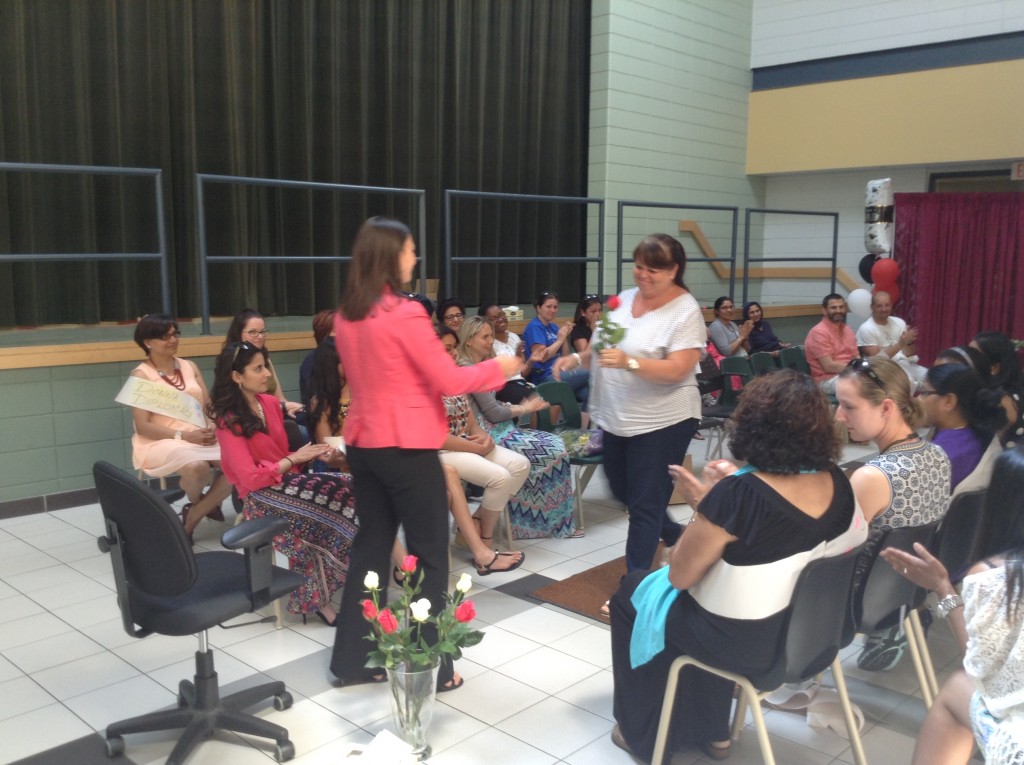
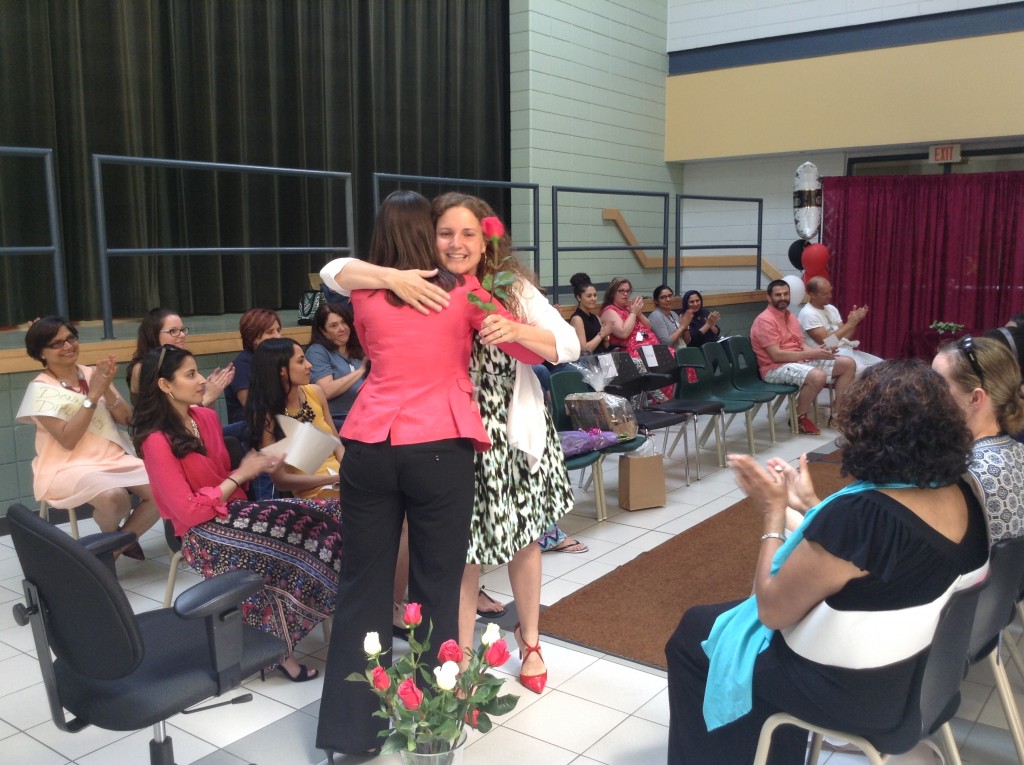
flower ceremony2


flower ceremony


During the last day of school, I will have to say goodbye to some of the most important people in my world over the past couple of years. I hope that they enjoyed their send off as much as we did preparing it.

Have a wonderful summer and a much deserved break!



Taking Time To Celebrate!

There are many days when things don’t go right when you are teaching. The technology doesn’t work, you get blasted by a parent or you just can’t seem to make a breakthrough with a student who is struggling to read. I figure there will be a multitude of these days throughout the twenty some odd years I have left in the classroom. However, once in a while there is one perfect moment where it reminds you of the reason you love teaching more than anything else in the world. I think that it is important to stop and let the feeling that you made the right decision in this instance wash over you, as it is sometimes hard not to let the negative events overshadow the great things that happen.

I had a former student unexpectedly come and visit me last week. She was a student that I will never forget. She arrived at our school from a war-torn country where she had lost a limb due to a land mine explosion. She barely spoke English and she really struggled to find her place at our school. Even with all of these hurdles, she gave it her all in music class. I assigned her the bass part in our Orff ensemble piece, as she had a rock steady internal beat which is very difficult for students at that age. She did amazingly well. Every single music class, we chatted as well as we could with her limited English, and she kept the beat for all of our pieces with her one hand. At the end of every music class, she looked proud of herself and she left with a smile.  At the very end of the year, she came to me and handed me a small box with a necklace inside and simply said, “Thank you”. It is probably the thank you that I will never forget for my entire teaching career.  Fast forward to last week when she came to visit me and she walked up and said hello. She then continued to tell me all about her new school in fluent English, how she liked her new teachers and how everything was generally going well. Her time at our school was not like some after school special. She had many difficulties right until the very last day, but I am confident that my music class was a happy place for her to come to.

Sometimes, as teachers, we are really hard on ourselves and we forget to take a moment to celebrate the small victories in our day. I challenge you to sit down and think about five things that went well this year, either big or small.

Who is feeling tired and cranky?

Who’s feeling a little tired and cranky these days? It is definitely the students – they just won’t listen, and they seem to have forgotten all the proper classroom behaviour we have worked so hard on establishing all year! I find myself losing patience with some of them because they are doing things they know they should not do – like, piling up on each other at the carpet, or jumping off a step when they should be standing in line, waiting quietly.

Who am I kidding? I am definitely experiencing a sleep deficit and feeling like the summer holidays can’t arrive fast enough. My colleagues and I pass each other in the corridors, rolling our eyes, sighing deeply and muttering about how many sleeps are left until the end of the school year. We can try and blame it on the students, but their behaviour is really just a manifestation of our collective state of mind.

This notion was brought home to me a few weeks ago when I had the luxury of attending a workshop at the school I will be working at next year. It is a lovely small school, where the staff has a common vision regarding the use of the outdoors as a classroom. The school is located within walking distance of a bird sanctuary which is visited weekly, all through the year, by the staff and students as part of their environmental inquiry. To give us the right state of mind, our staff meeting started with a walk through the woods where we saw turtles, ducks, herons, and woodpeckers. We looked for and found owl scat at the base of some trees a few owls had been nesting in until a few days prior, and we noticed all the new plants coming up on the forest floor. It was wonderful. When we got back to the school, we were able to focus our discussion on what we felt was really important which was getting outside with our students. It was wonderful and productive.

The next day, when I was back at school, I felt like I was floating through my day – any challenges or needs the students had I met with a calm and clear mind, happily answering questions, and leading them through the day. Even when my student who has serious behavioural difficulties began to escalate his behaviour, I was able to redirect him because of my peaceful, positive approach, and in the end, we were all able to have a great day.

I made a point of telling the principal that I figured out how to manage challenges at school, and that we all should have walks in the forest, as often as possible, especially when things get rough at work. Although she chuckled at my comment, she knows I was serious. It’s the old stop-and-smell-the-roses attitude that we can use to redirect our stress response so that we have a positive day interacting with our students and colleagues. We know the power of the outdoors on our students – it’s a good thing to remember that the benefits are also profound for teachers, too.

The Scope of Our Impact

Not only is teaching one of the most demanding professions, it is also one that garnishes the most rewards. Being a part of the narrative of our children, names us beneficiaries of their love, appreciation and the opportunity to positively impact their todays as well as their tomorrows.

I currently work in the school board that I was educated in. After 14 years as student, I’ve had the opportunity to return as a teacher, sometimes working alongside the teachers who have instructed me. I will never forget my first day on the job as I walked into the staff meeting only to see my grade 3 French teacher sitting among my new colleagues. She immediately recognized me and begged that I didn’t disclose that she had been my teacher for fear, perhaps, of her longevity being deemed something other than exceptional. I promised and never told, but more importantly, I was filled with a sense of accomplishment to know that not even 20 years before, I was a little girl, sitting keenly as she taught. I wanted everyone to know that I was a product of our system and the culmination of both peaks and troughs that have helped to shape who I am today.

What does this mean for me now? Simply that I view all my students as my potential colleagues. Not only do our students have the opportunity to join this rewarding profession as educators, but they very well can be the painters, doctors, mechanics, and bankers of tomorrow. In fact, with the rise of technology and innovation at its peak, the contributions that our students can have on our world can be found way beyond our imagination.  Therefore, more than curriculum expectations, we need to teach our students how to be kind. We need to teach them to be the kind of people that will nurture and sustain a world filled with love and respect and work to rid the world of the challenges that rob this kind of experience for those in the margins.

How  might we accomplish this? Be the change! Model citizenship. Breathe love. Administer respect. Invite productive conflict. Salute courage. The is the hidden curriculum that is constantly at work in the walls of our schools and that is the curriculum of life. Teaching our students how to navigate and persevere in challenging times will nurture the fortitude they will need moving forward.

Not only is teaching one of the most rewarding professions, it is also one of the most demanding. Being a part of the narrative of our children, names us responsible for inviting the kind of experiences that impact how identity is nurtured as students develop a holistic sense of self. Wielding the power of our impact with wisdom and love will ensure that the influence we have on our the students will be positive.


Revise, Refine, Reimagine

Although sometimes I would rather have a balanced-calendar school year, where summers were shortened and more frequent breaks are embedded throughout the academic year, the two months off that a 10-month school year calendar is still a welcomed experience. The structured close of what often is an intense year of teaching and learning, affords us the opportunity to touch the reset button, as it were, and engage in some meaningful reflection about how to continue the journey forward.

For me, this is one of the most difficult times of the year where my focus is consistently being challenged. Engaging in year-end activities (i.e. report writing, school celebrations, etc. ) while at the same time anticipating the year to come (i.e. new teaching-assignments, classroom moves, etc.) pulls my attention is so many directions that I find it hard to stay present and in the moment. My mind is constantly racing ahead as I would honestly rather engage in the year-end clean-up of my classroom as the thrill of reorganizing my “stuff” seems all too inviting. (Sidenote: teacher hoard WAY too many things…sigh…)

Reflecting on the year that was, however, is the best way to prepare for the year ahead. Intentionally thinking about the things that went well and the challenges that were grappled with can prepare you for a more focused year. The following is a framework for reflection that some colleagues and I have explored as we sought to address areas where we can improve in the work we do:

Revise: What were the things that didn’t work out the way it was intended to this year? Why was that so? How might you revise the experience so that it achieves the purpose and function that you had originally envisioned?

Refine: What went well this year that, with a few additional tweaks, could go even better the next time around? How might you refine your practice in ways that allows you to work smarter and not necessarily harder? What might be some efficiencies that you could employ that will allow your efforts to be stretched far and wide?

Reimagine: What possibilities might there be for aspects of your practice that you find stuck in your comfort zone? How might you embrace the spirit of innovation to reimagine possibilities that were once never an option? With the prevalence of technology and resources that support integrative thinking, what aspects of your practice might be opened to your imagination for radical shifts?

After engaging in thoughtful reflection the year forward can look so bright. With the natural starts and stops, we are compelled to be progressive as teachers. Here’s to closing the school year with a boom and beginning the new one with a bang.