Learning Skills – Comment Samples

Update, July 1 2019: I have added a new post with even more learning skills samples. 🙂 I’ve also posted some FSL comments for the Core and Immersion teachers out there.

One of the most difficult things I faced as a new teacher was having to write report cards. I struggled with trying to balance honesty with professionalism, giving detail without being overwhelming, and making everything “parent friendly” so they actually got a sense of how their child was doing in school. A few years in now, I feel like I’m starting to get the hang of this report card writing thing… so here I am to share a few sample comments (edited, of course) for anyone who would find them helpful. These comments are from several different years and several different student profiles. Looking back on them now, I feel oddly self-conscious about these… I feel like there is still so much more I can do to improve my reporting skills.

Here, in no particular order, are six different learning skills comment samples. Enjoy!

– – – – –

It has been a pleasure to teach (name) this term. She arrives at school each day with a positive attitude, bright smile, and determination to do her best no matter what the task. She is an active participant in both whole class and small group discussions, eagerly offering her ideas and insights.

During independent work periods, (name) can always be counted on to stay on-task. Her work is always completed on time and with considerable detail. She checks in with her teachers regularly while working to ensure that she is on the right track and readily asks for clarification when necessary.

When collaborating with peers, (name) easily takes on leadership roles to help guide her group to success. She engages her peers in the task and tries to encourage everyone to contribute. On the rare occasion that conflict arises, she is generally able to work with her peers to resolve the issue without needing assistance.

Overall, (name) has been very successful this year. She has been a positive role model for her classmates. Have a wonderful summer, (name)!

– – – – –

It has been a pleasure to teach (name) this year. He arrives at school each day with a positive attitude and a smile, willing to take risks and always do his best. He is generally an active participant in both whole class and small group discussions, eagerly offering his ideas and insights. While he is following along with lessons, however, (name) has needed frequent reminders to put books away while teachers or peers are speaking. Going forward, he is encouraged to find appropriate times to read so that he is listening actively at all times.

During independent work periods, (name) has some difficulty staying on task and completing his work on time. His success depends greatly on which peers he is seated with, becoming easily distracted by chatty students. When focused on his work, he has a tendency to spend too much time in the planning stage, resulting in having to rush to finish his work at the last minute. Next year, he would benefit from working with his teachers to continue developing time management strategies.

When collaborating with peers, (name) easily takes on leadership roles to help guide his group to success. He engages his peers in the task and tries to encourage everyone to contribute. On the rare occasion that conflict arises, he is generally able to work with his peers to resolve the issue without needing assistance.

Overall, (name) has had a great year. Best of luck in Grade _, (name), and have a wonderful summer!

– – – – –

(NAME) is a hard-working, enthusiastic student with a keen sense of humour. He readily participates in class discussions, offering his ideas and perspectives with confidence. He can always be counted on to complete his work on time, as he consistently checks in to make sure that he has submitted all required work. He has begun to double-check assignment requirements while working on them, which is helping him to ensure he has all the necessary elements before submitting his work.

During independent work periods, (NAME) generally remains on-task, but can occasionally be distracted by students around him. A verbal reminder to return to the task at hand is usually enough to get him back on track. Going forward, he is encouraged to recognize when he is becoming distracted and independently seek out solutions, such as another workspace or asking his peers to be quieter, to help him stay focused.

(NAME) can always be counted on to try and make all students feel welcome and appreciated in the classroom. He is quick to encourage students in their efforts, offering them a reassuring comment to help set them at ease. His kind nature and caring attitude have helped him immensely in the classroom, as he can work with any student without issue.

At times, (NAME) can seem easily discouraged by other students correcting him or commenting on his work. He should take pride in what he has accomplished so far this year, as he has made immense progress. He is encouraged to continue developing confidence in his abilities in the French Immersion program, as his efforts and determination have not gone unnoticed. Keep up the great work!

– – – – –

It has been a pleasure to teach (name) this year. His compassion and witty sense of humour have been welcome additions to the classroom community over the course of the year. He is eager to participate in class discussions and offer his insights and experiences in all subject areas. At times, however, he plays with small items at his desk or taps his hands in a way that is distracting both to teachers and to his peers. He is encouraged to try to avoid these behaviours in the future and to ask for a break if feels that he needs to move around.

(name) takes pride in a job well done and has a strong work ethic. He consistently hands in assignments on time and ensures that the work he submits is of a high standard. He has continued to ask whether he has any work outstanding in order to stay on top of deadlines, and this sense of initiative and responsibility will serve him well in the future.

In general, (name) collaborates well with his peers. He can be counted on to complete his share of the work with enthusiasm and detail. At times, he can become frustrated with his peers if they are distracted or not working, and this frustration can lead to him addressing his peers with a critical tone of voice. Going forward, (name) is encouraged to seek assistance from the teacher when he is frustrated with his group and to try and maintain a respectful tone with his peers at all times.

Overall, (name) has been working hard this year to improve his skills and take on more responsibility. He has strong interpersonal skills both with his peers and with adults. Great work, (name)!

– – – – –

It has been a pleasure to teach (name) this year. Her strong work ethic, compassion, and creativity have been welcome additions to our learning community. Throughout the year, she has consistently demonstrated an eagerness and dedication to learning in all areas. She consistently participates in class discussions, providing her opinions with confidence.

(name) approaches most tasks with a positive attitude. She is not easily discouraged by challenges and, when necessary, will seek clarification or assistance from her teachers. When completing projects, she habitually cross-references her work with the expectations (usually in rubric or checklist form) to ensure that her work is of high quality.

During independent work periods, (name) is always on task. She has a strong sense of time-management and consistently completes her work on time. She will benefit from taking more time to improve the overall neatness of her work as she heads into Grade 6.

(name) has made considerable progress in working with her peers to integrate their ideas with her own. She has been working hard to be more open-minded with others’ suggestions. When collaborating with peers, she has consistently taken on a leadership role in organizing what needs to be done and how the group will achieve their goal.

Overall, (name) has been working hard this year to improve her skills and take on more responsibility. She is encouraged to take on more of a leadership role in speaking French in the classroom in Grade 6.

– – – – –

(name) is a kind, compassionate student who has made significant progress over the course of the year. While he is reluctant to participate in class discussions, his writing and completed work demonstrate that he is actively listening. He is a strong student for the most part, generally aware of what the expectations are for a task. This term, he has come forward much more readily if he has a question about a task, and his work has benefited greatly.

This term, (name) has had difficulty remaining on task during independent work periods. He often has a book in his desk that he reads instead of working on his assignments. He requires several reminders in order to continue his work. Similarly, there have been many assignments this term which he has submitted late or incomplete. Some assignments have been lost, while others were never finished despite extensions to deadlines. Going forward, (name) will benefit tremendously from taking greater responsibility for completing his work without needing reminders. His agenda will help him in this regard, as he will be able to keep track of deadlines and project status.

Collaboration has been a challenge for (name) this term. During group and partner work, his peers have often become frustrated with him for not taking on his share of the work. In many cases, he has required reminders from the teacher in order to complete his fair share of the work. For next year, he is encouraged to make a stronger effort to participate fully in collaborative tasks, as he has many interesting insights to offer.

Overall, (name)’s confidence at school has improved significantly this term. He is a strong, capable student when he is motivated, and he will accomplish great things in Grade 6 if he continues to improve his work habits!

– – – – –

Hopefully some of those comments help someone out there as we venture into yet another round of report card writing. I have always found it helpful to look at my colleagues’ comments to find new ways to word things, new formats to try, etc. A big part of teaching is learning from each other, and that’s why I thought sharing some of my comments from previous years would be beneficial to someone out there.

Good luck, and remember to take care of YOU as we wind down from the year.
Lessons From My Toddler

One of the things that has surprised me the most about being a new parent is how much my daughter has taught me about teaching. Even though her age doesn’t match at all with the age of my students, she has reminded me of many important considerations to keep in mind when teaching children. By reflecting on what I have learned about my child and how her brain works, I have come to realize that all of the things she has taught me about teaching her are also things I should be keeping in mind when teaching any child of any age.

Here are six lessons courtesy of my toddler.

Sometimes I need to ask her something more than once. If she does not respond to my first request, it is generally not because she is trying to be difficult. Most of the time, it’s that she is so absorbed in whatever it is that she’s doing that I’m not sure she really hears me. For my child, that usually means drawing, but for my students that means chatting with peers, daydreaming, reading – or just thinking. I’ve had students so caught up in their book that the entire class got up and left for recess without them noticing the commotion or noise.

Addressing her by name before asking her something is always better. Particularly when we are not alone in the house, I find that she is much more likely to stop what she is doing and give me her full attention if I call her name before speaking to her. Unsurprisingly, my grade four students are the same. They’re so used to hearing my voice all day, every day that they kind of tune it out unless they know I’m addressing them directly or the entire class.

She does not understand everything the first time I show it to her. Sometimes I need to find another way to show her the same skill before she finds a way which works for her, sometimes she just needs practice to master it, and sometimes she isn’t ready for that skill yet. Likewise, not all of my students will grasp something the first time I teach it, and most of them benefit from having the same skill or concept taught in multiple ways.

She experiences big – and I mean BIG – emotions. Her life is in a constant state of upheaval as she forges new connections, learns new fundamental skills, and expands her worldview. Her brain is changing constantly. She does not fully comprehend most of what goes on around her or why things are the way they are. She also does not really know how to regulate her emotions or behaviour yet, because she is a child, and sometimes that means that her emotions manifest themselves in really dramatic ways. My ten year old students are dealing with a lot of changes too – hormones, crushes, self-expression and identity, more knowledge of the world around them. They need help learning how to navigate the waters of pre-adolescence.

When she is having a difficult day, there is usually a reason. Kids are challenging. Sometimes my daughter behaves as if the world is ending and I’m the villain in the story of her life. She doesn’t want to put her shoes on, she doesn’t want to eat that sandwich, she doesn’t want to play outside OR be inside OR be spoken to OR be left alone. For some reason, when we are talking about toddlers, we can easily find explanations for their behaviour: they didn’t sleep well, they haven’t eaten, they are in pain from teething or growing, their routine has changed. We forget that older children are every bit as susceptible to these factors as toddlers are, and that likely our challenging students are not behaving that way just because they want to be difficult.

Every day is a new day. No matter how challenging the day before was, my child greets me each day with enthusiasm and hope. My students are the same way. Every day is a chance to improve on the day before.

I know I have learned all of these things before, and that none of these are new or groundbreaking ideas – but I needed these reminders.  Since going back to work, I have found myself so overwhelmed and frustrated by my students’ behaviour that I needed my daughter to remind me that my students are children too, even if they’re older. They have only been on this planet for ten years – barely any time at all! They need guidance, patience, and compassion, just like every child.

Performance Group Recommendations

I can’t believe that we are almost in June again. Wow! Time sure does fly by. June brings the writing of report cards, graduation, play days and it also brings some forward planning for the upcoming school year. Part of my role at school is to book and oversee presentations for our student population. On average, we usually have 3-4 presentations per year come into the school to perform for some or all of the students. With so many choices available, one of the hardest parts about booking performances is selecting which group to book. An engaging, entertaining performance is very important; however, of equal importance, in my opinion, is booking a group that is easy to work with and professional on the day of the performance. With that in mind, below are some of my favourite presentations that have come into my school over the past five or six years.

Dufflebag Theatre http://www.dufflebag.com/

Dufflebag Theatre is a performance group which takes fairy tales and other famous stories and performs them. The performers are very funny and keep the audience participating throughout their show. They also have amazing improvisation skills as they include students from the audience into their stories.

Our school has had Dufflebag Theatre a number of times over the past couple of years. Every time they have come in, our students have laughed a lot and I did not have to worry about a thing.

Q-Mack http://www.qmack.com/

How can someone talk to kids for 45 minutes and keep them completely enthralled? Ask Q-Mack, as he has done it both times he has come to speak to my students. He is a basketball freestyler and he often brings his friend Scott, who beat-boxes. Their message is incredibly positive and would be perfect for an anti-bullying assembly.

Cadence http://www.cadence-unplugged.com/

Cadence is a group of four acapella singers who are high energy and thoroughly entertaining.  They perform a variety of musical styles and have a lot of audience participation. My students and I spent a lot of time preparing for this group by experimenting with our voices and testing out our own acapella skills, which was so much fun.

Duo Percussion http://duopercussion.ca/

This group of two young men is one of the most professional groups I have dealt with. From a coordinator’s point of view, they are prompt with communication and so easy to work with on the day of the performance. They bring a variety of percussion instruments and entertain the audience with a variety of classical and modern pieces of music, such as the fan favourite “Super Mario Brothers” theme.

Fit2Dance http://fit2danceinc.com/

If you want your students moving and grooving, this is the group to book. Fit2Dance sends one person to the school to do a series of dance workshops. The students love the interactive nature of the presentation and enjoy the upbeat and lively music. Our whole school of 700 students can usually attend in one fun-filled day.

Saidat https://www.youtube.com/watch?v=CEqiQnKc_Gs

This is another amazing presentation that would be perfect for an anti-bullying assembly. Saidat’s message is all about being positive and making a difference. Saidat is highly entertaining and full of great energy. The presentation has a lot of great hip hop music and movement.

Kim and Jerry Brodey http://www.kimandjerrybrodey.com/

This show was very interactive and great for primary students. They had wonderful variety and action songs that the students enjoyed. They dazzled the audience with movement and drama.

Final thought:

Above are 7 performance groups or individuals whose visits went extremely smoothly. However, I have dealt with other performances that did not go as well. As a result, I have learned a few things:

ALWAYS, ALWAYS keep a copy of your contract handy. I have had disagreements about start times and available space that performers have agreed to. I have had to review the contract with the presenters and their booking agents more than once.

If your presentation is in the gym, give your gym teaching colleagues lots of notice as a professional courtesy to the disruption to their teaching space. Even better, include them in the decision making process. They will be able to tell you that a presentation may be better, for example, in February than in March as the volleyball tournament is in February.

Check in with the performer(s) a few days before their arrival to go over things like parking, arrival procedure, accessible doors and to review the main points of the contract.


The test

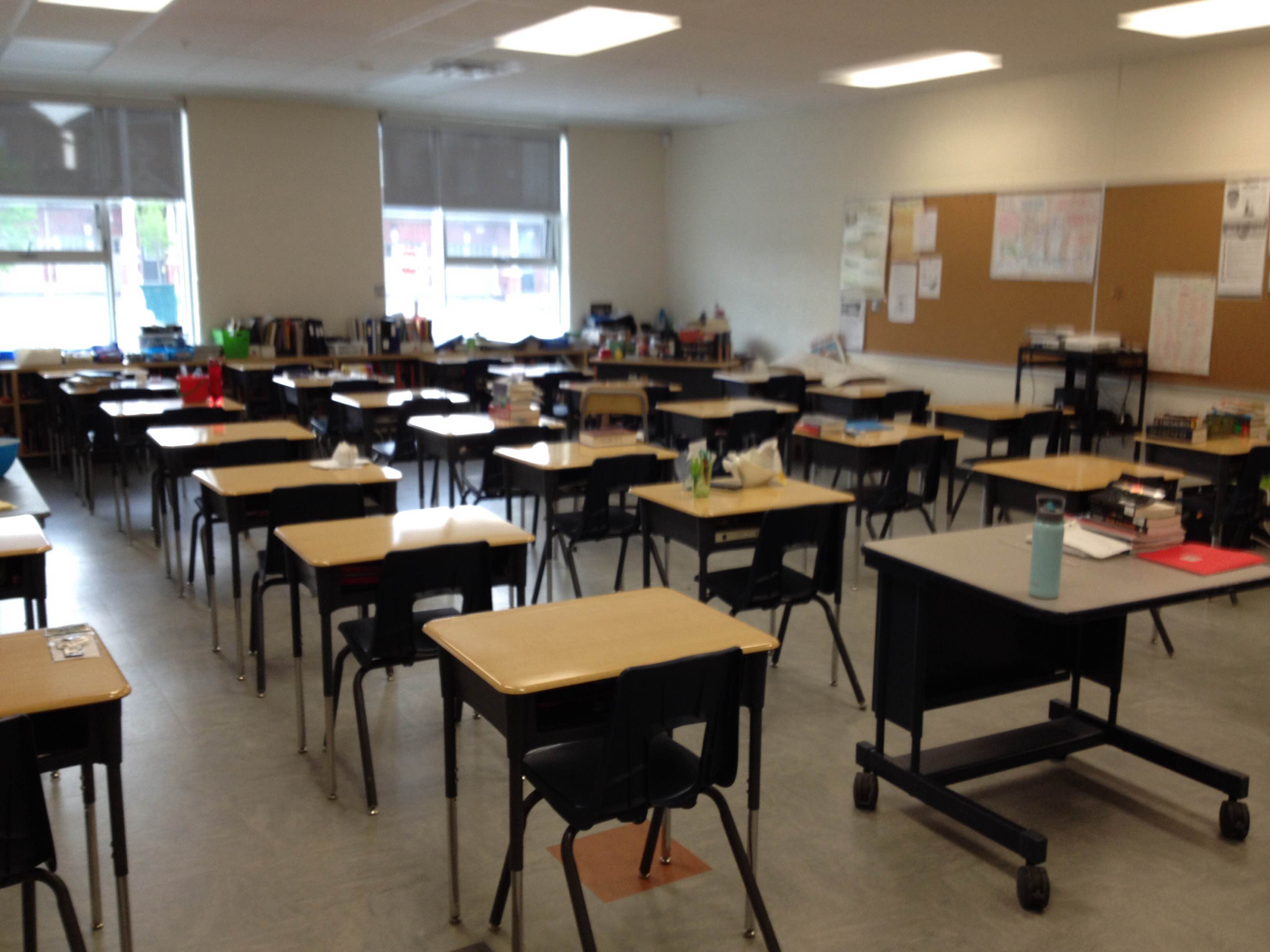
IMG_4870I am sitting in a room that silently waits for its students.

Merely by the way the desks are arranged, the world knows that it’s not going to be another normal day. Today is test day. Yup, that TEST.

With some trepidation, students will enter the classroom which has now been transformed overnight from a collaborative learning space into a scene from the ’50s. Today, the desks are in columns and rows that border on military precision with a healthy dose of compliance.

It’s go time, show what you know time because it’s standardized test time. So what’s all of the fuss about this time?

For months now something or someone somewhere has been planting seeds of anxiety in the hearts and minds of our learners. It has not come from inside of my classroom, but students are certainly arriving with it to school. As a result, it has led to some powerful conversations around mental health in education, problem solving strategies, and a debate over the logic(if any) of standardized testing. Nothing to fuss about here right?

The test has occupied the minds of some of our students it should be paying rent. Tim Urban might describe this state as a visit from the Panic Monster as he shared in his TED Talk from 2016. If we as educators didn’t put this monster into the minds of our students, then who did? Are there trolls handing out fliers off of school property? Is there a shadowy cadre of edu-data collectors directly marketing test score panic to families?

For the record, of course not. Yet, at the umpteenth time in a day I hear; “I’m nervous about EQAO”, “What if I do bad?” or ” AAAH! Evil questions attacking Ontario”, I know “the test” is having its affect on students and teachers too.

So how do we deal with the reality that this anxiety they’re feeling is real and students need our help/support to overcome it?

To combat these fears in our classroom, we have taken to increasing the physical activity level while differentiating tasks to maintain and broaden engagement. We move more. We laugh more. We work together more. Food helps too. I wrote a post about Test Crackers if you want to know more. For “the test” Samosas are on the menu in my class-veggie of course.

Instead of worrying, we have been developing our collaboration and critical thinking skills to work through challenges.  We’ve intentionally disrupted routines, not only to distract, but to shake things up. My grade 6s have been working hard for nearly 9 months. There is a lot going on at this age socially, emotionally, and  physically. They do not need to be burdened by external pressures or worry.

Since September, assurances and reassurances have been given to students so they know the marks from tests like these will not be seen by admissions committees at Harvard* or even good universities like Waterloo, MIT, and Stanford (lol). Students know that they have all of the tools necessary to succeed without obsessing over practice work booklets or past tests. I can only hope that our safe, and encouraging environment will help them if doubts start to creep in.

And so it begins, students file in, find their places, and standardized testing gets its butt kicked by samosa fueled class of critical thinking grade 6s.

* I’m sure Harvard is good too. I used it here purely for the absurd comedic value. Go Harvard!

How to get at the truth – maybe

Almost everyday in kindergarten someone tells a fib. Sometimes it is me – “I will come over to see you swing on the monkey bars in just a minute.” More frequently, however, the most talented fibbers are from amongst my class of 26 five year olds. Occasionally, the fibs are small, like, “No, I didn’t bring my library book,” or “Yes, I washed my hands,” – either of these are easy enough to verify by checking in a backpack or looking at the hands in question.  A more substantial variety of the fib comes in the form of a tall tale, which I guess is a subcategory of the fib, but far more interesting and creative. Examples include; “I found a wasp as big as a bird in my backyard,” or, “One day, I lost my tooth, broke my arm, got stung by a bee, AND fell off my bicycle!” Which was curious, because the exact same thing – minus the broken arm –  happened to another student one day, too.

These kinds of untruths can be left as is because no one is harmed by such exaggerations. A student who lets loose with one of these may be heralded amongst his or her peers as cool, lucky or a great story-teller, and may even garner a “Student X has an excellent imagination” comment on a report card from his or her teacher. However, the fibs that are problematic are ones which can cause some sort of injury. This is often the time when the truth is harder to get at and when we, as teachers, need to figure out what has happened so that we can report to parents or to the administration. Nothing is more frustrating than having both parties involved in a conflict deny involvement. How can they be so convincing? Looking you straight in the eye, and giving their side of the story, you think you may know who is telling the truth, until the second student denies everything. OK, someone here is not telling the truth, but who is it? I don’t have training in the forensics of lie detection, I don’t have the time to slowly draw it out of a student when my classroom is in full swing with 24 kinders, and I need to get to the bottom of this. What to do?

Quite by accident, the other day I stumbled upon a strategy that seemed to work really well and quickly. I am not sure if it was a one-off or if it would work with other students, but it is definitely worth trying again. The situation was a relatively common one in the school yard; one boy had shoved another boy during outdoor play. When I went over to put a stop to the scramble, I was ready to give a serious reminder about schoolyard behaviour to the boy whom I had seen doing the shoving, when he very quietly told me that the other boy had tried to pull his pants down. What?! This was a very uncharacteristic statement from a boy who enjoys running and wrestling and has received the old ‘proper playground behaviour ‘ talk a few times already.  But the other boy said that he hadn’t done anything! He told me several times, in fact. Here’s the problem; when we are dealing with our students in delicate situations like these, we always want to be fair, but it can be really hard when 2 five year olds look at you and blind you with their cuteness and excellent fibbing skills. So, instead of being hasty and jumping to conclusions, I decided I would try again to ask my question, “Did you do that?” but this time, I told the student he could answer me with a thumbs up if he had done it, or a thumbs down if he hadn’t. When I repeated my question, he squirmed a few seconds, looked everywhere but at me, folded his arms, then, there it was, the thumb popped up. Now we could get somewhere!

I can only assume that it is more difficult to tell something that is not true when you cannot use your words, and I can only assume that it may even be a small kind of relief when your body just goes ahead and tells the truth. There is no more conflict or hole-digging once the gesture gets everything out in the open. I am not really sure why it worked, but it was a gentle way for a problem to be resolved and for me to help two little boys who had both gone too far in their actions, and, as a happy ending to this post, I am happy to report are still good friends.

Homework or No Homework?

This is a question that I have asked myself over and over. At different phases of my career I have given myself different answers ranging from they must have homework because that is what good teachers do, to homework is a vehicle that creates problems and turmoil for the families of my students and thus should not be a part of my program.

There is no answer that fits all classrooms or that fits all students. Like every other aspect of my program I have to differentiate according to the needs and circumstances of my students and their families. The following site pinpoints the top 5 reasons for assigning homework and top 5 reasons for not assigning homework ( http://www.teach-nology.com/tutorials/teaching/proandconhomework.html

I am going to share with you an event in my career where assigning homework created a very negative scenario and conflict for a student. This student was a very intelligent, friendly, polite young man who was a pleasure to work with in class. Over the first two months of school he excelled in class but habitually did not complete any home tasks. It got to the point where his lack of responsibility toward homework was seen as a behaviour concern. A few weeks later I became aware that his Mom was in a coma and that his family spent each night by her side in the hospital. My lack of awareness of my student and his home situation created undue and unneeded pressure on him and the family. As a result, homework was not a part of that student’s program.

On the other side of the coin, a student that I am working with this year spends time every night with his Mom reviewing the day’s work along with increased home reading. That has resulted in an accelerated growth in his area of academic deficits. In both cases, my decision to not assign homework to student A, and to assign extra homework to student B was the right thing to do. Homework for the sake of homework is not a productive component to any student’s learning. It must have a specific purpose that is helping meet the targeted academic outcomes of the classroom.

Music Monday

Today is Music Monday. It is a nation wide celebration of music and music education, always on the first Monday in May.

Schools celebrate Music Monday in a variety of ways. Some schools go outside and have a sing along in the great outdoors. Others have a sing along over the announcements. Some go to a special celebration in a city park designed to bring schools together.

Our Music Monday celebration today was a mini concert with a variety of students speaking, performing and singing. Below is what we did and hopefully it will give you some ideas for a Music Monday celebration at your school next year.

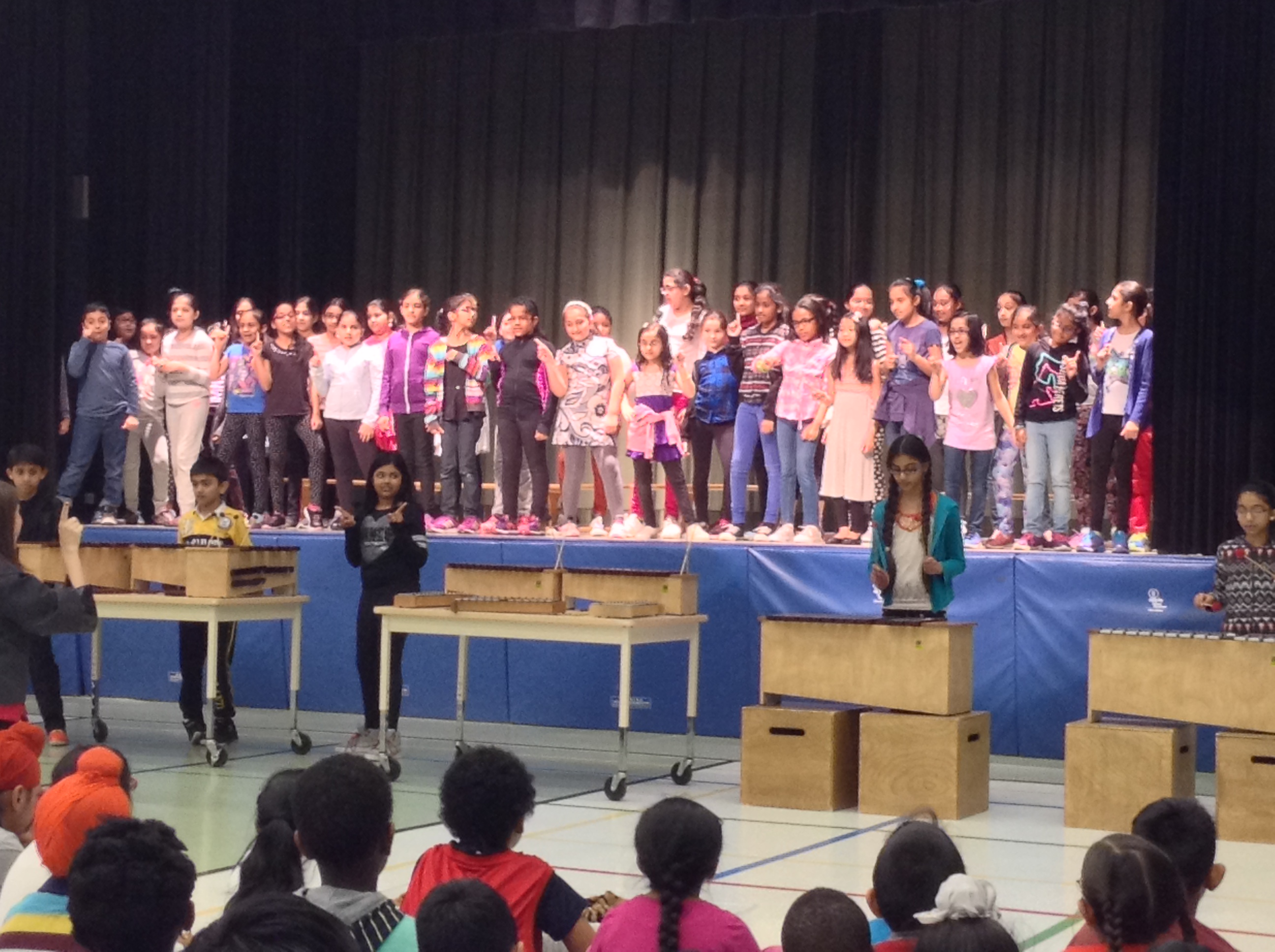
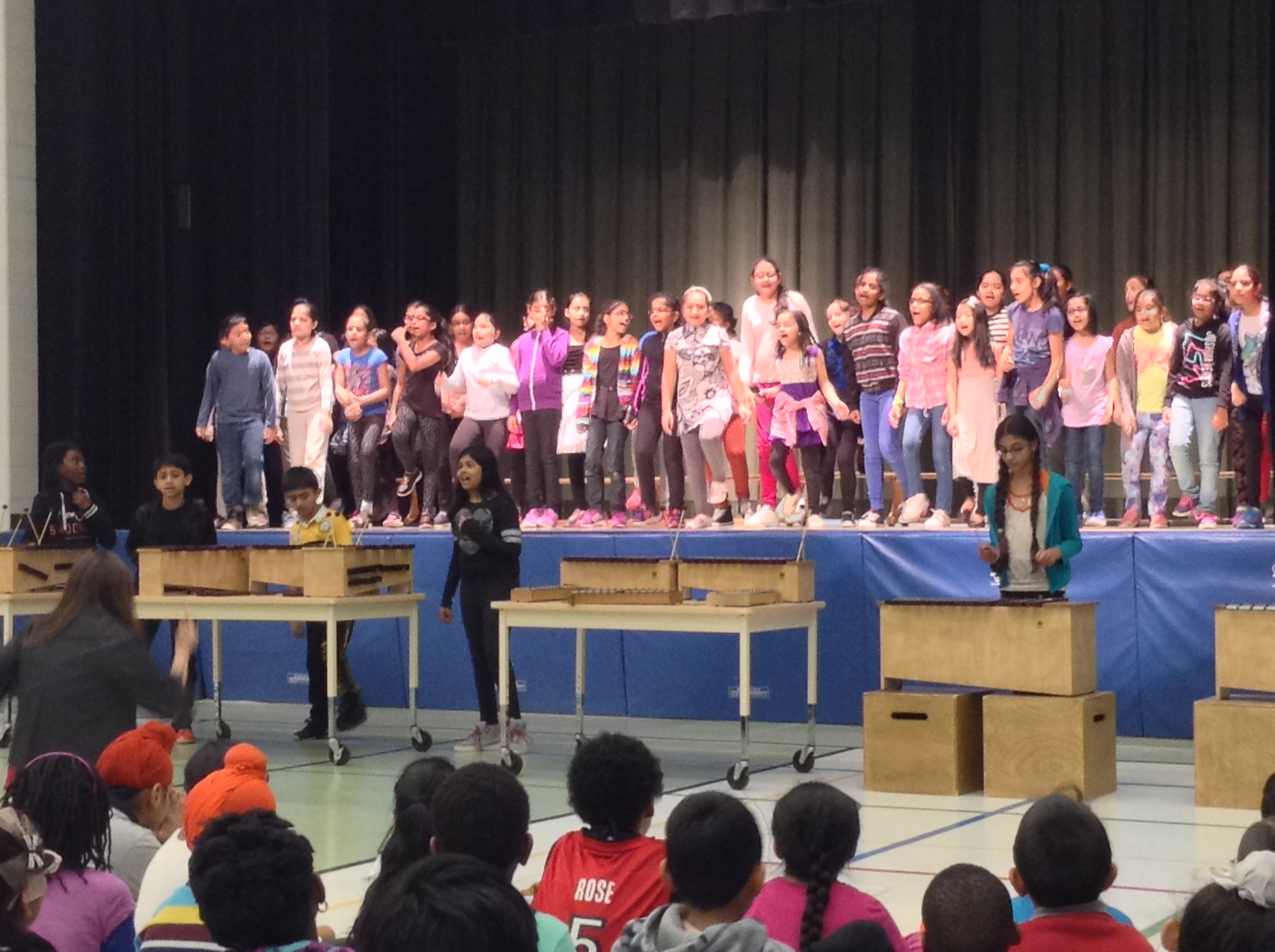
First up, we had our choir present two songs that they have learned in April. One was a Tamil Lullaby and the other was a great jazz piece from Doug Goodkin called “Step Back Baby”.

IMG_0386IMG_0392

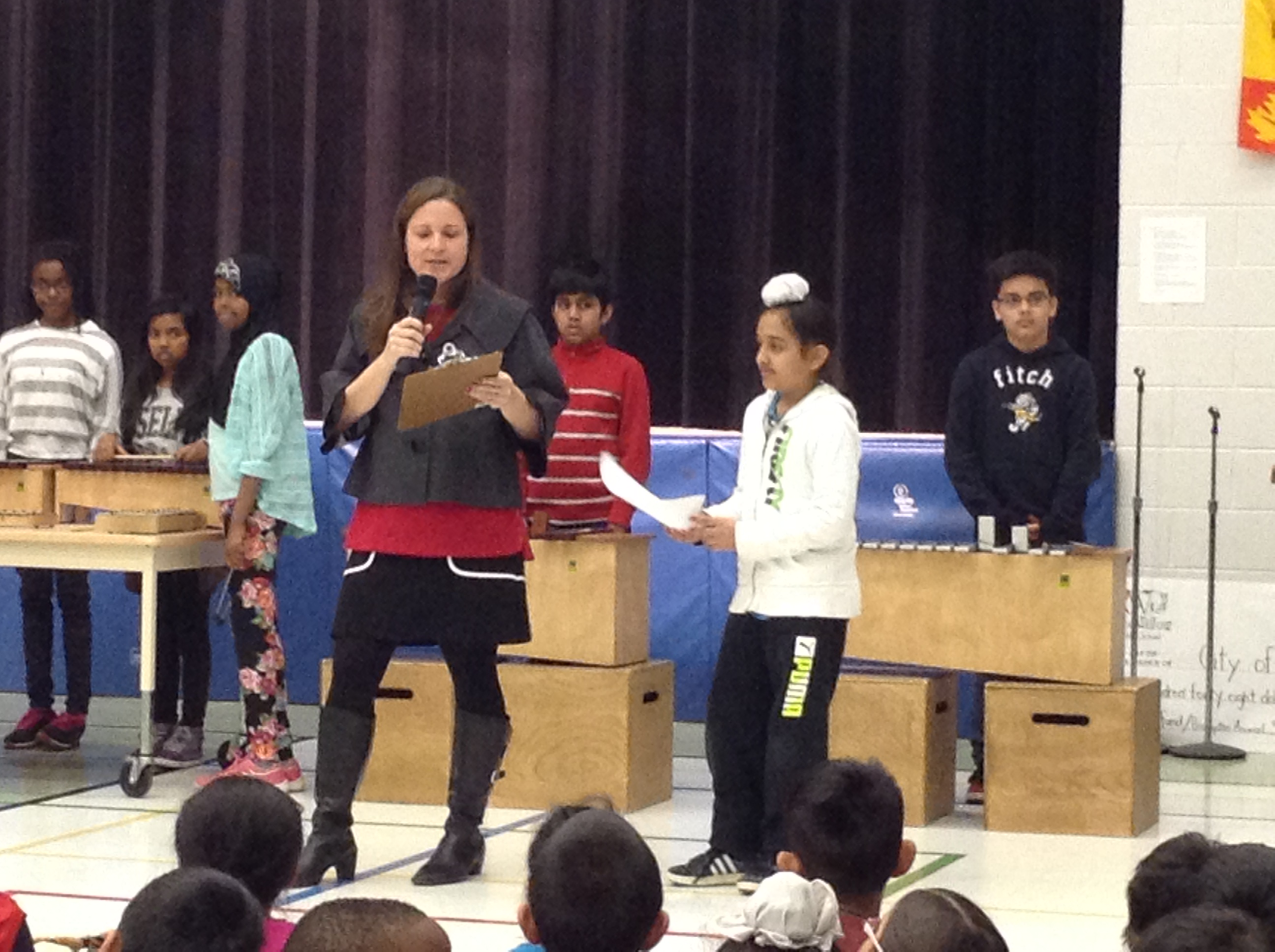
Next, I introduced my student who spoke about my teaching partner and the impact that her teaching has had on him.

IMG_0355

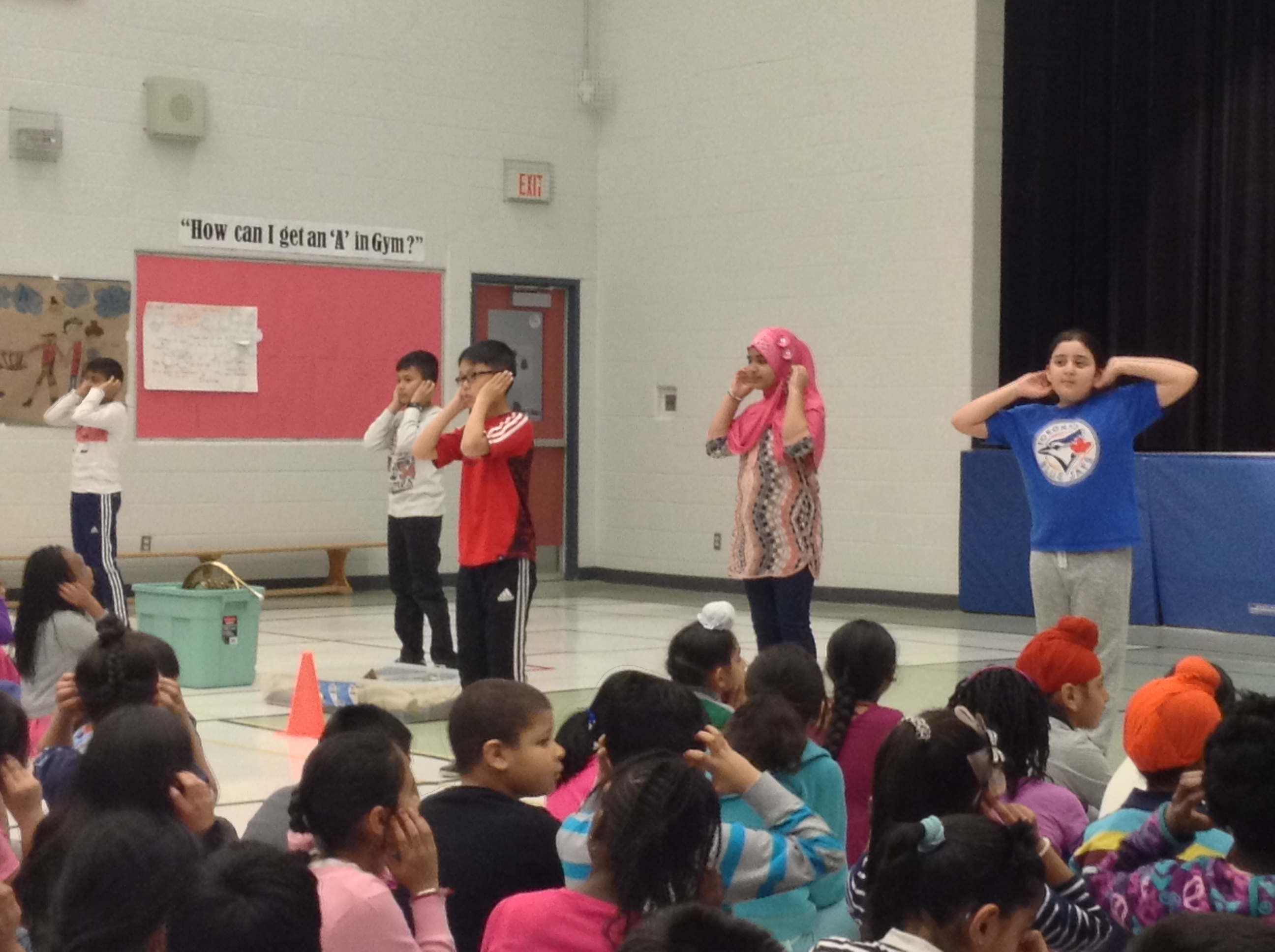
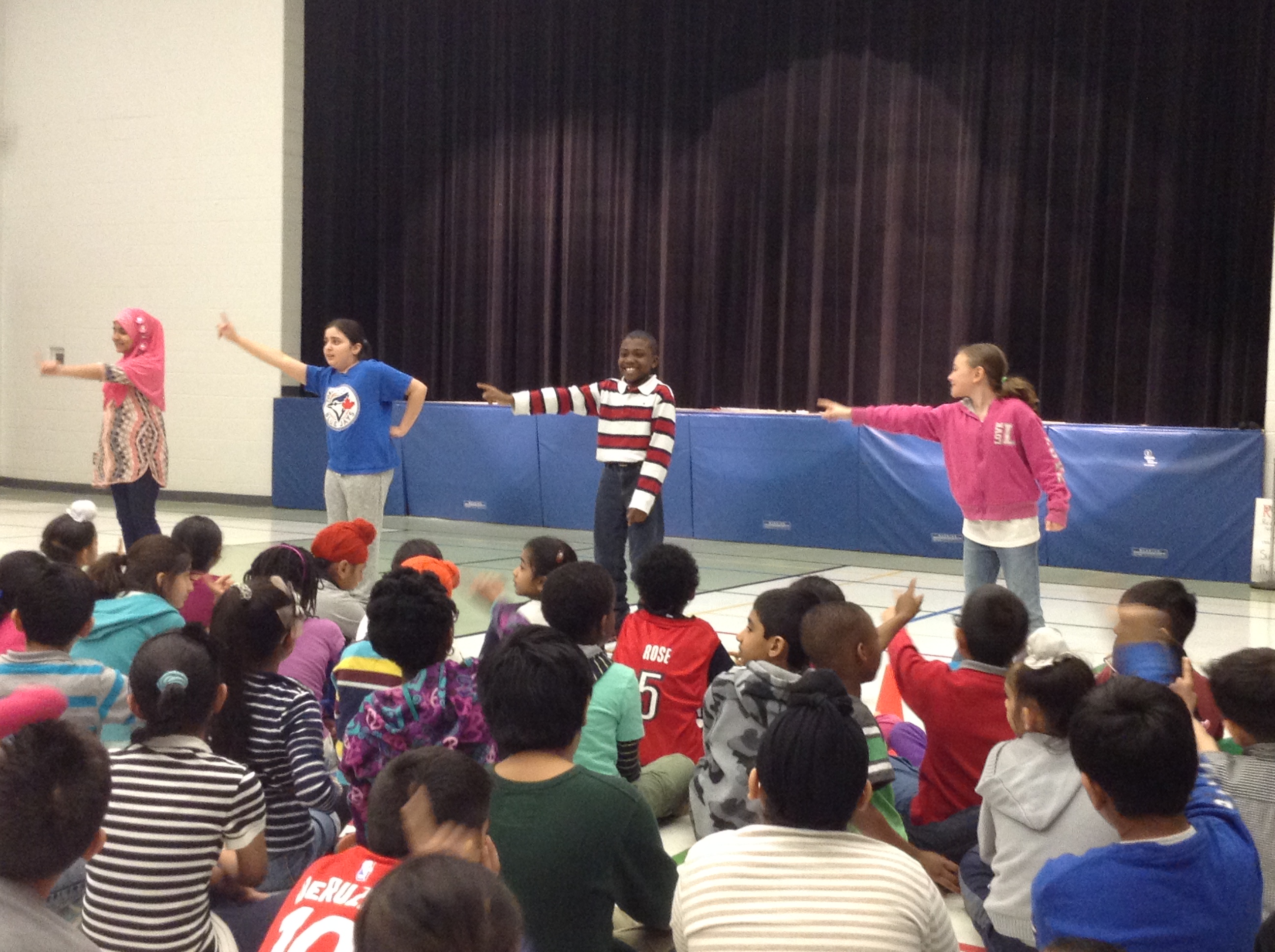
Some grade four and five students then led the school in some actions to go along with the Music Monday song “We Are One”

IMG_0396IMG_0401

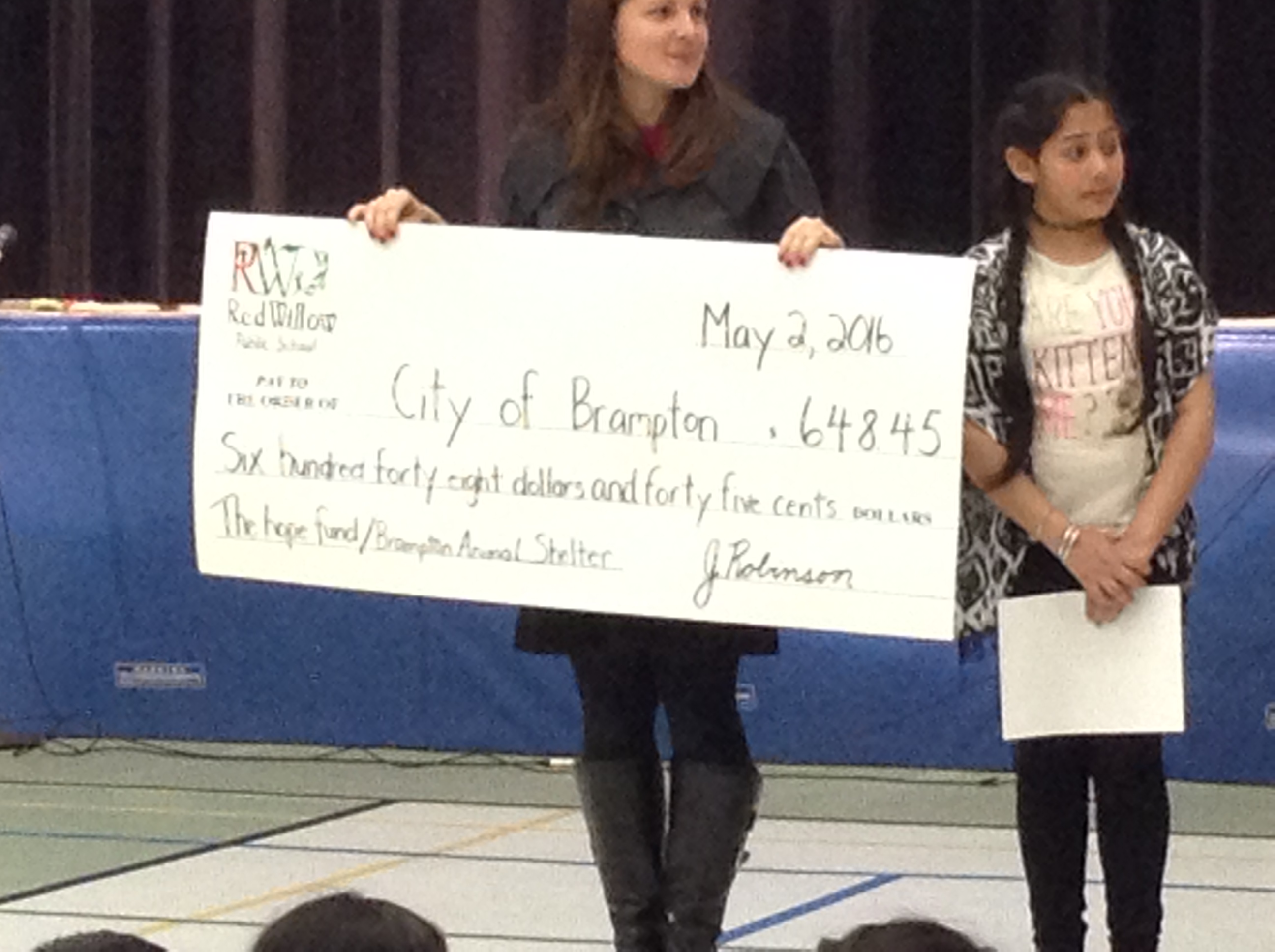
Our school had raised some money in honour of my music teaching partner, Ms. Lynda Wulkan, and we had a presentation to Brampton Animal Services.  (Some of our grade 2 teachers made the cheque. They used bristol board and markers and it looked fantastic.)

IMG_0435

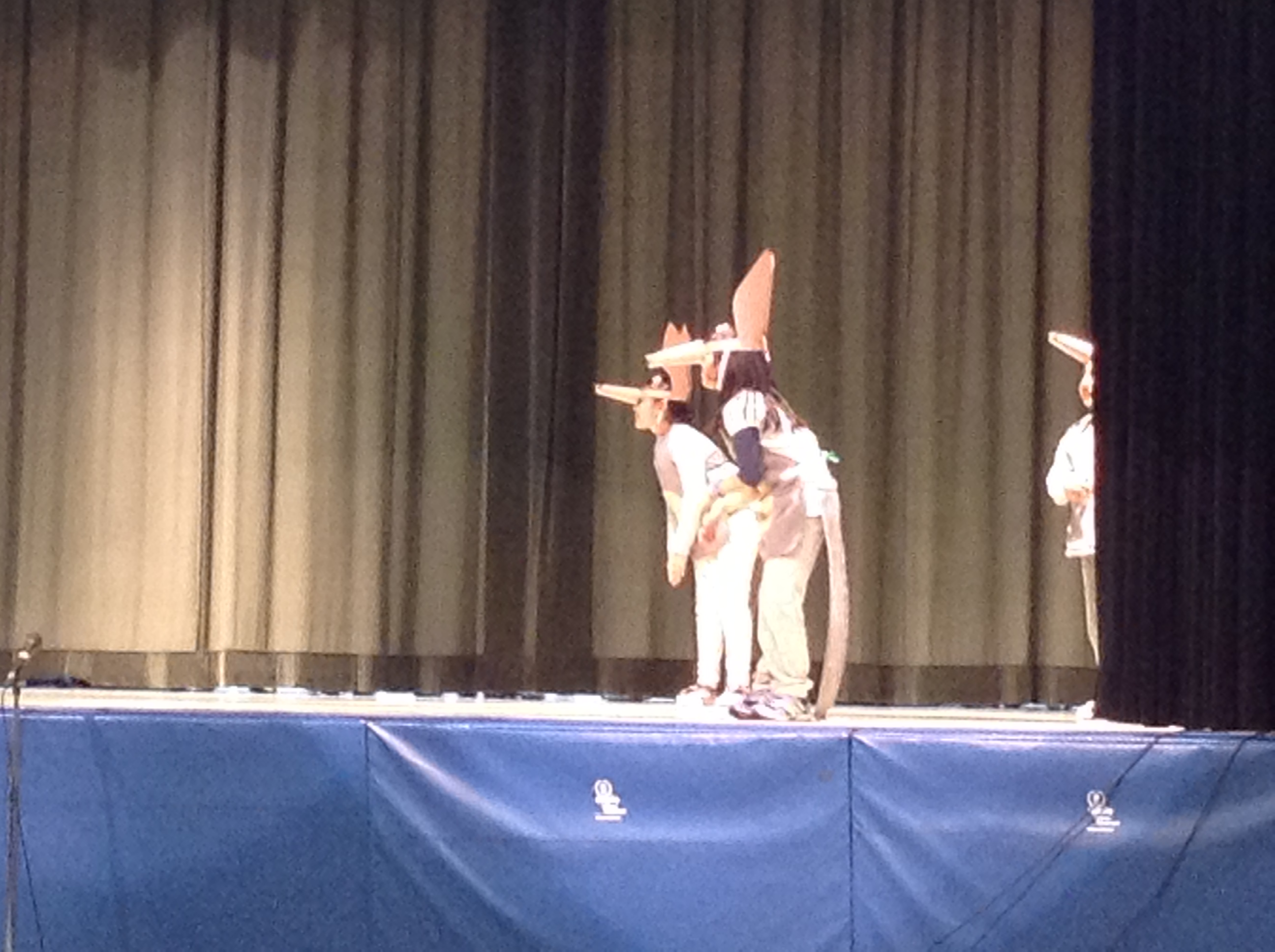
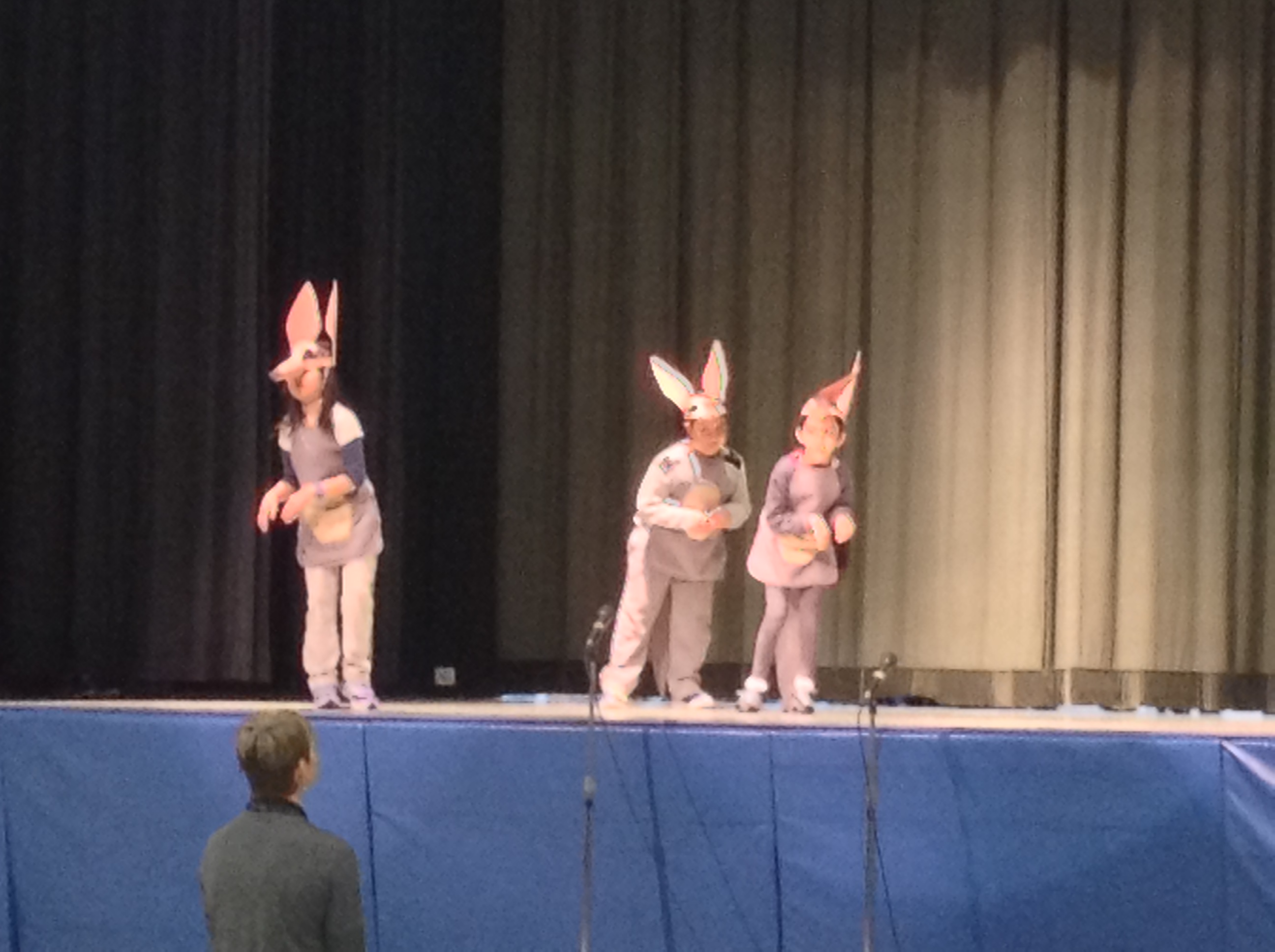
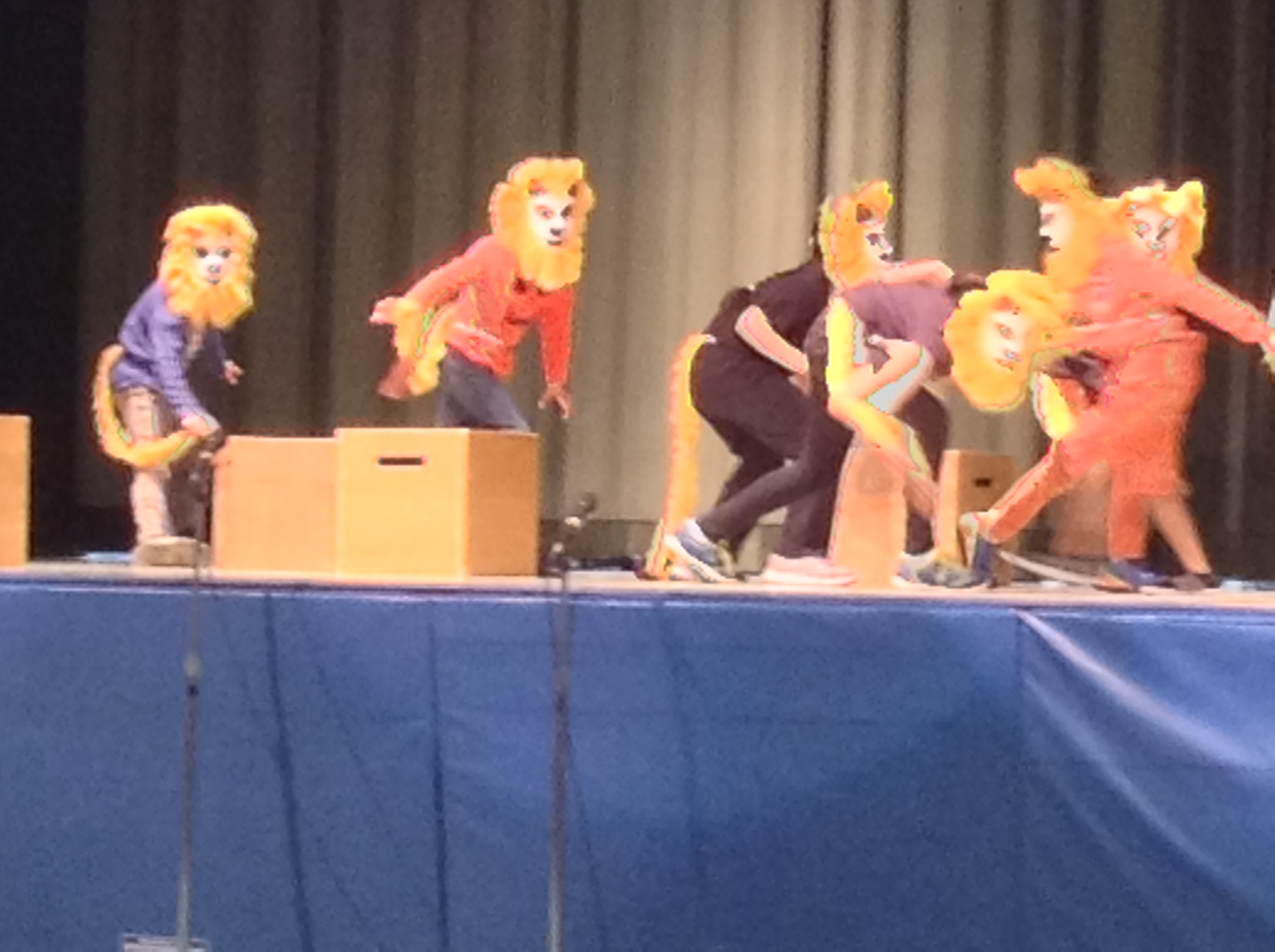
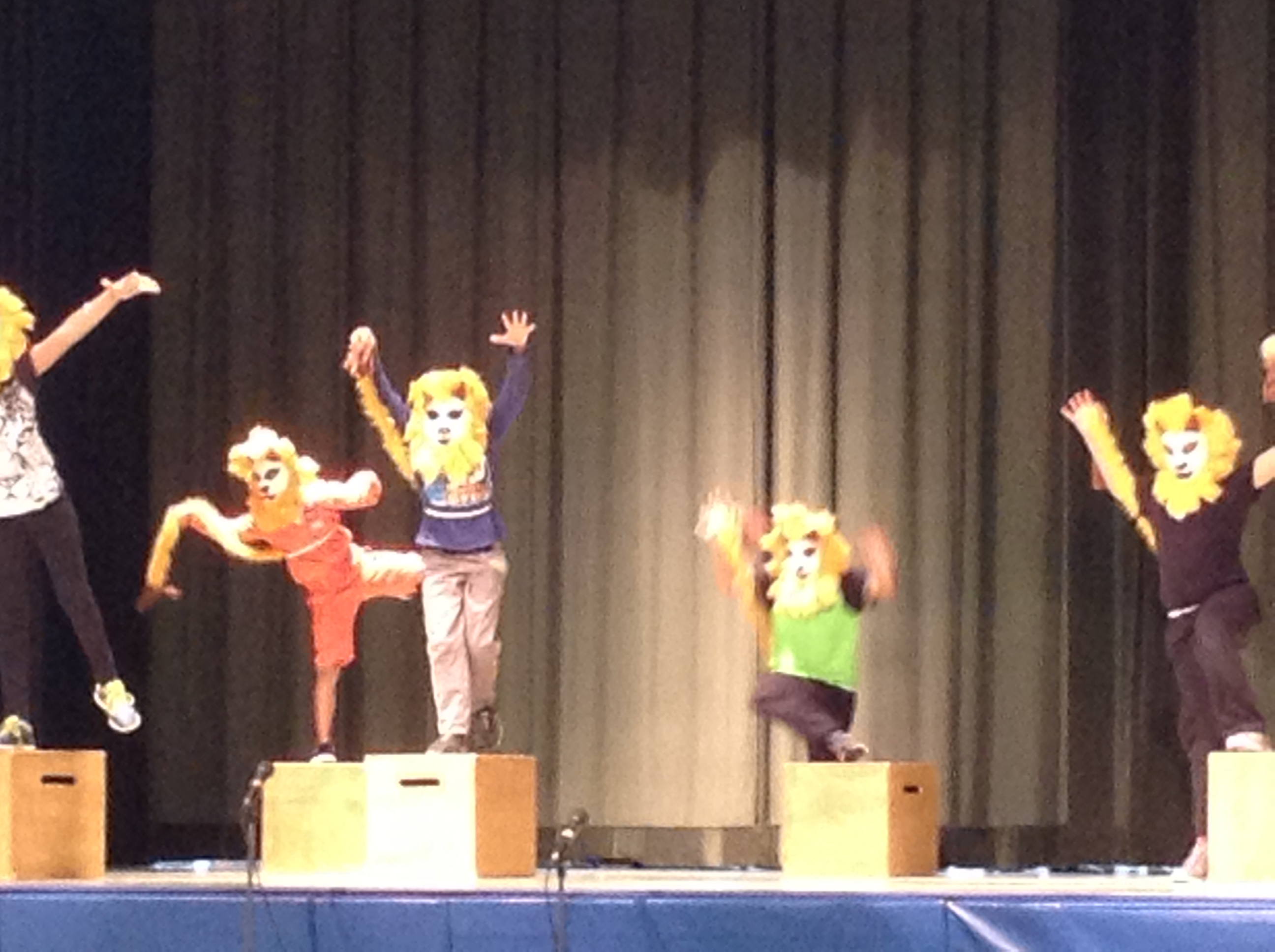
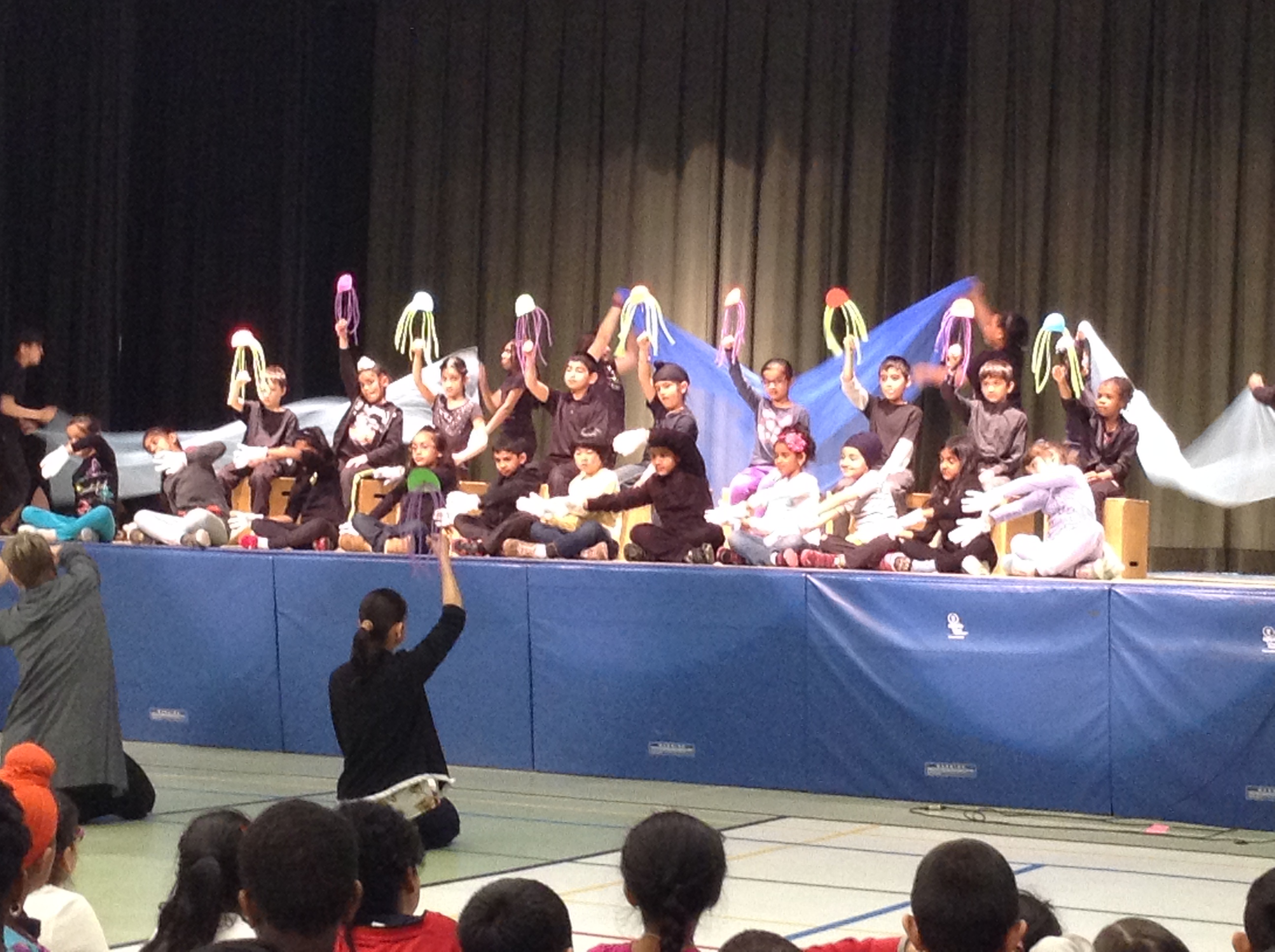
Next in our presentation we had groups of grade two students do movement pieces to go along with the Carnival of The Animals. There were…

Kangaroos

IMG_0445 IMG_0448

Lions

IMG_0462IMG_0469

and the Aquarium

IMG_0485

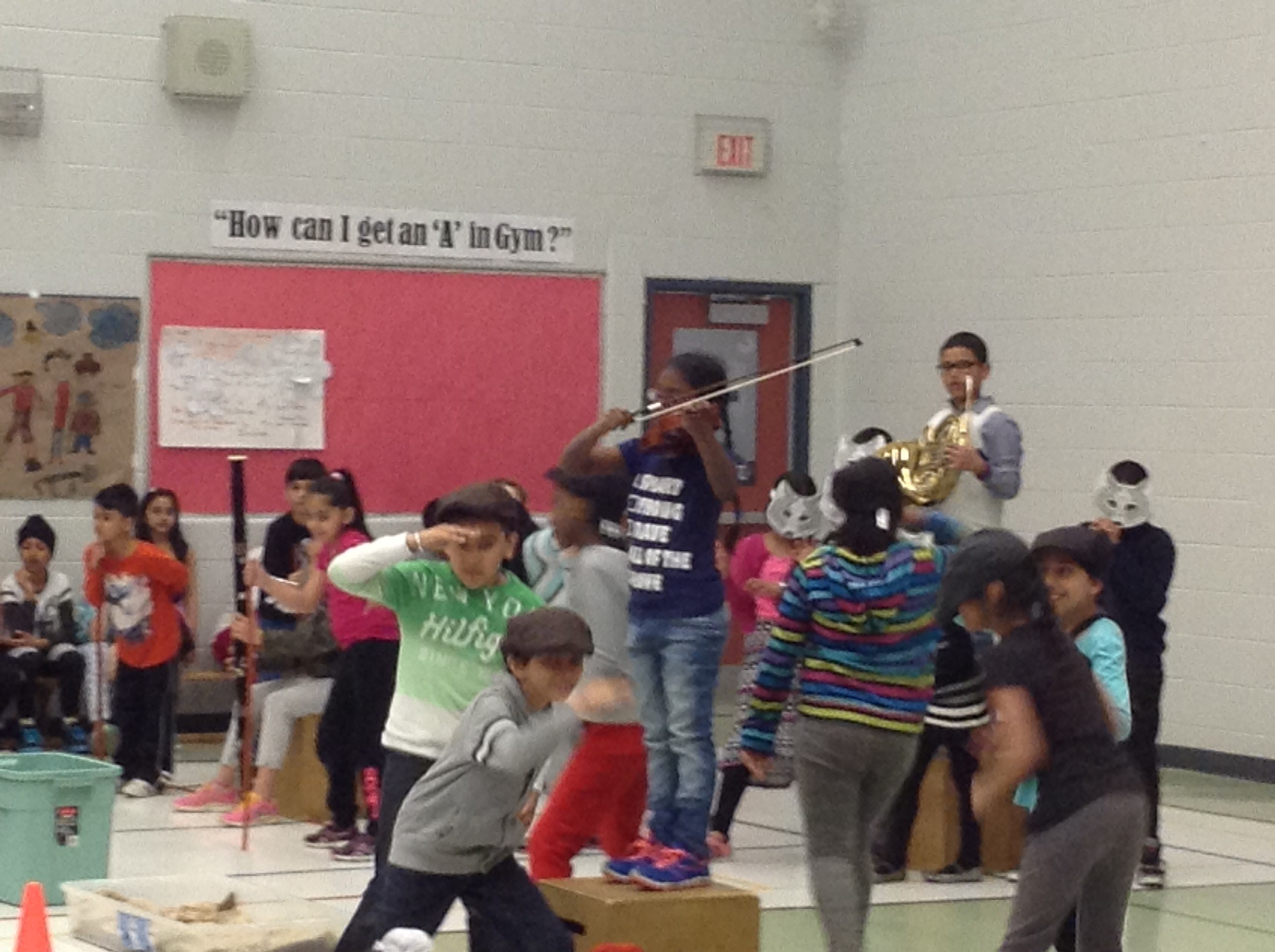
We finished up our presentation today with an excerpt from Peter and The Wolf.  The students acted out a part of the story and showed the instruments that are used in the story.

IMG_0495IMG_0503

I hope you had a great Music Monday! It is a great way to bring community and school together to focus on the importance of Music Education. Music programs are vital to creating vibrant, creative and successful communities.

Circumstances Beyond Our Control

You know that feeling you get when you sit in a meeting with a parent and it all becomes clear as to why your student/their child behaves the way they do? Or when after meeting with the family, you would like to recommend the parents for parenting courses, or worse, you feel you may need to call for the support of CAS? We know we must do everything we can to protect our students from abuse by reporting when we have reason to believe that they are in harmful situations, but what do you do when the behaviour is inappropriate or harmful to the child in more subtle ways? The chaos, the disfunction, the stress in certain homes is out of our reach but it is what is ‘normal’ in the child’s life, and it will present itself in some way in our classroom.

We have such a student. Doctors are inconclusive in their diagnosis of Tara (not her real name), although ADHD and spectrum disorder are part of her treatment profile. In her home, there is discord between her parents which may or may not have been present before Tara was born, but which currently translates into a push-me-pull-you situation with regard to the way she is being brought up. To expect this child to easily switch gears as she enters our classroom and leave any emotional baggage at the door is a huge expectation. All we can do is offer the opposite of her homelife – a calm, safe, predictable environment. But the physical environment is not enough to bring Tara around and we are constantly trying new ways to ‘keep the lid on’ because what worked last week may not work this week. Usually we know within the first 15 minutes of our outdoor learning what kind of a day she is bringing with her, although, a good start does not necessarily mean a good end to the day. At the age of only 5 years, diagnosis of behavioural problems is still unclear, although a series of potent medications have been tried to help her bridge the turbulent episodes with the beautiful, calm, smart, kind child that she is most of the time, without too much success. Tara’s home life is inconsistent and so is her behaviour, to the point where aggression is surfacing. Thankfully, there is a big support system for her at school and good communication with one of her parents. It takes a lot of human power to help Tara manage each day – but it is worth it. If she is having an off day – we ALL have an off day.

One of our strategies that hasn’t changed is to have a quiet conversation with her every morning to remind her of how valued she is, see how she is feeling inside, and ask her what she’s looking forward to in her day. I recently saw an inspirational video of a teacher who does just that, making a point of connecting with each of his students in his behavioural class each day for about 5 – 10 minutes. It may seem like a lot of time directed away from instruction, but if you think about it, the learning environment is so much richer when our students feel comfortable and safe. For students who are riding through stormy seas, whether behaviourally or developmentally, a calm and caring voice can be an anchor for them. Rather than feeling lost and out of control, they can feel connected to something bigger than the storm, because, as we have seen with Tara, when she is lost in the storm, it is nearly impossible reaching her. So the only time to make that connection is sometimes a small window of opportunity when she is calm.

Tara’s awareness of her situation is heartbreaking because, after the fact, she knows when she has gone too far and she is not proud or happy about it.  While the event is tumultuous and we need to ensure her safety, evacuate the classroom to ensure the safety of the other 25 students, and try to contact the administration for back-up, our approach is consistent, nonjudgmental, and calm. We try to help her and the rest of the class by remaining calm during an episode of throwing chairs, emptying shelves, and yelling.

Of course the parents love their child, but we cannot underestimate how stressful it must be on them to hear, almost daily, that their child is causing serious problems at school, as well as continuing this behaviour at home. Tara needs to feel the consistency of attention and love in a calm and caring environment, as well as a unified approach to behaviour so that school and home are synchronized. This may not help her through everything in her troubled life, but it would help her brave her stormy times. It seems so easy for us because we only see Tara at school, but it is what we would love to be able to say to her parents.

Appreciate The Now

This past December, my teaching partner of the past five years passed away from the horrendous disease ovarian cancer. Ms. Lynda Wulkan taught me a million things throughout our time team-teaching music together that I couldn’t have learned through an AQ, a workshop or printed resources. She was an incredibly gifted oboe player and a brilliant musician. Her ear for music was unlike any I have or likely ever will encounter and she was a walking encyclopedia of classical music knowledge. She cared deeply about her students and truly loved the Orff philosophy and all that it helped students to achieve.

I was thrown into the music room with Lynda as a drummer with a limited number of skills to ensure success on day one. However, Lynda believed in me. Believed from the very bottom of her gut that I would be successful. She didn’t mince her words in telling me I wasn’t quite there yet but that I could truly do this if I set my mind to it. She talked incessantly about my natural talent and the fact that I could sing in tune if I just opened my voice and made a sound above a whisper. She looked me in the eye every day and believed. As teachers, we give 150% to our students every day and this sometimes leads us to forget to prop up and support the other adults around us. Lynda showed me how that support can feel to those who receive it.

Lynda also taught me that when you are excited about a topic the kids will feed off of your energy. She loved classical music and would talk passionately with me and all of our students about Beethoven, Saint-Saëns, Mozart and Prokofiev. The students enjoyed asking her questions and sharing in her joy of this kind of music.

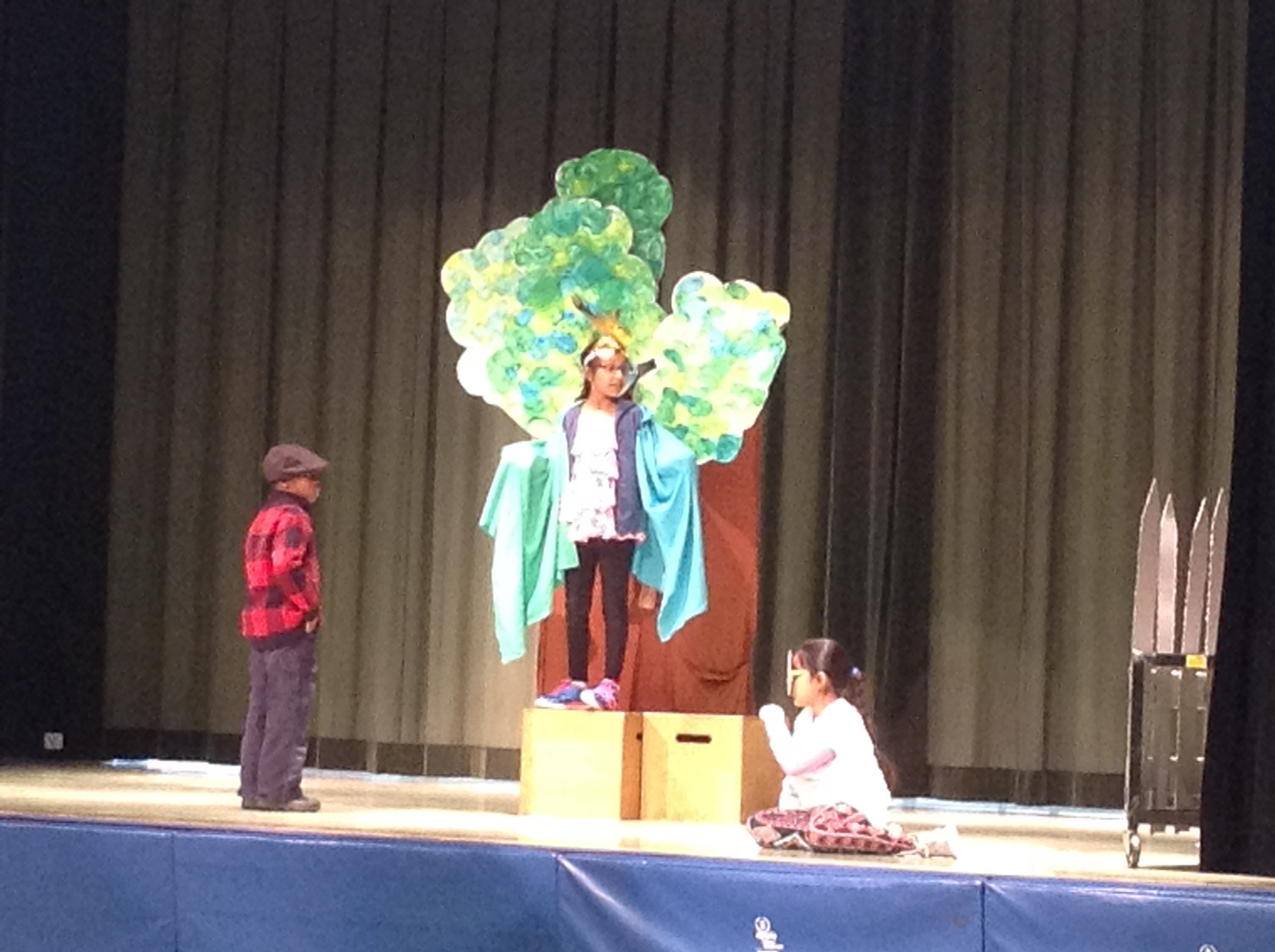
She also taught me to get out of my comfort zone. In our last concert together Lynda decided to include a play put on by her grade fours. This was not Lynda’s area of expertise, however, she threw herself into the planning and preparation of this event by using all of her break time to practice with the students.  She purchased all of the required props – suspenders, shovels, hats and all to ensure that the props were realistic and that the final performance was polished to her standards.  On the night of the concert at Red Willow, the students performed beautifully and the parents were overjoyed at being able to see their children showcased so wonderfully.  Parents and students still reminisce about this performance.

Overall, this year has reminded me that our time with our students is very precious. It will not go on forever and can be disrupted at any time. We don’t know what tomorrow will bring. It has reminded me to slow down the pace and take time to really laugh with the students when they say something funny by accident in class or when a sound comes out of an instrument that was totally unintentional. It also has reminded me that after the students we adore graduate, the people that we will reminisce with are the ECEs, EAs, principals, custodians and other teachers at our school. These people are our second family and our time with them is very precious too.


Using anything but words to respond to music

The second part of the arts curriculum, which is all about reflecting, responding and analyzing the arts, can be a bit of a bore. Some of the resources available are structured so that a teacher plays a CD and the students listen to a piece of music and complete a chart in response. This type of activity is a good way to evaluate students’ initial reaction and description of the elements of the music. It is also are a great way of informing the teacher about the prior knowledge that the students already have. However, I have not found these types of activities to be successful in capturing a deep level of analysis and interpretation. I have also never heard a student cry out in glee about the prospect of completing one of these activities.

To really get students to analyze music and critically reflect about what they are hearing, students need to engage with the piece of music more than one time. But how do you keep their attention and focus over multiple listening experiences? The answer is do activities that are fun and have built in time for changing thoughts and opinions.

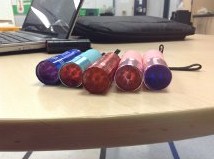
flashlight2flashlight


Activity One

Ceiling Flashlight show.

This first Unit stemmed from an idea that was presented in a workshop by the OMEA president Gena Norbury.

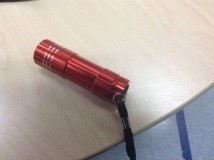
The students create light shows on the ceiling of the classroom to go along with a classical piece of music. You can buy small hand held flashlights for fairly cheap and take some Sharpies and colour the lens with a variety of colours. Next, turn off your lights, lie down and watch the ceiling light up! I usually create one example with the class where we identify all the elements of music that we hear, the form of the music and our initial reaction. We then choose the colour, formation and shape we want our light show to take so it matches the music. We test it out and come back and change it until we are happy with the end result.

Next, the students are responsible for identifying the form, elements, and initial reaction to their own piece of music and for creating their own light show to perform for the rest of the class.  I would rate this as my favorite unit for a grade 4 or 5 class to develop their listening skills. Each group listened to their piece dozens of times through their preparation. This really allowed them to develop opinions, thoughts and feelings about the piece of music.

Each group should have access to their own music player for their piece (yes, this is noisy) and I block out my windows in my class during this unit. When the students designed their own light shows in the past they used Bizet- Toreador Song , Beethoven- 5th symphony ,Prokofiev- Romeo and Juliet (Montagues and Capulets), Vivaldi- Four seasons- fall. You can really use any music that has an easy form to follow and fairly straightforward elements to identify.

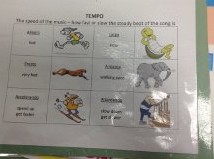
postertempo poster


Activity Two

Create a story that demonstrates the music.

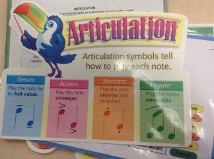
I start this lesson with a jigsaw activity where each group becomes an expert on one music term. Each group receives one of the posters from the music room and reviews it and quizzes the other members in the group. Afterwards, I reorganize the groups so that there is an expert on each vocabulary term in the each new group.  Their first job is to listen to the music and share their initial reaction to the music using some of the vocabulary they have just learned. If groups are having trouble, I approach them and ask some simple guiding questions such as “What is the feeling of the music? What does the music bring to your mind?” We share some of our thoughts in a whole group discussion and then each group decides on a story that the music could be telling. The group then begins to act out the story with mime to try and capture the feelings and themes of the music. Students share their creations with the class and I have students give feedback. Each group goes back and revises their initial creation. My favourite piece of music to use for this activity is anything John Williams but especially “Close Encounters of the Third Kind”. That long crescendo to the very loud accented note make the kids laugh every single time.

Draw it

Activity Three

Draw it and pass it on.

Have students listen to piece of music and have them draw whatever the music makes them think of. At a certain point have everyone in the room switch papers with someone else as the music continues. The next person continues the pictures by adding their own ideas. Make one more switch and have the final person add colour to the piece of art. When students are able to do this task successfully use a piece of music that clearly changes feeling in the middle. This allows the pictures to evolve as they are passed around.
My students tell me that these are some of their favourite activities all year.