Weekly News

I want to share with you an experiment gone really right. Over 2o years ago, a very good friend of mine and I started working with high-risk youth (Grade 6 -8) in our board in the summers. We had developed a program based around adventure-based learning. Our focus was to use the outdoors and physical challenges to assist them in developing social and self-regulation skills that would increase the probability of their success in school. One of the tools we developed was a Daily Newsletter (as we called it at that time) to inform families of their child’s progress as well as provide a summary of the days successes and occasional not so good outcomes. That one teaching tool has evolved over the last twenty years into what is now my Weekly Parent Book.

At the end of each week, at my classroom computer station I sit, look around my room and ask myself the following questions:

  1. How well did I meet the needs of each of my students?
  2. Did I make time to talk with each student on a one-to-one basis to find out how their life is going?
  3. Did I push too hard or not hard enough in moving them along their academic journey?
  4. What did I accomplish this week in literacy, numeracy etc.?
  5. What went well in Room 16 this week?
  6. What did not go well in Room 16 this week?
  7. How will I use that information to make the next week more successful for everyone?

That weekly routine has turned into one of the most rewarding and successful self-reflection tools I have ever had. Its initial, sole intent was to inform parents of what was going on in their child’s classroom. What it has become is a tool that I use to inform families, publish good news stories, share advice on how parents can help their child, updates on school-wide initiatives and most importantly, a tool to reflect on my week’s teaching.

It is a time that I actually use to decompress from the week’s events, look back in order to plan ahead for my next week and set goals of what I need to accomplish the following week (from a curriculum standpoint or what is needed to help specific students move forward). As the year progresses, the content of the weekly news becomes a shared work whereby students start to contribute to its production. That is when this tool becomes a very powerful learning tool for all of us.

Of course being the old school type, every Monday our morning circle starts with the sharing of the past week, goal setting using the feedback on that two-sided sheet of paper and then the ritual of adding it to their Parent Book to go home and be read and signed by an adult in their home. It goes home on Monday and is not due back until the following Monday to accommodate a wide variety of family scenarios and work schedules. The back of the page usually has some photograph that was taken during the week, an advice column, new goals for the class, a funny parent story or some other kind of important read for my families. At the end of the year it turns into a yearbook that can serve as a memory of their year. I still have all of my copies and when I need a little nostalgia fix all I have to do is go back and look through my career, year-by-year.
Weekly News

IEPs for Music

This week I am faced with the task of completing my term two IEPs for the subject area of music. Below is my process in determining the need for a student to be placed on an IEP for music and some of the past comments that I have used for my students.

Determining the need

Every year in term one and term two, I receive a list from the special education support team of students that are on an IEP. Attached to this list is the question of whether or not I feel that any of the students currently on an IEP require specialized goals for music.

The first question that I ask myself when determining whether or not a student requires an IEP comment for music is “Does the student’s exceptionality impair their ability to be academically successful in music?” In order to determine the answer to this question, I gather some assessment data on the student. This can be challenging at the beginning of the school year when the IEP needs to be completed in a very tight time frame. To help speed up the process, I recommend reading the student’s IPRC’s statement of decision or previous IEPs as they can direct you to analyze the student’s specific exceptionality in the context of your class. Afterwards, I watch my students for impairments in things like receptive language, language processing, expressive language, cognitive abilities, sensory engagement, visual spatial processing and both fine and gross motor skills. In a nutshell, after I have read the decision about the student’s needs in their OSR, I watch closely to see how that impacts their learning in music.

Once I have evidence to support my decision, I go about setting the direction for the music section of the IEP. After analyzing the data, I must decide whether to modify the number of expectations or modify the grade level expectations that I am using to assess the student. In addition, if the student is on an alternative IEP, I must create a measurable goal for them. I do my best to create a goal that will both challenge the student and ensure success for them.

After I have decided on the goal for the term, I compile the accommodations, assessment methods and annual program goals for the students. I then pass all of the information over to the teacher in charge of the IEP. See below for some examples.

Comments for Alternative IEPS

will demonstrate a response to a variety of songs once in a music period.

will physically respond to music (e.g., claps hands, whole body movements).

will participate in music 30% of the time

will participate in music class by singing and playing the xylophone, drums and unpitched instruments for 30 minutes every class

will create and perform a simple composition with some support

will perform a musical piece in front of a large audience

will participate and explore on the xylophone, drums and unpitched instruments

will ask music teacher or peers for help

Comments for IEPs

will apply the creative process to create and perform simple music compositions from modified musical notation.

will sing unison songs in tune and play simple accompaniments.

will perform simple music compositions from modified musical notation.

will communicate his feelings and ideas in response to a piece of music.

will respond to a piece of music through movement and using a light show.

will sing unison songs in tune and/or play simple melodies and accompaniments for music from a wide variety of cultures, styles and historical periods.

will create and perform music in unison on the xylophone and unpitched percussion instruments.

Assessment Methods

Observation of student playing an instrument

Checklist

music performance

self-reflection after singing a song

demonstration of moving to music

Accomadations

Colour cues

Large size font

Use of headphones

Visual cueing

Extra time for processing

Scribing


Resources – Here are a few resources to give some guidance when writing IEPs.

PRS Matters has written a great bulletin called “The Individual Education Plan (IEP)-What You Need To Know http://www.etfo.ca/AdviceForMembers/PRSMattersBulletins/Pages/Individual%20Education%20Plan%20Advice%20to%20Members.aspx

A great resource for writing IEPS is located on the Ministry website “The Individual Education Plan (IEP), A Resource Guide (2004)”


Waiting is worth its weight.

I wanted to share a post about the joys of waiting.

No it is not Health curriculum based so uncover your eyes and read on.
It might be worth the…time spent before something happens.
Ha! You thought I was going to write the word ‘wait’ there.
Dang it! I just did.

In the Tom Petty and the Heartbreaker’s song The Waiting the chorus goes, “the waiting is the hardest part” and in the classroom it is no different for teachers.

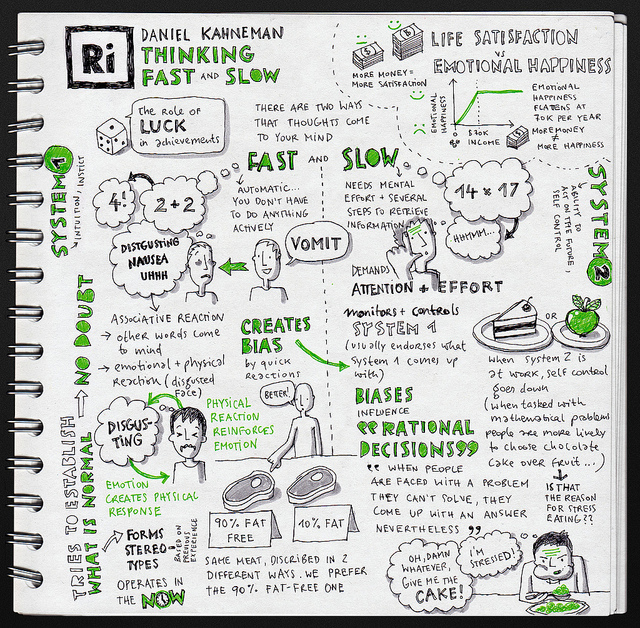
There are a lot concepts to cover. There are a lot of assessments (for, as, and of learning) to record. And yes, there are a lot of students to teach. One thing there does not seem to be enough of is time. So in an average, active modern learning environment, there is little time left to permit students to engage in anything but what Daniel Kahneman refers to as System 1 Thinking. Yet, what we need to be doing, more than ever, is allowing our students and ourselves to engage in System 2 Thinking.

Here’s a graphic comparing the two. Click to enlarge.

Thinking-Fast-and-Slow

Understanding and implementing think or wait time in my classroom has changed the dynamics of learning for my students. It is no longer a contest to see whose hands can defy gravity the fastest or longest. It has increased the number of participants and ideas shared. It has deepened our discussions in many subject areas such as Science, Social Studies, and Literacy.

For my part, questions are crafted, whenever possible, that require the awkward silences achieved while learning and thinking beyond automatic or immediate responses. Letting students know before they respond that no hands will be acknowledged until think time has happened for the entire class has helped transition my instruction.

What about Math? Yes, even Math. Here’s an example to support think/wait time in Math from Kahneman’s book Thinking Fast and Slow that I share with students and adults alike:

A ball and a bat cost $1.10.
The bat costs $1 more than the ball.
How much does ball cost?

According to the book most people get this question wrong because they are engaging the wrong system of thinking. I did. So how can we as educators afford more think/wait time in all of our classrooms?

My suggestion is to slowly integrate it into your daily instructional routines. Be intentional with a few questions in specific subject areas to start. Be patient. The silence can be deafening at the start, but is worth it.

Want to know the answer to the bat and ball question?
Take your time. You’ll get it. It’s worth the wait.


The Music of Math

I secretly want to be a conductor of a large musical ensemble. My visits to the Toronto Symphony Orchestra always reignites my passion for music and I will always catch myself using my hands and body to dance with the beautiful arrangements of the melodious notes. However, one small obstacle has barred me from realizing this dream: I have not yet been able to master any instruments much less lead a body of musicians. Sigh! Nonetheless, being a teacher gives me the opportunity to integrate many of my passions into my classroom practice. As such, my love of teaching and my dream of conducting an orchestra have a place to collide. My class call signal – teacher: “Bah dah bump bah dah dah…” students: “Hey!” – can seem to go on for hours as I engage my students in various melodious versions of the common tune. Needless to say, I can totally get lost in the call and response clap patterns that allow me to use my hands as if they were conducting an orchestra, pulling out the very beat of each note value as students respond with the exact arrangement of claps. Each time I am left invigorated and excited and my students love it. These sessions often end up with smiles and laughter in our classroom, opposite to the quiet tone I originally was trying to achieve.

This year I teach math to Primary, Junior and Intermediate students. Math and music have long enjoyed a harmonious marriage with the plethora of interconnected concepts that can be explored simultaneously. This year in my Grade 3/4 math class, we had the opportunity to embrace this fusion. We have been exploring geometry concepts by naming, sorting and identifying characteristics of polygons. This aspect of geometry is extremely language-rich and I needed a way to solidify the students’ conceptual understanding of the principles of geometry while not losing my students in the barrage of its discourse. So we decided to accent our learning by capturing it in a song.

I invited my class to decide on a familiar tune that we could arrange our lyrics to fit. Hot Line Bling and Watch Me (Whip/Nae Nae) were among the tunes that were suggested, but didn’t make the cut. We opted to use the infamous Mary Had A Little Lamb as our melody base since it offered a simple structure for the type of song that we wanted to construct. We then brainstormed all of the ideas we had learned up to that point in our polygon journey. These were written on the board and were the ‘meat and potatoes’ of our song. Then the creative juices began to flow. Each aspect of our learning was written as a verse in our song. We had to be creative with our word choices and syncopation, as we had more to say than the structure of our tune would allow. So once the lyrics were written, the music teacher and I collaborated to hash out the note values of our song. Ta-dah! Music literally met math. Coupled with this, Mary Had A Little Lamb just happened to be the song that my students just finished learning to play on their recorders. Bazinga! Music met math again. And guess who got to direct this beautiful masterpiece?… ME!

File_000 (1)

So what’s my point? Learning is awesome! No really – when a passion for teaching meets willingness to embrace creativity, amazingness happens. Children learn and teachers have fun. Being authentically excited about what you do is an important ingredient to any meaningful experience and the polygon song is such an experience which I hope my students will never forget. Because of this, neither will the concepts be lost. As for me, my dream will continue to grow. Who knows what else I might try? I’ve secretly wanted to be an opera singer…

Music Report Card Comments

Today’s blog is a simple one. Below are a variety of comments that I have used for reporting to parents over the past couple of years. The shorter comments are for the progress reports and the longer comments are for report cards. Hopefully, these comments can be a starting point for those of you who teach their own music. The framework should allow you to individualize them to your own students and school. If you have any great comments that you would like to share, please leave a comment below.

($=child’s name, @@=He/She @=he/she #=his/her)

Grade One

$ is able to sing and sign simple melodic patterns in tune, using the pitches, mi, so and la.

$ created and performed an accompaniment for the story ‘The Tulip Bulb’. @@ demonstrated an understanding that sounds can be represented by symbols by reading cards with pictures on them while clapping the rhythm of the words.

$ showed that @ can apply the steps needed to learn songs. @@ moved and sang songs with fast and slow tempi such as “Rig a Jig Jig” and “Downright Upright”.

$ applied the elements of music when singing, playing and moving.

$ demonstrated the ability to identify sounds of higher and lower pitches by performing the song ‘As I Went Out To Play’. $ expressed # feelings about an African music performance.

Grade Two

$ classified instruments by listening to their sound. @@ created and played an eight beat rhythm as an accompaniment for the story ‘Percussionville’.

$ showed that @ can apply the steps needed to compose simple songs. @@ used proper technique when playing simple accompaniments on the xylophones.

Through the study of the piece ‘Carnival Of The Animals’, $ was able to classify instruments by listening to their sounds. @@ demonstrated an understanding that symbols can be used to represent sound.

$ demonstrated an understanding of pitch and musicality by expressively moving # body to the sound of a slide whistle and copying it with # voice. @@ played the accompaniment for the song The Teeny Tiny Woman on the xylophone with proper playing technique.

$ demonstrated the ability to sing unison songs in tune and play simple accompaniments.

$ is able to name many instruments and classify them by listening to their sound. @@ demonstrates an understanding that standard rhythmic symbols represent specific note values.

Grade Three

$ is able to describe some examples in which the elements of music are used in the music @ performs, listens to and creates.

$ demonstrated the ability to sing, in tune, unison songs, partner songs and rounds.

$ showed that @ can apply the steps needed to learn to play and appreciate music. @@ performed the Japanese song “Kaeru” in unison and in a round.

$ sang the song Little Boat So White in tune, with musical expression, and played an accompaniment for it on the xylophone with proper playing technique. @@ composed and performed a 4-beat rhythm pattern that created a B section of an ABA form based on the poem Breakfast Time.

Through the study of the musical tale ‘Peter And The Wolf, $ was able to describe several examples in which the elements of music are used to create a specific mood. @@ identified ways in which music is used in a variety of communities.

$ performed movements and rhythms in 3/4 time. @@ identified and described ways in which music can be used in # community. @@ described ways in which the elements of music are used through the study of the piece Peter And The Wolf.

$ used good technique when learning to play “Pachelbel’s Canon” on the xylophone. @@ responded to a performance by the Canadian Opera Company.

Grade Four

$ showed that @ can apply the steps needed to learn to play and to appreciate music. @@ composed and performed a variation of Hot Cross Buns on the recorder.

$ demonstrated an understanding of musical signs and standard notation on the five-line staff by playing a piece of music on the recorder. @@ applied the elements of music when singing and playing instruments.

$ demonstrated an understanding of musical signs and standard notation on the five-line staff by reading a simple piece and playing it on the recorder. @@ responded to a performance by the Canadian Opera Company.

$ demonstrated an understanding of musical signs and standard notation on the five-line staff by reading a simple piece and playing it on the recorder. @@ was able to identify the use of music in communities today and in the past.

$ demonstrated an understanding of musical signs and standard notation on the five-line staff while playing the recorder. @@ created and performed melodies on the xylophone in both major and minor tonalities.

$ used the tools and techniques of musicianship when learning a song on the recorder.

$ used the tools and techniques of musicianship when performing the songs “Hello Everybody” and “I Like Singing”.

Grade Five

$ identified the elements of music in a classical piece and described how they were used. @@ prepared a presentation for the junior concert using the techniques of musicianship.

$ created a musical composition that used body percussion, instruments and voice. @@ used the tools and techniques of musicianship in the performance of “Little Tommy Tinker” and recorder duets.

$ created and performed an eight beat rhythm using quarter notes, eighth notes, sixteenth notes and sixteenth note and eighth notes combinations. @@ applied the elements of music when playing and composing music to create a specific effect.

$ showed that @ can apply the steps needed to learn to play and to appreciate music. @@ used proper playing and singing technique and showed creativity when developing # own rhythmic patterns.

$ applied the elements of music when singing, playing, composing and arranging music.

$ is able to demonstrate an understanding of basic harmony by composing a short piece of music based on the notes of specific chords. @@ is able to perform a piece on the recorder in 6/8 time signature with consistent rhythmic

$ created and performed a rhythmic composition that included sixteenth notes. @@ demonstrated an understanding of 6/8 time signature, clefs, and standard notation by performing the song ‘Millions of Cats’ on the recorder.

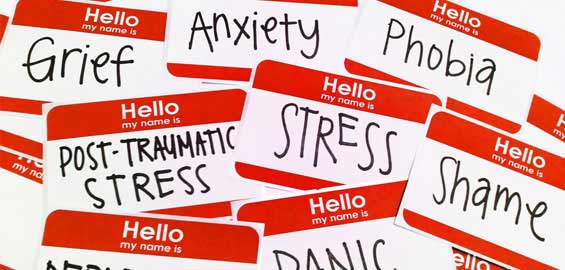
Mental Health in the Staffroom

Mental Health in the Staffroom

Maybe you’ve seen this intro before?
You are reading a different post.
Read on and you’ll understand.

Here’s a snippet from casual conversations playing out in school hallways everywhere.
Pick the one’s you’ve used or heard before.

“How are you? How’s it going? What’s up? How’s it?”

“Good. Great. All good here. Meh. No problems. Busy. So busy. Not too bad. OK. Top of the world ma!”

What would we do if the person speaking said, “I am having the worst day of my life. I don’t know if I can keep this up? I need help.” Would we pull out the motivational clichés, tell the person to toughen up, or just walk away after saying, “I hope you’re OK?”

How are you dealing with issues like this in your classroom? Do you feel overwhelmed yourself? Do you have a colleague or a place to go when you need support? Would you go? Ask for help? Are you running on empty?

Part of keeping your heart in tact while you practice this art comes from protecting your own state of mind. Students are not the only ones with feelings of anxiety, self-doubt, and depression. In some cases, when surveyed, teachers have noted feeling excluded in their own staff rooms, or that they struggling with so many things at once. Here are some excerpts from the ETFO web page Depression – It’s More Common Than You Think

Key Causes of Teacher Stress

Working conditions, such as the following, may make teachers particularly vulnerable to depression:

  • Long working hours.
  • Lack of administrative support.
  • Excessive workload.
  • Large class sizes.
  • Lack of specialist teachers.
  • Unreasonable expectations.
  • Lack of necessary supports to do the job.

Thankfully there is help available, but it takes time, education, courage, and a supportive environment to work.

“Prolonged exposure to stress can cause serious health issues. Making a few, simple, lifestyle changes can reduce your stress level and lower your risk of depression. Protect yourself by:

  • taking control of your life, setting achievable goals at work and at home, and being realistic about what you can accomplish.
  • making time for relationships and taking time to connect with family and friends. A strong support network makes stress easier to manage.
  • eating a healthy, balanced diet to maintain good mental and physical health.
  • exercising regularly.  Even a 10-minute walk, three times a day, reduces stress and relieves symptoms of depression.” via ETFO web page Depression – It’s More Common Than You Think

As Winter days at school become more hectic, we need to be able to see the light from one another while we wait for the sunshine of Spring and Summer to warm us. Talk to someone, reach out, get involved in something where you can contribute, and be valued for your awesomeness. Take time to share some words of encouragement or conversation with each other. Perhaps, including the OTs at your lunch table when you can. It may make a world of difference for them and for you too.

Join a Twitter PLN like #TLAP, #CDNEdChat, #NTChat, #TEDEdChat, or #EdChat. You’ll find thousands of engaged and thoughtful educators sharing your journey.

For more information about Mental Health Issues please visit CAMH.

Product or Process: Reflections on Assessing Thinking

What’s the difference between thinking and understanding? More specifically, how might one distinguish between the activity of thinking and having understanding. Is there even a difference? This got me thinking… How I might invite educators to a conversation about assessment practices using a common understanding of assessment through the lens of Ontario’s standardized assessment rubric, The Achievement Chart. Most of the assessment resources that I usually refer to spoke more about the assessment process and the importance of assessment as, for and of learning, but seldom did I find any descriptions that were specific to using the Achievement Chart as the standard lens for engaging in the assessment of student learning itself. My investigation then lead me to the most basic of resources for determining distinction – the dictionary. Well to be honest, I simply Googled it, but these days, that’s pretty much the same thing. So what did I find out? The word think is a verb. It speaks to the process of using one’s mind to reason about something. On the other hand, understanding is a noun. Is speaks to what one comprehends or the insight one has acquired.

To be fair, simply reading the introduction of any Ontario Curriculum document would immediately highlight this distinction. What I wanted was to first get an unbiased definition that would then be solidified once I referred to the definitions used in the documents. According to the curriculum, language around understanding speaks of having comprehension in subject specific content. Thinking, however, speaks of the uses of planning skills and thinking processes. Eureka! So assessing thinking is actually assessing the process – the series of actions or steps taken. This was the pivotal distinction: The achievement chart calls for teachers to assess the process of thinking and not merely the thought or understanding one arrives at itself.

This revelation may not be new, but surely one that we should be reminded about. We are constantly engaging in the assessment process, however, this conversation (or me at least) highlighted the importance of being more intentional and slowing down the thinking process by scaffolding metacognition. By doing so, students can be more aware of their own thinking when it is happening and demonstrate the process they’ve engaged with when they arrive at their own understanding. This also reminded me of the importance to focus on process as well as product when assessing student learning and as such, the importance of actually teaching students a variety of thinking processes (i.e. creative thinking, critical thinking, design thinking, integrative thinking, etc.). What might this actually look like in terms of assessing student thinking? Perhaps it would be focusing on the process students engage with for writing an essay (ie. the writing process) along with the finished process. It might also mean assessing students strategies for problem solving, in addition to the accuracy of their answers. The most important thing to be mindful of is to value the distinction between engaging in thinking and having an understanding. They are not diametrically opposed, but rather are complementary and in knowing so, students can then be invited to see the distinction which will affirm the importance that is placed on both the process and the product.

A word or three about 2015

Last day to come clean. Tomorrow is January 1, 2016 – New Year’s Day on the Gregorian Calendar for those keeping score at home. It’s also a Leap Year too, so I wrote a lesson about it. With 365 days in the books and a great year ahead, I wanted to share a few words that have kept me hopping in 2015;

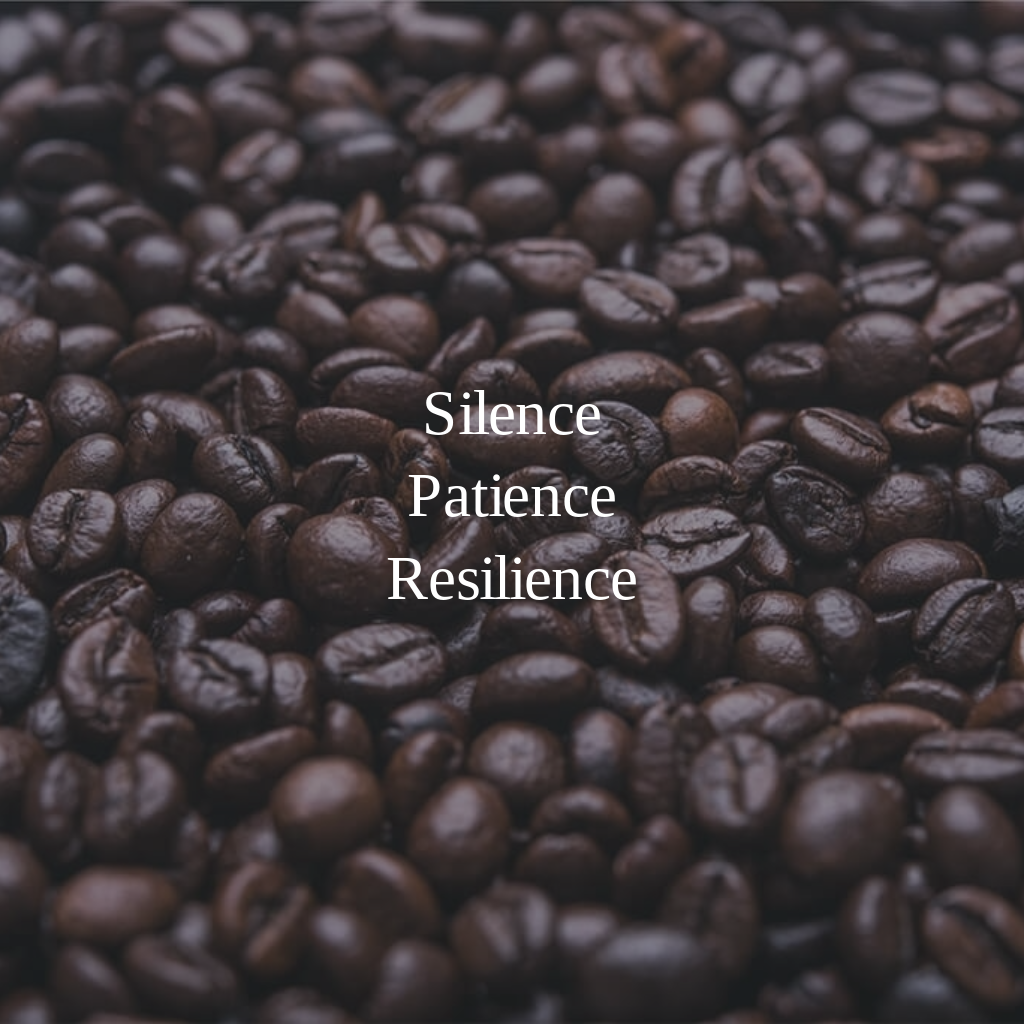
Resilience Patience Silence

Silence – In 2015, I worked really hard to step aside and listen. I learnt to listen to all of the voices in the room, not just the most frequent and loudest ones. By being silent more students were empowered to find and have their voices heard.

Silence took on another form in the classroom again in 2015. It meant that students had time to consolidate new ideas into enduring understandings in a calm and stress free environment. In 2015 we took time to be still and allow our minds to catch up from the daily bombardment of outside stimuli. We learnt about Mindfulness and how it can help in the classroom.

Patience – Patience is not a cliche, but a call to inaction at its purest. When I felt the most vulnerable in my practice as a teacher this word held me on the rails. I’ll admit, that there were times when it felt like that my life as an educator was only a penny left on the tracks away from a train wreck. At times when anxieties rose the word patience steadied me when I wasn’t feeling it that day.

Patience also guided my class room management style. Students need time, they need understanding, and they need someone in their corner while they work things out. Patience is like counting to 10. It can be the difference between a hasty [over]reaction or a thoughtful response. Patience is the lens by which we all need to see that things are not always as they appear.

Resilience – In 2015 the word resilience has worked its way to the top on a lot of lists as the 4th R in education. In my estimation, resilience is, and always will supersede the other Rs because it transcends the classroom.  We must allow students to ideate, learn, iterate, fail, succeed and repeat.

If all we are doing is programming students with the software from a curriculum, and never allowing them to test their own operating systems and hardware, then we are missing the chance to develop lifelong problem solving skills. Resilience is what makes first attempts in learning bigger than the FAIL acronym, by being the launch pad for lifelong learning.

Learning must be relevant to their lives, not ours. We cannot expect students to care about something totally antiquated and irrelevant to their world and future. Our role as knowledge mediums and intellectual fire starters is to kindle a spark of curiosity in students to become constant learners. Resilience can be developed by equipping and evolving real life problem solving skills now. My students are expected to do this everyday. As our class motto asks, “What are the real life problems you are solving today?”

So as the hours tick towards another new year I look back with appreciation on a great year of learning and look forward to another year ahead. May silence, patience, and resilience be part of your classroom in 2016. I know they will be part of mine.

Happy New Year.


Art in a Contained ASD class

This year as part of my teaching package, I was asked to teach art one period a week in a contained ASD class. Surprisingly, it has become one of my favourite periods of the week and something I look forward to. There are 6 students in the classroom with a variety of needs and challenges but we have somehow managed to create some really cute art during the first four months of school.

Let me be upfront and honest. I have very few artistic skills. Therefore, the thought of leading anyone in art was a little nerve racking. To combat this problem I relied on the knowledge of my student’s interests, Pintrest and amazingly supportive colleagues to come up with some fun projects.

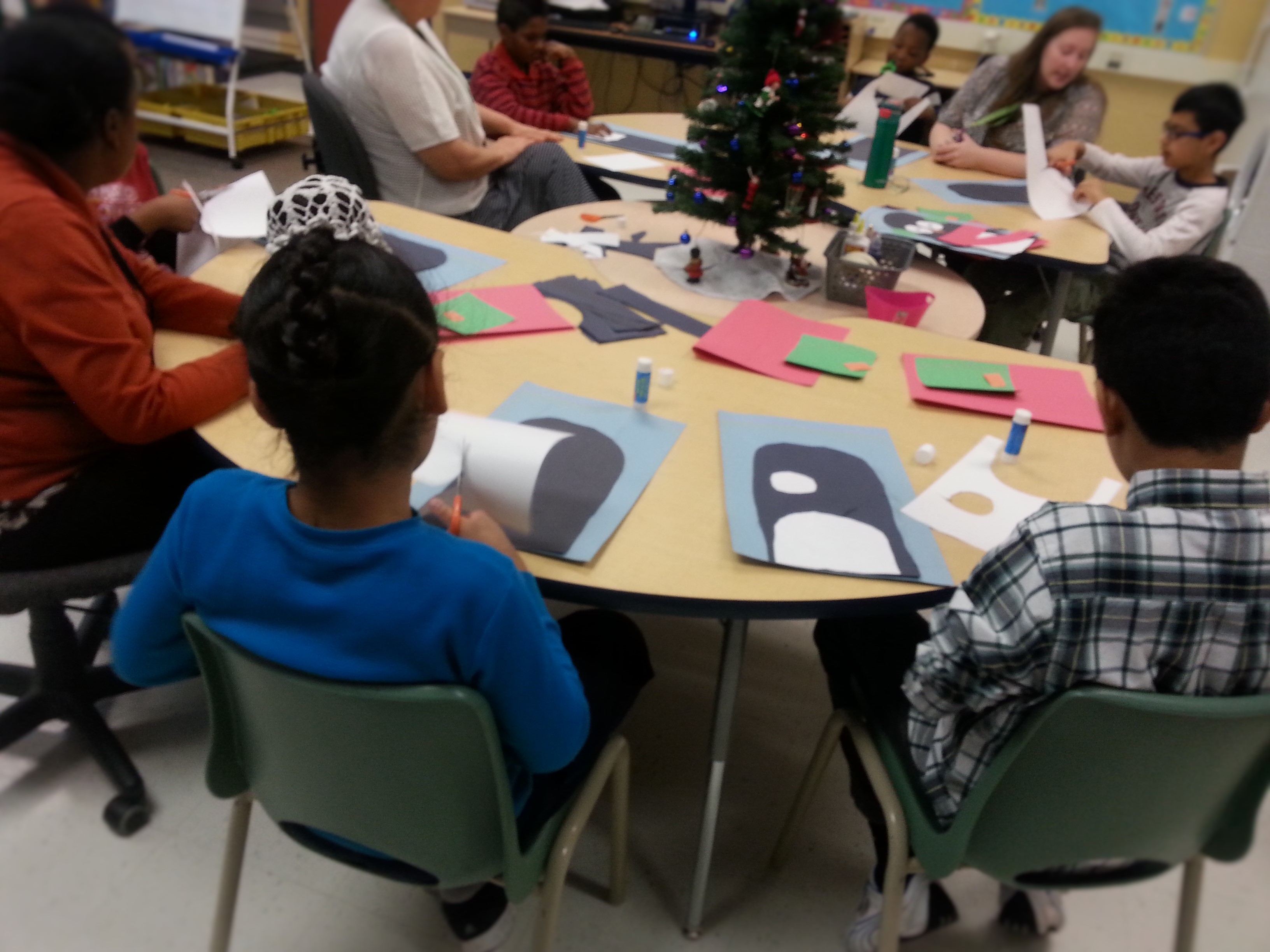
Before we began every project, I showed them all the finished product and had step by step verbal instructions to complete the task. This highly structured environment enabled all of them to be successful and lowered stress levels for some of the students. art making (2)

We all sat at the table together and the materials were placed in front of every students work station.


Some of the art we created was inspired by the students’ interests.

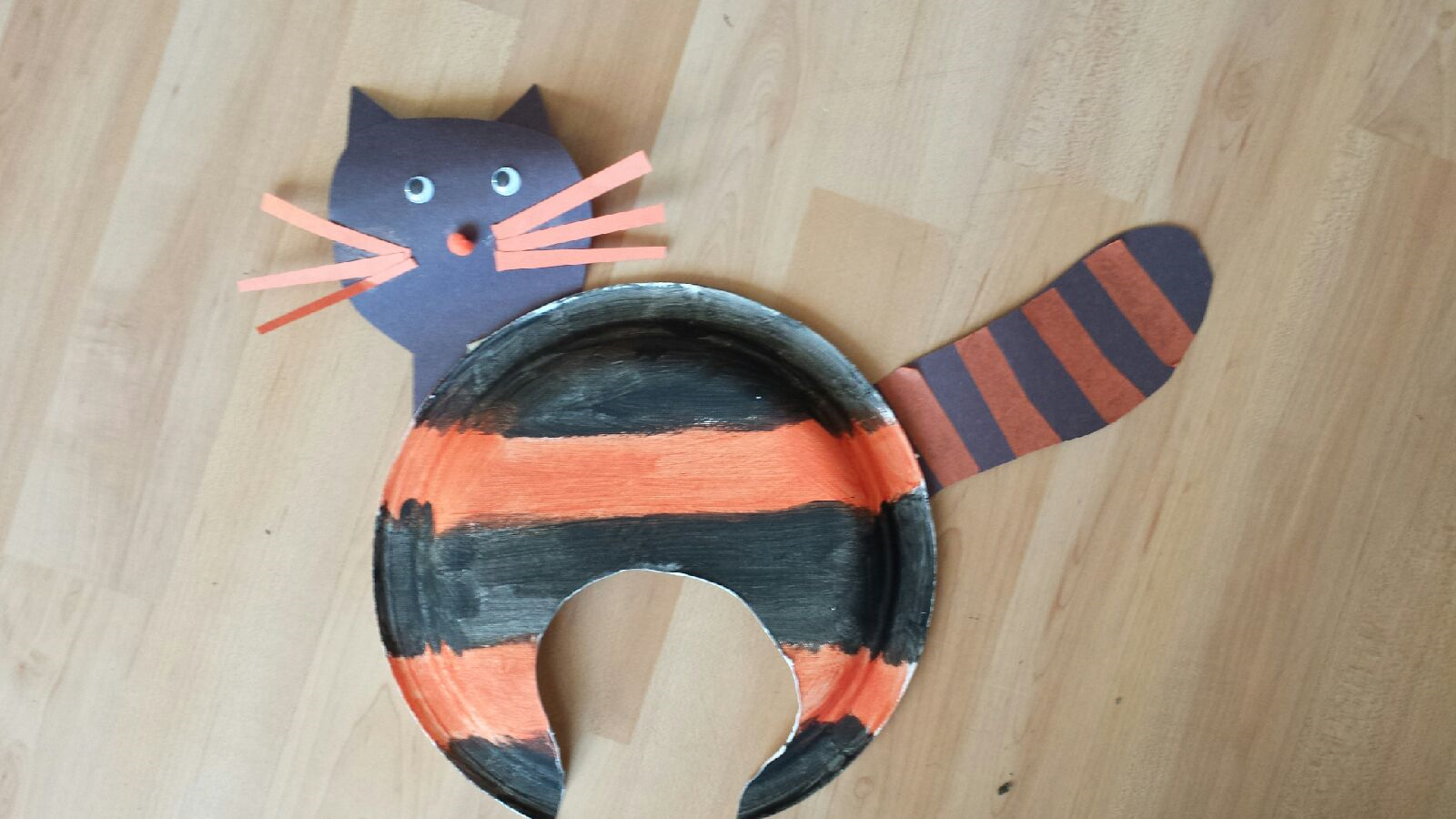
One of the students in the class loves animals. To inspire our art lesson,  I made a prezi about my cat Harley https://prezi.com/vquishjdeok3/my-cat-harley/. We then made our own Harley kittens out of paper plates, paint and construction paper.

cat art

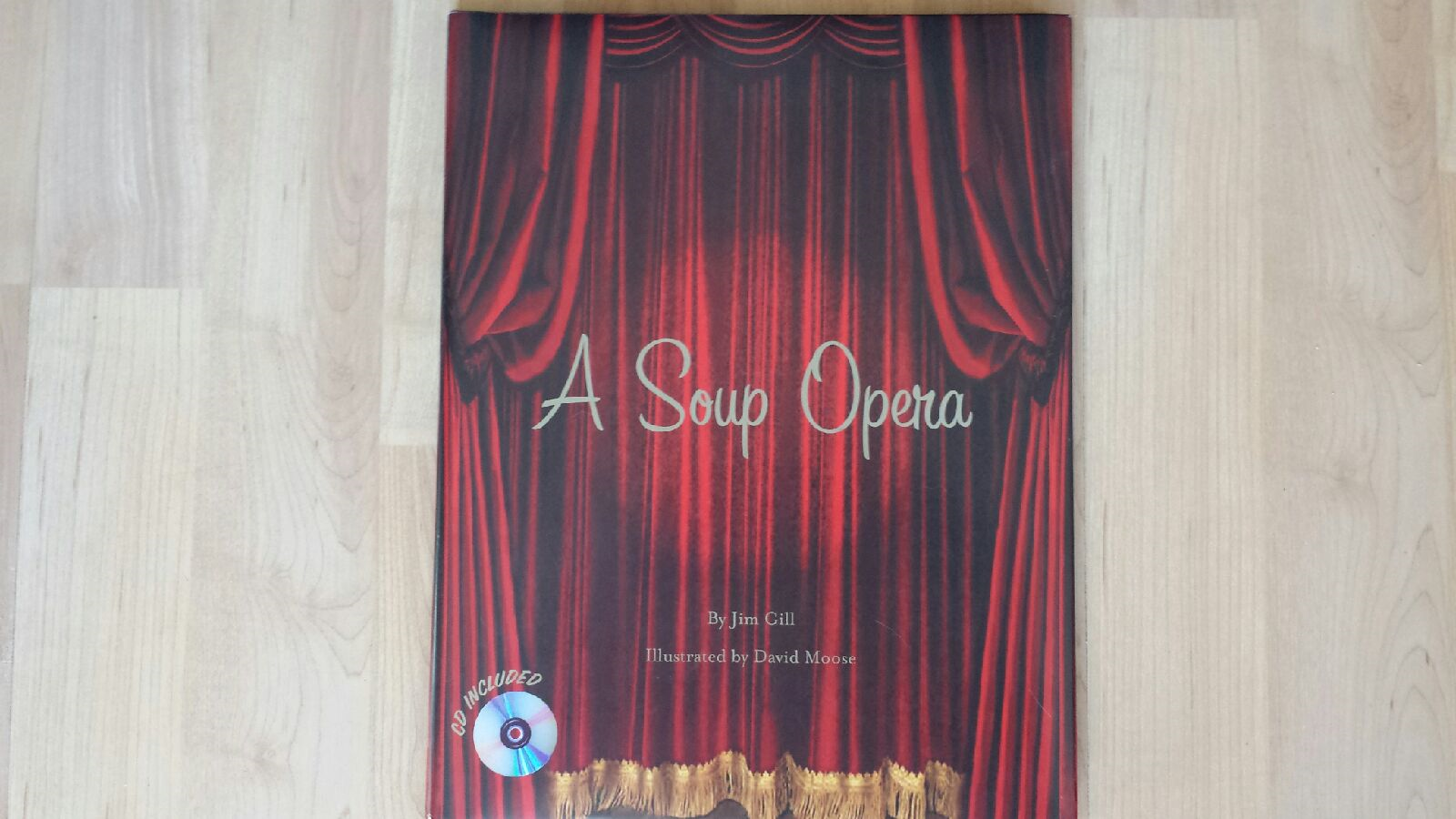
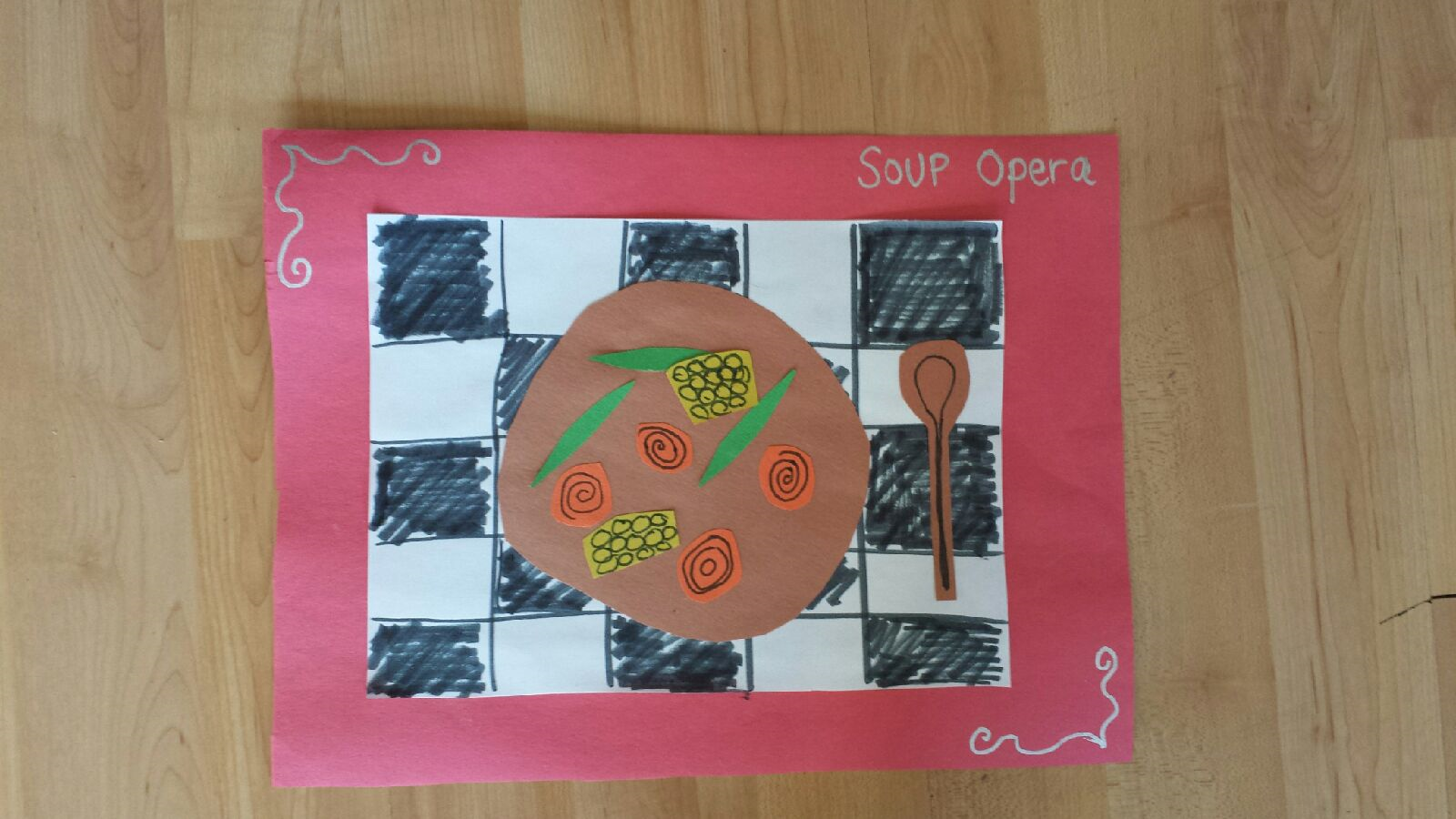
Another student in the class loved the book “A Soup Opera” that we read last year in music. I took one of the images from the book and we recreated it in another art lesson.

soup booksoup art


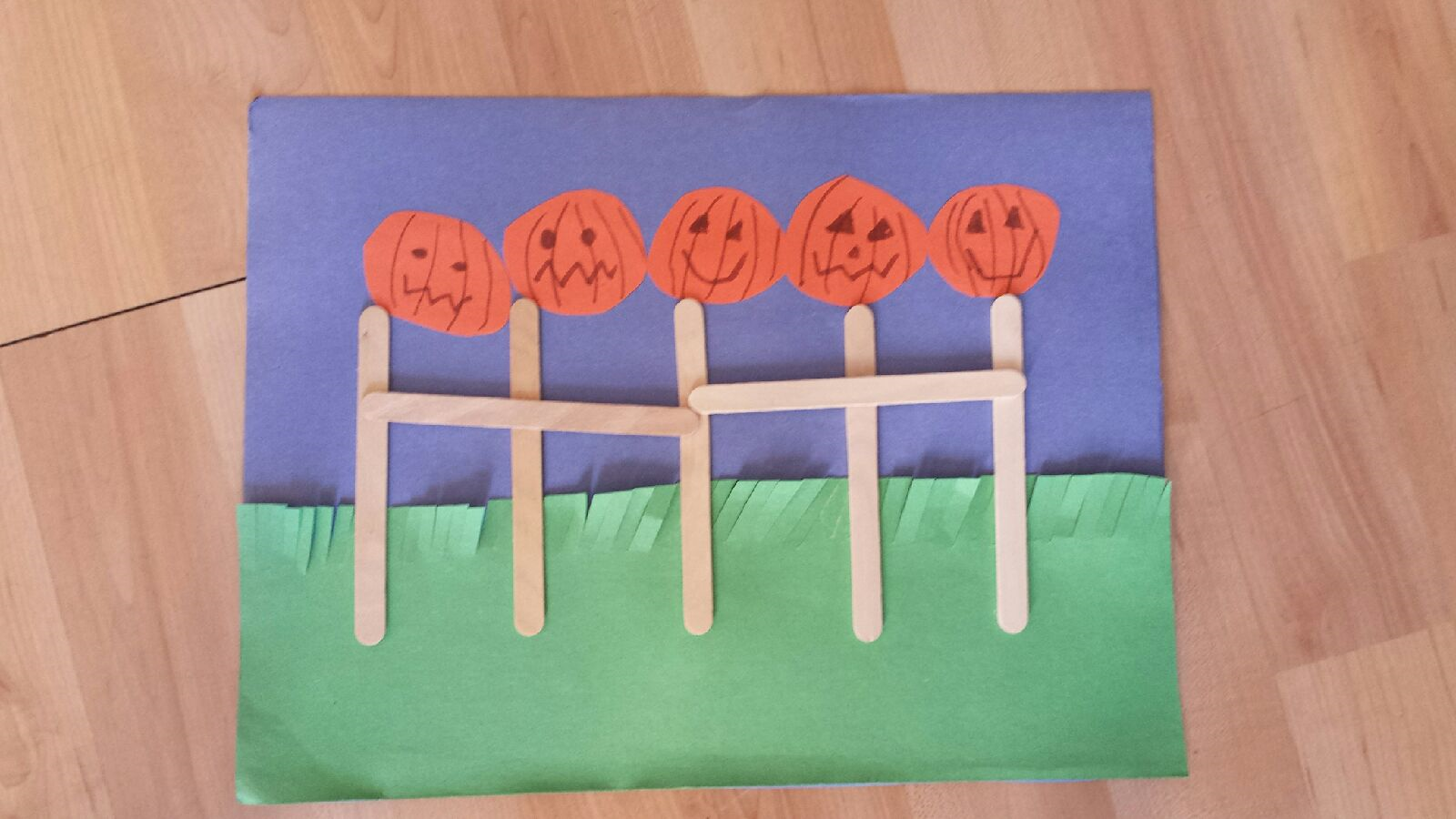
A song called “5 Little Pumpkins” was the inspiration for another art piece. After we learned the song, we made our own 5 little Pumpkins.

pumpkinart


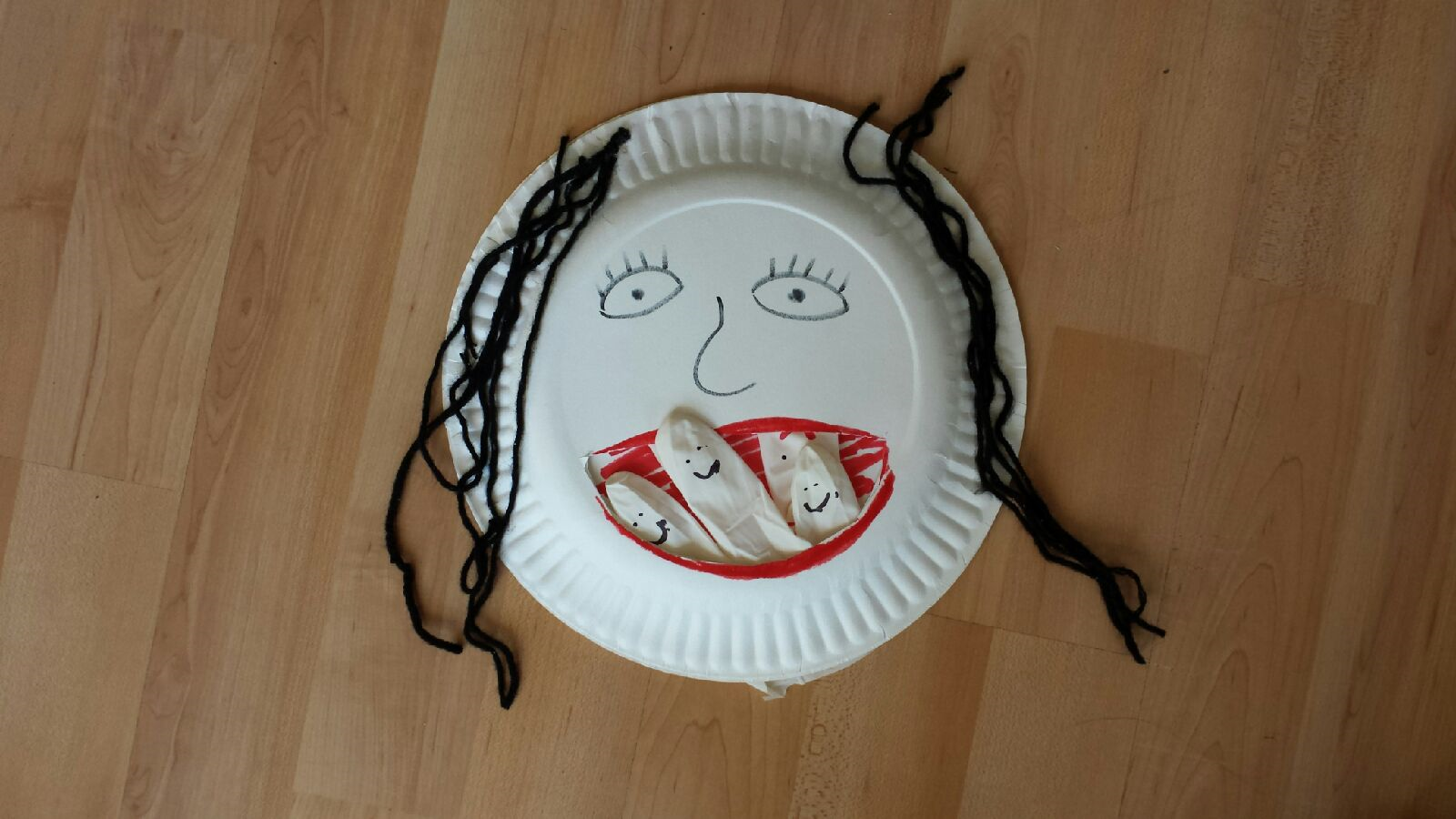
A colleague of mine lent me a book with a variety of art activities in it. We made teeth puppets out of paper plates and gloves. We then created tooth brushes out of recorder cleaners and tissues and sang the song “You brush your teeth”

tooth art


Another helpful tool this term was Pintrest. I sure I am the last person in the teaching profession to find out about this great tool and the next two winter art pieces were inspired from art on Pintrest.

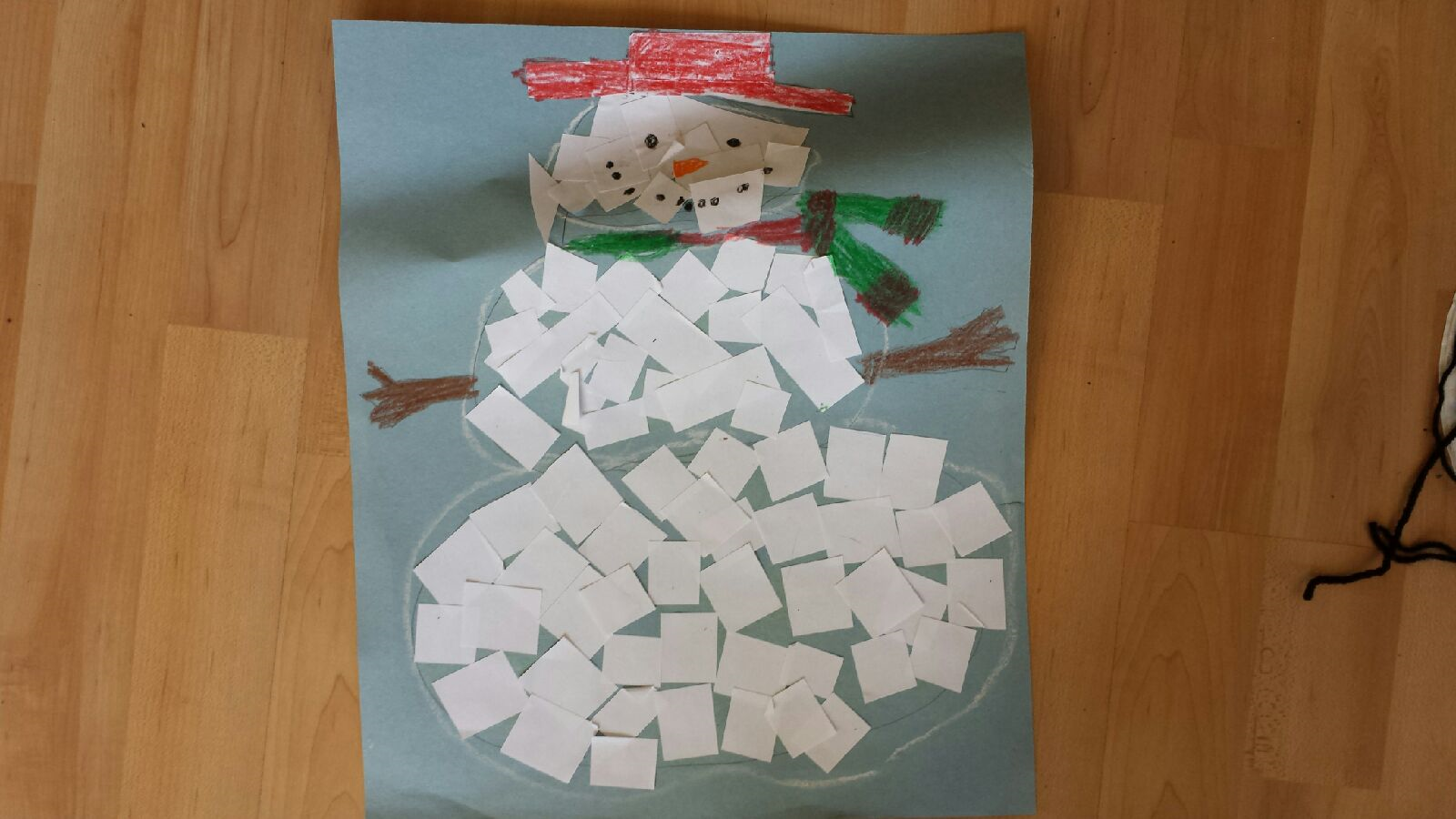
snowman art

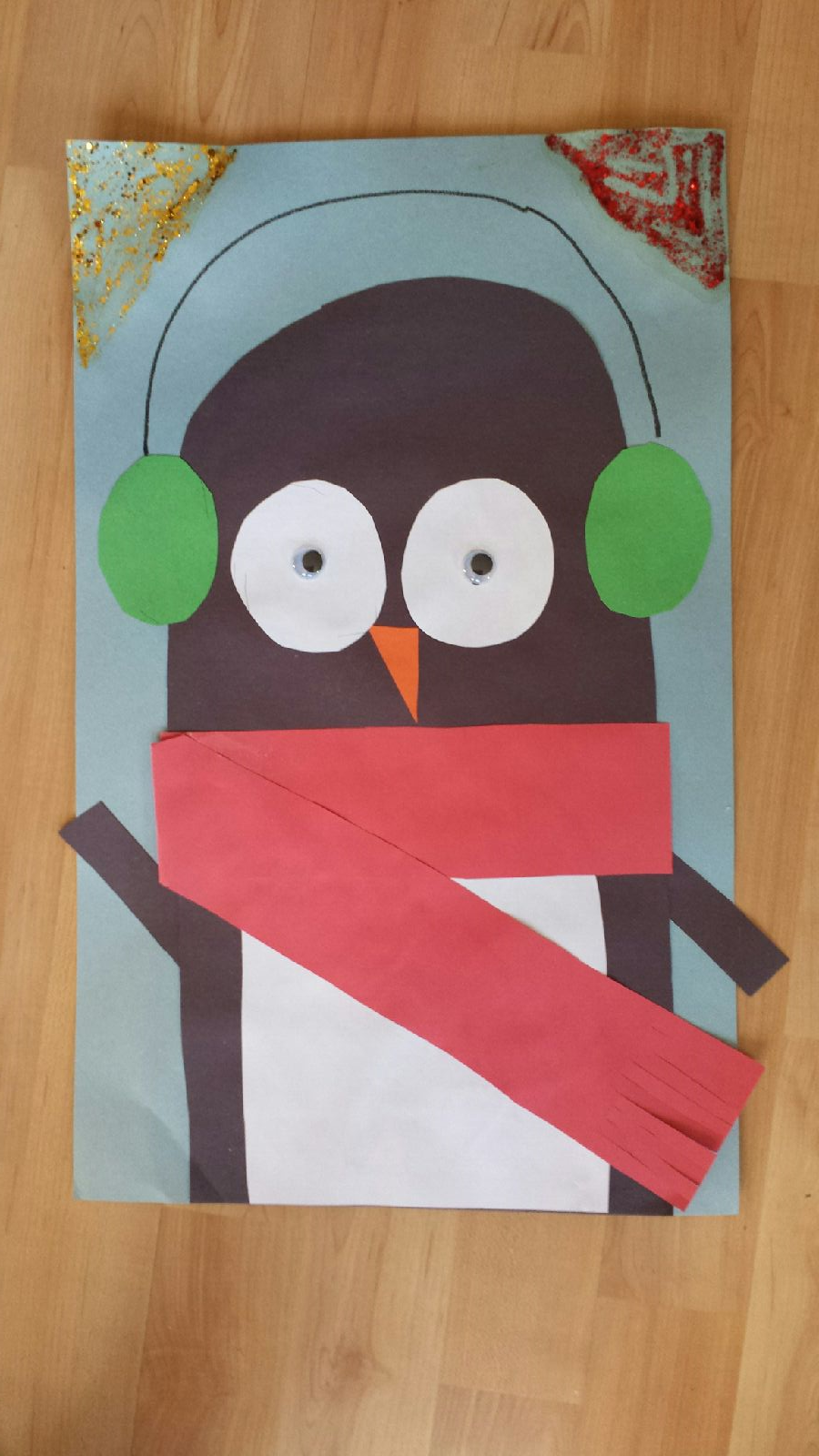
penguin art


I have taught other contained classes the arts in the past and some further considerations to keep in mind before starting are:

  1. In some classes scissors could be very dangerous if not probably monitored.
  2. Oral fixations that result in consumption of glue, clay or art materials is a possibility for some students. Make sure to read the student’s IEP and speak with their classroom teacher before bringing these materials
  3. Knowing your students’ triggers are important. I had a student in the past where holding a pencil caused them a lot of anxiety so I planned accordingly.
  4. Have a very clear plan about the pairing of student with staff to create the best scenario for success.


The gift

It’s Monday.
I should be in the classroom right?
Nope, not this week, or the next one either (insert thoughts of appreciation here).

It’s the Winter break and millions of students and teachers are waking up to the first of 10 vacation days. WooHOO! My internal clock did not get that message. Neither did my clock radio alarm as it went off at 5:55 am as always. So as the chorus of Pat Benatar’s Love is a Battlefield blared, I pressed snooze for the first time since September.
15 minutes later I’m up, dressed, and drinking the first of the day’s many coffees. That’s enough sleeping in for one day.

It has been a hectic 4 months in the classroom.
The months have flown by at the speed of learning(my term).
Not that it’s a bad thing, but frenetic might be an apt single word descriptor.
With reports going home late this year, ongoing committees, teams and extra-curricular activities in full swing to accompany day to day instruction my schedule is full. Needless to say, free time is in short supply.

As the Christmas/Winter Holidays approached, students started hinting about gifts, our school concert, and ideas for class parties. Soon we were discussing clothing and toy drives and plans for the break.

1. “Mr G., I noticed you drink a lot of coffee. Would you like coffee for Christmas?”
2. “Can I volunteer to be an ambassador for the school concert?”
3. “Mr G., here are some toys I brought in for our toy drive. Can I bake some cookies for the class?”
4. “I don’t have a gift for you. I’m sorry.”

Here are my answers in order;

1. Yes please and that’s very thoughtful of you to ask.
2. Yes, you’d be a great ambassador. Thank you for stepping up.
3. What a kind gesture. Some cookies would be awesome as long as they are peanut free.
4. You do not need to apologize or give me a gift. Coming to class, everyday, willing to learn has been the best gift a teacher could receive, and you have been giving it since September. I should be giving you a present.

On the last day before the break we tidied the class, stacked desks, and arranged chairs in a circle for a social activity. Cookies, candy canes, and cheer were shared – along with fun draw prizes for every student. I was blessed with a number of thoughtfully worded cards and generous gifts including coffee(I can quit anytime).

While were all sitting in our social circle I began reflecting more on the conversation with the student who said he had no gift to give.  As I shared with him then, his gift to me arrived everyday in his hard work and positive attitude. I realized he had offered me another amazing gift – a chance to encourage my class; to let all of the students know how their hard work and desire to learn were the best gifts a teacher could ever receive.  So before the bells rang and the best wishes wished that gift was shared with the class.

As I look back on the first four months it is clear to see that the holidays in our class started in September because we gathered, we shared, and gifts were given.

Christmas Card 2015Merry Christmas   Joyeux Noel
Happy Holidays   Season’s Greetings
Happy Gregorian Calendar New Year