Because we have made it part of our timetable to spend the first and last block of every day outdoors with our SK students, we have become pretty regular weather watchers. So when we noticed that they were calling for 20 degrees on a Thursday in November, we decided to plan for a full morning of activities outside.
The first thing we did was brainstorm what learning opportunities we could provide that were a little different from the regular. Then we let the parents know of our plans, reminding them of the importance of dressing their children appropriately for a day of exploring outdoors, a day that included a filled water table. We also included the principal in our communications and were very happy when she had no objections or concerns.
With 2 ECEs, 2 teachers, a parent volunteer and a Child and Youth Worker placement student, we were able to put together a good variety of activities 2 days ahead of time. Besides the climbing structure which is always a big draw any day, we had cooperative games on the pavement; a reading area under a tree with a basket of books on a tarp; and a water table and Lego ship building. We also provided metres and metres of mural paper attached to the school wall for painting on; dump trucks, watering cans, shovels and pails for digging and building with; and a chance to do some gardening in the raised vegetable garden beds.
I was in charge of gardening. I brought some gardening tools from home (trowels, sequiturs, forks, and cultivators) which the students could easily manipulate. We set about pulling up the dead plants in the vegetable garden, trimming the perennial herb garden plants (lots of great things to smell and taste), planting about 20 bulbs of garlic, and covering the four raised beds with leaf mulch from the school yard. We had so much fun! We dug up a small Rosemary plant to overwinter in the classroom and a small maple seedling that was out of place growing in the middle of the vegetable bed. The students decided that we should dig the seedling up, bring it into the classroom and look after it until spring, at which time we could plant it in the school yard.
The students were so enthusiastic about the plants, but even more so about the bugs they discovered in the garden. Although many of them were hoping to find worms, we found slugs, grubs, potato bugs, and spiders, all of which they handled gently for closer inspection. One student asked if we could bring one of the slugs into our classroom. Since we already had a small aquarium set up for observing worms from the vermicomposter, we discussed whether we could use it as a slug habitat. Now we have worms AND a slug in our classroom. I mentioned in last month’s blog what great class pets worms could be. Slugs are even easier!


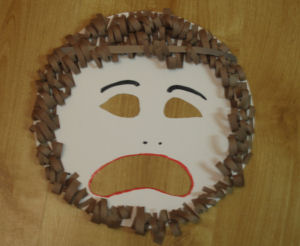 math around how many showings of the play we would need to do if we had room for 35 seats in the classroom. We talked about what it would be like if we charged money for the show, what would we use the money for, how much would we get if we charged $0.25 per seat, $1.50 per seat, etc. What if your ticket included popcorn, how much would it cost? We purchased popcorn, popped it and measured how many servings we could get out of it. Then we did the math on how many bags we would need and how much we would need to charge for it. They worked out the math on how long the show was, how much time would be required between showings to get organized again, and then looked at the school schedule to see how many showings they could fit in during the day. They wrote reviews of the play for the newspaper, they wrote ads to go on the announcements, they even filmed commercials! They made a program to hand out, worked out how many copies they would need, they did it all.
 that was very interested in restaurants. So we incorporated the social studies of food from around the world, and we turned out whole class into a restaurant that served dishes from different places around the world. Again, we did advertising, signage, lots of math around how much we would need of different supplies, etc.