This year I am teaching a grade 5/6 class. I’m learning a lot as I transition from teaching a grade 2/3 class last year. I have always had a heart for the younger grades but as I am getting to know my new group of grade fives and sixes, I feel my heart growing.
I have a class of 24 wonderfully bright, inquisitive and compassionate kids. Every day I am blown away by their ability to share ideas, challenge norms and push their learning to new limits. My favourite thing about teaching this class are the spontaneous, unplanned conversations that arise during the day and the powerful learning that comes from them.
I wanted to find a way to break down barriers and set an inclusive tone for their year. There had been a lot of buzz around the book Wonder, by R.J Palacio, so I decided to use it as our first read aloud. I cannot recommend this book enough. If you haven’t heard of it, Wonder follows the story of a fifth-grade boy named August Pullman, who has a severe facial deformity, as he makes his way through attending school for the first time. The book is written through his point of view, but also through the point of view of other characters in his life. The story touches upon countless valuable topics, themes and discussion points. Ranging from bullying, social groups, peer pressure, self esteem, growing up, parent divorce and grief to love – the interweaving storylines of Wonder’s characters offer a wide range of access points for teachers and students.
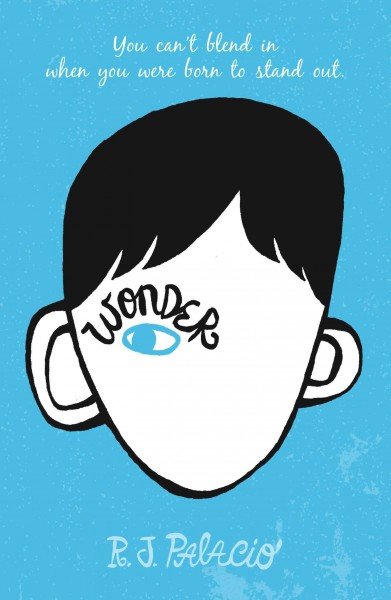
Since the first day of school, we have started every morning sitting under the big tree in our playground reading Wonder together – my students gathered around me reading, completely immersed in the story, always asking to read on to the next chapter. It is my favourite part of the day. Not only does this create a calm transition into the school day for my students, but it sets the tone with powerful messages and mindful discussion.
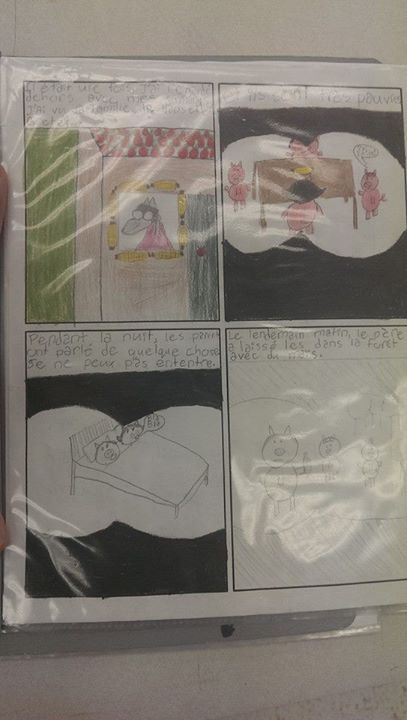
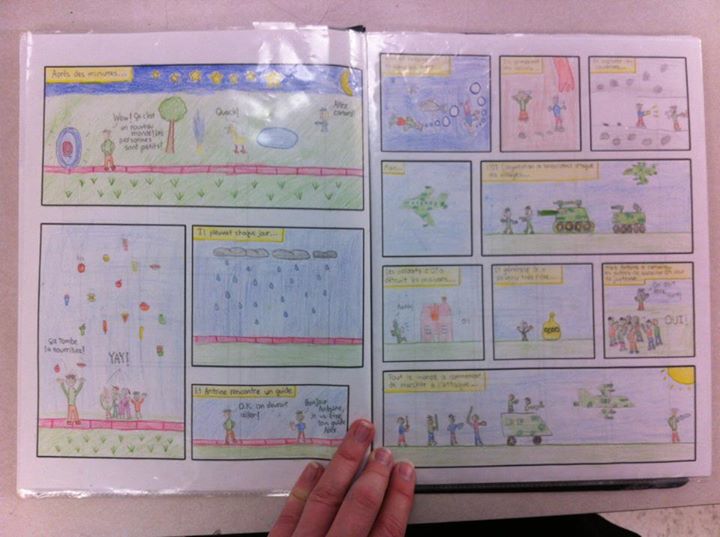
With Wonder as our mentor text, my students have engaged in many literacy, drama, visual arts and health learning experiences. Our classroom has been taken over by Wonder and it’s message – choose kind. The curriculum connections are plenty but they aren’t why this book is so powerful. It is powerful because of its ability to resonate with every student in the room. It is powerful because of the thinking it sparks.
Last week, I had one of my top teaching moments. After nutrition break, I thought my students needed a few minutes of quiet to transition them into our math block. I called them over to our carpet, sat down there with them, and thought I would read just a few pages of our book. We didn’t get to that math lesson. Instead, we happened to read a fairly impactful chapter about the idea that everyone is fighting a battle though we may not know it. I noticed a few tears in the eyes of some students. When I stopped reading, the chapter sparked a very powerful conversation. Without invitation, several of my students chose to share their own experiences of struggle in their own lives. A few of them were brought to tears in doing so, immediately comforted by their peers. Other students commented on how brave they were to openly share that with others. They talked about empathy, compassion and shared some very profound thoughts. The bravery, maturity and vulnerability they displayed amazed me. It was a beautiful experience to share with them.
All this to say, the author of Wonder has done an outstanding job at addressing real issues in a way that is engaging and accessible for kids. I highly recommend this book for your class and I believe every child in school should have the opportunity to read it.
 The final stage of this unit is to transfer the learning that has occurred to an independent reading task they complete. This is called their Book Project. They are able to select a book that meets the following two criteria: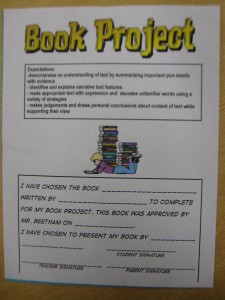



 math around how many showings of the play we would need to do if we had room for 35 seats in the classroom. We talked about what it would be like if we charged money for the show, what would we use the money for, how much would we get if we charged $0.25 per seat, $1.50 per seat, etc. What if your ticket included popcorn, how much would it cost? We purchased popcorn, popped it and measured how many servings we could get out of it. Then we did the math on how many bags we would need and how much we would need to charge for it. They worked out the math on how long the show was, how much time would be required between showings to get organized again, and then looked at the school schedule to see how many showings they could fit in during the day. They wrote reviews of the play for the newspaper, they wrote ads to go on the announcements, they even filmed commercials! They made a program to hand out, worked out how many copies they would need, they did it all.
 that was very interested in restaurants. So we incorporated the social studies of food from around the world, and we turned out whole class into a restaurant that served dishes from different places around the world. Again, we did advertising, signage, lots of math around how much we would need of different supplies, etc.