I was very disappointed to learn that we would not be returning to school in June. I am missing the students and their families. I feel isolated from my co-workers, and I am longing for the times when we would connect in the hallway and out in the yard. I do not love teaching on-line, but I am finding new ways to engage with my students, collaborate and play.
Reader’s Theatre:
Reader’s Theatre and/or writing and performing original plays works really well on-line. With younger students, you can share the screen and read a poem or a play together as a shared reading activity. Older students can work in Break-Out rooms (ZOOM) or in their own meetings to write and/or read together. To support the creative process, there are several Drama games and conventions that work on-line, such as speaking in-role, Mirror, exploring different feelings through movement and facial expressions, charades, and more!
It’s Show Time!
As we have all discovered, there is something extra performative about staring at yourself while you are teaching. There are times when I feel like a Children’s Television Host, trying to be as animated and entertaining as possible, which can be exhausting. My students need a body break every 30 minutes, so I always join them to jump and dance to various fitness videos. I have seen educators on social media upload photos of themselves in costumes, sharing ideas about themes such as Beach Day and Star Wars Day. We are all working so hard to be creative and keep our students happy. We deserve a standing ovation every day!!
In preparation for Earth Day, we listened to the story “The Great Kapok Tree” by Lynne Cherry. When a Kapok tree in the Amazon rainforest is threatened, different animals who depend on the tree speak out. All year, we have been learning about relationships, and the ways in which humans and more-than-humans are all related and connected. This book also supports the Science learning in Grade 2 for Growth and Changes in Animals, as well as environmental justice. I found a Reader’s Theatre script on-line shared by another educator, which I was able to revise for my own students.
Puppets!
Puppets can be used very effectively to tell stories on-line. After choosing their parts, everyone was encouraged to think about how they might develop their character using voice and movement. One of the students’ in the class has two parents who are actors. Krystal Meadows and Eli Ham joined us on-line as special guests. They shared ideas about how we could use the “box” that we are in to move in different ways. We imagined how our character might be feeling, and how that might impact the way the character moves and speaks. We learned about pitch (how high and how low), tempo (how fast and how slow), and timbre (the quality of sound). During this rehearsal time, everyone was working at home to make a puppet. Some students used a paper bag, or glued a drawing to a stick. Others used toilet paper rolls or socks. They were all very creative!
“Keep Calm and Break a Leg”
After two weeks, we were ready to share our play. In preparation for our performance, some students created their own art to use as backgrounds, which was lovely. We discovered that virtual backgrounds don’t work because the puppet (and the actor) sometimes disappear. During the performance, students were amazing at muting and unmuting themselves. I encouraged everyone to have their own copy of the script so that we did not have to share the screen. We also used “Speaker View” to focus on who was speaking.
The first time we performed, I recorded the meeting and shared it with families to enjoy. We also watched the recording together as a class. We practiced giving and receiving feedback, and thinking about how we might improve our performance. At the next Staff Meeting, I invited other classes to join us for a second performance. I shared our ZOOM link and we had another chance to share our hard work with a new audience.
One of the advantages of performing on-line is that the audience was able to hear the actors clearly. Without a microphone, it can be challenging in-person, (especially when wearing masks) to be heard on stage. If you have an on-line opportunity to write a play with your students or use Reader’s Theatre to perform poetry or a script, I highly recommend it. Drama is so playful and filled with possibilities. Play on!!
Break open…and rise up!
Spring is a good time to reflect and pay attention to growth, change and transformation. After a long year of isolation and stillness, everyone is hopeful about the promise of movement and possibility. Planting seeds is a wonderful metaphor of the learning that we are doing together in our school communities.
Planting Seeds:
Jenny Davis is one of the parents at The Grove Community School who has supported the growth of the Rainbow Garden, by working in consultation with First Nations and Indigenous families and community members. In the fall, Jenny harvested seeds from some of the edible plants, including sunflowers, cornflowers, and marigolds. This Spring, families worked together to deliver a paper bag of soil, seeds and a pot to every student.
Jenny facilitated on-line planting with our classes, and shared what she is learning about important Indigenous protocols, such as the practice of gratitude and reciprocity. We were encouraged to sort and describe our seeds and learn their names before planting, to draw pictures on our popsicle sticks to welcome them, to “pay attention” and give them what they need to grow. During our Land Acknowledgment, I have been honouring our plant relatives, and inviting students to share what they notice about their seeds as they break open and rise up.
Me and White Supremacy:
This winter, as part of my ongoing commitment to the practice of anti-racism, I participated in a community Book Club with a small group of parents and staff. Together, we read “Me and White Supremacy: Combat Racism, Change the World, and Become a Good Ancestor” by Layla F. Saad. I highly recommend this resource to White educators. This is a powerful book that includes journal prompts at the end of every chapter to support deep reflection and action. Layla Saad first wrote the book as a 30 day Instagram challenge, with daily prompts to support readers who have White privilege to recognize and disrupt White supremacy in their lives. Our Book Club met on-line every month, and we discussed one week at a time.
Layla Saad offers a process for engaging in the work called “The Circle Way”, which was developed by Christina Baldwin and Ann Linnea. The Circle Way includes guidelines and a structure for readers to follow, including rotating facilitators and a shared intention and responsibility to stay focused on the work. It was very helpful, and can easily be used to facilitate critical and courageous conversations in other contexts. I recently facilitated a discussion about the final chapters, and I invited everyone to think about their own growth, change and transformation, and how we might invite others into this work.
Root into darkness:
This work is not supposed to be easy. Layla Saad explains that feelings of devastation, anger, and confusion are important parts of the work. She writes, “Without those feelings, nothing changes, because there is no reason to heal what does not feel broken.” (page 199) As White educators who are committed to racial justice, we must recognize how we are complicit in a system that is causing harm to Indigenous, Black and racialized people, and allow the pain “to break your heart open” and work towards creating change.
Maya Angelou wrote: “Do the best you can until you know better. Then when you know better, do better.” After discussing what holds us back from “doing better”, such as fear, loss of privilege, confusion, or insecurity, the Book Club members made commitments to take action and disrupt White supremacy in our different communities. Each member shared “I will….” statements, and we agreed to continue the Book Club next year, and support new families to join the discussion.
Me and My Commitments:
I want to share my own commitments to anti-racism and publish them in this blog, so I can be held accountable. I will also include concrete actions that I will take towards these goals.
*I will….continue with my own on-going learning and professional development.
(I recently started the ETFO MentorCoaching program, and I am learning about intersectional feminism, anti-oppression frameworks, and transforming power. I will continue to use the reflective journaling prompts in the book to challenge my own White silence and fragility.)
*I will….share my learning with others.
(As an ETFO workshop facilitator, I meet with members from all over the province and always position myself as a co-learner. I will always join committees at school and/or in my local, that are doing racial justice and equity work.)
*I will….use my privilege to disrupt White supremacy in my classroom and school community.
(I will meet with my principal to discuss Equity goals for next year, and share recommendations at our last Parent Council meeting, including an on-going process of discussion and reflection to determine how well we are meeting our collective goals.)
*I will….center and celebrate voices of Indigenous, Black and racialized voices in the classroom.
(I have more learning to do about anti-Asian racism, and integrating curriculum to support East/South Asian students. I will dig deeper into the new ETFO resources, and implement Culturally Relevant and Responsive Pedagogy. I will teach love and pride always.)
*I will…listen and learn when I am called out and called in. I will allow myself to make mistakes, especially as I break open and rise up!!
Thank you for reading this blog. Writing and learning in community continues to be a transformative practice for me. I am deeply grateful for all of the support and nourishment I have received to keep growing.
OAME Math Conference 2021: Equity Counts
I am very excited to write today’s post as I had the pleasure of once again attending the OAME math conference this year. The conference ran from Monday, May 17th and ends today Friday, May 2st. There were over 160 sessions to select from so it was hard to narrow it down to three per evening. I was offered a volunteer position with OAME to assist with moderating 3-4 sessions. This gave me access to the entire conference and as usual, this year’s conference did not disappoint. I would love to tell you about the exciting sessions I went to and some details about them. I also attached resources that were made publicly available and some ways I have already used my learning inside my grade seven math classroom.
Session Name: Supporting the new Elementary Math Curriculum: Educator Learning Modules
Presenters: Moses Velasco and Chantal Fournier
Summary of my learning: Moses and Chantal shared their presentation about ELMs. They shared a great resource as well! This presentation was geared towards more of a math coach audience which as I am not was not able to connect with much of their content. The ELMs were from 2017 and I know there were some questions about making new ones with the new math curriculum. Moses let the audience know that they will be coming out soon. The examples that we saw on the website were great! Feel free to explore their resource.
Resources: https://sites.google.com/view/operation-sense/home
———————————————-
Session Name: Assessment that Moves
Presenter: Jordan Rappaport
Summary of my learning: Jordan was a gifted speaker and he had so many important things to share. Many of them I implemented in my class the very next day. Jordan spoke a lot about virtues in math:
- Being creative
- Being a thinker
- Curiosity
- Perseverance
- Willingness to take risks
- Ability to collaborate
Jordan shared that these virtues are important to people who hire mathematicians and essential in every math classroom. We also looked at a forward thinking rubric which had three boxes and a large arrow on top. He talked about using this so students can see where they are and where they should move towards. For the topic of collaboration, on the left column on the rubric, you would put terms like excluding, not being supportive, etc. and on the far right you would put the expected behaviours (opposite of the left side). You would then circle the place where the student was at. Jordan mentioned that building a rubric should be a collaborative process and he starts jamboards and shares them with his students. They generate ideas together when talking about a specific math virtue, what you should see and not see.
How I used this in the classroom this week: The day after hearing from Jordan, I posted the virtues on my slide and asked students to share what their best math virtue is. This allowed us to engage in conversations about why they take risks, why others may not, etc. This conversation was so meaningful and I loved hearing from my students.
Resources:
https://buildingthinkingclassrooms.com/
https://www.peterliljedahl.com/
http://fractiontalks.com/
———————————————-
Session Name: Designing Classroom Explorations that Engage All Students
Presenter: Gail Burrill
Summary of my learning: During this session, Gail spoke about many exciting topics. Gail shared that in her math classroom, she has her students complete various math tasks such as: book reports, research reports (math in art, etc.), write stories from graphs and many more. This connects math to many other subjects and is meaningful for students. Some other key takeaways included:
- Data driven tasks are important in the classroom
- Connecting math to student’s lives
- Gail gave an excellent example where students had to find the problem with Fred VanVleet from the Raptors as his shooting percentage was in a rut. They had to solve if there was a rut or not and look at percentages with his shooting statistics.
- Following instructions doesn’t mean your students have learned anything
- Turning procedures into problems because then students will want to solve them and remember them
- Vertical non-permanent surfaces
- Visibly random groups
- Comments before grades; feedback should be for thinking
Gail also mentioned a great resource where you can visit https://censusatschool.ca/ and have students answer: What do you notice? What do you wonder? These real life statistics engage her students for the first fifteen students of her class and she looks at real life scenarios. Gail also left us with some things to think about:
- How much time do your students spend..
- in silence?
- talking to peers?
- listening?
- presenting?
Resources: https://censusatschool.ca/
———————————————-
Session Name: Building Math Residue with Lessons That Stick
Presenter: Graham Fletcher
Summary of my learning: Graham shared many ideas that help students engage in explorations and lessons that really make students wonder, what is the answer to that question? I loved this idea from Graham:
- Estimation Waterfall: asking students to wait until they hit enter so that they are not just copying the student who always gets it “right”
Of course, the focus of the session was what makes a good task? Here were Graham’s steps:
- Simple: Is it accessible? Avoid language due to any language barriers
- Unexpected: Does it fire up the guessing machine? Do students actually want to know the answer?
- Concrete: Do your students have any prior knowledge to connect to?
- Credible: What validates the math?
- Emotional: Does it create an ah-ha moment?
- Stories: How will the math story be told?
Graham also mentioned the following ideas which are important to know and to understand:
- Anyone can be good at math
- Listening to a student’s thinking is more important than the answer
- Graham showed a video of him working with a student and he was so patient, waiting to hear the student get the answer and listening to their process
- Right answers should only matter at the end of a unit (assessment/test). The journey along the way is for making mistakes and for building understanding
- A good math question makes you excited for the answer
- Teachers shouldn’t jump on their students when they see a wrong answer, they should question them and wait for them to have that ah-ha moment
How I used this in the classroom this week: The day after hearing from Graham, I asked my students join a jamboard and I posed the above statements to them. I had them disagree or agree and if they wanted, they could share their reasoning on the mic. Students had such incredible things to say about all of the statements and we even got one anxious student to admit that making mistakes along the way is okay! A huge breakthrough for this student.
Resources: https://gfletchy.com/Be sure to check out the tab “3-Act tasks” for some engaging lessons that stick!
————————————————–
Session Name: Math, Social Justice and Actions
Presenter: Robert Berry
Summary of my learning: Robert Berry brought up incredible conversations that need to be had in our math classrooms. Robert shared a provocation for us: Who are our essential workers? What do you notice, wonder and how does it impact your community? Robert shared a lot of insight on how to create your own social justice math lesson:
- Learn about relevant social injustices
- Identify the math
- Establish your goals
- Determine how you will assess your goals
- Create a social justice question for the lesson
- Make student resources
- Plan for reflection/action
There should be conversations about connecting math with students cultural and community histories. This was a great session and I was so engaged in his presentation, I did not take many notes!
Resources: https://padlet.com/rqb3e/sjmathresources Attached are incredible social justice mathematics resources
————————————————–
Session Name: Some of my Favourite Problems
Presenter: Mike Eden
Summary of my learning: Mike is from the University of Waterloo and he shared many engaging math problems from various contests and from challenging math lessons. He asked people in the chat to share their answers and we looked at many ways to solve these challenging problems. I am sure you are all familiar with “Problem of the Week” from the University of Waterloo, well Mike took us further with these incredible problems!
Resources: http://: https://www.cemc.uwaterloo.ca/ https://www.cemc.uwaterloo.ca/contests/past_contests.html
—————————————————
Session Name: Slow Reveal Graphs as Social Justice Provocations
Presenters: Kyle Pindar and Jennifer Fannin
Summary of my learning: This was such an engaging session that used the website https://trends.google.com/trends/ to design slow reveal graphs. The focus of the lessons are asking the questions these key questions: What? So what? Now what? Also, what do you notice? What do you wonder? Slow reveal graphs are innocently framed as hard hitting social justice questions. Kyle explained how to make these slow reveal provocations using these steps:
- https://trends.google.com/trends/?geo=CA Make sure you are using the Canadian trends (setting on top right should say “Canada”
- Download the image (graph) you want to use
- Open up a blank google sheet
- Upload the download and re-size the columns
- Delete the top two lines
- Create slide show
Then, show your students these graphs, slowly revealing new features on the graph such as: the actual data, x axis information, y axis information and then eventually, the title (trend). Kyle and Jennifer discussed generating expected students responses so that you can be prepared to have these discussions as a class. They had great examples, specifically a graph showing the googling of “BLM” and you could see the spike on the day that George Floyd was murdered. Both presenters discussed how you would have that conversation with the class of what made these search results spike up in May of 2020? These are such great ways to have social justice discussions in class!
Resources: https://trends.google.com/trends/?geo=CA https://www.statcan.gc.ca/eng/start
Overall, I am so grateful for the opportunity that was this year’s OAME Math Conference. I wish I had been able to attend/moderate more sessions but as an OAME volunteer, I have the ability to listen to recorded sessions I could not attend. I will listen to some over the next few weeks and post anything else I gather. I hope this post provides a snapshot of such incredible math presentations and all of their wisdom that they wished to pass on to math educators! I know it is late in the year to take in this much incredible math information, but this post will be here to refresh your memory after a well-rested and well-deserved summer vacation!
If you wish to learn more about OAME or how to attend the conference next year, visit their website: https://oame.on.ca/main/index.php

Buiding an Inclusive Playground
I am having a lot of fun learning how to center issues of disability justice and equity throughout the curriculum.
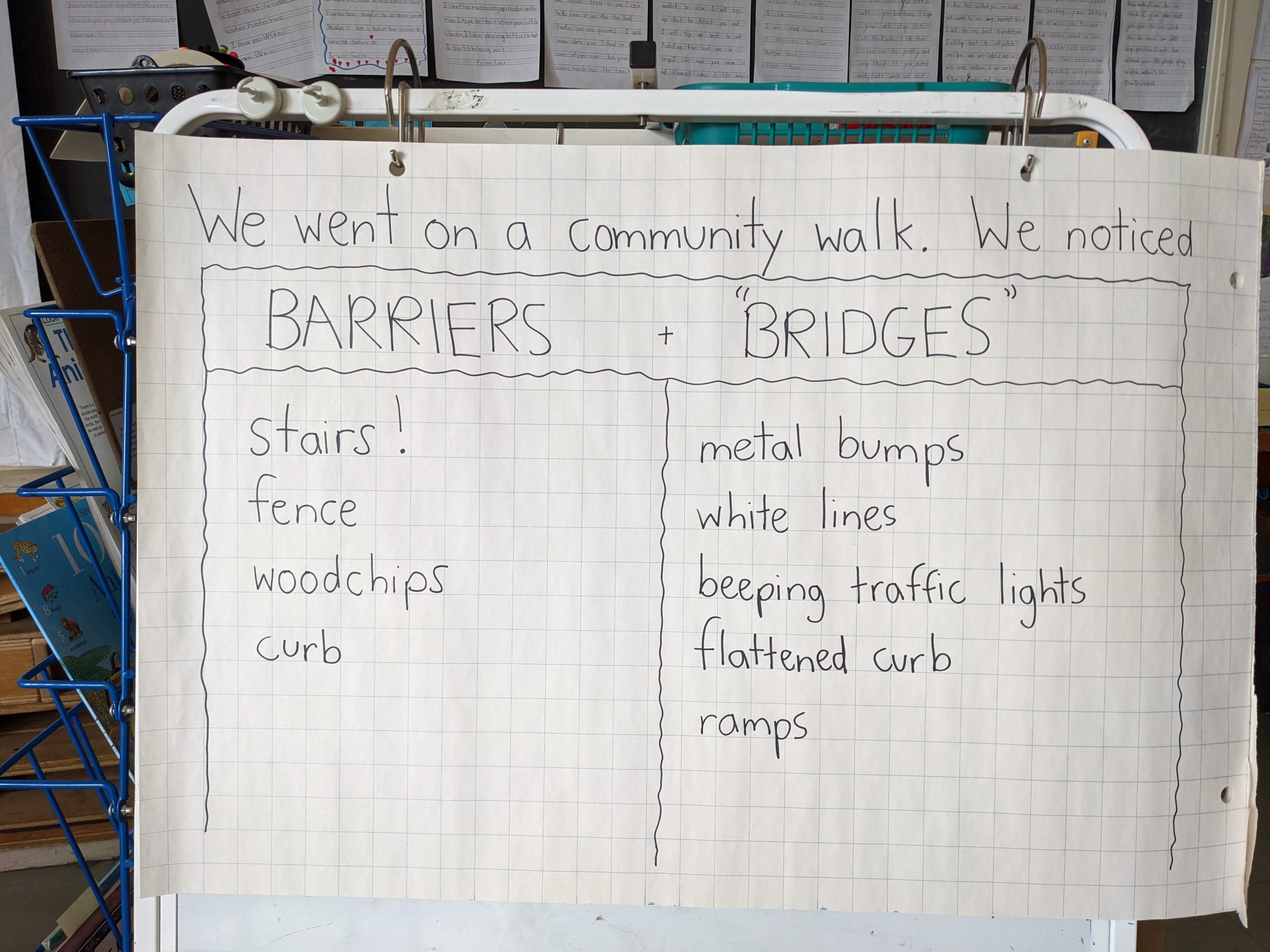
Every week, during MSI (Math-Science Investigations) the Grade 2 students solve problems using a variety of building materials. As part of the Science curriculum, we are learning about Movement and Simple Machines. We started this inquiry when we were face-to-face and finished on-line. We have integrated this learning with disability justice, equity and community activism. For example, we went on a walk and collected data about barriers and “bridges” in our local community. Then, the Grade 2 students designed inclusive playgrounds where everyone is welcome.
Here are some other examples of how we are deepening our understanding of Structures and Mechanisms, and making connections to the local and global community.
World Water Day:
We celebrated World Water Day on March 22, as part of our year-long inquiry about water. Throughout the year, we have explored a variety of texts, including resources from The Junior Water Walker website. After reading “The Water Princess” by Susan Verde and “Anna Carries Water” by Olive Senior, our class simulated the experience of carrying a bucket around the track for 1 km, to represent the journey taken by girls and young women every day. 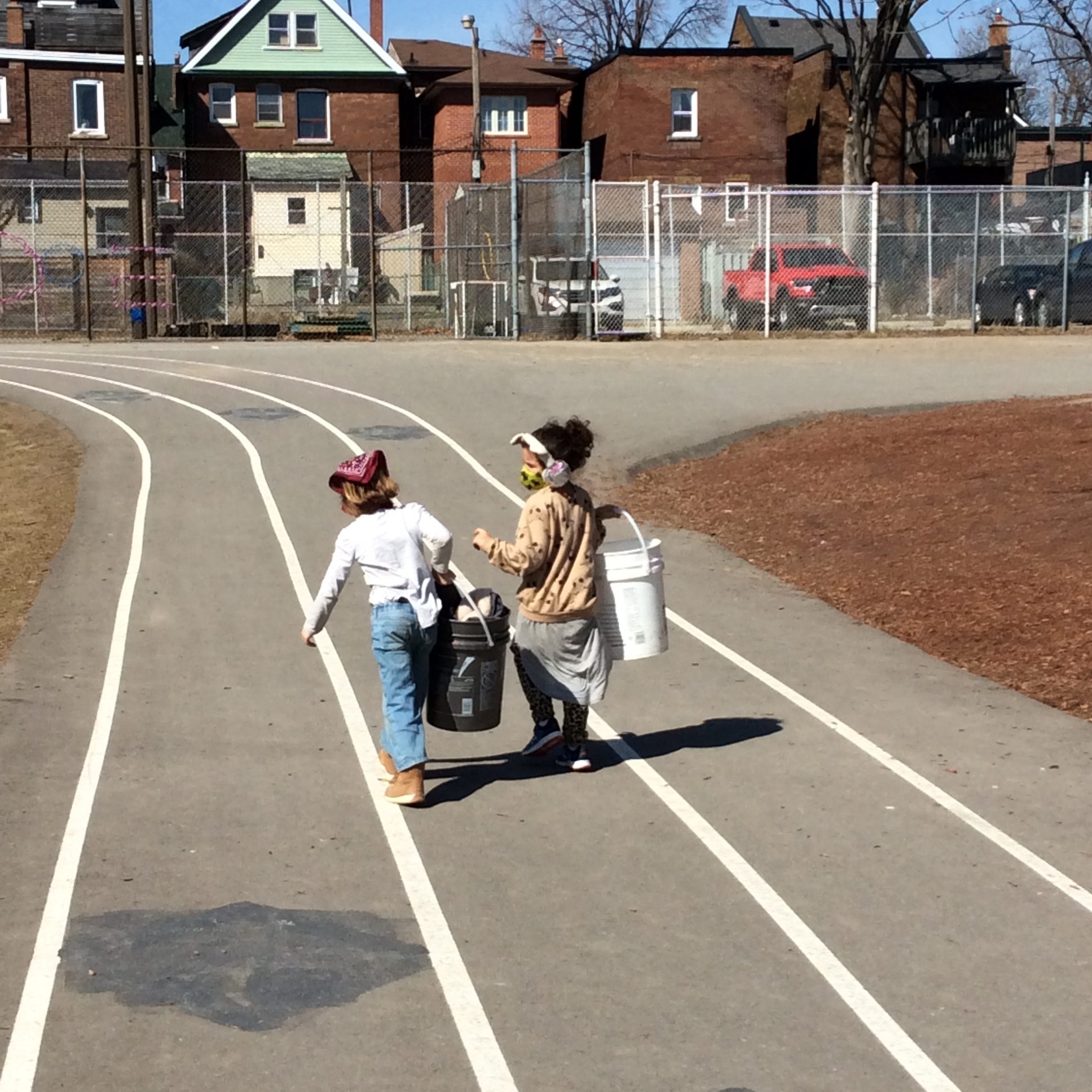

Then, we used building materials to investigate: How might you move water from one place to another?
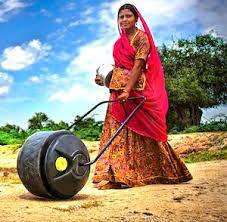
We learned about a simple machine that was invented to help families carry water in rural India. We watched a YouTube video about The Wello Water Wheel, and talked about the impact it might have.
Toy Day:
On Toy Day, the MSI challenge was: Design a structure that moves or helps your toy to move.
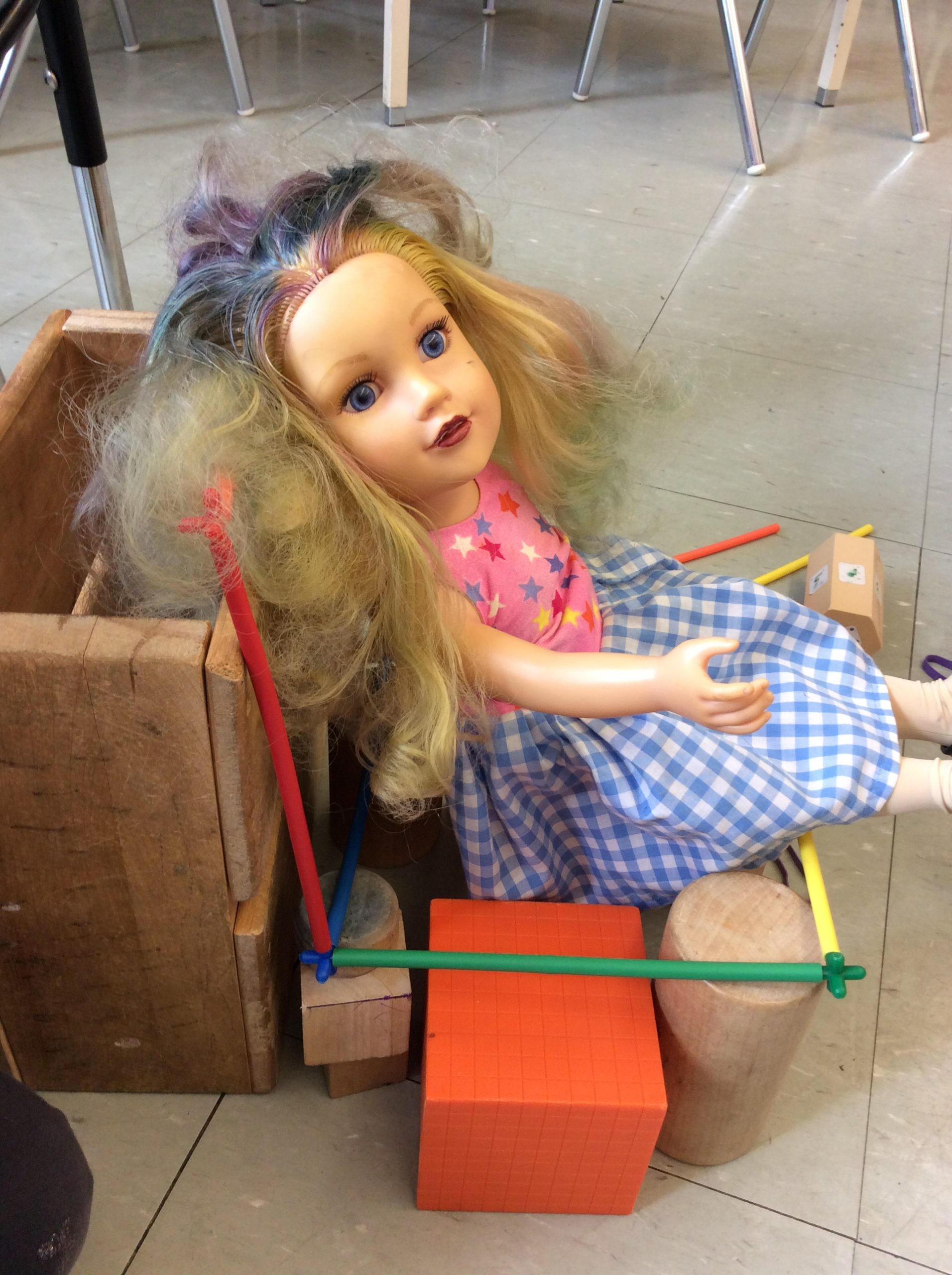
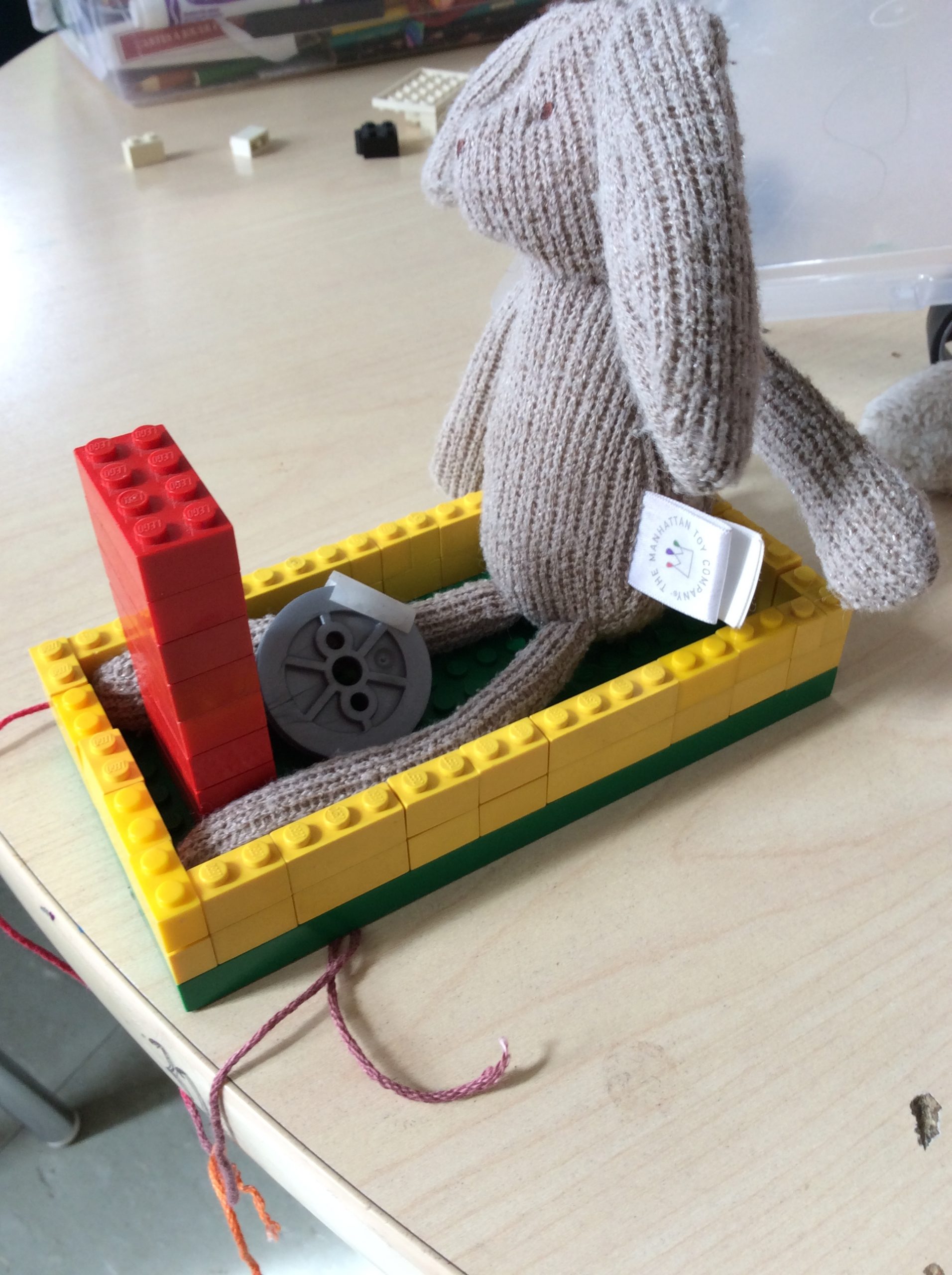
Freda made a wheelchair for her doll. Svea made a sled.
After building, we watched this video:
Science Max: Simple Machines
Outdoor Learning:
One day, we collected materials to bring outside to investigate simple machines. We worked with partners to explore: How might you use ramps and different balls to investigate levers and inclined planes?
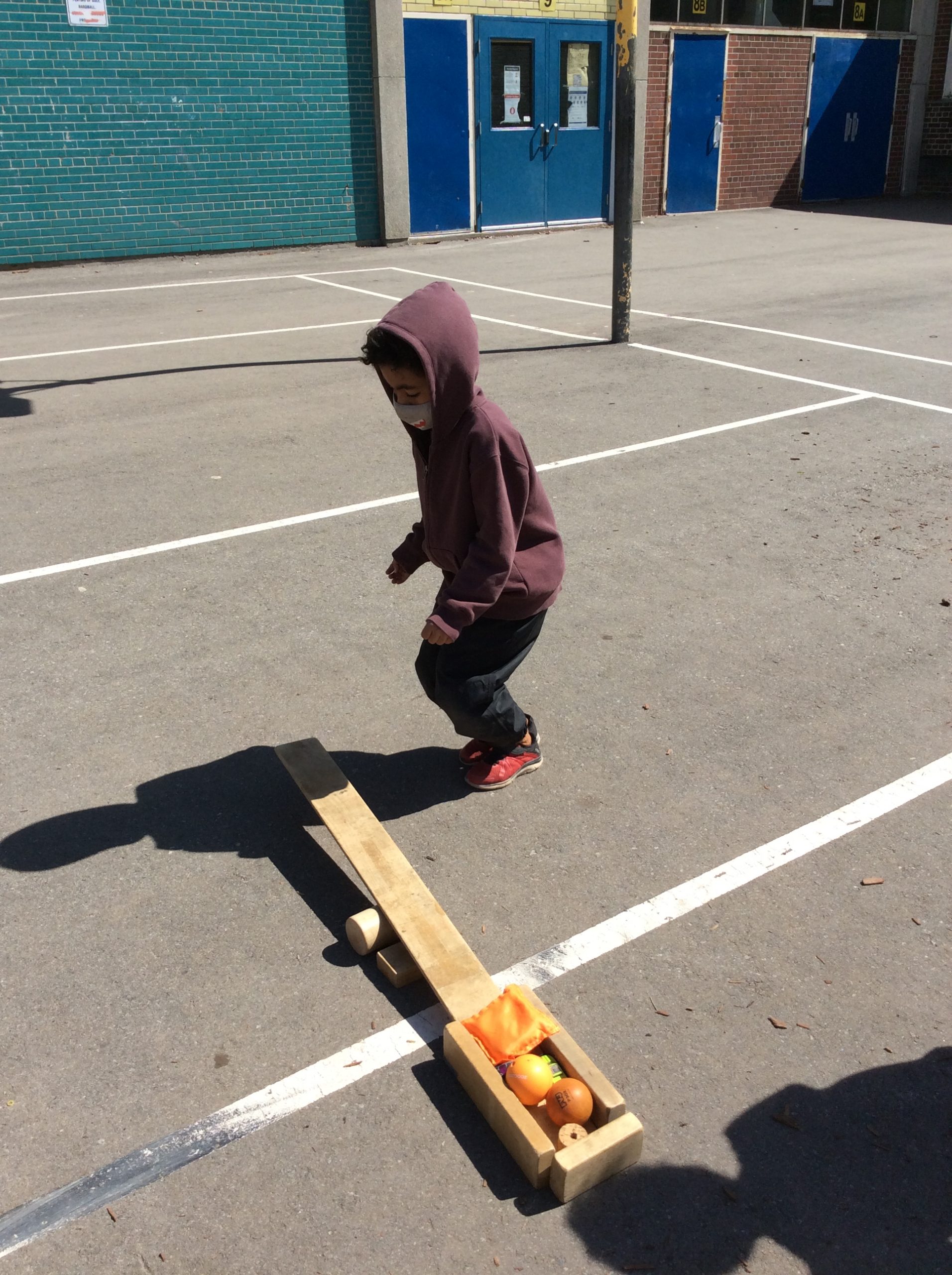
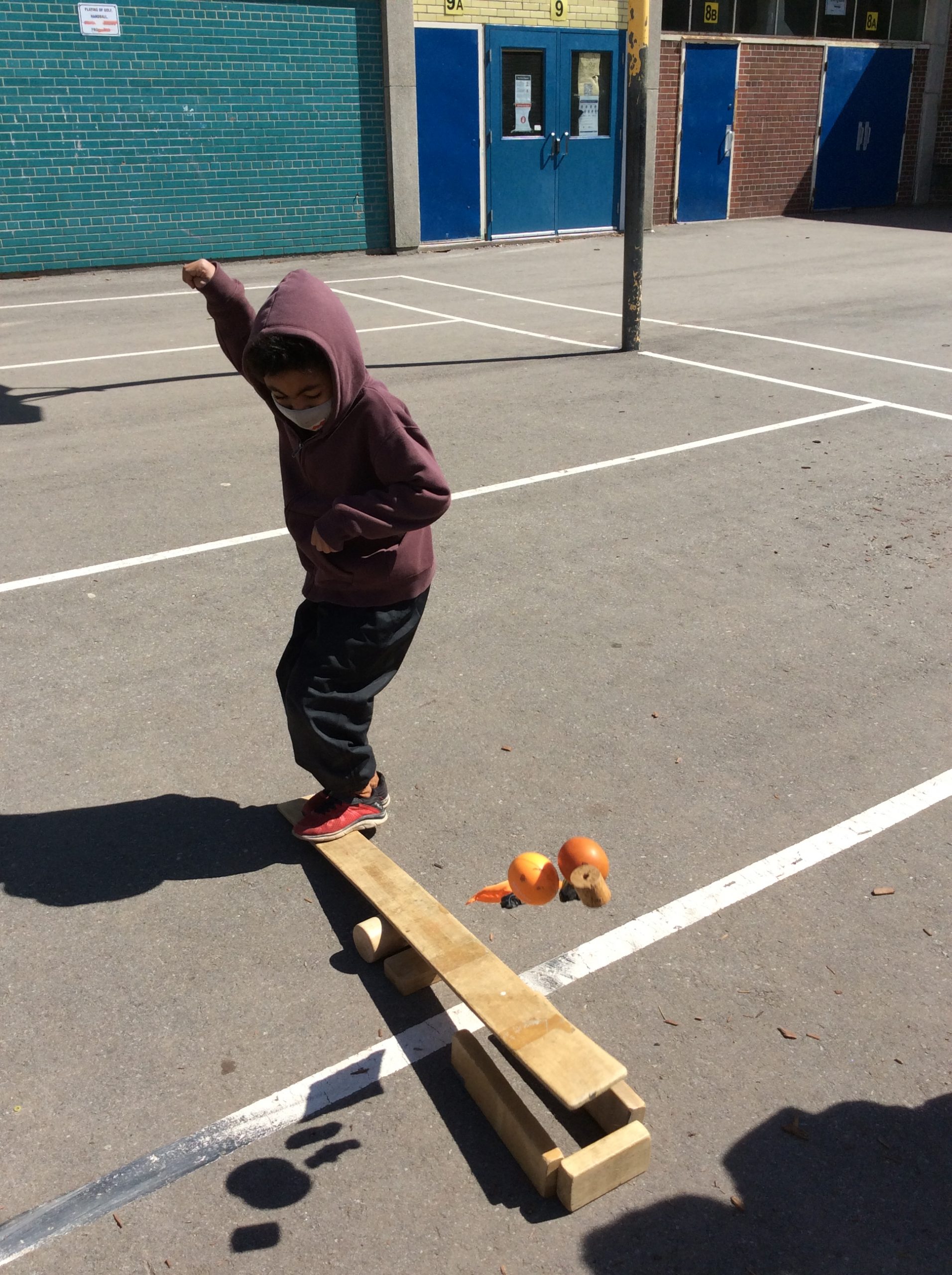
Before schools went back to on-line learning, we went on a Community Walk. I invited students to think about: “How might we make our community more accessible? What are some of the barriers and “bridges” in our community?” Students worked together to draw, write and collect data on clipboards. We found ramps made by StopGap Foundation, and followed up our walk by reading books about children with different abilities.
Inclusive Playgrounds:
The summative task was: Design and build a model of an inclusive playground that includes a simple machine. The equipment must move a person up and down, or round and round or back and forth.
Students used a variety of materials to build their inclusive playgrounds, including Lego, recycled materials, clay, and Minecraft. Before building, everyone was encouraged to make a plan and draw their designs. Everyone worked on their project off-line and came together to share their VIP: Very Important Projects at the end of the week.
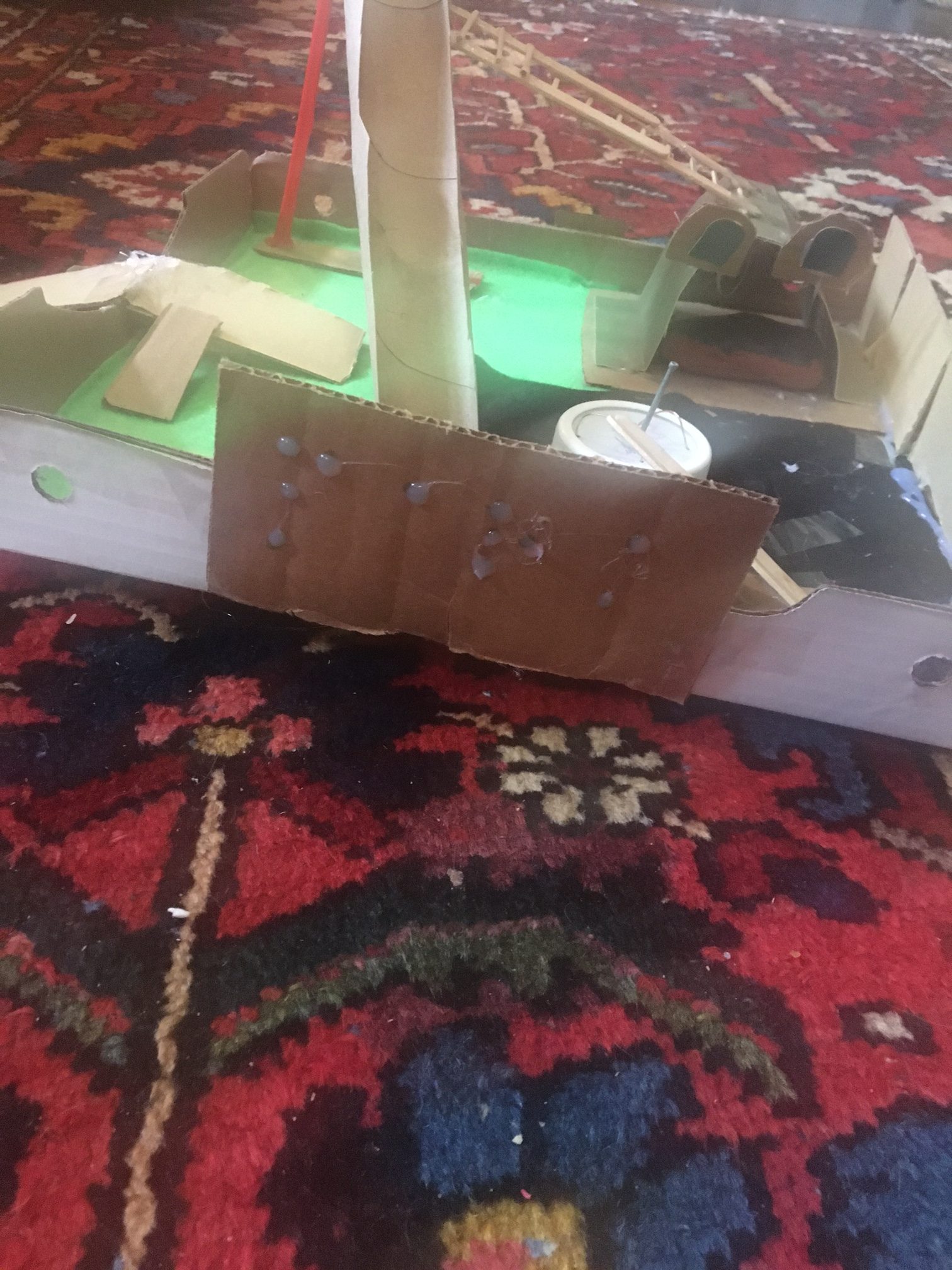

Clem used a glue gun to spell “PARK” in Braille letters. Avery included an elevator.

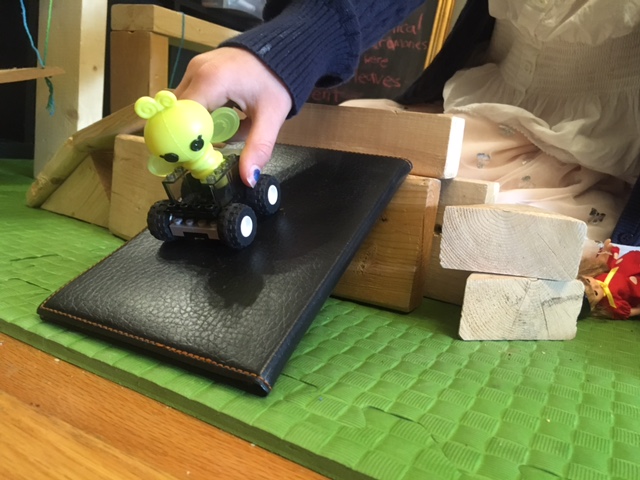
Oral presentations have been an effective way to connect, share ideas and feedback, and assess students’ understanding. Technology/Being on-line has created space to hear each other, share our screens and look at photos of our work up close, and invite others into creative Minecraft worlds. These integrated learning activities were engaging, fun, creative, and provided meaningful opportunities to explore inclusive design and disability justice.
Point of View
This month, we are exploring different points of view through reading and writing a variety of texts. This “big idea” has many possibilities for critical thinking and cross-curricular integration with Media Literacy, Social Studies, Science, Visual Arts, Music and Drama.
In my Grade 2 class, we have used point of view to explore issues of accessibility, anti-Black racism, Indigenous sovereignty and homophobia. Here are some of the texts that Kindergarten-Grade 8 educators can use when learning on-line and in class:
William’s Doll
During Gender Splendour Week, we read “William’s Doll” by Charlotte Zolotov, to explore gender stereotypes and homophobia. We also watched a video from the movie, “Free to Be You and Me” that sings the story as a song. “William’s Doll” is about a boy who wants a doll to play with, but he is told that he cannot have a doll because he is a boy.
Young children receive powerful messages from family, media, clothing and toy stores about what is expected of “boys” and “girls.” These binaries reinforce heterosexism, and often cause harm and exclude students who do not fit into these boxes. It is important to give children the opportunity to name, question, and challenge these gender binaries, and create space for more possibilities.
Before reading “William’s Doll”, I asked students to share their ideas about what it means to be a “boy” and a “girl.” We talked about what a “stereotype” is and how these ideas might not include everyone. Students easily made connections to their own personal experiences of shopping, and described how different products are sorted and sold, (e.g., pink Kinder Eggs for girls). After reading, we used a graphic organizer to support our ideas with evidence from the text. Then, students wrote about different points of view expressed in the text. 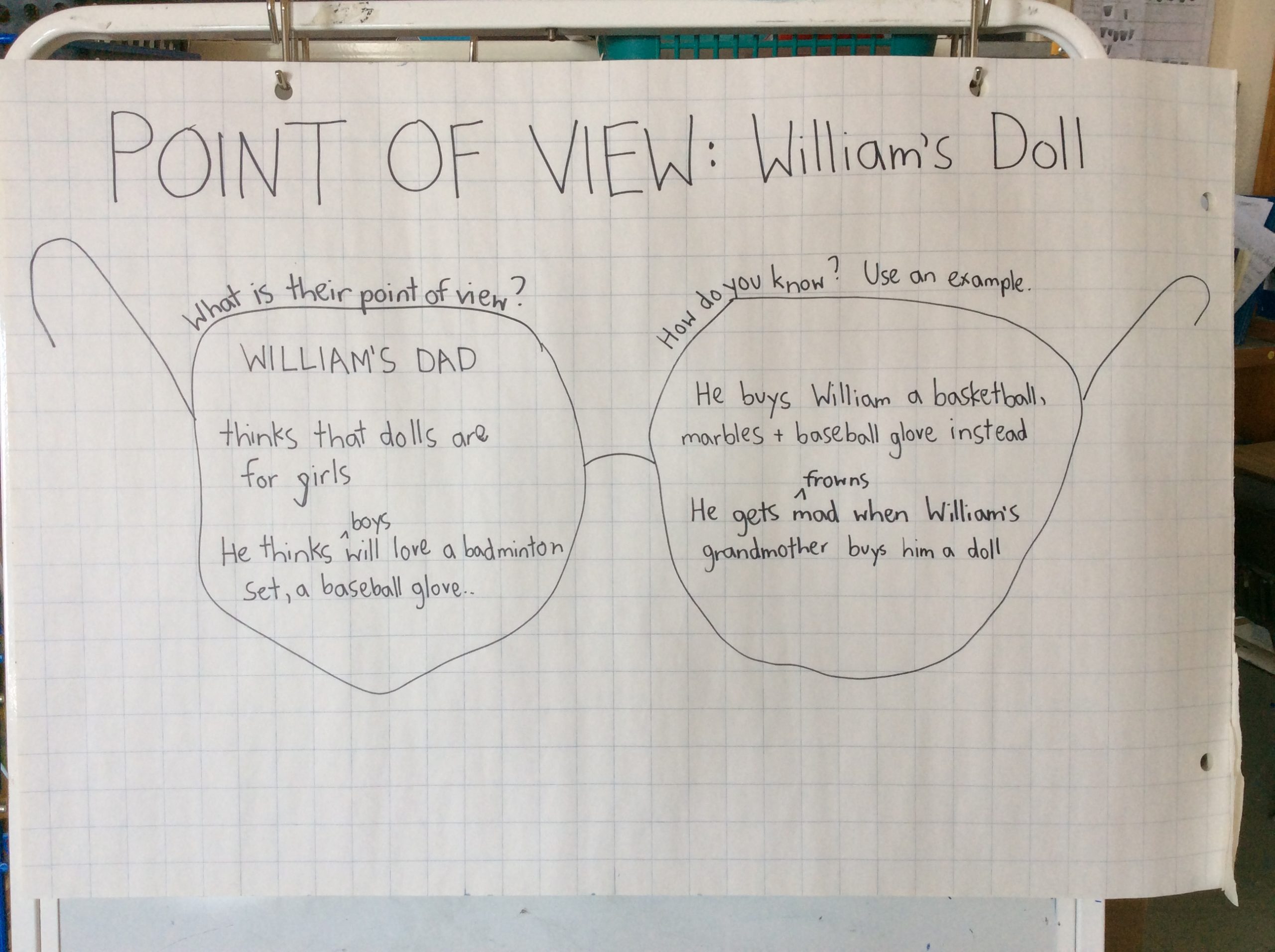
Of Course They Do!
On the International Day of Pink, we continued to have courageous and critical conversations about how schools can be more inclusive, and how we can take action as allies. After reading texts such as, “Of Course They Do! Boys and Girls Can Do Anything” by Marie-Sabine Roger and Anne Sol, and “10,00 Dresses” by Marcus Ewert, students talked about their experiences of being told they couldn’t do something because of their perceived gender. For example, boys with long hair shared their experiences of being challenged in the washroom. We focussed our discussion on how we might respond to questions and/or suggestions that we don’t belong. We used Drama and role-play to practice naming and responding to behaviour.

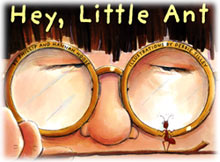
Hey, Little Ant!
“Hey, Little Ant” by Hannah Hoose and Phillip Hoose, is a story about a kid who is about to squish an ant. The story is told from two different points of view. On each page, we hear the voice of the kid and a response from the ant. The story ends with a question, which is a great prompt for discussion and writing, “What do you think that kid should do?”
This story is a great opportunity to explore empathy and compassion, and students’ relationships with animals. “Hey, Little Ant” also includes a song, which can enrich the text. After reading, students wrote about the different points of view in the story, and then wrote about their own point of view.
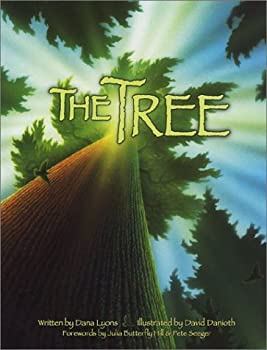
The Tree
“The Tree” written by Dana Lyons is written from the point of view of a tree in the Pacific Rainforest. After writing and sharing the story, the author learned from elders of the Lummi Nation, the original inhabitants of San Juan islands, that he has written the tree’s song. Every tree has a song.
We listened to “The Tree,” drew pictures and shared stories about trees that are important to us. Then, students wrote their own poem or song from the point of view of a tree. We used sentence prompts, such as: “I live….” “I hear….” “I have seen….” “My favourite season is…..” “I wonder….” “I hope…” I found a video of Dana Lyons singing the text as a birthday present for Jane Goodall. I hope we will be able to turn our text into songs!
The Council of All Beings
I am always inspired by my teacher friends! Maria Vamvalis is currently working on her PhD, and shares her learning about climate justice with Natural Curiosity as a mentor coach. We took a course together at OISE, and Maria shared how she has used “The Council of All Beings” to allow students to connect with land and speak in-role from the point of view of other life forms, including animal, plant or natural feature, (desert, forest, etc). This article written by Joanna Macy describes the process.
I am learning that the purpose of the Council is to listen and give voice to land, which includes animals, plants, air, water, soil, etc. The process honours our shared responsibilities and relationships with more-than-humans, and helps us to remember and reconnect with land. It requires guidance and thoughtful facilitation. It sounds like a powerful teaching and learning experience.
Joanna Macy explains: “The Council unfolds in three consecutive stages. First, the beings address each other, telling of the changes and hardships they have experienced.” The second stage creates space for humans to hear from the more-than human beings directly. A few students remove their mask and are invited into the centre of the Circle to listen. The third stage of the council involves the other beings offering gifts to the humans. “As ritual guide I might cue this stage by saying, “Many humans now realize the destruction they are causing; they feel overwhelmed and powerless in the face of the forces they have unleashed. Yet our fate is in their hands. O fellow-beings, what strengths of ours can we share with them, what powers can we lend them?” With this invitation, the beings in the Council begin spontaneously to offer their own particular qualities and capacities. After speaking, each leaves their mask and steps in the centre as humans to receive gratitude and gifts. There is opportunity for singing, dancing and release, as well as reflection and stillness.
I think “The Council of All Beings” would enrich any Earth Day celebrations, and/or National Indigenous Peoples Day. I believe it could be adapted for on-line learning, and would be a powerful collaborative and creative experience for all members of the school community, including families.
People’s Tribunal on the Coronavirus Pandemic
I have a new subscription to “Rethinking Schools”, which is an excellent magazine about social justice education. In the Winter 2020-2021 issue, Caneisha Mills describes how she organized a tribunal with her Intermediate students to explore responsibility for the COVID-19 crisis in the United States. Some of those on trial include: Mother Nature, Racism, the HealthCare industry, Capitalism, and the U.S. government. You can read the article, “Who’s to Blame?” here.
Caneisha Mills honours student voice and engages students in a collaborative and critical process of exploring the global pandemic from different points of view. She honours student voice, and creates a brave space for students to “grapple with profound social injustice” and imagine different possibilities. Mills explains that the “most important part of this lesson involves students writing a 10-point program — inspired by the Black Panthers’ 10-point program, adopted in 1966 — on how to prevent crises like this in the future.”
The article includes a clear teaching plan and provides information for educators who might want to implement the People’s Tribunal on the Coronavirus, on or off-line. “This people’s tribunal begins with the premise that a heinous crime is being committed as tens of millions of people’s lives are in danger due to the outbreak of the novel coronavirus — COVID-19. But who — and/or what — was responsible for this crime? Who should be held accountable for the spread of the virus and its devastating impact?”
The teacher plays the role of the prosecutor. Students are assigned different roles, and the “defendants” are supported to work in small groups to develop a defense against the charges outlined in the indictments. A jury is selected, and each group shares their arguments at the trial. There is only one rule: They may plead guilty, but they must accuse at least one other defendant of being responsible. After the jury deliberates and explains their verdict, all students are invited to reflect on the experience. Then, they use their voice to demand and create change.
The tribunal sounds like a meaningful learning opportunity for older students to explore different points of view. I am curious to think about how this might be adapted for younger students.
In your point of view, what are some powerful texts and/or dramatic conventions that you have used in the classroom and on-line? Please add them to the Comments below.
Front Desk
I’ve always been a fan of Book Talks. Groups of students reading the same text; having the opportunity to ask questions and discuss themes within the novel. With rich texts, there’s no telling where these stories may lead and what actions students may take based on their learning. Sadly, libraries vary from school to school, and finding rich texts within libraries is often a challenge. Last year I decided to hold off in hopes that we might purchase some texts. This year, tired of waiting, I purchased novel sets to use in my class. One of the novels that I purchased was Front Desk by Kelly Yang. Now prior to purchasing novels for my students to read, I took the time to read the novel myself and I couldn’t put it down. Once finished, I reached for the sequel, Three Keys, which is an equally compelling read. Even if you don’t read the books with your students, I strongly recommend educators read them.
Front Desk is the story of 10-year-old Mia who is a Chinese American immigrant who manages the front desk of the Calivista Motel while her parents clean the rooms. Along the way, she meets friends at her new school and it is through her interactions with others that she learns a variety of life lessons. As the students read, it was amazing to hear the reactions of students from across the classroom. Shouts of, “That’s racist” and, “How is any of this ok?” filled the room as students discussed some of Nia’s experiences and those of the residents of the motel. Reading the novel offered students opportunities to share their own experiences and to talk about some of the injustices they see in the world. I have to say, it was a novel that sparked many great conversations and for some students, got them thinking about ways in which to take action.
On her site, Kelly Yang offers teachers a variety of resources for both books. As with all my Book Talks, I usually prepare a variety of activities for students that might help support their discussions in their groups. Many of these activities are ones that I have adapted from lesson ideas shared with me in the past. In this post, I’m sharing 3 templates that you might consider using with students and that can be used with any novel.
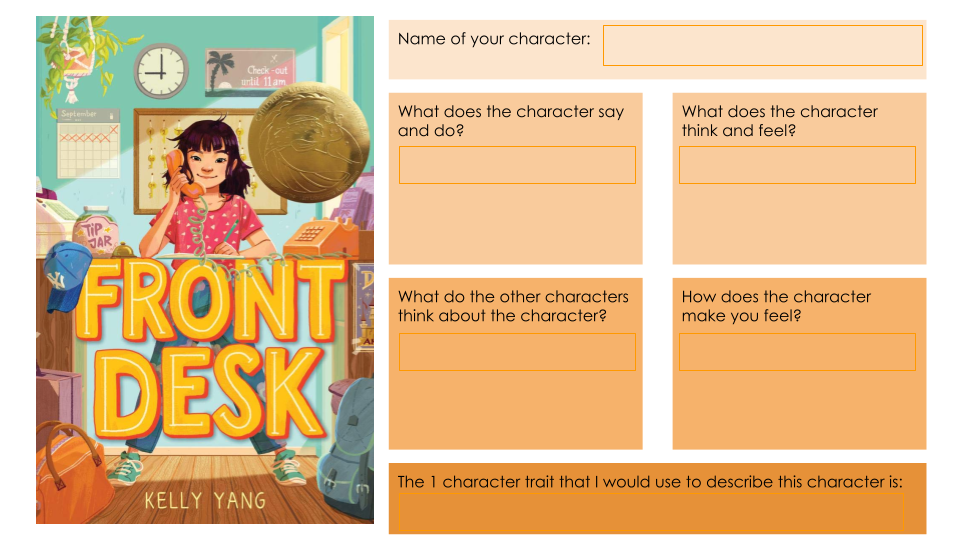
Character Analysis – Using this template, students are asked to pick a character and to answer a variety of questions about the character.
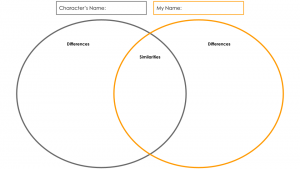 Comparing Myself to a Character – Using a Venn diagram, students compare themselves to one of the characters in the book. In the past, I have also had students compare themselves to 2 characters, creating a 3 circle Venn diagram.
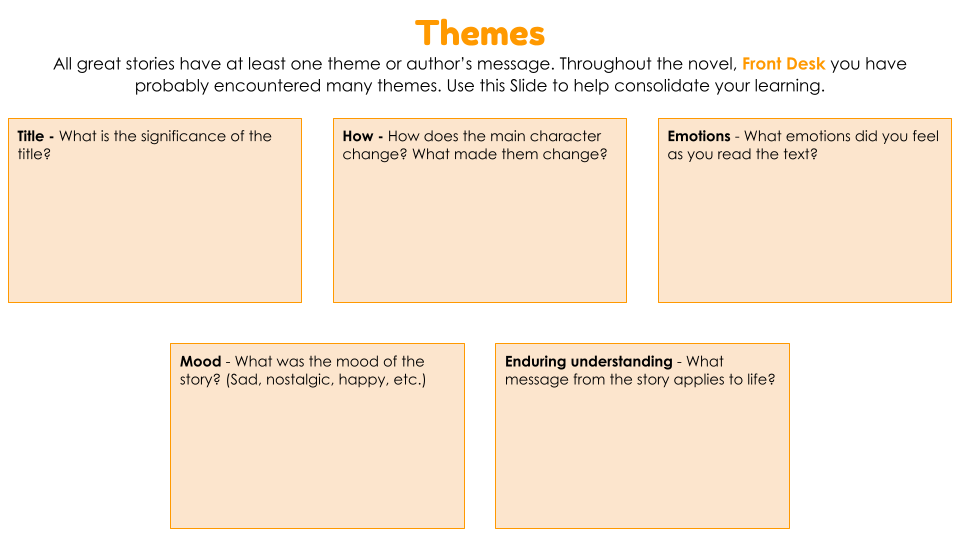 Themes – Authors often share valuable lessons and messages in their novels. We consider these to be the theme or themes of a novel. Using this template, students answer a variety of questions to get at the heart of the author’s message.
Texts can act as windows and mirrors as students read. Mirrors reflect the lived experiences of students and help them to build their identities. Windows are texts that offer a view into the experiences of others. It’s important for students to learn about others as they learn about themselves. Front Desk and Three Keys are incredibly rich texts that can act as both for students. Consider reading them with your students.
“Breathe-in experience, breathe-out poetry.” M. Rukeyser
April is National Poetry Month.
During this challenging year, poetry has supported critical and courageous conversations, offered some comfort and hope, while honouring pain and anger. Here are some examples of what this work has looked like and sounded like in our Grade 2 classroom:
Igniting the Spark: Amanda Gorman
The whole world was inspired by the poetry and brilliance of Amanda Gorman in January 2021. Her poem, “The Hill We Climb” filled us with light during this time of “never-ending shade”. Her story about overcoming a speech impairment reminded us all to believe in ourselves and find our voice. I shared her poem and her TEDTalk with my students, and she was the spark for our inquiry about the power and possibilities of poetry.
Power Poems for Small Humans:
I have reached for poems during difficult times when I could not find the words to express my feelings. Jillian Christmas is a Vancouver-based slam-poet, who is an organizer and activist in the arts community. I have shared her poem, “On Honouring Anger” in response to racial violence and injustice that continues to impact students, staff and families, and requires educators to take action.
This poem, and other powerful voices can be found in an anthology called “Power Poems for Small Humans”, published by Flamingo Rampant. Flamingo Rampant is a micro-press that publishes children’s books that center and celebrate stories of kids taking action, disability pride, 2SLGBTQ+ voices, racial justice and more. Please check out their website and bring their books into your classroom library!
Yesterday, I Had The Blues:
When we were learning remotely, I used the Poll feature on ZOOM to check-in with students. One day, the question was: “How are you feeling today? Choose a colour to describe how you are feeling.” Students were invited to analyse the data, and share why they chose the colour. Then, we talked about different ways that people experience colour. We listened to the story, “Yesterday, I Had the Blues” by Jeron Ashford Frame, and made text-to-self connections.
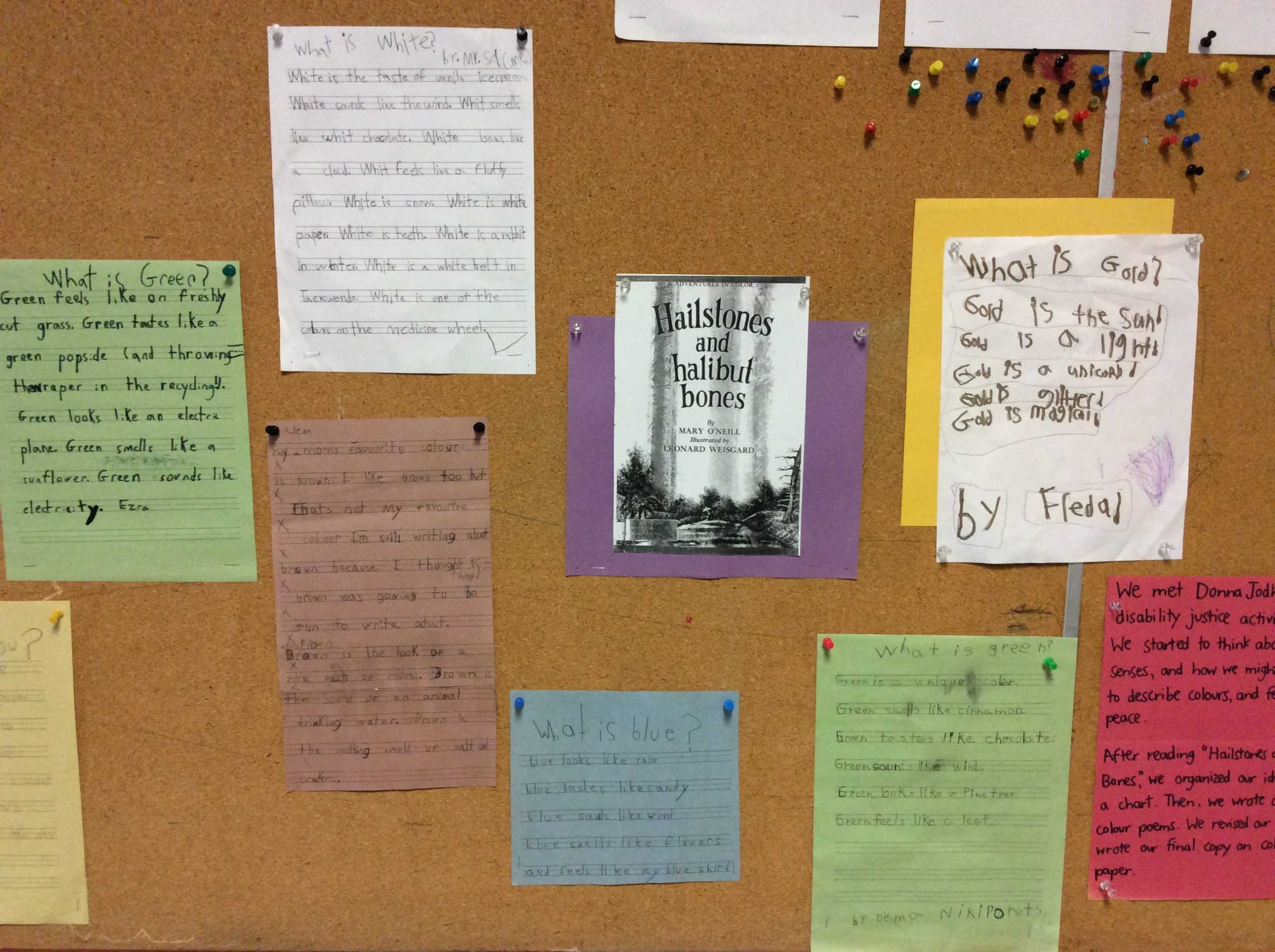
Next, we read selected poems from “Hailstones and Halibut Bones” by Mary O’Neill. I love this book, but it is important to preview the poems, because there is one poem that uses outdated language, and needs to be unpacked or revised. Each poem begins with the same question, (e.g. What is Orange?) and uses the five senses to describe colour in poetic ways. I created a graphic organizer, and students were invited to write their own Colour Poems.
Pink!
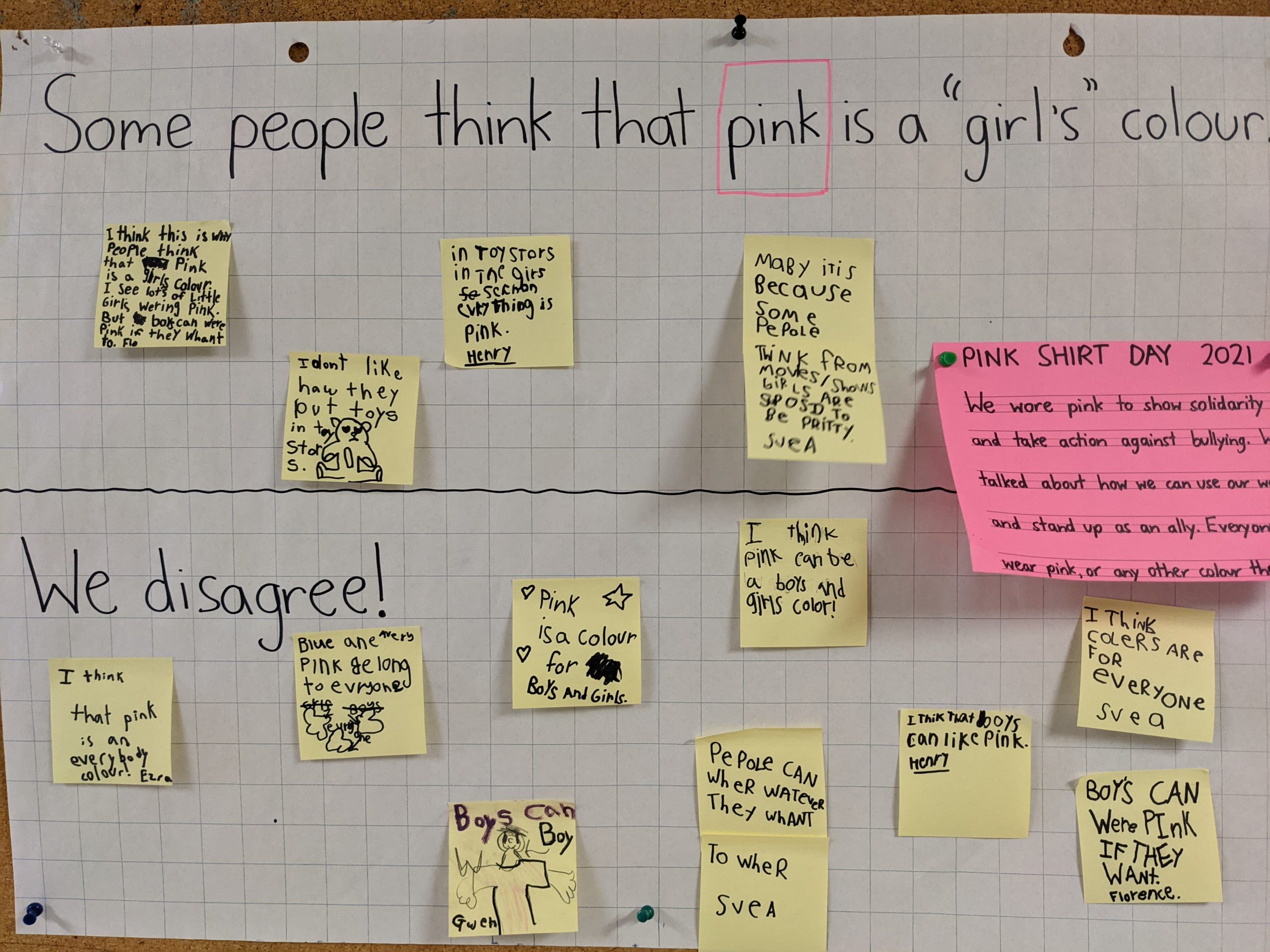
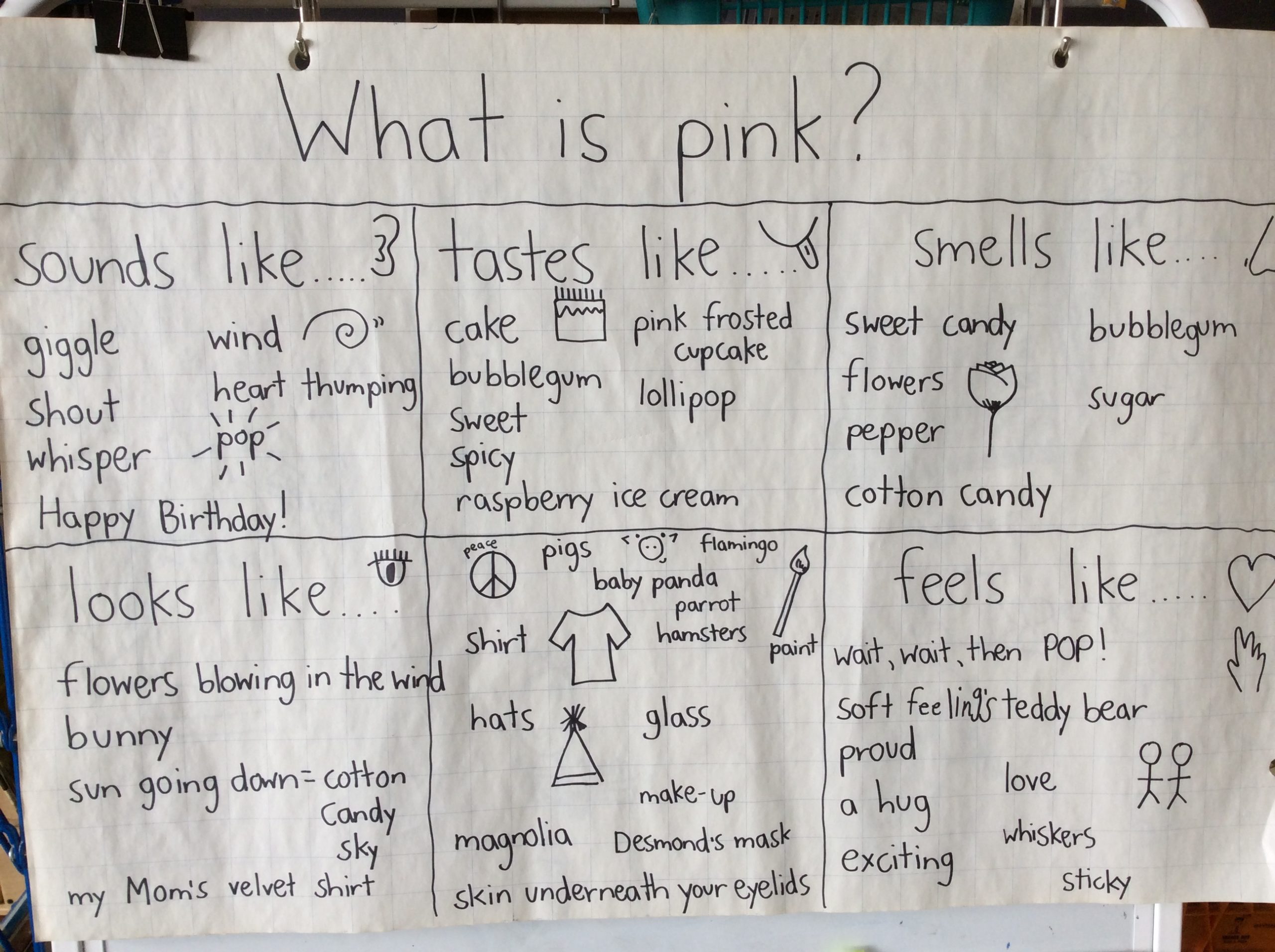
On the International Day of Pink, we had a discussion about how some people think that pink is a “girl’s colour.” We talked about where these ideas come from, and how these gender rules might make people feel excluded. We created a poster using post-it notes to capture our ideas, in the style of a JAMBoard. Then, we wrote our own “What is Pink?” poems and displayed them in the hallway.
Quick as a Cricket:
After reading, “Quick as a Cricket” by Audrey Wood, students wrote poems using the template, “I’m as ____________as a ___________.” This was a fun and accessible way to learn about the poetic device of similes. A simile compares two different things using “like” or “as” in an interesting or unexpected way.
Gratitude Poems:
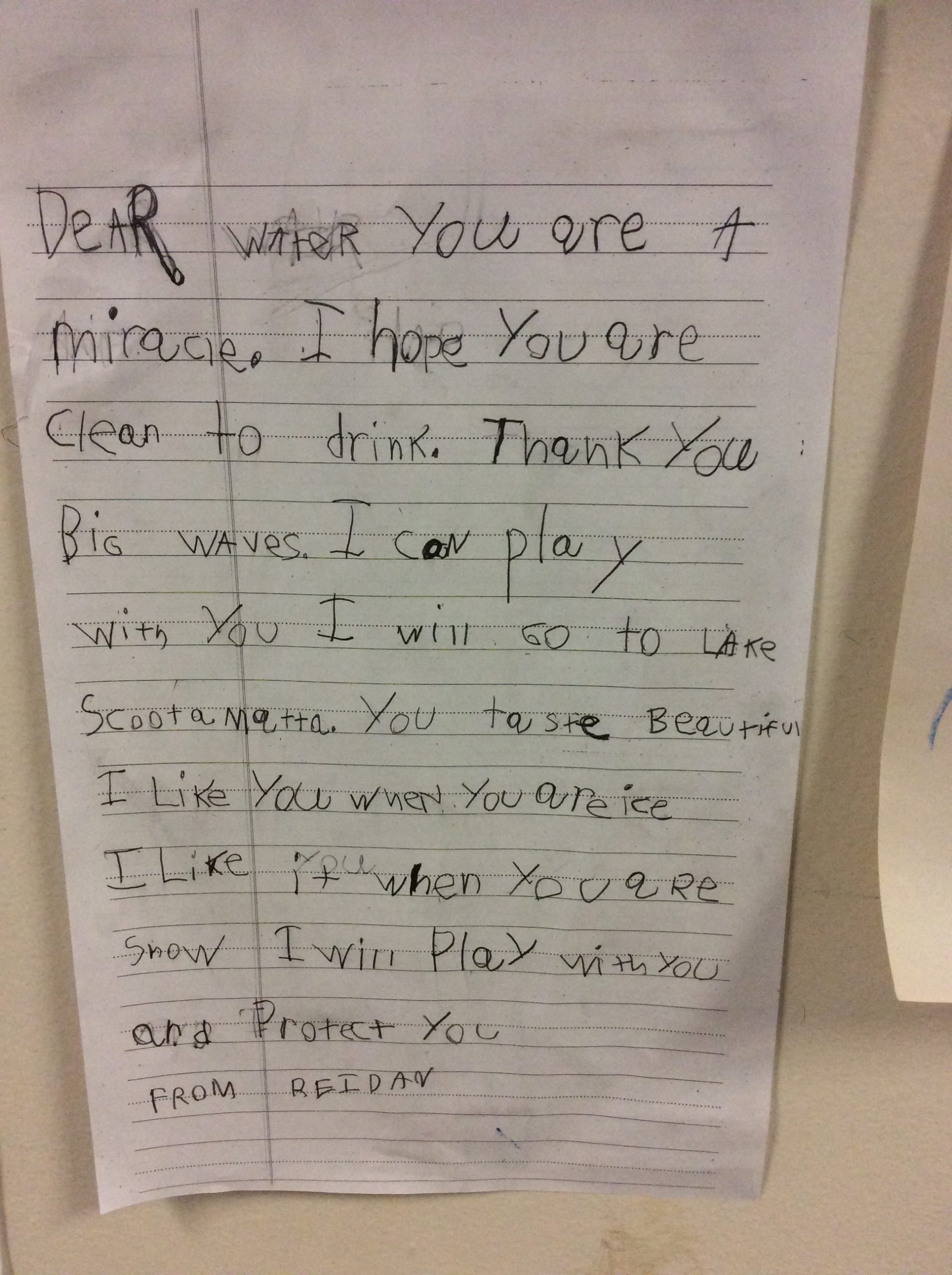
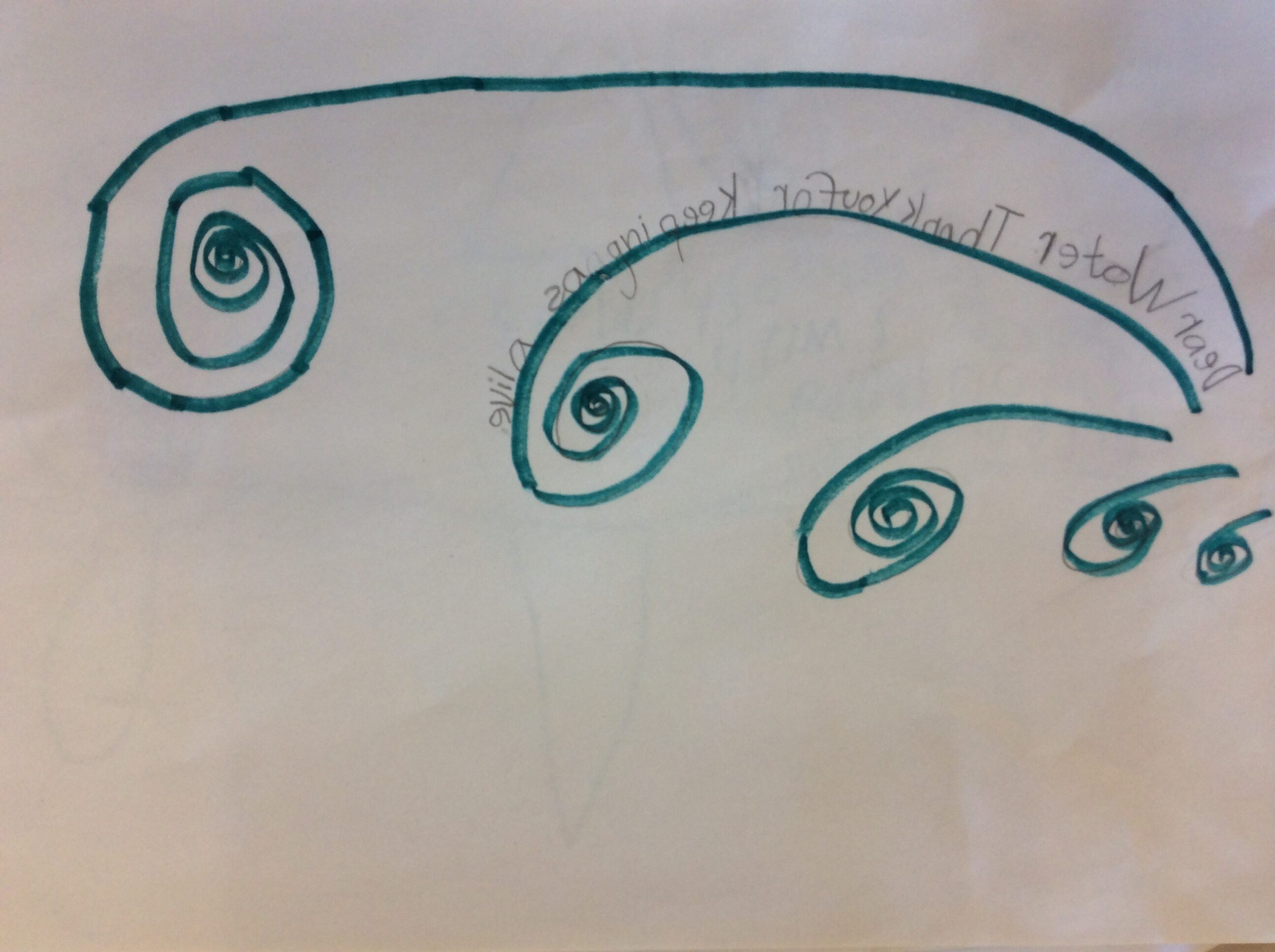
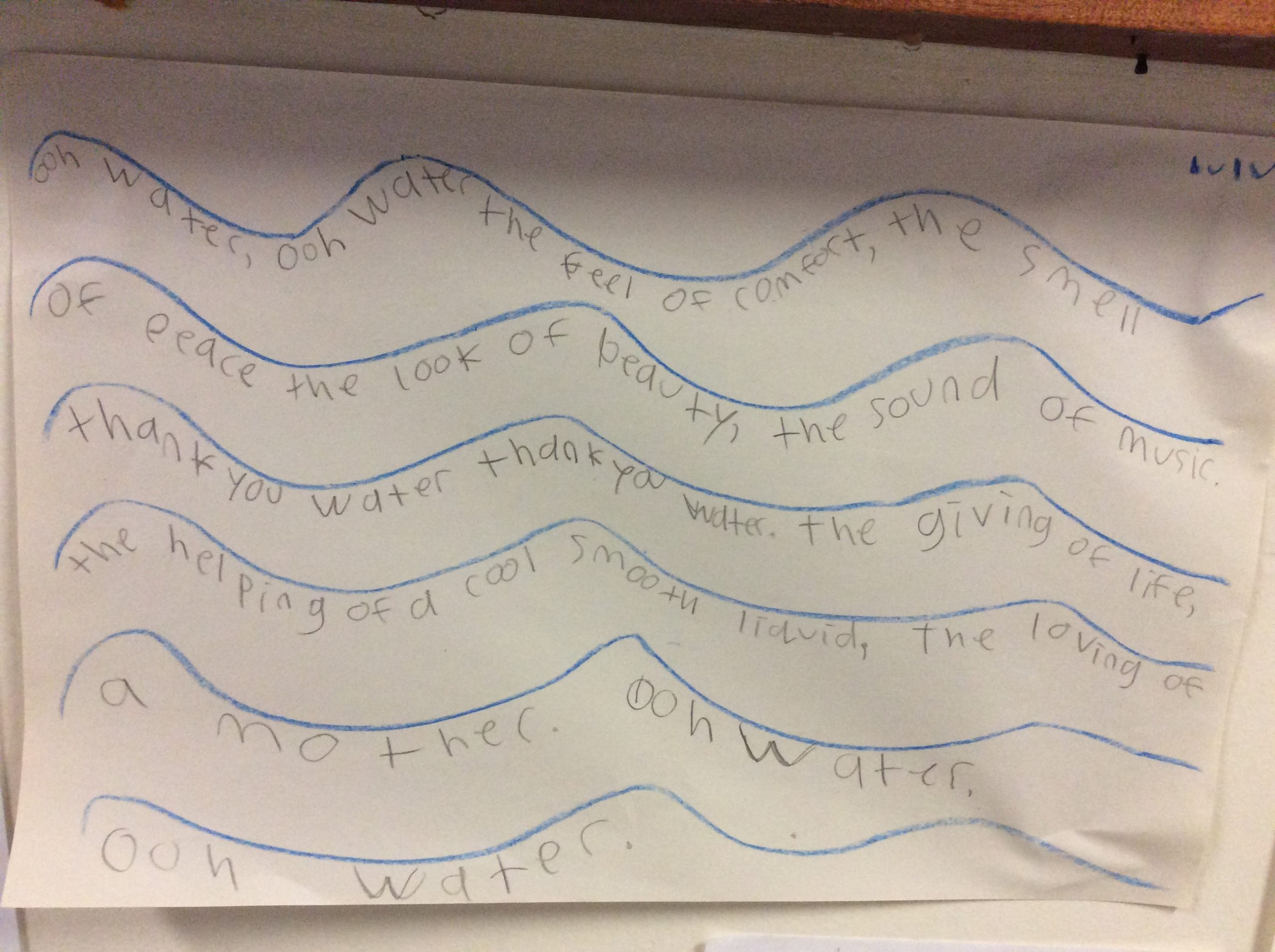
After reading several poems from a collection called “ThankU: Poems of Gratitude”, we wrote our own “Dear Water,” poems. Students used the following sentence prompts to write a letter to our relative: “I love….I think….I will….I hope….You are….” On World Water Day, we read our letters to each other in the Rainbow Garden and talked about what we value, and how we might protect water.

Splish! Splash! Splat!
One rainy day, we brainstormed different sounds that water makes. Then, we learned about Concrete poems, which are poems that take the shape of the subject that they are describing. Students chose a shape and wrote a poem about water.
Respond and Rebuild:
We will continue to explore poetry, self-expression and identity by writing an “I am Me….” poem. This lesson plan is from www.welcomingschools.org and can also be found in ETFO’s newest resource, Respond and Rebuild CRRP Lesson Plans. I am looking forward to integrating movement and choral reading to this work.
What are your favourite poems or poets to explore in the classroom?
Gender Splendour!
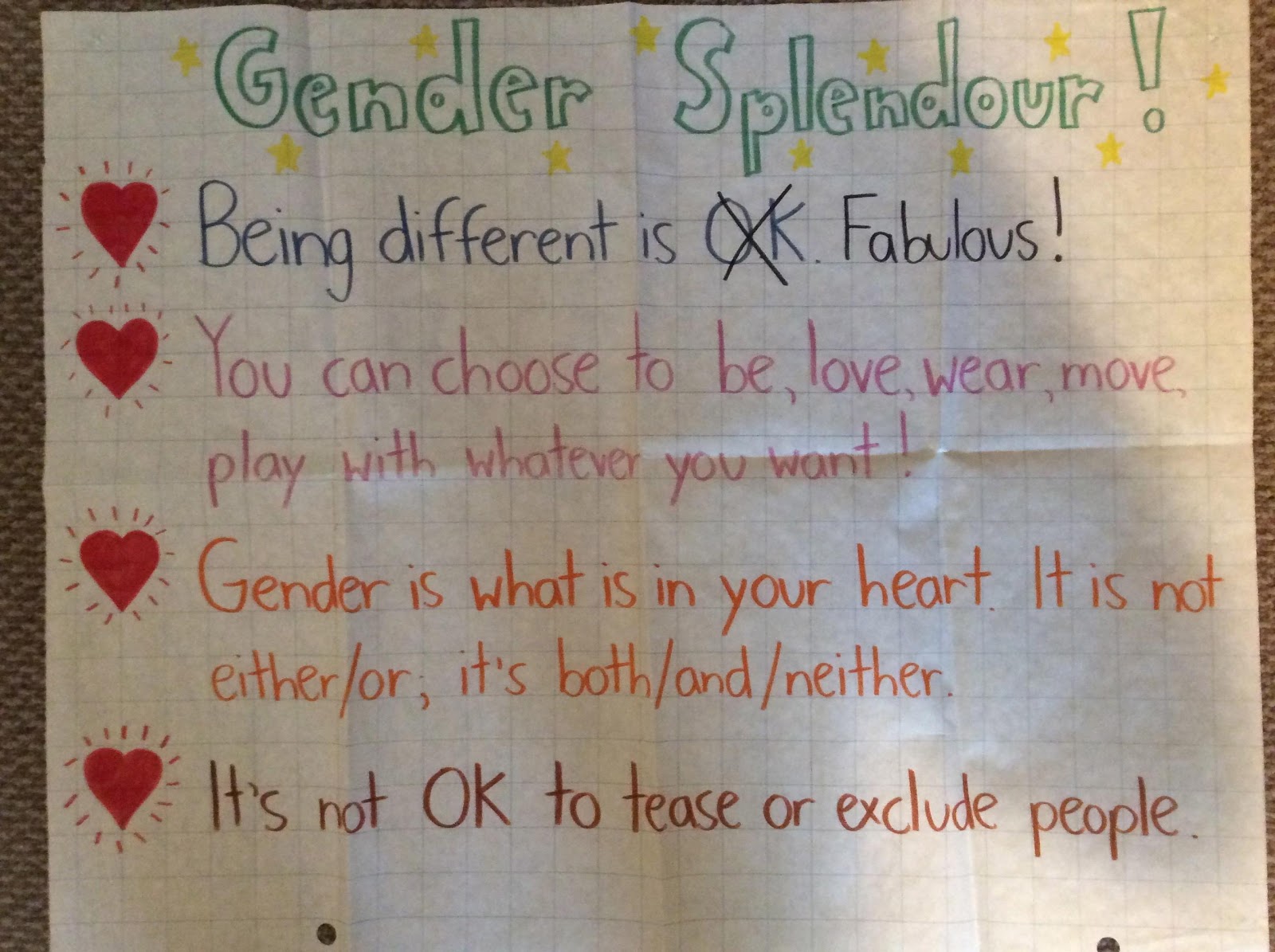
This year, our school community will celebrate Gender Splendour from April 6-9, 2021. It will be our 11th year implementing arts-based curriculum that explores gender identity and equity, 2SLGBTQ+ communities, inclusive families, and disrupts homophobia and transphobia.
Over the years, the Kindergarten-Grade 6 students have participated in several inclusive and intersectional workshops, including: Love Makes a Family, “The F-Word” (feminism), Kiki Ballroom and the History of Voguing, Toys Will Be Toys, LGBTQ+ Rights Around the World, Pronouns and Possibilities, and more!
When I was in elementary school, my mother came out as a lesbian. This was in the 1980’s and she told us not to tell anyone because she was afraid of losing her job. I learned about the painful impact of fear, silence, and homophobia outside of the home. I also learned about the power and strength of community and love, as we marched in the streets at parades and protests. My young life as an activist and an ally has developed into a strong, on-going commitment to social justice. When I became an educator, I was determined to break the silence and celebrate the pride and resistance of 2SLGBTQ+ communities.
All You Need is LOVE….and an ALLY:
When Shannon Greene joined the staff, I found an ally and an accomplice. We were both creative and committed to transforming our pedagogy. Together, we brainstormed ideas about how we might support students, families, and staff to explore and express their intersectional identities. We gathered resources, including picture books and media texts to support these critical conversations. We reached out to families and community members, and generated guiding questions to investigate. We wanted to empower students to stand up to injustice and take action. And we wanted to have fun!!
Boas and Bowties:
We celebrate Gender Splendour during the second week of April, which includes the International Day of Pink. This year, COVID-19 has pushed our celebration a week earlier. In addition to wearing pink, we encourage everyone to dress-up in different ways. These Dress-Up Days are always optional. They are meant to be playful and fun, and create brave spaces for community members to express themselves without fear. In the past, we have worn: Rainbow Colours, Wings and Capes, Boas and Bowties, Clothing Inside-Out, Spots and Stripes, Glitter and Glam, and Pink!
Free to Be:
Every social movement needs a soundtrack. Throughout the years, we have discovered several songs that make us think, and make us dance. “True Colours” by Cyndi Lauper, is an anthem that honours how it feels to be seen. “Same Love” by Macklemore, explores issues of homophobia and same-sex marriage. “Stereotype” by Samsaya, invites us to stand up to injustice. Recently, we collaborated with Freedom School Toronto, and learned about how dance can be a form of resistance. Everyone enjoyed learning about Kiki Ballroom, and the five elements of voguing, before strutting our stuff on the runway.
As we prepare to smash gender stereotypes and critically examine gender binary roles in our society, I am feeling reflective, grateful, and proud. I am also looking forward to practicing my “death drop!”
International Women’s Day
Happy International Women’s Day!
What does this mean to you?
What does this mean to your teaching practice?
Feminism is for everyone
“Eighty-one percent of the members of the Elementary Teachers’ Federation of Ontario (ETFO) are women and, in many ways, the history of women teachers reflects the struggles of all Canadian women” (ETFO voice, 2016 https://etfovoice.ca/feature/looking-back-womens-history-ontario-teacher-federations).
The world needs women. Feminism can be practiced daily by elementary educators in Ontario. Not because we are a group largely composed of women, but because a society that values women is one that promotes equity, opportunity, and growth. Feminism is not exclusively for women. Feminism in the classroom generates a culture founded on inclusivity. This environment creates a safe space for critical thinkers, status-quo challengers and allows students to grow into adults who advocate for positive change.
You cannot have feminism without intersectionality
You cannot support women without supporting Black women. Women who belong to racialized groups. Women with disabilities and special needs. Women who are part of the 2SLGBTQ+ community. FNMI women. Women who are marginalized by society. Elderly women. Young women.
We must support all women, teach about all women, listen to all women and respect all women. To not value the experiences of all women is to misrepresent the harsh reality women have lived and continue to face. Inaccurate or nonexistent representation of women places student learning and well-being at a disadvantage.
Women deserve equitable opportunities and to see themselves reflected in curriculum
Women merit the encouragement to become involved in science, math, engineering, technology and sports. Our students have the right to equitable opportunities in all aspects of curriculum and school activities. In order to promote these experiences in the classroom, students must see themselves reflected in past and current literature, stories, videos, guest speakers and so on. Let us get rid of those history books that exclude or depreciate women’s accomplishments and rather promote the positive impacts women have made, and continue to make in the world.
Let’s continue to celebrate women today and every day
Cheers!
About next month
Do not go gently into that next month. Do not close the book on the last one, and not open it up until the same time next year. Do not look at your checklist and think it is complete. There are still boxes to tick and more are being added each day. There is work to be done on behalf of equity, justice, identity and intersectionality. Do not go gently into that next month.
This past February has revealed so much to me as an educator. It has shown me that you cannot put a time frame around unlearning centuries of racism in the form of micro and macro aggressions against Black, Indigenous, Asian, and all People of Colour. February has shown me that the narratives of history have been whitewashed and buried in textbooks in the hopes that the bones of truth would not be exhumed.
February has taught me that even our collective best efforts to seed conversations, nurture thoughts, and harvest actions face unnatural forces of hatred and bigotry in the gardens of the communities we sow. There are weeds to pull that must be dug out from far below the surface hit by the light. We must dig down to uproot what is hidden in the dirt below.
March must be about continuing conversations around race and racism while celebrating black excellence beyond Rosa, Harriet, Nelson, and Martin. March needs to come in like a lion roaring the names who have fought against injustice and oppression who have yet to be mentioned in the history books. It is not just about athletes and performers, there are teachers, business owners, activists, and civic leaders who have all fought against systemic racism, injustice, and oppression with rarely a mention in our classrooms beyond the month of February: Afua, Dudley, Clotilda, and Denham.
The names above and so many more have been part of the fabric of our communities, but seem to get lost the other 11 months of the year. Please do not go gently in next month without digging deeper into the undershared stories of black excellence that exist around us beyond the worlds of sports and entertainment.
Do not go gently into that next month. It is our collective call to action to learn how to become anti-racist educators. It cannot be compartmentalized into a fraction of our instructional year. Anti-racism education cannot be reduced to a brief item at a staff meeting or a PD session either. 1 month out of 12 will never be enough when racism is working all year long. This work cannot be hefted onto someone else’s shoulders. We must all carry our share of the load.
Do not go gently into that next month. Now more than ever it is time to rage against what has caused so much harm from generation to generation. Embrace what discomforts you, be okay with the dissonance from not having all of the answers to students’ questions. Seek out others who are learning too. Walk alongside them as you learn and grow together and continue planting the seeds of equity and justice in your classrooms.
“Do not go gently into that…” and ‘rage against” phrasing borrowed from Dylan Thomas’ poem Do not go gentle into that good night
Suggested reading:
The skin we’re in – Desmond Cole
We want to do more than survive – Abolitionist teaching and the pursuit of educational freedom by Bettina Love
Caste – Isabel Wilkerson