Create Success in Intermediate Math through Play….

“What are you doing in Math today?” the VP inquires of my grade 5,6,7 and 8 students.

“We’re playing games.”

“You’re playing games?”

“Yes, we always play in math.”

The assessments gathered from these classes provide me insight of where everyone is in their learning. My experience with assessments are that individual conversations to understand the thinking process provides the most valuable information. The range of each of my classes is from a low elementary level to a low secondary level.  This is quite a span. As a school we have been, “Landscaping” these students using; Fosnots– Landscape of Learning.  http://thelearningexchange.ca/wp-content/uploads/2015/01/Creating-Conditions-for-Learning-Math-Viewers-Guide.pdf This provides an great snapshot of where your learners are on a continuum. Our board has developed some very specific assessment questions for all grade levels which include strategic numbers to help determine the strategies individuals use.

How do I managed this?

It took me a while with the continuous disruptions to the daily routine. The way, I have adopted my assessment sessions this year is similar to how a reading group would be managed.  Provide the lesson, give the class expectations, then work with a small group on a rotating basis. The entire class already understands the rules and class expectations which have been familiar routines followed to date.

Now what?

I find creating a growth mindset is most important. This is developed through creating a comfort zone for all, including the teacher. Each year I am challenged to ensure my learners grow and develop forward on the continuum. I use a variety of resources such as Sherry Parrish’s-Number Talks http://www.meaningfulmathmoments.com/number-talks.html This is a great beginning to each class.

I resource Dr. Small’s-Big Ideas https://search.library.utoronto.ca/details?7785153&uuid=5d3e7d21-dfef-4e3a-a3d3-9f33f13418b9 for different activities to compliment the concept of study.

Presently I am using, From Patterns to Algebra, by Dr. Beatty and Dr. Bruce https://school.nelson.com/from-patterns-to-algebra-book/

Play, yes these resources include play which I implement on a regular basis.  The students enjoy learning with and from each other while I guide them. During my classes, Play creates a class dynamic for success.

Let’s Talk About Shame

Author Brené Brown from her book “The Gifts of Imperfection” writes that there are three things that people need to understand about shame:

1.  We all have it.  Shame is universal and one of the most primitive human emotions that we experience.  The only people who don’t experience shame lack the capacity for empathy and human connection.

2.  We’re all afraid to talk about shame.

3.  The less we talk about shame, the more control it has over our lives.

While reading this it resonated with me as a teacher.  How many have you experienced Professional Learning Shame?  I’m a professional learning hoarder.  I consume professional learning whenever possible and yet, often I feel shame while experiencing professional learning.  I listen to another teacher who is courageous in sharing strategies and ideas that are meant to help me in my job and ultimately I end up thinking that I must be a poor teacher because I don’t do those things in my classroom. Often I come away feeling worse about myself.  I’ll think, “Well great, obviously everything that I’ve been doing has been ineffective and I need to add THIS onto everything else.” or “I haven’t been doing THAT in my classroom. Clearly I’m not working hard enough. What must my colleagues think of me?”

Shame makes us think that we are somehow not worthy.  I know that I’ve convinced myself of not feeling worthy when I compare my work to other teachers in my school, on Twitter or (cringe)…Pinterest.  I find it difficult to look at myself professionally through an asset lens.  The best way to stop feeling that shame is to talk about it.  Once shame is talked about it tends to lose power and it is easier to let it go.  So, I’m talking about it in a public forum so I can work on building up that resiliency.

I’ve felt shame as a teacher in social situations with people who aren’t educators.  I’ve felt judged, compared and found unworthy.  More than once I’ve heard, “Teachers are paid too much and have far too many holidays and benefits and they’re really just babysitters.”  Whenever a Provincial Government talks about making cuts to education, it sends a message that teachers aren’t worthy of maintaining the current working conditions and fuels the public perception held by some that teachers are unworthy of what we earn.

In our school, whenever EQAO results are returned and we have our fall meeting to talk about the school improvement plan for the year, we celebrate for a nano second the areas in which the student have succeeded and focus intently on the shortcomings.  As a school we know that we all share in the responsibility for the cumulative education of students and feel shame when we look at where we didn’t succeed, but some of my grade 3 and 6 colleagues have told me about how they feel solely responsible for EQAO scores and consequently, feel shame.

Well, this is a downer of a subject, get over it Fenn.  What can we do?  It’s the nature of our job right?  Nope.  There are some great pointers that Brené Brown shares about becoming shame resilient:

1.  Understand when you are feeling shame and recognize what messages and experiences trigger shame for you.

2.  Remember not to equate being imperfect with being inadequate.

3.  Share your stories with people you trust and own your stories.

4.  If you feel shame, name it.  Talk about how your feeling and ask for what you need.

Teachers are constantly in receipt of feedback about their job; from parents, students, administrators, colleagues, the public and themselves.  Staying open to criticism and feedback is what helps us improve education for our students.  We need to take risks to remain open so that we can experience improvement.  However, what we should also try to remember is that everyone is flawed and imperfect but that doesn’t mean that we are lacking.


Coding with Microbits

Twice I have attended the Ontario Teachers’ Federation “Pedagogy before Technology” conference in the summer.  This year I attended a design workshop that the InkSmith company provided and would never have been able to predict the chain of events that would follow.  In the workshop we were grouped with people at our table to come up with a design concept and present it in the manner of a “Dragon’s Den” pitch.  As we discussed the concept and made diagrams on chart paper, I put the visuals together in a small Google Slide presentation and added an entertaining video.  I have my drama specialist and I’m not afraid to ham it up in front of a crowd.  When it came time for the presentation we wowed the InkSmith team and ended up presenting to the entire group.  We then went to lunch and I didn’t really think too much more about it.  However, because I had so loudly and visibly put myself out there in an entertaining way, I was contacted by the team at InkSmith and then connected with kidscodejeunesse team.  Kids Code is a federally funded program that helps students learn to code.  They provide free workshops to classrooms across the country using handheld, programmable micro-computers called micro:bits. The coding program is web based and is in the blockly format but can also be switched to html for more advanced coders.  When a workshop is provided to a classroom, the teacher is provided with ten microbits for the class to use and keep.  You can visit the website kidscodejeunesse to sign up for a workshop for your classroom.

microbit

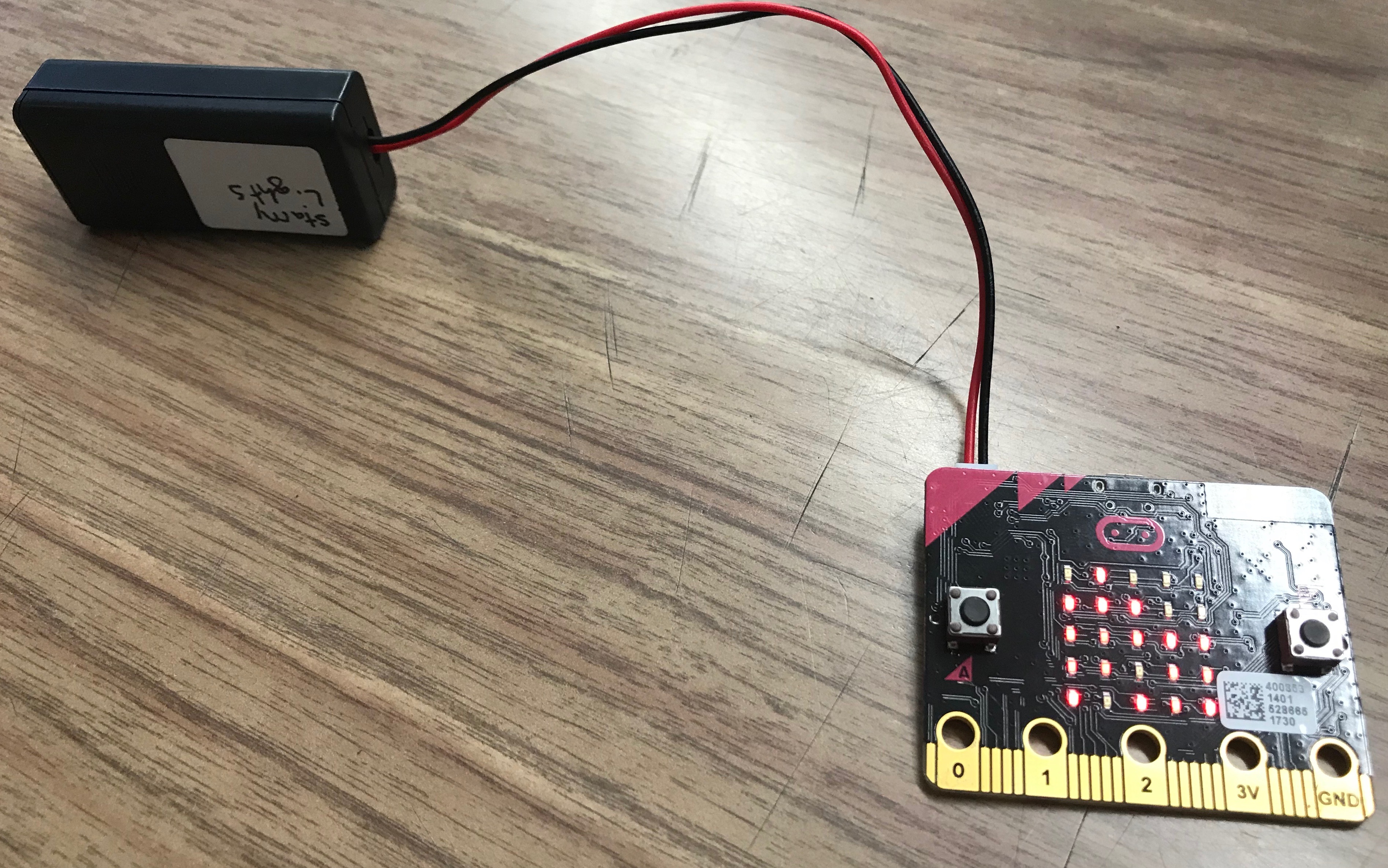
                                                                                                                                 This is the microbit connected to a battery pack.

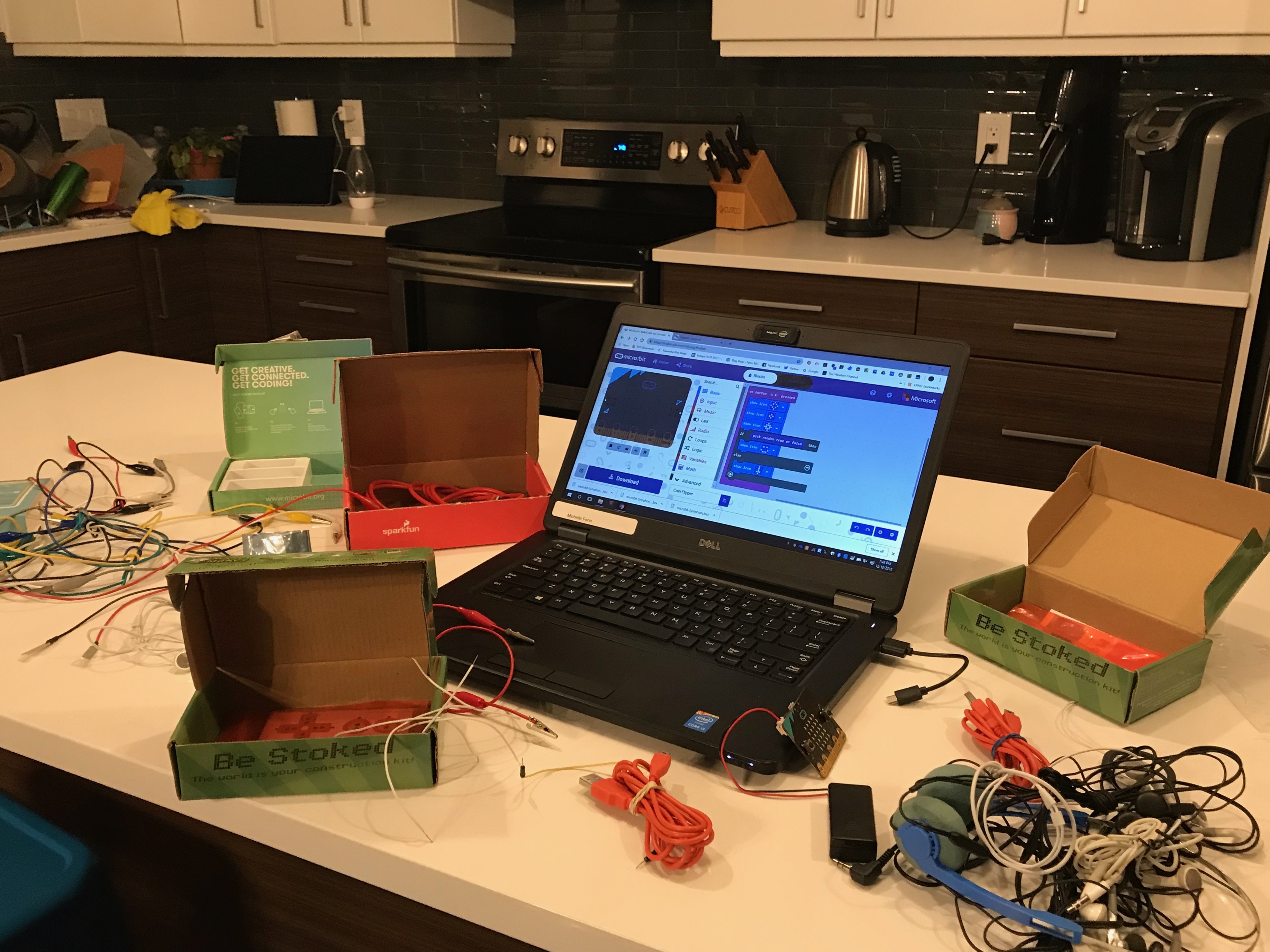
Kids Code Jeunesse provided me with training and as part of my job as an innovations consultant, I now go into classrooms within my school board to deliver workshops to students.  The only coding that I had done up to this point was with Spheros and Ozobots which was quite rudimentary.  I am now immersed into the coding culture. Which means that sometimes my kitchen counter looks like this:

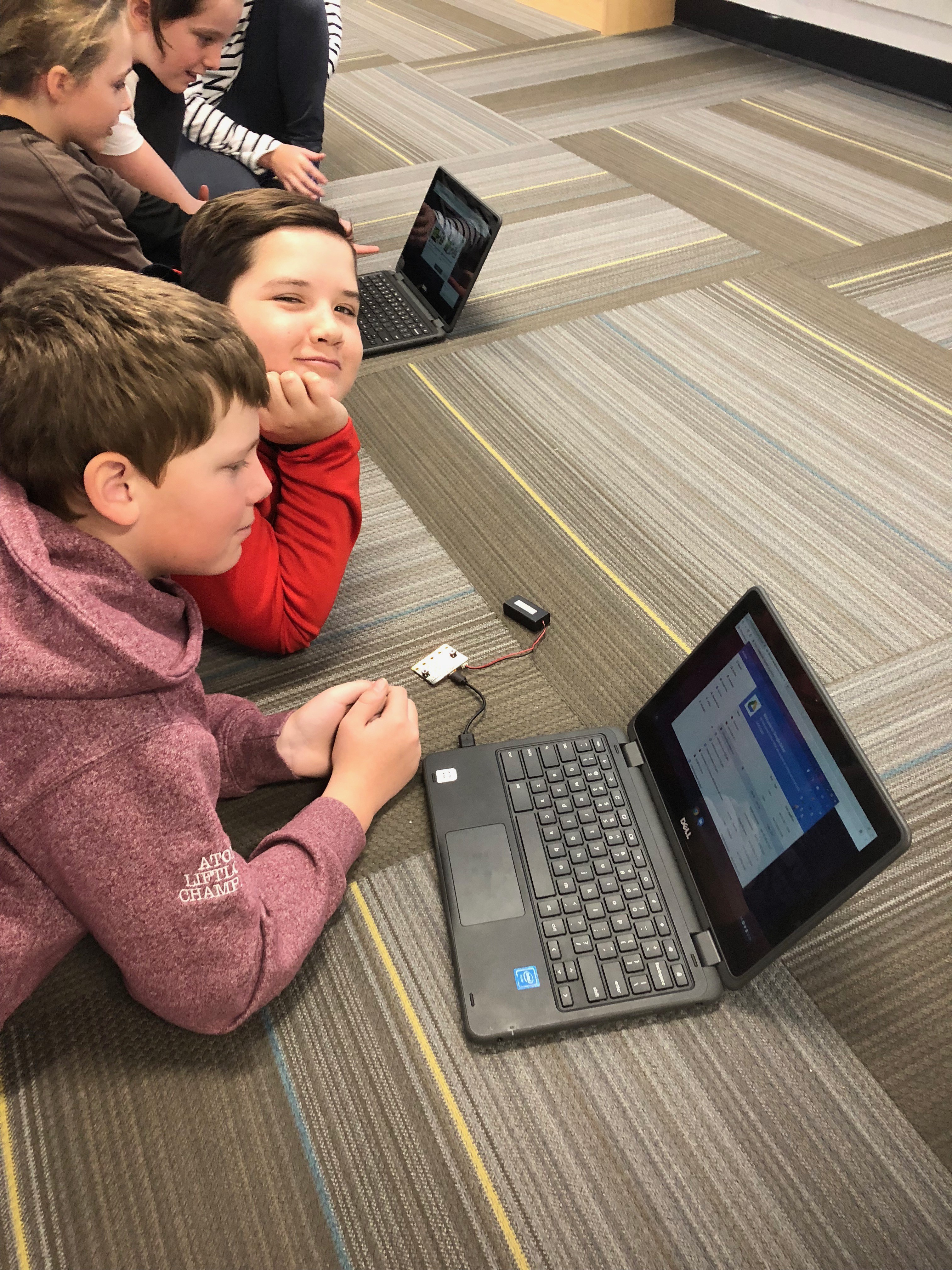
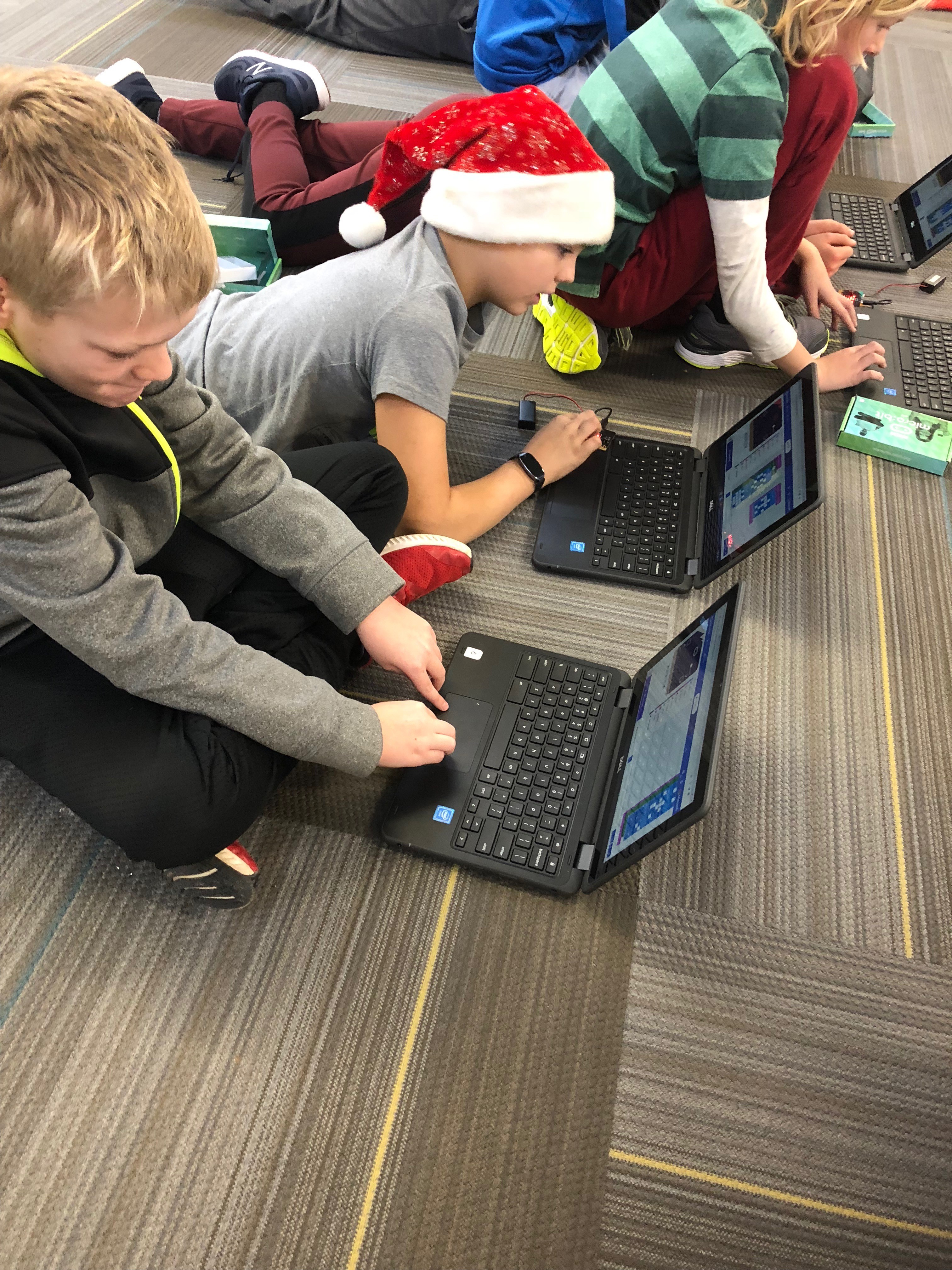
IMG_6320 It was a little out of my comfort zone to be sure.  As I have gone into classrooms I have admitted to students that I’m not an expert on microbit   technology and I have learned from some of the students that have been engaged in complex coding on their own time.  With a quick conversation with   the classroom teacher I can usually make some decisions around differentiating the program to keep students engaged.

 You might be wondering what it is these little computers can do.  The LED lights on the front can be programmed to light up in patterns which create   animations.  Students can create dice or rock, paper, scissors games and with a few alligator clips and a small speaker or headphones, microbits can be   programmed to create music. With a little innovation and some adaptation it can be programmed to water plants automatically or become a pedometer.   It can also be paired with a robot called K8 which can be purchased from Inksmith and assembled.  The microbit website itself is where the coding takes   place and it has easy to follow tutorials and ideas for projects to code.

The initial workshop is only the beginning.  The only limit to these little computers is the limits of your student’s imagination.  Microbits would be incredibly useful in a maker space or genius hour environment.  The students develop design and critical thinking skills and problem solving techniques as they create and de-bug programs.  It is an amazing way to introduce coding to students-especially if you are a teacher who is brand new to coding.  Be warned: coding is extremely engaging and you and your students may have an inordinate amount of fun while learning.

         IMG_6350IMG_6200IMG_6358IMG_6326IMG_6356

New Year, New Reading List

Something about the fresh beginning of a new year is inspiring. In my own personal reflection, I feel like I’ve really got the hang of all the wonders of being a classroom teacher. I’m in my third full-year LTO and I feel that I’m moving past the stage of “learning as I go” and “figuring it out”. I now want to spend more time refining and defining myself as an educator.

This is a list of books that I want to read this year as part of my self-guided professional development – a sort of New Year’s Resolution to myself. They are titles that I’ve heard of from colleagues or from other online sources and they have all been reviewed highly. A few of them I already own, but admittedly, have only skimmed through or read the chapters pertaining to what I needed at the time. This time, I’m focusing in and reading with the intention of building capacity and growing myself as a teacher.

If you’re looking to do the same, I recommend checking out a few of the titles listed below. They’ve been selected with primary grades in mind, but the basic principles covered by them could (and in my opinion, should) be applied to all grades.

Happy New Year and happy reading!


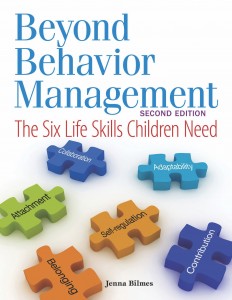
Beyond Behaviour Management: The Six Life Skills Children Need by Jenna Blimes  *This book has already totally changed my teaching, and is my highest recommendation to you!

71VJZ+OBFnL

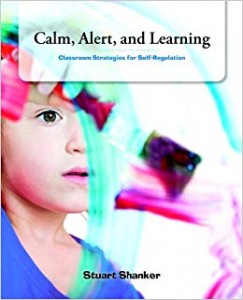
Calm, Alert and Learning: Classroom Strategies for Self-Regulation by Stuart Shanker

41VjMb4hPYL._SX258_BO1,204,203,200_

Self-Reg: How to Help Your Child (and You) Break the Stress Cycle and Successfully Engage with Life by Stuart Shanker

0143191578

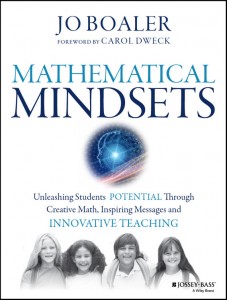
Mathematical Mindsets by Jo Boaler

Mathematical-Mindsets

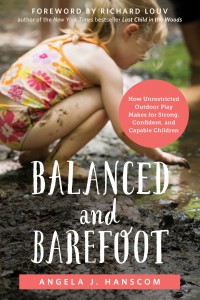
 Balanced and Barefoot: How Unrestricted Outdoor Play Makes for Strong, Confident and Capable Children by Angela J. Hanscom and Richard Louv

71BWJVWbffL

Inquiry Mindset: Nurturing the Dreams, Wonders, and Curiosities of Our Youngest Learners by Trevor MacKenzie and Rebecca Bathurst-Hunt 

51tHM4GlkbL._SX331_BO1,204,203,200_

Best to you in all you do (an alphabetic acronym for educators)

Happy New Year! Well at least the Gregorian one. What’s really neat about teaching in Ontario is the amount of cultural sharing that occurs as part of our school calender. January 1st marks the start of 2019 on most calenders and in the spirit of rebirth, new beginnings, and good will I wanted to share a prosaic attempt to encourage you all to savour the good from 2018 and prepare to embrace the awesome potential of another new year.

Always take time to reflect on the impact you are having on the lives of others.
Being present is the best present.
Channel your energy into lifting others up and creating community in your classroom.
Dedicate to change and learning even when it is uncomfortable.
Everyone matters, most importantly you.
Forget past hurts and move forward.
Give freely of your time and resources.
Homework doesn’t have to be a worksheet.
It can be a conversation or a chance to play.
Jump up and show your students why movement is important while learning.
Kinesthetic learners need to move. So do their teachers.
Leave the answers in the back of the book to explore other responses.
Make room for culturally responsive pedagogy.
Never doubt the impact you are making on the lives of others.
Open your mind to innovative practices and take risks trying something new.
Play + timely relevant instruction = learning.
Questions are bricks to build a solid foundation in learning. They are not meant to be thrown.
Respect is at the forefront of all we do. It presumes positive intentions in everyone.
Some days, some people are going to push your buttons. See R, Q, F, and C
“T
ough times don’t last. Tough people do.” Robert Shuller In case R, Q, F and C don’t work.
Understanding includes everyone. We need to seek it, model it, and share it daily.
Victories come in many forms. Somedays it will look different than others.
Wonder is the rocket fuel of enagement in education. We have the ability to send our students to the moon and beyond.
Xenophobia is an enemy that can only be defeated by dedicated educators.
You are a dedicated educator who has accomplished great things and will do so again in 2019
Zzzzzz. Sleep is your friend. Rest you deserve it.

Thank you for all you do to make education awesome. It is a privilege to share with you on this platform. Cheers to many great things in 2018, the many lessons too, and to all of the amazing potential that is to unfold in 2019. Will

The best present is one you can give year round

https://www.flickr.com/photos/72153088@N08/6510934443 CC BY 2.0

Like many gifts wrapped up during this Christmas/Winter Holiday season, this post could take a lot of forms. Whether it is with a bow, within a kindly worded card or if it is hidden in a neatly wrapped gift the feeling of giving and receiving gifts is a special one.

Classrooms can be gifts that keep on giving

Although, traditional presents are nice, it has been my experience to savour the moments when we are able to strengthen our class community through quality time together. Long after the sweetness of a treat or period off for a movie has been forgotten, students remember being part of something special that benefitted others.

When classrooms unite for a cause bigger than themselves, that is where true giving occurs. Raising funds to support schools in need of resources, supporting clean water projects, or collecting food/clothing for local charities are all ways for students to give. The holidays serve as a perfect time to make it happen, but the need does not stop in January. So why not make giving the focus year round?

Getting started is easy. Start by setting aside a little time to gather/chat about needs and goals for giving in support of others instead of getting down to the business of learning every period. There are numerous NGOs for a class to support such as Ryan’s Well, Plan Canada or Right to Play to name a few, but in 2019 I think it would be great for us to seek justice and equitable funding and access to education for our First Nations families. Most of our classrooms are embarassments of riches in my school board. I know there is room for us all to be generous.

What if we all provided time to interact and set our minds to support a common goal? Encouragement and a space to make it happen are simple gifts that teachers can offer their students. Then let them co-create and negotiate where they want to concentrate their efforts. Your class can divvy up responsibilities such as organizing awareness parties / fundraisers / whole-school events for everyone to look forward. They can plan and host inter-grade social games to include younger and older students. This way, everyone becomes connected to the event(s) in one form or another. That connection allows the community to grow closer together as they work on a common goal. Each time students work together to achieve something or are kind to one another is like a gift that keeps on giving beyond the moment. Start small, think locally, take some time, and grow from there. Remember to have fun. It will be like a breath of fresh air from the regular learning at school.

Although this post was shared in December, its message stretches well beyond any season. I’m hoping that it will serve as a reminder of the give and take that exists in our schools, as well.And, like most gifts, it is better to give than to receive. Especially in the classroom. Keep on giving your best to everyone and in all that you do.

Thank you for reading. Here’s to an amazing 2019 at the speed of learning and life.


Broadening Learning Space in Education

In my new role I’ve had the privilege of working with educators in different parts of North America. Through this work, I’ve been inspired by educators who are excited about transforming education so that student learning is engaging and prepares them for an ever changing future. In conversations with these educators, I’m amazed by the great work being done in pockets throughout however, I have started to ponder: how we can move forward in even greater ways? How do we “build capacity” (a term that I’ve often heard), not just within our own schools, districts or provinces but beyond that to ensure that great learning is happening for students throughout? What are ways in which we can support and inspire each other to continue the great work? How do we highlight inspirational stories in education on a large scale?

I’ve used social media – Blogs, Twitter, Facebook, Google + – and in-person meet-ups through conferences and events. Inevitably I run into the same people at conferences and online and while they inspire me and push me further in my thinking as an educator, how do we connect all of the little pockets that are out there? In this post, I’m sharing a few ways in which I have connected with others and am hoping to start a conversation on how to take things even further.

Twitter

I actually love Twitter! Three and a half years ago when a former principal suggested that hop on to join a chat that he was having at a conference, I had no idea how my world would change. Little did I know the great impact it would have on my teaching and the many connections over time. From co-creating #tdsbEd to following education hashtags, it’s become my daily dose of inspiration on-the-go. I’m fortunate to have found fantastic people to follow and have had the opportunity to meet and learn from many of them. In what ways have you used Twitter to connect with others? Are there specific hashtags or handles that you follow because they have helped you grow as an educator or sparked an interest? Please share!

Facebook

Alright…I know that it’s 2018 but I am new to Facebook. It’s taken me years to finally jump on and it’s been an interesting experience. On the FDS Facebook page, there are amazing posts that we share related to trends in education and I’m hoping to use this educator group as an online community where people can ask questions, share ideas and even get feedback on some of the innovative approaches used to engage students in classrooms.

ETFO Events

Do you find that face-to-face interactions are more appealing? ETFO always has amazing events for members. I’ve attended many in the past and find that they create a great environment for networking. I have lasting friendships resulting from a couple of events. Many of these events center around current and relevant issues in education with a lens on equity. Every event has allowed me to walk away feeling empowered and at the same time reflecting on myself and my interactions with others. I’m grateful to have had the opportunity to attend events and highly recommend them to every educator. Potentially, you’ll gain a new network of critical friends who might call you to go further in your own learning.

These are just some of the learning spaces that I’ve been a part of. I know that many, many more exist. How do we expand them even further? Have another innovative space where amazing learning is being showcased? Please share them!

Coding for all

hourofcode.com 

This has become an annual event across the nations.  In Canada, 200,000 technology jobs will not be filled in the year 2020. Hour of Code is a great way to teach about some of the opportunities available to students. December 3 – 7 is also known as Computer Science Education Week and Canada Learning Code Week. I will have students participate in a variety of activities relating to these coding activities.  This is a way to introduce and enrich the learning of students from all grades.


Hackergals Hackathon

Hackathon has also become an annual event. December 12th schools from across Canada will participate in an event which they have been learning and practicing for this past few months. Hackergals vision is to empower young girls across Canada to explore the possibilities in coding. Women are under represented in technology and this event strives to expose many girls to computer science in the classroom.


First Lego League(FLL)-

www.firstinspires.org is another activity that students eagerly participate in.  It does have an extra cost unlike the Hourofcode and Hackergals which are both free.  FLL is an event that instills many skills and abilities to all who participate.  It is a team building, code learning, exciting journey for all who participate.  Lego League has many different avenues for all grade levels.  December is the competition time where students will participate in a Qualifying Tournament to determine who will move to the next level of play. Involvement of the community provides much success for may teams.


I have enrolled teams in all three of these events.  These individuals grow in many ways and often take leadership roles in next steps.  I encourage anyone who has the support of staff and community to become actively involved in any of these activities.

Believing in the power of a mentor to support new educators

It’s Progress Report time in many school boards this week. Once again, ETFO colleagues have typed and tweaked their thoughts about student stemming from conversations, observations, and products onto reports that capture “the learning” thus far. This annual first rite of assessment seems to come earlier and earlier each year, but is an important opportunity to map out the learning for then next 7 + months. Then there’s the meeting scheduling and organizing in addition to our already crammed days. So, how are you doing?

Have you had time to catch your breath since the start of the year?

I know the first weeks in the classroom seem to fly by for all of us. Regardless of years experience, it’s a hectic time of year.  This can be especially difficult for new teachers who find themselves working before/after school as well as during evenings and weekends at home to plan, prepare, and assess. All this, in addition to trying to have a personal life that may include time with friends and family or just to be still. To no one’s surprise, the hours that educators invest in their calling are often spent in equal proportions in and out of the classroom. So how are you doing?

What would you change about the first 11 weeks of your year?

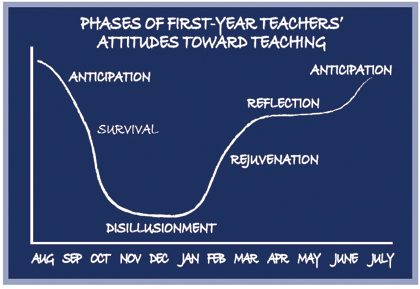
Over the years, I have enjoyed numerous conversations with new teachers at Progress Report time. For many new educators, it is the first time that they have had the time to reflect on what has gone on since the first bell in September. Many have shared that they are tired and feel a little overwhelmed by the pace and volume of work. It is not uncommon for new teachers to go through a case of the November Blahs where their energy level has waned a bit from the beginning of the year.

http://weac.org/articles/new-teacher-handbook/phases/

The first question I usually ask after “So how are you doing?” is, “Are you connecting with your colleagues to divide and conquer or are you stuck inside the walls of your classroom?” In my first year as a teacher, I made the mistake of not asking for help because I thought I could solve my own problems as they presented themselves. I did not want to appear weak to my new colleagues or admin. Needless to say, come November of the first year, things were deteriorating. So I suffered. Which means my students suffered too.

Long nights, failed planning, missed opportunities, and frustration were my regular companions at work and at home. I did not feel like I was taking advantage of the natural mentors in the building that first year. However, by my second year, my eyes and mind were open to any and all who were willing to offer their wisdom, guidance, and resources. By taking myself out of my fortress and asking for help I was able to redirect/rescue/re-invigorate my instruction and outlook.

After that point, suffering was optional. I chose to seek out the support of others when things became murky or began to go off course. It was humbling to know that the people I turned to for help had my best interests at heart. Knowing that I did not have to have it all together every moment of the day was like removing a giant gorilla from my back that was constantly whispering, “You don’t need any help. You can do this on your own. Don’t let anyone think your weak.”

Having a peer mentor to turn to has become a cornerstone of my personal development. In turn, I try to support my colleagues when they need someone in their corner. Perhaps when this time rolls around each year the first question I ask teachers is, “So how are you doing?”

David Suzuki’s message to us all

Today the grade seven and eights at our school were invited to attend the Eco Summit at Mohawk College. It was an exciting opportunity where we got to listen to motivated students from around Hamilton speak about the change they were making in their school community and beyond. Local poets, musicians and activists spoke as well about the changes we could be making and how the earth desperately needs our help.

I knew I had to prepare my students for in their mind what could have been a boring day listening to speakers. I needed to create an interest in them before they sat down in Mohawk’s auditorium. I shared with them a BBC article I had recently read about the key things we can do to keep the earth’s temperature from rising beyond what it can handle. I shared with them how we need to cut down and eliminate certain things or places such as Portugal (as I felt this summer) will be uninhabitable very soon.

I soon saw that this trip was a bit mature for some of our younger grade sevens and even for some of our eights. They did not quite have in them the interest in climate change. Only a few of our eights were brave enough to ask the student guest speakers some questions such as: how did you get your teachers or people in general to pay attention to your causes? How can we make a change? What is the most important issue facing us at the moment? Etc.

I did however find a few key takeaways in the main keynote address of the day. We were VERY fortunate to hear from David Suzuki via video conference. I wrote some notes regarding his message to our group today. Here are the main points:

  • we need to radically reduce our use of fossil fuels
  • we should research and read more about the blue dot agenda and we can do so by going onto bluedot.ca
    • once there, you can click take action
  • we can learn more by reading about the David Suzuki foundation
  • we can email the MP in our area and ask them to sign the MP pledge for environmental rights
  • anyone 18 or older needs to vote in the upcoming federal election for the most environmentally conscious leader
  • fight for the IPCC recommendation
  • it is important that we as educators offer solutions to our children without scaring them about the future
  • shift to what is called a biocentric view rather than what our world currently has, the human centric view
    • we need to see us a part of a web of living things
  • our students are the heroes of the future


That last point really stuck with me. Sure they may have been zoning off during David Suzuki’s talk or not listening to the inspirational music videos, but we cannot give up hope on our heroes of the future. Even if just a few of them take a stand, we can hope that they will be the change we need to see in this world. I encourage everyone to try to do some of the points as listed above. Also, a great read is this BBC article that challenges us to start making changes as well:

https://www.bbc.com/news/science-environment-45775309
Also, here is an amazing message to get a conversation started with your class about doing their part to make the world a more liveable place
https://youtu.be/B-nEYsyRlYo

Unless someone like you cares a whole lot, nothing is going to get better. It’s NOT. -Dr Seuss